
1. Bang & Olufsen
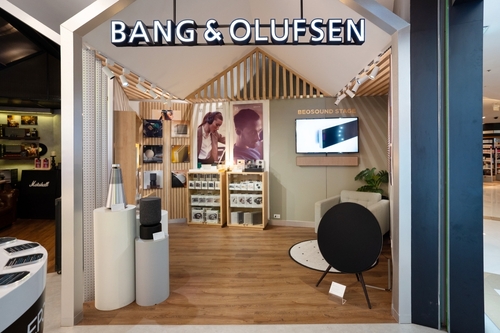
For decades, Bang & Olufsen made high-end audio gear that doubled as sculpture. In an era of clunky electronics, their speakers and radios were smooth, architectural, and eerily prescient of today’s “smart home meets art object” aesthetic. In 2025, we see their influence in everything from Sonos’ soft geometry to IKEA’s design collaborations. They proved that electronics could blend into the room instead of shouting for attention.
Their approach to materiality—metal, wood, and fabric in perfect balance—now defines the entire category of home tech. Smart lighting, ambient speakers, and connected furniture all chase that same “quiet luxury” feel. The irony is that Bang & Olufsen was once considered niche and indulgent. Now, it’s the design template everyone else is copying.
2. Polaroid
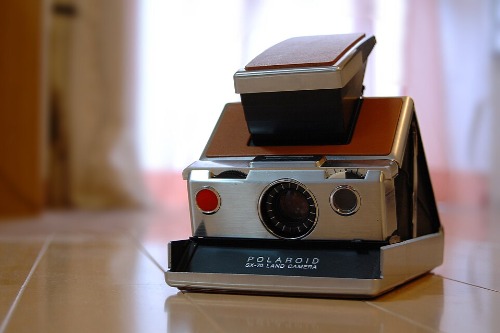
Though best known for cameras, Polaroid’s design ethos extended into home life—simple forms, soft colors, and tactile materials. In the 1970s and ’80s, its home products and marketing projected a sense of warmth and instant gratification that felt deeply human. Fast-forward to 2025, and the same vibe defines everything from retro home decor to kitchen appliances with built-in filters and pastel hues. Polaroid’s combination of analog nostalgia and practical design is suddenly right at home again.
Its emphasis on “instant experience” mirrors how smart homes now operate—effortless, connected, and sensory. The rounded edges and minimalist palettes of Polaroid’s products look eerily similar to today’s home hubs and countertop tech. Even the resurgence of instant photography as decor—a wall of Polaroids, a photo printer in the living room—feels like a callback. Polaroid predicted that the future of home tech would be personal, not polished.
3. Braun
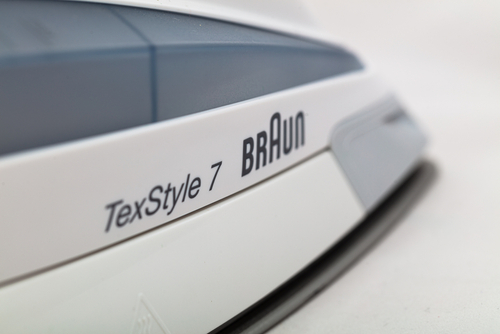
Under the guidance of Dieter Rams, Braun pioneered minimalism long before Apple made it cool. Their kitchen appliances, clocks, and radios from the mid-20th century featured clean lines, soft corners, and intuitive buttons that feel almost timeless today. In 2025, you can see Braun’s DNA in every air purifier, coffee maker, and smart thermostat that values calm functionality over flash. Their aesthetic wasn’t just about form—it was about clarity and care.
What was once considered utilitarian now reads as mindful and human-centered. Braun’s “less but better” philosophy anticipated our current obsession with decluttering, neutral tones, and sustainable design. The brand’s restraint taught consumers to appreciate design that disappears into the background. In today’s home spaces, that’s exactly the kind of beauty we crave.
4. Tupperware
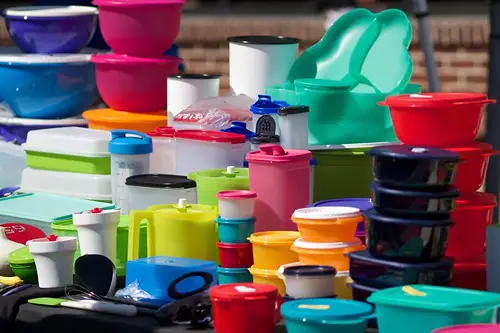
It’s hard to imagine now, but Tupperware was once at the cutting edge of domestic innovation. In the 1950s, it introduced modular storage, airtight seals, and cheerful color palettes that transformed kitchens worldwide. Those smooth, stackable designs look suspiciously like the food storage systems lining 2025’s minimalist pantries. Tupperware’s blend of functionality, playfulness, and community-building feels surprisingly current again.
The brand also pioneered the idea of design democratization—good design for everyone, not just the elite. Today’s reusable storage brands and eco-focused home startups are echoing that ethos with sustainable materials and community-driven marketing. Even the Tupperware Party model predicted influencer culture in its own way—social selling before social media. In hindsight, Tupperware was designing for both the home and the human connection within it.
5. Corning Ware
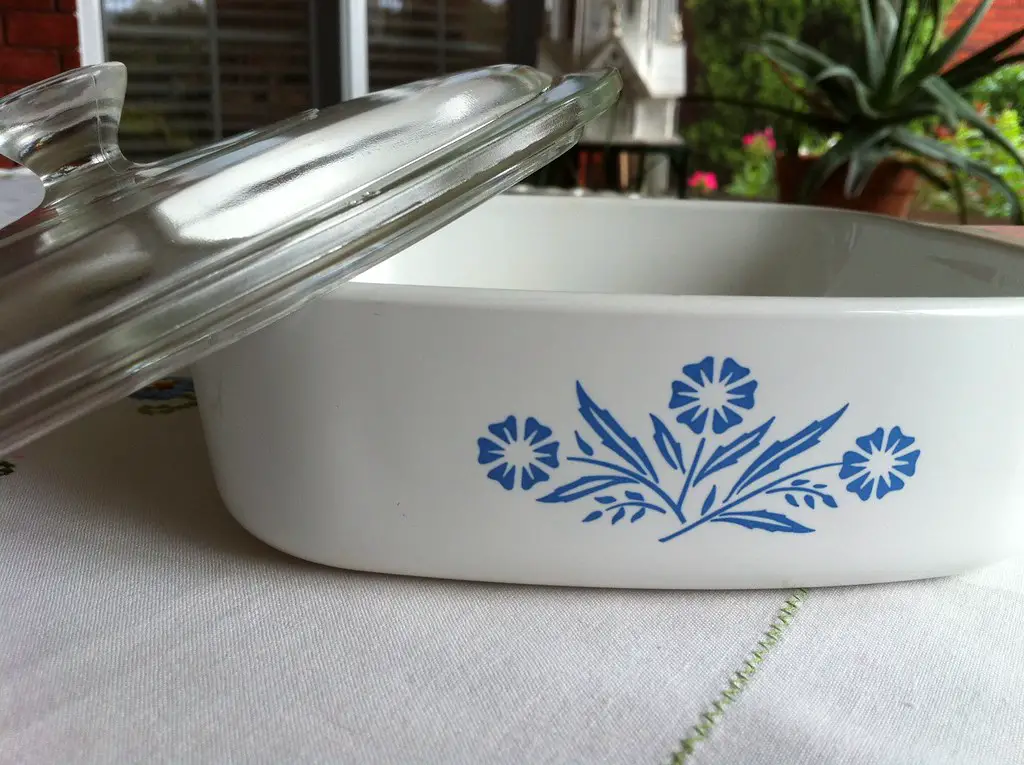
Those blue-floral casserole dishes might remind you of your grandmother’s kitchen, but Corning Ware was doing minimalist futurism before it had a name. Their glass-ceramic cookware introduced clean, laboratory-grade design into the home—a balance of science and simplicity that’s everywhere in 2025 kitchens. The company’s obsession with durable, multifunctional materials anticipated today’s love for modular, sustainable cookware. Even the white-and-blue palette feels eerily aligned with modern Scandi kitchens and smart appliances.
Corning Ware’s lasting appeal lies in its quiet confidence. The brand didn’t need gimmicks—it trusted form and function to speak for themselves. That’s exactly what makes modern home design tick now: timeless pieces that work hard but don’t shout. Corning Ware predicted the era when durability, not disposability, would define good taste.
6. West Bend
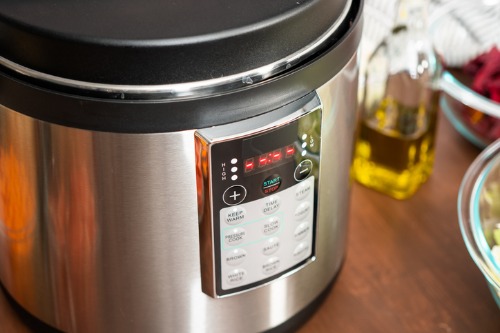
Before the rise of boutique appliance brands, West Bend was the humble hero of the American kitchen. Its percolators, slow cookers, and chrome-finished gadgets turned midcentury countertops into spaces of experimentation and comfort. The brand’s curvy silhouettes and brushed-metal finishes wouldn’t look out of place in a 2025 “retro-futurist” kitchen. As we blend nostalgia with high-tech convenience, West Bend’s warmth-first design philosophy feels ahead of its time.
West Bend embraced the idea that technology in the home should invite, not intimidate. Today’s smart coffee machines and connected cookware follow that same principle—making everyday rituals feel ritualistic again. The brand’s accessible innovation foreshadowed our current obsession with cozy efficiency. In many ways, West Bend set the emotional tone for the smart kitchen long before it went digital.
7. Dansk
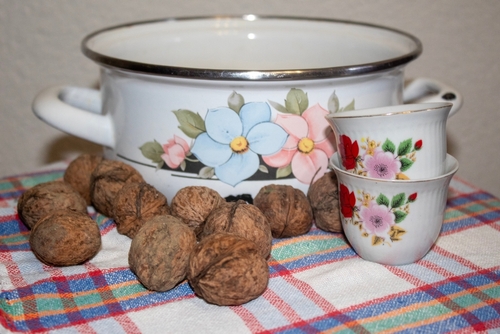
In the 1960s, Dansk brought Scandinavian design into American homes through enamel cookware and sculptural teak accessories. Their pieces were playful yet functional, with rounded handles and bold color blocking that broke away from traditional kitchen austerity. Today, those exact traits define the new wave of “soft modernism”—curves, color, and comfort merged with practicality. Dansk’s designs look like they were made for Pinterest mood boards in 2025.
Their philosophy of joyful utility anticipated how design now lives at the intersection of beauty and use. Even mass retailers like Target and HAY are channeling Dansk’s DNA—offering home goods that are both collectible and comforting. The resurgence of midcentury color palettes owes as much to Dansk as it does to furniture icons like Eames. In hindsight, Dansk made the everyday object emotional again, just as modern design tries to do now.
8. Alessi
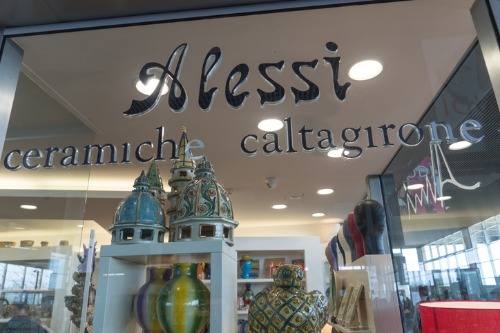
When Alessi’s whimsical Italian homeware took off in the 1980s, it looked like pure fun—cartoonish shapes, polished steel, and pops of color. But beneath the playfulness was a vision of the future: one where home objects would have personality and humor. Fast-forward to 2025, and that same emotional design thinking drives everything from smart home devices with faces to furniture that feels alive. Alessi saw no boundary between art and appliance, and that’s exactly where modern design now lives.
Their collaborations with designers like Philippe Starck and Michael Graves turned household products into conversation starters. Today, even tech companies borrow that sensibility—designing lamps, speakers, and cleaning robots that are expressive, not sterile. Alessi’s mission to make the ordinary delightful feels more relevant than ever. They didn’t just predict the look of 2025—they predicted its emotional intelligence.
9. Vornado
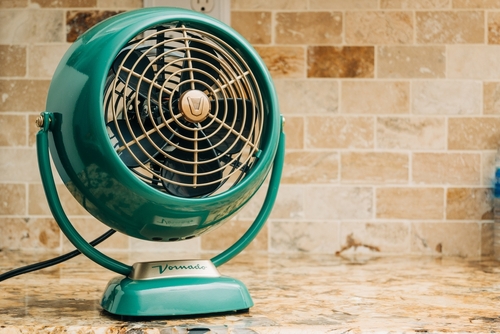
In the 1940s, Vornado invented air circulation for the home, but its aerodynamic design was straight out of a sci-fi dream. Those swirling metal grilles and compact, turbine-like forms looked futuristic decades before Dyson turned airflow into an art form. Now, as we move toward functional minimalism in 2025, Vornado’s smooth curves and matte finishes fit right back in. It’s no coincidence that climate-conscious design is rediscovering the beauty of efficient engineering.
Vornado’s fusion of physics and aesthetics feels like a blueprint for how we design appliances today. Energy-efficient fans, purifiers, and air systems all borrow that “form follows function” mindset. The brand’s legacy reminds us that sustainability doesn’t have to be plain—it can look thrilling. In an age obsessed with airflow and atmosphere, Vornado’s designs breathe again.
10. Pyrex
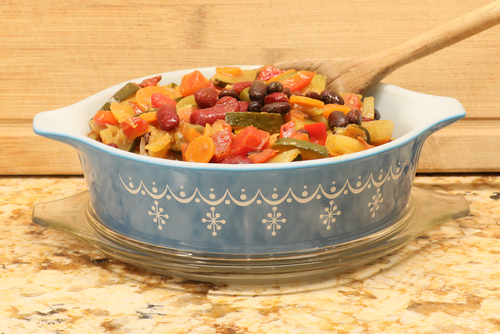
A century-old brand with laboratory roots, Pyrex brought transparency—literally and figuratively—into the kitchen. Its clear glass bowls and measuring cups made cooking visible, honest, and democratic. That ethos of openness mirrors the “transparent tech” trend of 2025, where materials and manufacturing are proudly on display. Pyrex made the process part of the aesthetic, just as smart homes now showcase how things work.
Its durability and modular storage designs also anticipated our zero-waste ambitions. In 2025, we celebrate objects that age well and adapt to new purposes—exactly what Pyrex has done for generations. The brand’s look and philosophy have quietly endured through minimal redesign. Pyrex didn’t just make glassware; it made a visual language for sustainable living.
11. Ethan Allen
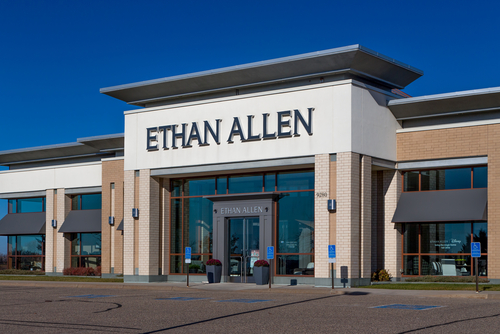
Long before the term “quiet luxury” hit TikTok, Ethan Allen was selling understated quality to middle-class America. Its solid wood furniture and clean, symmetrical lines were a counterpoint to disposable decor trends. In 2025, the market has swung back toward those same timeless values—investment pieces that age gracefully, not cheaply. Ethan Allen’s focus on craftsmanship over novelty feels newly radical.
The brand also mastered what we now call “heritage minimalism”—a style that balances warmth with restraint. Its neutral palettes and tactile fabrics could pass for the latest design drops from upscale minimalist brands. As consumers tire of fast furniture, Ethan Allen’s legacy looks prophetic. The future of home design, it turns out, was built on old-fashioned patience.
12. Formica
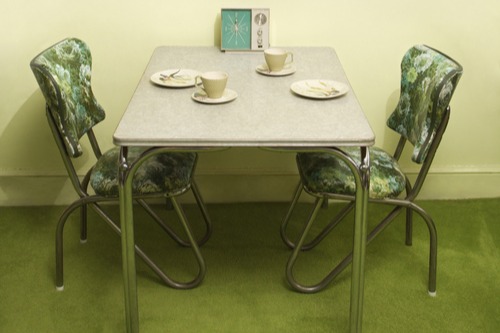
Yes, that laminate countertop company. Once dismissed as cheap and dated, Formica was actually one of the first brands to democratize design versatility. Its endless textures and patterns let homeowners mimic luxury materials without the cost, a philosophy that mirrors the modular, remixable interiors of 2025. Now, as digital fabrication and sustainable materials take center stage, Formica’s ethos of accessible creativity is suddenly back in fashion.
The brand’s playfulness with surface and illusion feels strangely high-tech now. Think 3D-printed wood grains, recycled terrazzo finishes, and digital wallpapers—all part of the same lineage. Formica understood early that home design could be expressive and attainable at once. What felt kitschy in the 1970s reads as pioneering in 2025’s design renaissance.
This post 12 Forgotten Brands That Accidentally Predicted the Aesthetic of 2025 was first published on Greenhouse Black.
