
1. Hanging Laundry to Dry
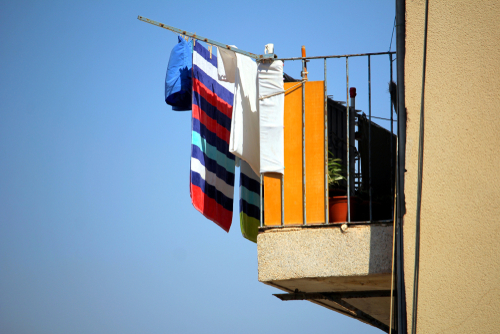
For decades, dryers were a status symbol—fast, convenient, and modern. But luxury homeowners are rediscovering the art (and scent) of air-dried linens. Line drying reduces fabric wear, uses zero electricity, and gives that crisp, fresh smell no detergent can replicate. Some designers are even installing dedicated drying verandas or indoor racks as eco-luxury features.
Part of the revival is aesthetic—bamboo racks and wrought-iron pulley systems are being designed to look beautiful, not utilitarian. There’s also a sustainability angle: luxury buyers increasingly want homes that feel less wasteful. Air drying saves hundreds of kilowatt-hours a year and preserves delicate fabrics like linen and silk. It’s a small ritual that feels mindful and indulgent at the same time.
2. Keeping a Larder or Pantry

In older homes, the pantry was the heart of domestic order. Today, high-end kitchens are once again being built around butler’s pantries and walk-in larders. These spaces offer storage for bulk goods, serveware, and small appliances—keeping the main kitchen minimal and elegant. It’s a return to form and function, and a subtle nod to classic European country estates.
Modern pantries are now temperature-controlled, fitted with wine racks, marble prep counters, and smart shelving. Homeowners love the sense of abundance and organization. The trend reflects a shift toward more in-home entertaining and cooking from scratch. It’s luxury through practicality rather than showmanship.
3. Growing Kitchen Gardens
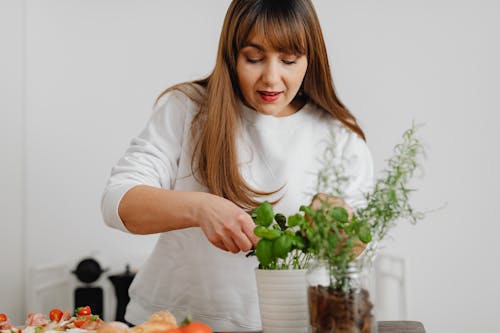
Once seen as old-fashioned, kitchen gardens are now hallmarks of high-end living. With chefs and wellness influencers touting the benefits of fresh, homegrown produce, more estates are designing culinary gardens right outside the kitchen door. From raised beds to hydroponic walls, the setups can be both productive and beautiful. The pandemic also reignited interest in self-sufficiency and seasonal eating.
Homeowners aren’t doing it alone—many hire horticulturalists to manage planting cycles. It’s about flavor and freshness, but also mindfulness and connection to nature. Luxury developers have taken note, offering community garden plots as an amenity. Growing your own basil or heirloom tomatoes has become a quiet symbol of refinement.
4. Using Real Table Linens
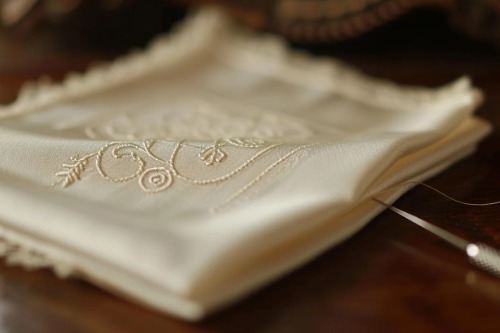
Paper napkins were once the height of convenience, but fine homes are embracing cloth again. Linen or cotton napkins instantly elevate a meal and reduce waste. Designers are seeing a surge in custom monogrammed linens and heirloom-quality tablecloths. It’s about bringing ceremony back to everyday dining.
The tactile quality of real linen creates a sensory experience that can’t be replicated with disposables. Hosts say it encourages slower, more intentional meals. High-end homeowners appreciate the sustainability factor as well—reusable, natural fibers age beautifully over time. In essence, it’s a return to grace and texture over ease.
5. Polishing Silverware
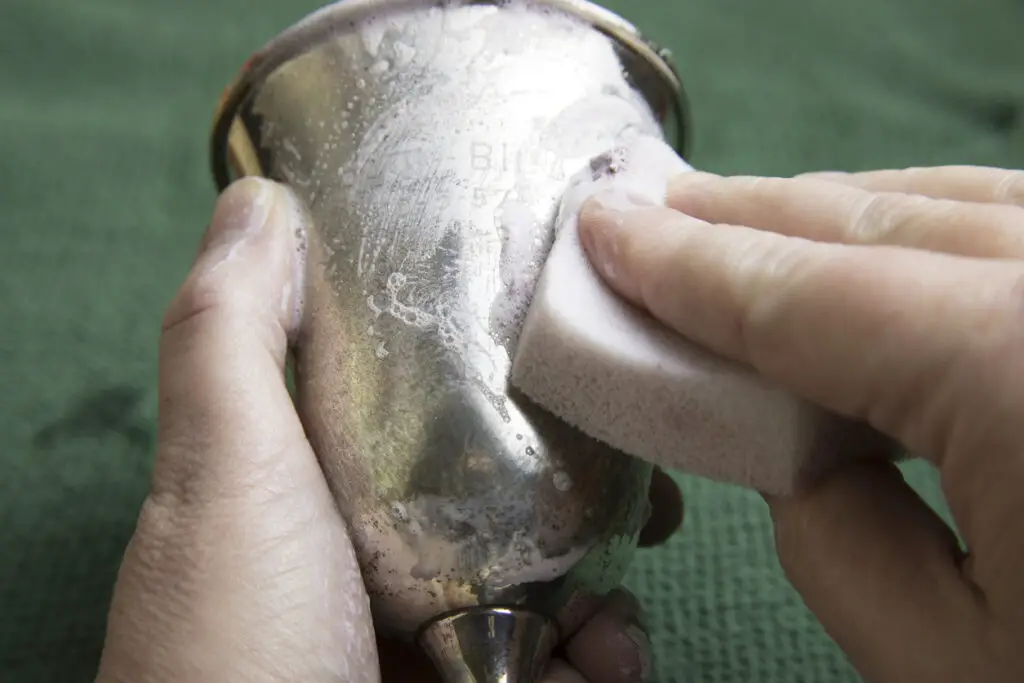
Polishing silver might sound like a relic of a bygone era, but it’s making a quiet comeback. Many affluent households now view it as a meditative ritual rather than a chore. Heirloom flatware and serving pieces are resurfacing as statement items at dinner parties. The gleam of real silver adds a warmth that stainless steel simply doesn’t.
Brands producing silver polishes and cloths report increased sales among design-conscious consumers. Some homeowners even enjoy the “patina management” aspect—keeping silver luminous without erasing its age. It’s a tactile link to family history and traditional hospitality. In a digital world, these tangible tasks feel grounding.
6. Ironing Bed Linens
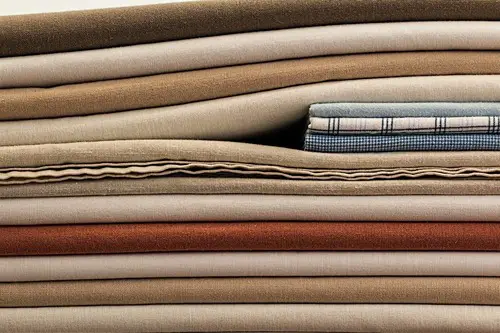
Luxury hotels have long ironed their sheets, and now homeowners are following suit. Crisp, ironed bedding signals care and indulgence. High-thread-count cotton and linen sheets benefit from a quick press—they drape better and feel smoother against the skin. It’s an old domestic standard being revived for comfort’s sake.
Some high-end homes even include built-in ironing stations or professional presses. The practice is less about perfection than about ritual and sensory pleasure. There’s also a visual reward: a bed that looks pulled-together and serene. It’s another way luxury meets mindfulness through small, tactile gestures.
7. Keeping Houseplants for Air Quality
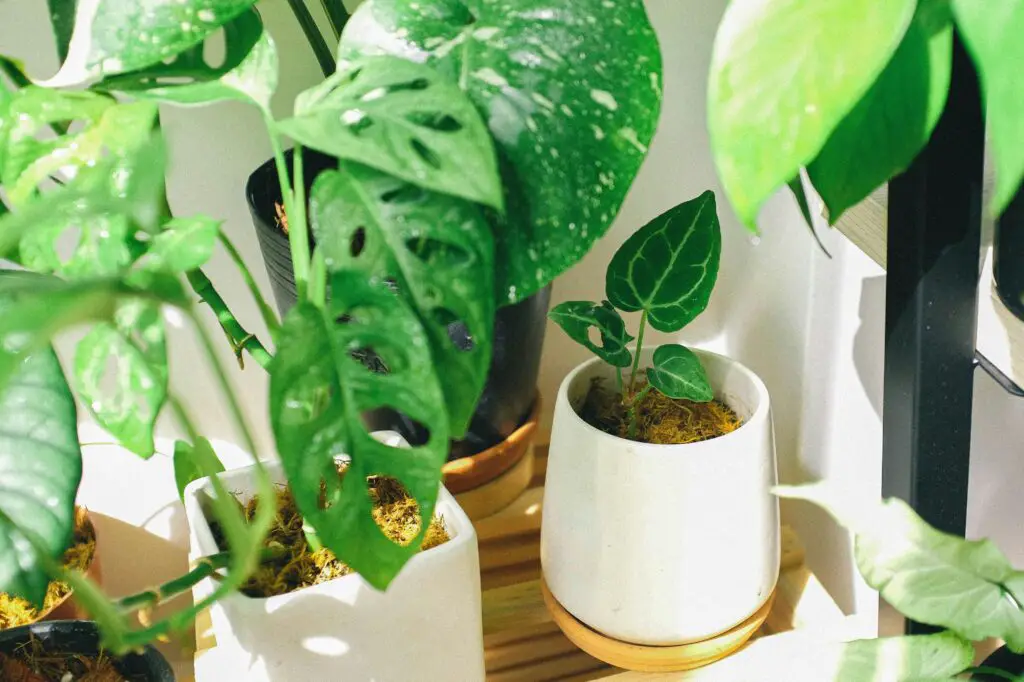
While houseplants never fully went away, their purpose has shifted from décor to wellness. NASA studies decades ago highlighted their ability to filter indoor air, and that science is back in the spotlight. High-end homes now feature curated plant collections chosen for purification—think peace lilies, ferns, and rubber trees. The result is both beautiful and functional.
Designers integrate these green features into biophilic interiors, blending architecture and nature. Plant maintenance services have become a luxury offering in themselves. Beyond aesthetics, it’s about health, calm, and environmental consciousness. In a sense, the “parlor fern” has gone high-tech.
8. Displaying a China Cabinet
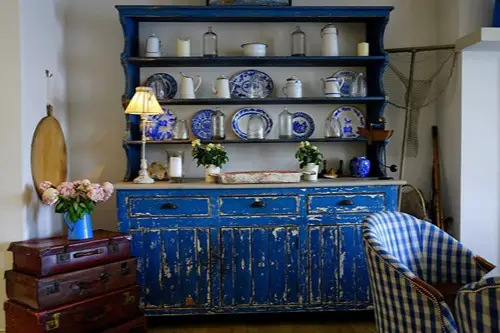
China cabinets were once a staple of domestic pride, then fell out of fashion as open shelving took over. Now, they’re being reimagined as glass-fronted showcases for curated collections. Instead of crowded displays, modern homeowners opt for minimalist arrangements—mixing heirloom porcelain with artisanal ceramics. It’s nostalgia, edited for modern tastes.
Interior designers see it as part of a broader appreciation for craftsmanship. Collecting and displaying tableware has become an aesthetic statement again. Many people find joy in owning fewer but better pieces. It’s a slow-living response to the era of mass-produced everything.
9. Keeping a Home Library or Reading Room
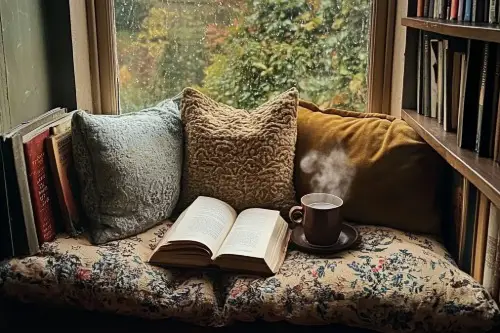
The home library is quietly returning, even in the age of screens. Architects are designing small, intimate reading nooks with built-in shelving and soft lighting. It’s about creating a mental retreat—a counterbalance to open-concept living. Books add texture and warmth that digital devices can’t.
Buyers see libraries as emotional and intellectual investments. They signal a certain calm luxury, not just wealth. Leather armchairs, wool rugs, and curated book collections all contribute to that timeless appeal. It’s a way to show taste without ostentation.
10. Making Homemade Cleaning Solutions
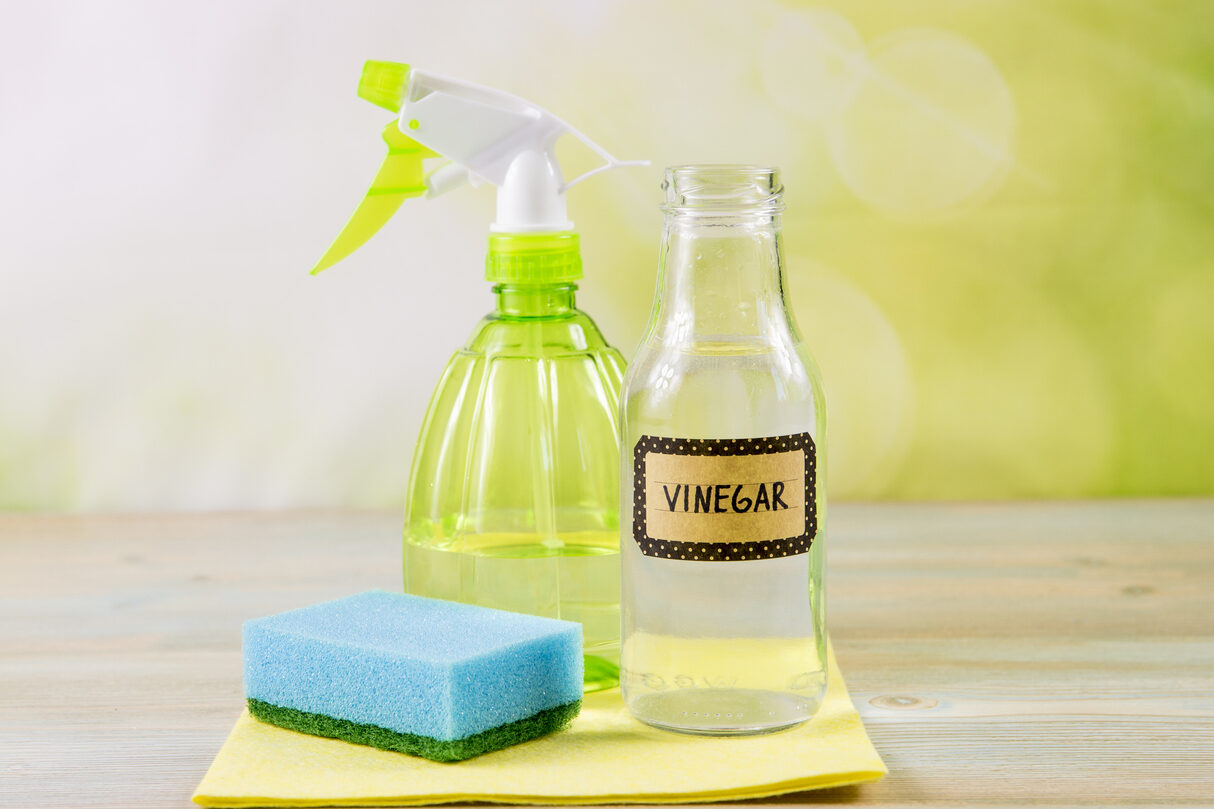
Grandmothers used vinegar and baking soda for everything—and now, so do high-end homeowners. Natural cleaning is back, driven by health and environmental awareness. Luxury homes are using glass spray bottles and essential oils in place of chemical cleaners. It’s sustainable and chic at once.
Some households even hire “eco-stewards” to manage green cleaning regimens. The shift aligns with the wellness movement that values purity and authenticity. It’s less about saving money, more about controlling one’s environment. What was once frugality has become sophistication.
11. Hosting Afternoon Tea
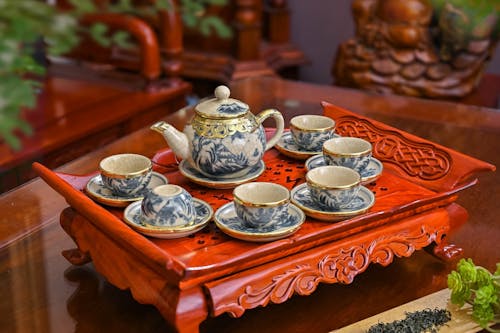
Formal tea service used to be an everyday event in refined homes. Now, the ritual is returning as a form of social slowdown. High-end homeowners are collecting vintage teapots and tiered trays, hosting small gatherings centered around conversation. It’s elegance in miniature—structured but relaxed.
Cafés may serve “high tea,” but at home, it feels more personal. Tea rituals connect people to heritage and hospitality. There’s also a design angle: tea setups photograph beautifully and express individuality. It’s the new dinner party, just earlier in the day.
12. Rotating Seasonal Wardrobes
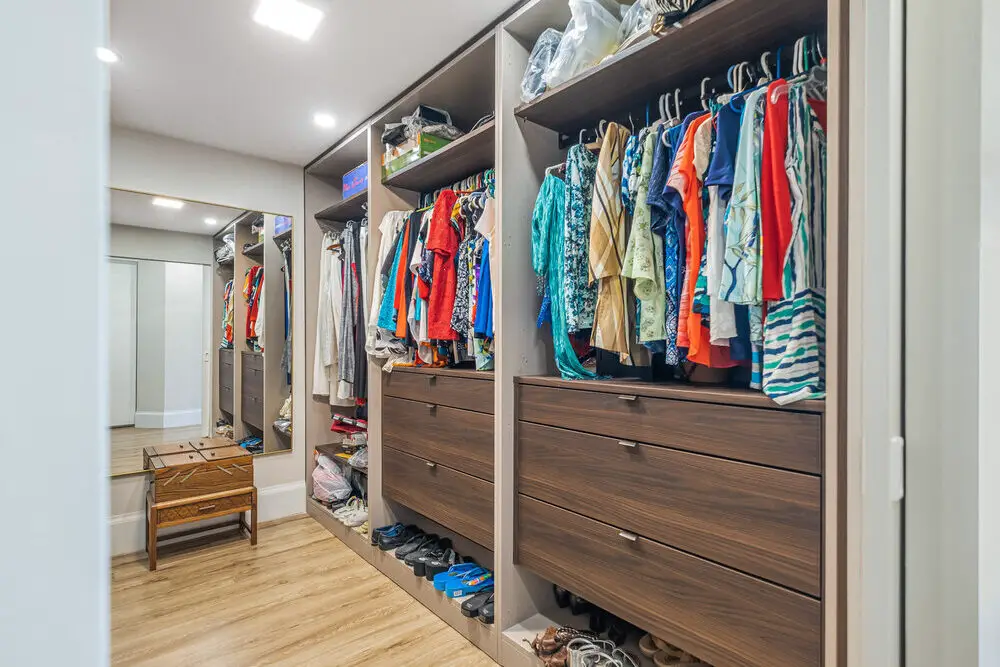
Decades ago, people swapped out clothes by season, carefully storing off-season items. The habit faded with fast fashion and large closets—but it’s back among luxury homeowners. Rotating wardrobes helps preserve fabrics and encourages mindful dressing. It also creates a sense of novelty and order.
High-end closet designers now build storage for this purpose, with cedar drawers and climate control. It’s about care and curation rather than accumulation. The process feels ceremonial—like resetting the tone for a new season. In a world of abundance, limitation feels luxurious.
13. Using a Clothes Brush
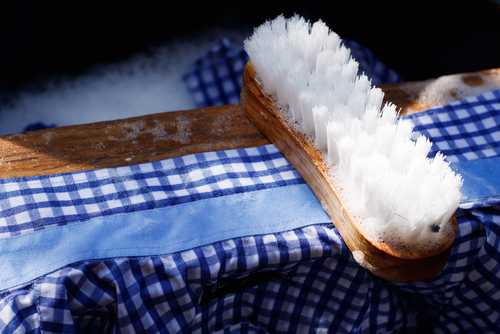
Before lint rollers, every household had a good clothes brush. Today, that little tool is making a comeback among those who invest in quality fabrics. Brushing extends the life of wool, cashmere, and tweed by removing dust without damaging fibers. It’s a gentler, more sustainable alternative to constant dry cleaning.
Fashion houses and tailors have helped revive the practice, emphasizing garment care as part of luxury ownership. It’s a small act of respect for craftsmanship. Plus, brushing clothes feels strangely soothing—a quiet, intentional gesture that slows you down. Like many old habits returning, it’s as much about mindset as maintenance.
This post 13 Forgotten Domestic Habits Making a Comeback in High-End Homes was first published on Greenhouse Black.
