
1. Westinghouse Electric Corporation
For much of the 20th century, Westinghouse was a pillar of the American home, even if its name feels quieter today. The company started in the 1880s and became synonymous with reliable appliances, radios, and later televisions. Families often bought Westinghouse refrigerators and ranges when they first moved into a house, trusting the brand’s engineering roots. That kind of trust turned a purchase into a tradition.
Westinghouse also built its reputation through innovation, from early electric power systems to household appliances that felt modern and aspirational. Its sponsorship of events and exhibits, including at world’s fairs, reinforced the idea that it stood for progress. When parents recommended Westinghouse to their children setting up their first kitchens, it wasn’t just about features. It was about buying from a name that had powered American life for decades.
2. Zenith Electronics

There was a time when having a Zenith television in your living room felt like a badge of honor. Founded in 1918, Zenith became known for high-quality radios and later TVs that were proudly marketed as “The quality goes in before the name goes on.” That slogan stuck, and so did customer loyalty. Households often replaced one Zenith set with another because the first one had lasted so long.
Zenith was also a technological pioneer, contributing to developments in remote controls and color television. For many families, their first experience of major national events, from moon landings to Super Bowls, came through a Zenith screen. The brand’s reputation for durability made it feel dependable in a fast-changing electronics market. Even as ownership changed over time, the emotional loyalty built in mid-century America lingered.
3. Tupperware Brands
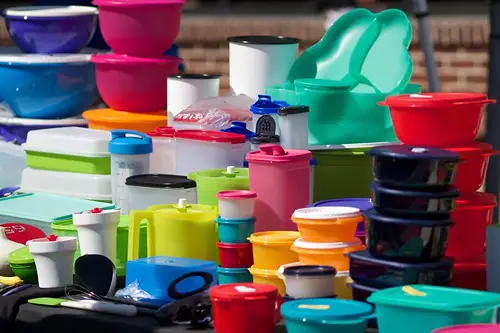
Tupperware wasn’t just a kitchen product; it was a social ritual. Founded in 1946, the company revolutionized food storage with airtight plastic containers that genuinely kept leftovers fresh longer than earlier options. But what really cemented generational loyalty were Tupperware parties, where neighbors gathered to see demonstrations and place orders. Buying Tupperware often meant supporting a friend or relative who was hosting.
The brand’s durability became legendary, with bowls and lids surviving decades of use and countless dishwashers. Many people can still identify a Tupperware container by touch alone. Mothers passed full sets down to their children, sometimes with lids that still snapped tight after 30 years. That kind of longevity built a loyalty rooted in everyday life, not flashy advertising.
4. CorningWare

When CorningWare launched in 1958, it introduced a new material called Pyroceram that could move from freezer to oven without cracking. That versatility felt almost magical to mid-century home cooks. The iconic white dishes with blue cornflower patterns became staples at family dinners and potlucks. Owning a full set signaled that your kitchen was both modern and practical.
CorningWare pieces were wedding gifts, housewarming staples, and holiday workhorses. Because they were so durable, families often used the same casserole dishes for decades. Recipes were memorized in relation to a specific CorningWare dish size, not just measurements. That deep integration into daily cooking routines is what turned a cookware line into a generational touchstone.
5. Stanley Home Products

Long before online shopping, Stanley Home Products built loyalty through in-person demonstrations. Founded in 1931, the company sold cleaning supplies and household items through home parties, much like Tupperware would later do with food storage. The sales model created personal relationships between representatives and customers. Buying Stanley products felt like supporting someone in your own community.
The brand was known for concentrated cleaners and practical tools that promised to make housework easier. During the mid-20th century, many households relied on Stanley’s mops, brushes, and detergents. Because orders were often placed through a familiar face, customers returned again and again. That direct, relational approach built trust that lasted across generations.
6. Hoover Company
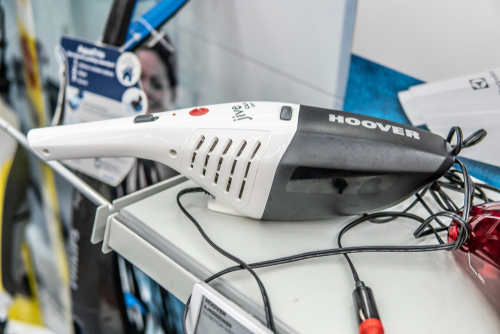
For decades, “Hoover” was practically synonymous with vacuuming in many American homes. Founded in 1908, the company became a dominant force in upright vacuum cleaners. Its machines were marketed as powerful, durable, and essential to maintaining a clean, modern household. Many families bought one Hoover and stuck with the brand for years.
Hoover reinforced loyalty through repair services and readily available replacement parts. Instead of tossing a broken machine, households often fixed it. That repair culture made the brand feel like a long-term investment rather than a disposable appliance. When children grew up and moved into their own apartments, a Hoover vacuum was often on their must-buy list.
7. Pyrex
Pyrex became a kitchen staple almost as soon as it was introduced in 1915, thanks to its borosilicate glass that could go from oven to table with ease. Families quickly learned that these clear, durable dishes didn’t just bake well — they survived everyday life. From mixing batter for Sunday dinners to storing leftovers for school lunches, Pyrex pieces were used again and again, often for decades. The sight of a Pyrex casserole dish filled with a favorite comfort food became a visual shorthand for “home.”
Because Pyrex dishes are still widely found in cabinets (and sometimes thrift stores) today, they carry emotional weight beyond their functionality. Parents passed them down to children who remembered them fondly from childhood holidays and family meals. The fact that these pieces were utilitarian and nostalgic helped build loyalty that spans generations. Pyrex wasn’t just glassware — it was part of family routines and memories.
8. Sears, Roebuck and Company
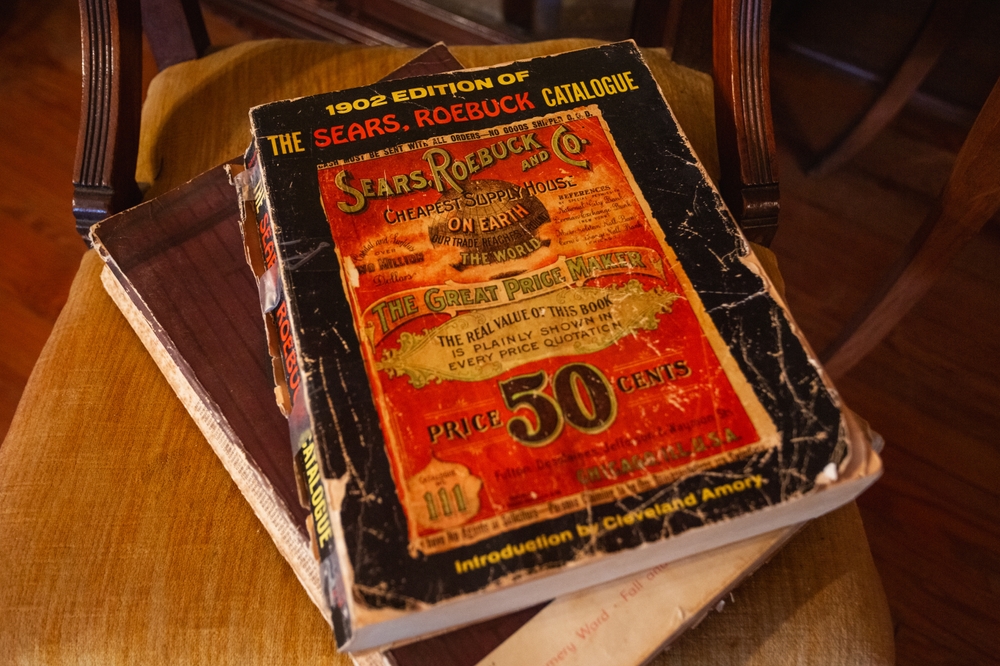
Before big-box stores and online retail, Sears was a lifeline for American households. Founded in 1893, the company’s mail-order catalog brought everything from clothing to appliances to rural and urban homes alike. Families would flip through its thick pages together, circling items and planning purchases. It wasn’t just shopping; it was an event.
Sears-branded products, including Kenmore appliances and Craftsman tools, became household standards. Because the catalog reached nearly every corner of the country, brand familiarity was widespread. Generations trusted Sears for major purchases like washing machines and lawn equipment. That trust, built over decades of dependable service and broad selection, created loyalty that outlasted the catalog era.
9. Sunbeam Products
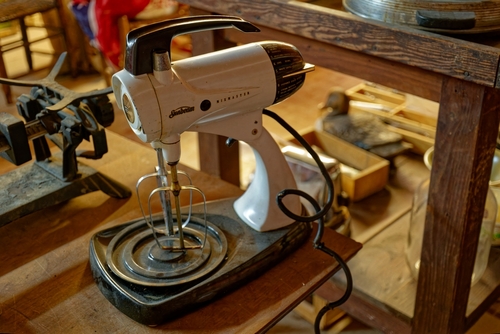
Sunbeam carved out a place in American kitchens with small appliances that felt both stylish and sturdy. Founded in 1910, the company became known for mixers, toasters, and electric blankets. Its stand mixers were especially popular before competitors dominated the category. Many home bakers swore by the consistent performance of a Sunbeam.
The brand’s products were often wedding gifts or holiday presents, tying them to meaningful life moments. Because small appliances are used frequently, reliability mattered. When a Sunbeam toaster worked flawlessly for years, that experience shaped future buying decisions. Parents often recommended the brand based on lived experience, not marketing hype.
10. Revere Ware
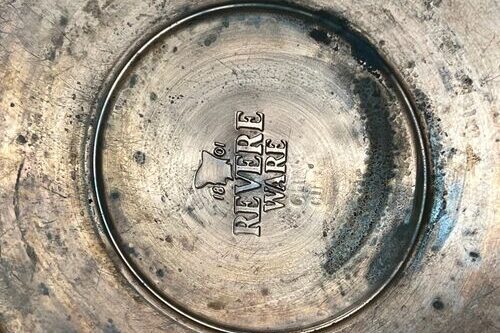
Revere Ware became a staple in mid-century American kitchens with its copper-bottomed stainless steel pots and pans. Introduced in 1939, the brand emphasized even heating and long-lasting construction. The shiny metal and visible copper base made the cookware instantly recognizable. Many households bought full matching sets that stayed in rotation for decades.
Because the cookware was so durable, it often survived moves, remodels, and generational hand-me-downs. Cooking family recipes in the same Revere Ware saucepan year after year created emotional attachment. The brand also leaned on its historical namesake, Paul Revere, to evoke American heritage. That mix of function and symbolism helped build loyalty that extended well beyond a single purchase.
11. Amana Corporation
Amana earned a devoted following with refrigerators and other major appliances that prioritized reliability. Founded in 1934, the company introduced one of the first upright freezers for home use in 1947. That innovation addressed a real need for food preservation in postwar America. Families who invested in an Amana freezer often stayed with the brand for other appliances.
The company later became widely known for developing the first commercially successful microwave oven for home use, the Radarange. Being associated with practical innovation gave Amana credibility. When an appliance lasted 15 or 20 years, it shaped brand perception in a powerful way. Over time, that track record translated into generational loyalty rooted in everyday performance.
This post Forgotten Household Brands That Built Generational Loyalty was first published on Greenhouse Black.
