
1. Frigidaire
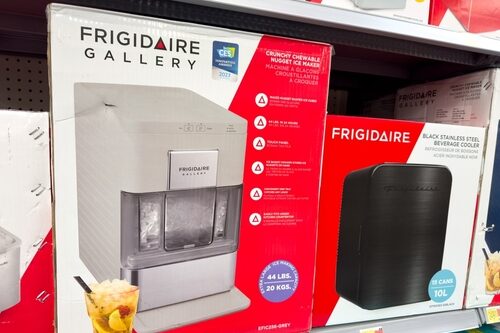
Frigidaire played a major role in bringing refrigeration into everyday American life. Founded in 1918, the company became one of the earliest and most influential refrigerator manufacturers. At one point, the brand name was so dominant that people used “Frigidaire” as a generic word for a refrigerator. That kind of cultural impact is rare.
The reputation stuck because Frigidaire appliances were considered reliable workhorses. Families depended on them for decades of uninterrupted cooling. Even as the appliance market grew crowded, the brand kept its image as a dependable classic. When people hear “Frigidaire,” they still think of old-school appliance reliability.
2. Pyrex
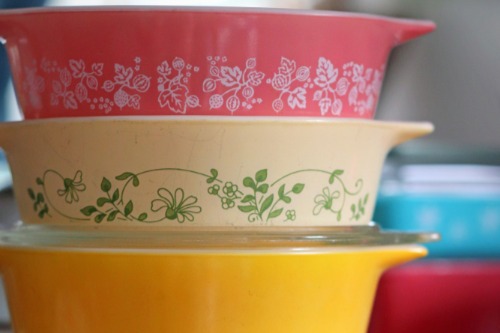
Pyrex has been sitting quietly in American cupboards since the early 20th century, and somehow it still feels essential. Introduced by Corning in 1915, the heat-resistant glass cookware changed how people baked and stored food. The brand became famous for sturdy measuring cups, casserole dishes, and mixing bowls that could go from oven to table. For many families, a kitchen without Pyrex just feels incomplete.
What keeps Pyrex relevant is trust built over generations. People know exactly what they’re getting: thick glass, clear measurements, and dependable performance. Vintage collectors even hunt for colorful mid-century Pyrex bowls, proving the brand has cultural cachet as well as practicality. When a baking dish survives fifty years of holiday dinners, it earns its reputation.
3. CorningWare

CorningWare earned its place in American kitchens thanks to a happy accident in materials science. In the late 1950s, Corning scientists discovered a glass-ceramic material called Pyroceram that could withstand extreme temperature changes. That innovation led to the famous white casserole dishes with blue cornflower designs. For decades, those dishes appeared at potlucks, church dinners, and Thanksgiving tables.
The reason CorningWare still holds a special reputation is its near indestructibility. People joke that you can drop it, freeze it, bake it, and serve from it without worry. Vintage pieces from the 1960s and 1970s are still used daily, which says a lot about the engineering behind them. Even as kitchen trends change, CorningWare keeps proving that simple durability never goes out of style.
4. Sunbeam
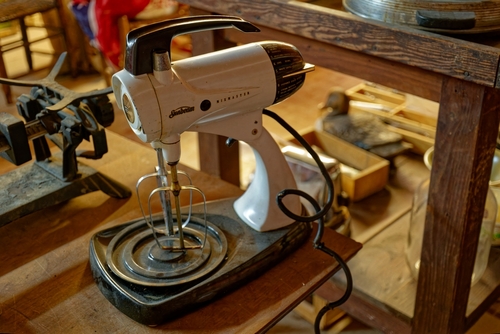
Sunbeam was once one of the most recognizable appliance brands in America. Founded in the late 19th century, the company became famous for household tools like electric mixers, toasters, and the iconic Sunbeam Mixmaster. By the mid-20th century, Sunbeam appliances were wedding gifts and kitchen staples. The brand symbolized modern convenience in the postwar home.
While Sunbeam no longer dominates the appliance market the way it once did, its legacy still carries weight. Vintage Mixmaster mixers remain collectible and often still function perfectly. That longevity helped cement the idea that Sunbeam products were built to last. Even today, when someone spots an old Sunbeam appliance, it tends to spark a little nostalgic respect.
5. Westinghouse
Westinghouse used to be one of the biggest names in American industry, touching everything from electricity to kitchen appliances. Founded by inventor George Westinghouse in the 1880s, the company helped shape the modern electrical world. For decades, Westinghouse refrigerators, stoves, and small appliances were common in American homes. The brand name stood for engineering credibility.
Even though Westinghouse’s original company structure changed dramatically over time, the name still carries authority. It appears today on a range of licensed products, from electronics to appliances. That lingering recognition comes from more than a century of technological influence. People may not see Westinghouse everywhere anymore, but they still associate it with solid engineering.
6. Kenmore
Kenmore was once practically synonymous with dependable home appliances in the United States. The brand was introduced by Sears in 1913 and eventually appeared on everything from washing machines to refrigerators. For decades, Kenmore appliances were among the most widely sold in the country. Many households simply trusted the name without much comparison shopping.
The reputation persists because Kenmore products were often manufactured by well-known appliance companies behind the scenes. That meant customers were frequently getting high-quality engineering with a familiar store label. Even after Sears declined, plenty of Kenmore appliances continued running reliably in homes. That kind of real-world longevity helps keep the brand’s reputation alive.
7. Maytag
Maytag built an entire identity around reliability. The company, founded in 1893, became famous for washing machines that seemed nearly impossible to break. Its long-running “lonely repairman” advertising campaign reinforced the idea that Maytag appliances rarely needed fixing. For decades, that image stuck in the public imagination.
Even today, Maytag’s reputation for durability still echoes in conversations about appliances. Older machines from the brand are often remembered as workhorses that lasted decades. That kind of long-term performance builds trust that marketing alone can’t create. When people talk about dependable washers, Maytag still enters the conversation.
8. Hoover
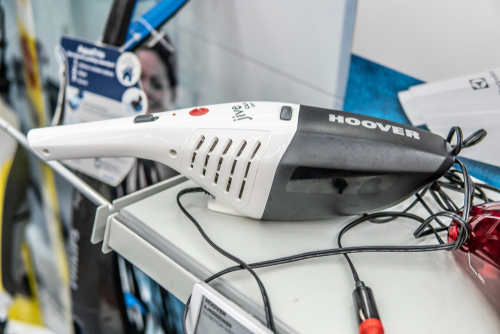
Hoover helped turn vacuuming into a household routine. The company, founded in Ohio in the early 1900s, popularized upright vacuum cleaners across the United States. Its machines were so widely adopted that “to hoover” even became slang for vacuuming in some places. That level of brand recognition doesn’t fade easily.
The brand’s reputation comes from decades of dependable cleaning tools. Older Hoover vacuums were known for being sturdy and repairable rather than disposable. Many families used the same machine for years, sometimes decades. That experience left a lasting impression about the brand’s reliability.
9. Oster

Oster carved out its place in American kitchens with one simple promise: powerful blending. The company’s blenders, especially the Osterizer introduced in the 1940s, became common fixtures on countertops. They were known for crushing ice, mixing drinks, and surviving years of heavy use. That practicality helped build loyalty among home cooks.
Even now, Oster blenders are often remembered as nearly indestructible. Many vintage units from the 1960s and 1970s still work with their original glass jars. The design was straightforward, which made maintenance easy and parts replaceable. That combination of power and simplicity helped preserve the brand’s reputation.
10. Tupperware

Tupperware once felt like the center of the kitchen universe, especially if you grew up hearing stories about those legendary living-room sales parties. The brand became famous in the 1950s and 1960s for airtight plastic containers that actually kept leftovers fresh. Even as the company struggled financially in the 2020s, the name “Tupperware” remained shorthand for food storage in many American homes. That kind of linguistic staying power is hard for any brand to lose.
Part of the reason Tupperware still commands respect is the durability of its products. Plenty of people still use containers their parents bought decades ago, which quietly proves the company’s original pitch. The design—tight lids, stackable shapes, and reliable plastic—set a standard that competitors copied for years. Even if people buy other brands today, they still judge them against the old Tupperware benchmark.
11. Stanley

Stanley has been quietly earning loyalty since 1913 with one simple product: the vacuum-insulated steel bottle. Inventor William Stanley Jr. combined insulation technology with rugged steel construction to create a nearly indestructible thermos. The bottles became favorites among workers, campers, and travelers. Over time, they turned into an American icon of durability.
What keeps Stanley’s reputation alive is the sheer toughness of its products. Stories circulate about bottles surviving decades of daily use on job sites or road trips. Many people inherit old Stanley thermoses from parents or grandparents that still function perfectly. That kind of real-world endurance keeps the brand’s legacy strong.
This post Forgotten Household Brands That Refuse to Lose Their Reputation was first published on Greenhouse Black.
