
1. Early Comic Books in Graded High Condition
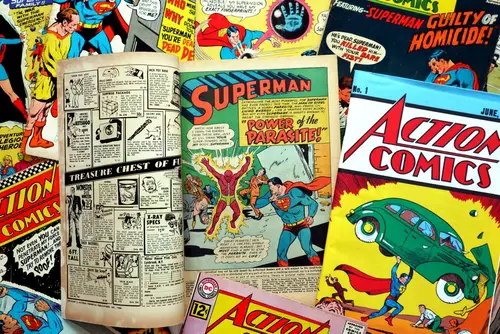
Collectors love “key issue” comics (first appearances, rare covers) especially when they’re in high grades (e.g. CGC 9.8). But comics are fragile by nature—paper degrades, covers bend, sewing loosens—so the number of comics from the Golden Age or early Silver Age in top shape is very small. Auction houses often receive many damaged copies, but rarely that perfect gem. When a high-grade copy of a landmark issue does appear, bidders converge rapidly.
Because so many classic comics are already in private collections that never sell, new entries are scarce. And comic collectors are highly competitive and well-networked, so word spreads fast and the auction supply is exhausted almost immediately.
2. First Edition Rare Books

First editions in pristine condition—especially of landmark works or restricted print runs—are perennially coveted. Big auction houses often accept only exceptional examples, meaning there’s never a steady pipeline of “just okay” copies to fill catalog gaps. Even when someone does consign a rare first edition, it tends to be snapped up by institutional buyers or serious collectors quickly. Over time, many copies deteriorate or vanish into private libraries, making good condition ones even rarer.
Another factor: many rare books are already off the market (in libraries, foundations, estates), so the ones that are available are hot property. Auction houses also like to promote “fresh to market” first editions, meaning the moment one is publicly consigned it becomes a headline lot. That speed in turnover means they simply can’t keep them in stock.
3. Vintage Musical Instruments (especially violins and bows)
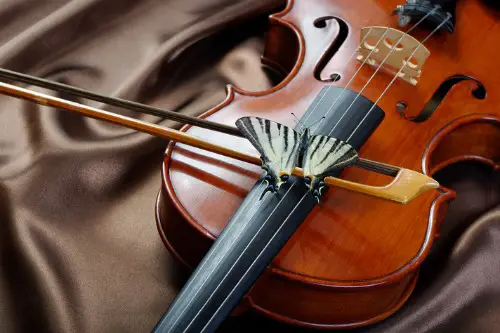
Specialist houses like Tarisio focus exactly on this kind of stuff for a reason—there’s both passion and urgency in the market. Fine violins and bows made by notable makers (Stradivari, Guarneri, etc.) that are in playable condition are almost always in demand. Auction houses say instruments with strong provenance and excellent condition are among their fastest-moving categories. Once one appears, musicians, collectors, and dealers all circle.
Also, many prized instruments are in use or held by institutions, so they seldom reach public sale. The supply is inherently limited. Thus when an instrument surfaces, it’s often whisked away before many bidders even see it in person.
4. Signed Photographs from Iconic Moments
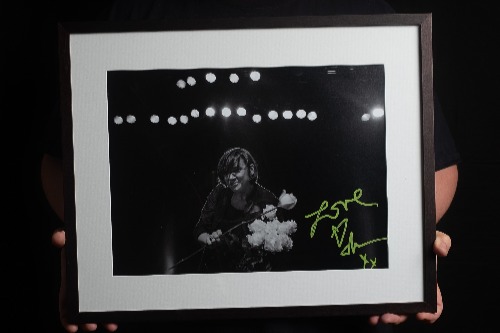
A photo of, say, a musician shaking hands with a president, signed by both, or a famous scene from historical drama—all these combine visual, historical, and autograph appeal. These tend to sell quickly because they satisfy multiple collector interests at once. Auction houses often report that signed photos from defining 20th-century moments attract serious bidding wars. Because not many survive in good condition, and because many are stuck in family archives, supply is thin.
Also, photographic prints fade, or inscriptions degrade over time, making the surviving high-quality ones rarer still. So when one does come up, especially preserved under optimal conditions, it goes fast.
5. Autographed Handwritten Letters
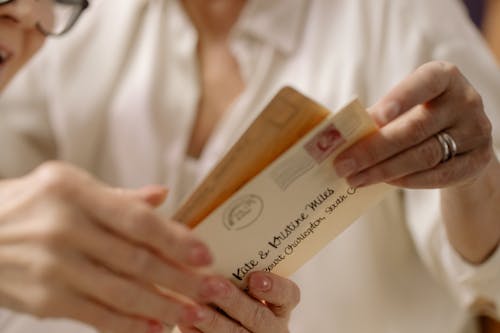
You’d think letters are old hat—but a genuine, well-preserved autograph from a major figure (e.g. a signed Lincoln letter, Mozart letter, or a rare correspondence) often draws fierce competition. Auction houses frequently remark that these fly off the shelves, especially when provenance is clear and the handwriting is legible. Dealers and collectors often wait in limbo for even one new example to appear, because many existing ones are locked in museums or private collections. So when one surfaces, it rarely lasts long.
Once that kind of item is cataloged, marketing teams push it hard, and speculators jump in, anticipating a bidding war. That causes the supply to dry up almost instantly. Also, many autographed items are so fragile they never leave archives, further limiting circulation. In short: scarcity + demand = vanishing fast.
6. Scientific Instruments from 18th–19th Century
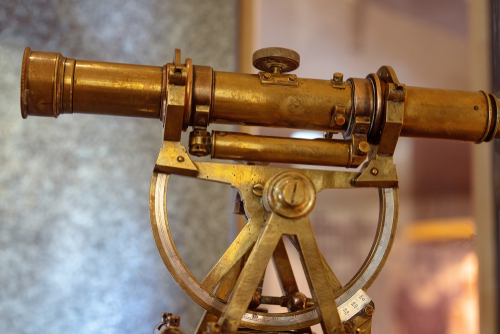
Think antique microscopes, sextants, astrolabes, early telescopes—with maker’s marks and original parts intact. These items appeal both to scholars and to decorative collectors. Auction houses with departments for scientific instruments often say their standout pieces are under constant campaign. When one in good working or display condition appears, it rarely languishes in inventory.
Moreover, many of these instruments are held in universities, observatories, or science museums (and typically not for sale). The ones that were privately held are often passed down, not sold. So when someone parts with one, it’s a rare occurrence.
7. Mechanical Automata & Clocks
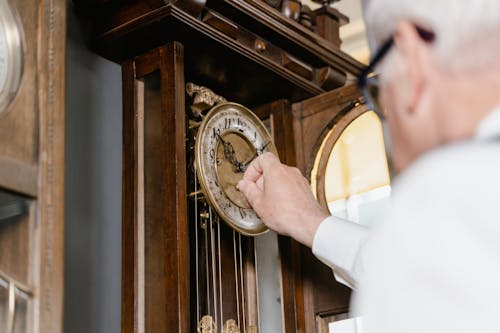
These are elaborate, intricate, and often monopolized by a few expert restorers and collectors. Clocks and automata with original mechanisms, signed by known makers, sell remarkably quickly at auction. They draw interest from both horologists and decorative arts collectors. Because they require care, and many have been dismantled over time, surviving functioning examples are few.
When one is fully operational and documented, it becomes a “star lot” that auction houses can build a catalog around. That means it gets spotlighted—and then sold—before it ever sits long in inventory.
8. Designer Furniture from Mid-Century Masters

High-quality pieces by designers like Charles and Ray Eames, Finn Juhl, or Jean Prouvé in original condition are in constant demand. Auction houses note that for iconic pieces in untouched condition, they seldom have more than a few in hand. When a well-preserved piece surfaces, dealers and collectors pounce, especially internationally. Many mid-century enthusiasts are actively sourcing these, making the turnover very fast.
Part of the issue is that many vintage furniture pieces deteriorate or get heavily restored, losing premiums. So the few remaining high-fidelity examples are the ones that keep moving.
9. Rare Gemstone Specimens & Mineral Crystals

Collectors and museums treasure fine mineral specimens—perfect crystals, unusual combinations, big sizes with excellent clarity or color. Auction houses that specialize in minerals testify that top-tier specimens often sell immediately. Many of these come from limited or now-exhausted mines, so fresh supply is negligible. When a “showpiece” crystal or rare combination is consigned, it almost never lingers.
Also, serious mineral collectors only buy from trusted houses, so when one catalog features something exceptional, many buyers converge. That concentrated demand helps swallow the supply at once.
10. Historical Maps & Atlases (especially early world maps)

Maps from the Age of Discovery or early cartography (16th–18th centuries), especially in strong condition and with full color, are rare. Many such maps are locked in institutional or archival collections. Auction houses often see these as marquee lots and promote them heavily, which means they seldom remain in stock long. Collectors love these for both historical and aesthetic value, making bidding fierce.
Color fading, tearing, restoration, and missing margins reduce value, so clean examples are scarce. Thus, when an unblemished early world map appears, it moves fast.
11. Vintage Wristwatches by Independent Makers
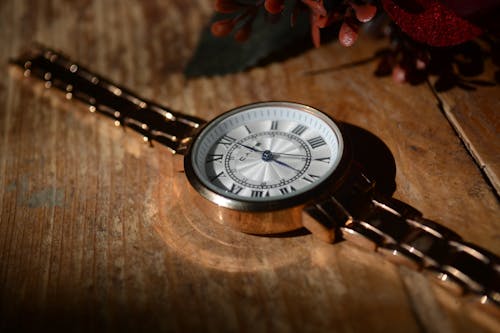
While Rolex, Patek Philippe, and Omega dominate, there’s a rising interest in independent makers (e.g. Philippe Dufour, independents from the 1980s) whose output was tiny. Auction houses note that pristine examples from niche craftsmen are snatched up quickly. Because few were made, and many have been modified or lost, the clean survivors are in high demand. The combination of mechanical excellence and rarity makes these irresistible.
Also, watch collectors are intensely networked and watch catalogs closely, so as soon as one appears it gets buzz. That leads to fast turnover.
12. Original Movie Posters (especially early or international)

Original theatrical posters—especially of classic films, in first variant prints or from foreign markets—often vanish fast. Auction houses specializing in movie memorabilia say they rarely get enough supply. The ones in excellent condition (vivid color, minimal creases, full margins) attract both film buffs and design collectors. Once a clean early poster shows up, serious bidders converge.
Many posters were discarded or damaged over time, so surviving ones are rare. And because the movie-collecting community is global, competition intensifies quickly.
13. Antique Scientific & Mathematical Manuscripts

Handwritten lecture notes, drafts, or unpublished manuscripts by mathematicians, astronomers, or physicists are exceedingly rare. Auction houses handling manuscripts often report that such items draw intense competition because they sit at the intersection of scholarship and collecting. Many are held in institutional archives, not in private hands. So when one does appear, it becomes a high-impact lot.
Because verifying authenticity and provenance is difficult, some manuscripts never get consigned. The few that do tend to sell fast once authenticated.
14. Exotic Taxidermy Specimens with Provenance

Taxidermy might seem macabre to some, but a well-preserved exotic specimen (in original case, labeled, with documentation) is highly prized among natural history collectors. Auction houses offering “country sporting” auctions list taxidermy, sporting guns, and related ephemera as consistent highlights. But many taxidermy lots suffer damage or lose parts over time, so pristine ones are few and far between. The ones that survive—and are legally cleared—are snapped up immediately.
Also, in recent years, parts of taxidermy mounts (skins, skulls) are often separated or separated for resale, reducing the number of intact pieces. That further thins the field. So when a clean, expansive specimen with solid provenance hits the block, it rarely lingers.
This post 14 Forgotten Items That Auction Houses Can’t Keep in Stock was first published on Greenhouse Black.
