
1. Misjudging Clearance Heights
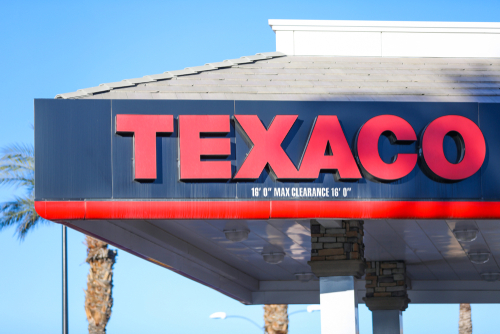
It’s easy to forget just how tall your RV really is when pulling into a gas station canopy. Many owners assume that if semis can fit, they can too, but that’s not always the case. Striking an overhead clearance sign or roof can cause serious damage to your A/C units, vents, or even the roof itself. Repairs to those parts can easily run into the thousands.
A good rule of thumb is to always know your RV’s height down to the inch and double-check the posted clearance signs. Some stations, especially older or rural ones, may have lower canopies than you expect. A few extra seconds of caution could save you from an expensive mistake. Write your height on a card near the driver’s seat to keep it top of mind.
2. Using the Wrong Fuel Pump
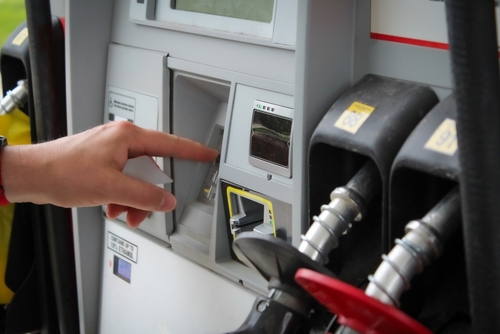
Not all pumps are created equal, and some RVers have learned this the hard way. Accidentally filling a gas engine with diesel or a diesel with gas can cause catastrophic damage to your engine. Even a partial fill can require draining the entire fuel system, which is both expensive and time-consuming. Tow costs add another layer of financial pain.
It’s crucial to double-check pump labels before inserting the nozzle. Diesel pumps often have a green handle in the U.S., but that’s not a universal standard. Truck lanes also may have high-flow diesel nozzles, which can be too wide for your tank. Slow down, read carefully, and confirm before you squeeze that handle.
3. Ignoring Pump Placement and Hose Length
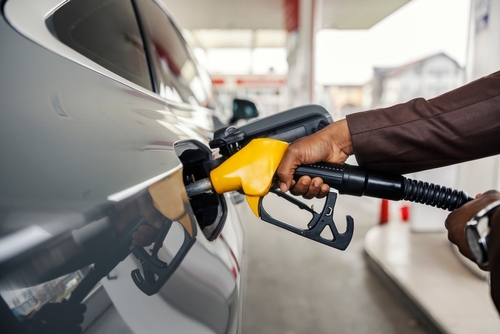
RVs don’t always align nicely with fuel pumps, and assuming the hose will reach can lead to awkward—and costly—situations. Some drivers pull up too far or not far enough, then realize they can’t reach their fill port. Backing up in a crowded gas station can risk fender benders or scraping posts. Damaging another car or your RV is an expensive consequence of poor positioning.
The smarter move is to scout out the pump setup before committing. Some stations have pumps set farther back for trucks, while others don’t. If you’re not sure, it’s better to circle around than to risk it. That little bit of extra time prevents a lot of stress.
4. Forgetting to Ground the Nozzle
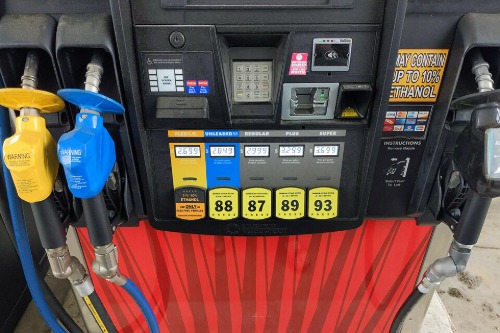
Static electricity might not sound like a big deal, but it can create dangerous situations at a gas station. Failing to touch the nozzle to the side of your RV’s fuel fill before pumping increases the risk of a spark. While rare, sparks near gasoline vapors can cause fires. Even without a fire, improper grounding can interfere with accurate fuel flow.
The fix is simple: always touch the nozzle tip to the side of the fill pipe before starting. This small action discharges any static buildup safely. Make it part of your fueling routine so you don’t even have to think about it. A two-second precaution is worth avoiding a disaster.
5. Overfilling the Tank
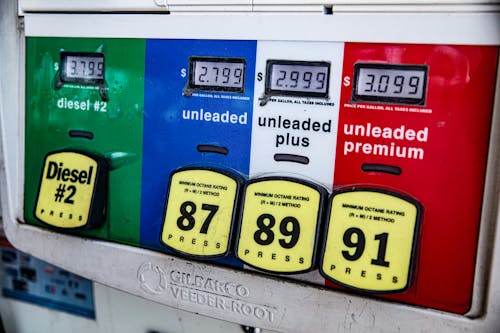
Some RV owners think “topping off” the tank means getting more mileage between stops. Unfortunately, overfilling can damage the evaporative emissions system, including charcoal canisters and valves. These components aren’t cheap, and replacing them can cost thousands. Plus, spilled fuel can damage paint and harm the environment.
The smarter move is to stop pumping as soon as the nozzle clicks off automatically. That’s the fuel system doing its job. By respecting that limit, you save yourself money and mechanical headaches. Besides, you’ll still get where you’re going without squeezing in those extra drops.
6. Blocking Access Lanes
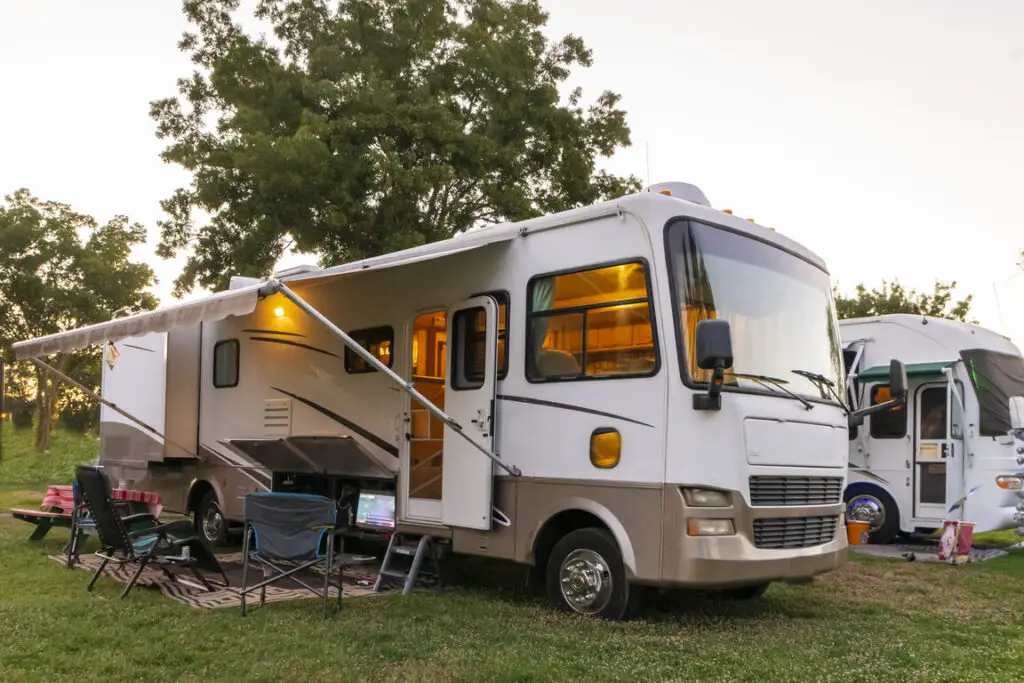
Gas stations can be busy, and RVs take up more room than the average vehicle. Parking across multiple pumps or blocking access to the exit creates stress for everyone else. Frustrated drivers may try to squeeze past, leading to scrapes or fender benders. On top of that, some stations may ask you to move, making the whole process even more stressful.
It’s important to pull forward promptly after fueling to clear the space. If you need to grab snacks or use the restroom, move your RV to a designated parking spot first. This simple courtesy helps keep traffic flowing smoothly. Avoiding conflict and damage is worth the extra effort.
7. Underestimating Turning Radius

Gas station lots are often tighter than they look, and RVs need a wide berth to turn safely. Misjudging your turning radius can put you dangerously close to pump islands, posts, or other vehicles. Even a slow-speed scrape can tear a side panel or damage your paint. Repairs to bodywork on RVs are notoriously expensive.
Plan your entry and exit before pulling in. If a station looks cramped, keep driving and find another. It’s always cheaper to drive a few more miles than to repair a scraped slide-out. Knowing your RV’s limits makes for safer stops.
8. Forgetting About Tail Swing
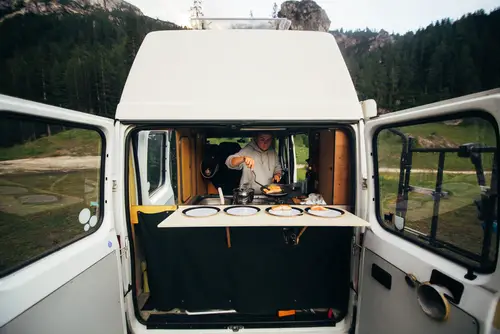
When maneuvering in tight spaces, many RVers focus only on the front. But the back end swings out more than you might expect when turning. This tail swing can clip posts, vehicles, or even pedestrians if you’re not careful. The damage often shows up as crushed corners or broken taillights.
To avoid this, practice understanding how far your tail swings in different turns. Use wide, deliberate movements and take your time. Watch your mirrors closely and, if possible, have a spotter. A little awareness saves a lot of repair bills.
9. Neglecting to Shut Off Appliances Before Fueling

Many RVs have propane appliances like fridges or water heaters running while on the road. Leaving them on while fueling is a fire hazard because the open flame from a propane appliance could ignite fumes. Gas station fires are rare but devastating when they happen. Insurance companies may also deny claims if you were negligent.
The safe habit is to switch off all propane appliances before you pull up to the pump. Turn off the refrigerator, stove, and water heater, and make sure the pilot lights are extinguished. It only takes a minute, and it makes fueling much safer. Protecting your family and your RV is worth the pause.
10. Forgetting Fuel Cap Tightness
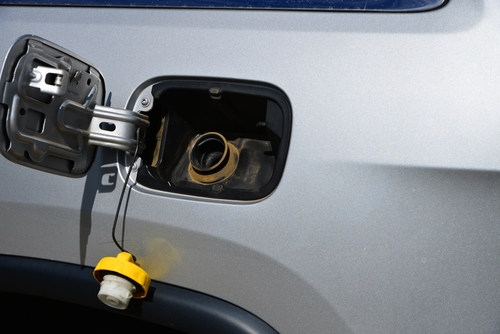
A loose or missing fuel cap isn’t just a minor oversight. It allows vapors to escape, which can trigger the check engine light and hurt your fuel economy. Replacing an evaporative emissions system component caused by vapor leaks can be expensive. Plus, losing your cap means you’ll have to scramble for a replacement on the road.
Always double-check that the cap clicks securely before leaving the pump. Make it part of your routine, just like buckling your seatbelt. If your cap is worn out, replace it proactively rather than waiting for issues. This tiny habit keeps your engine happy and your wallet intact.
11. Choosing the Wrong Lane at Truck Stops

Truck stops can be a great option for RVs, but they come with their own challenges. Some lanes are designed for commercial trucks and may have high-flow diesel pumps. These can overwhelm RV fuel systems, causing spills or backflow. Even worse, you may end up blocking truckers who are on the clock.
Instead, look for lanes marked specifically for RVs or passenger vehicles. Many truck stops provide them for this exact reason. If you’re unsure, ask an attendant before pulling up. A few minutes of checking saves you from a messy and costly mistake.
12. Driving Off with the Nozzle Still Attached

It sounds like a rookie mistake, but it happens more often than you’d think. With the distractions of wrangling kids, pets, or planning your route, it’s easy to forget. Driving off with the nozzle still in your tank can damage both your RV and the pump. Repair bills for the pump alone can run into thousands.
To prevent this, slow down and create a checklist. After fueling, replace the nozzle, secure the cap, and glance once more before pulling away. A quick double-check saves you from embarrassment and a huge bill. A calm routine is your best defense.
13. Using Credit Cards Without Watching for Skimmers
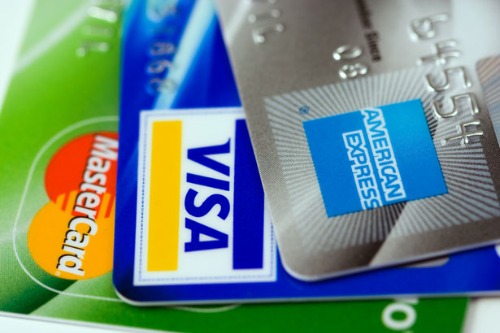
Gas stations are a prime target for card skimmers, especially in less monitored areas. RV owners often fuel up in remote locations, where tampered pumps are harder to detect. A compromised card reader can drain your bank account or rack up fraudulent charges. Cleaning up the mess with your bank takes time and stress.
Before swiping or inserting your card, inspect the reader closely. If it looks loose, mismatched, or suspicious, don’t use it. Paying inside is often safer if you’re uncertain. A little vigilance helps protect your finances.
14. Skipping Loyalty or Discount Programs
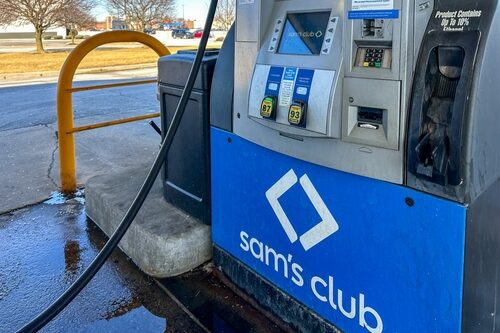
While not immediately “costly” in the damage sense, ignoring fuel discount programs can drain your wallet over time. Filling up an RV takes a lot of gallons, and even saving 5 to 10 cents per gallon adds up quickly. Over a summer of travel, that could mean hundreds of dollars saved. Many big chains offer apps or loyalty cards that make the process easy.
Take a few minutes to sign up for the ones you use most often. Some even offer extra discounts for paying with their app or card. Small savings each stop build into big long-term benefits. Don’t leave free money on the table when you’re fueling up anyway.
15. Misreading Diesel Exhaust Fluid (DEF) Fill Ports

It’s surprisingly easy to confuse the DEF port with your diesel fuel tank, especially when they’re side by side. Pouring DEF into your fuel system or diesel into the DEF tank can cause catastrophic damage. The result is often a ruined emissions system or contaminated fuel system that requires professional flushing or replacement. Repair bills for this mistake can easily soar past $5,000.
Always look for the blue DEF cap and confirm you’re using the correct nozzle before filling. Take a moment to read the labels and slow down when handling multiple fluids. Keeping separate, clearly marked containers also helps prevent mix-ups. That bit of care at the pump can save a huge hit to your travel budget.
16. Forgetting About Weight Distribution When Topping Off
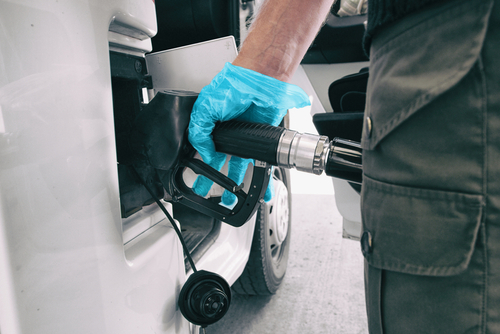
Filling up your fuel tank adds significant weight to your RV, and ignoring that can throw off your balance. Overloading one side, especially when combined with full water or waste tanks, can cause uneven tire wear or handling issues. In the long run, that imbalance stresses suspension components and leads to expensive repairs. It’s not just about fuel — it’s about the entire weight equation.
Before filling up, consider your overall load and tank levels. Distribute weight evenly when possible, and avoid driving with unnecessarily full tanks if you’re heading to your next stop soon. Keeping your RV level improves fuel efficiency and reduces mechanical strain. Smart fueling is as much about physics as it is about price.
17. Ignoring Tire Clearance at the Curb
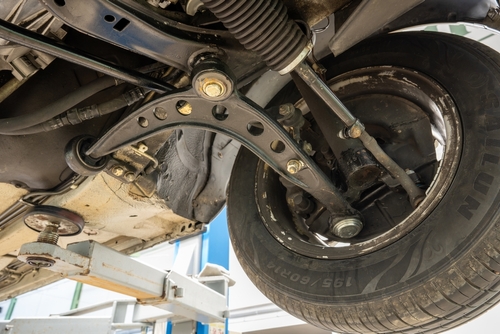
Many gas stations have raised islands or concrete curbs that seem harmless but can tear up RV tires. Pulling too close can scrape the sidewalls, weakening the rubber and leading to blowouts later on. Replacing an RV tire can cost hundreds, and a blowout can cause thousands in body damage. The risk increases with underinflated or overloaded tires.
When approaching the pump, give yourself extra clearance on both sides. Use your mirrors to guide your wheels and watch for tight corners or low barriers. If you’re unsure, stop and step out to check your distance before proceeding. A little caution at low speed prevents big trouble down the road.
18. Neglecting to Check for Low-Hanging Signs and Fixtures
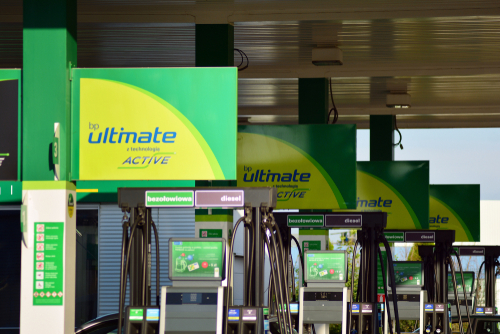
Gas stations often have hanging price boards, lights, or promotional banners that aren’t designed for tall RVs. One accidental bump can rip an awning, damage a roof vent, or break a satellite dish. These repairs aren’t just cosmetic—they often involve structural fixes and resealing to prevent leaks. It’s a preventable expense that many travelers overlook.
Always scan overhead before pulling into a station, especially in older or small-town locations. Remember that clearances can vary within the same property, from pump areas to drive-thrus. If you see anything questionable, stop and plan a safer path. Awareness saves both your roof and your wallet.
19. Failing to Secure the Fuel Door or Cap Compartment
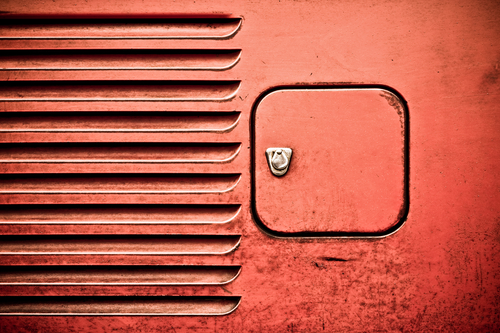
Many RVs have exterior fuel doors or compartments that latch separately from the cap itself. Forgetting to close or lock them before driving away can cause wind damage or rip them completely off. Once broken, replacing or repainting the panel can be surprisingly expensive. Worse, an open compartment door can strike another vehicle while turning.
After refueling, take a moment to do a walk-around inspection. Make sure every latch, door, and compartment is shut securely. This habit not only prevents damage but also keeps dust and water from entering sensitive areas. A 30-second check protects you from a costly oversight.
20. Overlooking Fuel Additives for Seasonal Changes
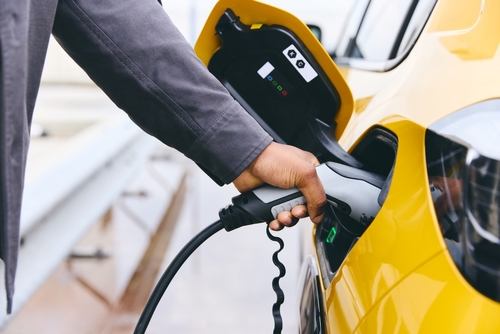
Fuel composition changes between summer and winter, and ignoring that can harm your engine over time. Diesel owners especially risk gelling in cold weather if they don’t use proper additives. Gasoline can also degrade faster in storage, clogging filters and injectors. Preventive care is far cheaper than replacing parts after neglect.
Before long trips or storage, research what fuel blend is best for the season. Add stabilizers or anti-gel products as recommended by your manufacturer. These inexpensive additives preserve performance and extend your engine’s life. Seasonal awareness turns routine fueling into smart maintenance.
21. Forgetting to Check for Fuel Leaks After Filling
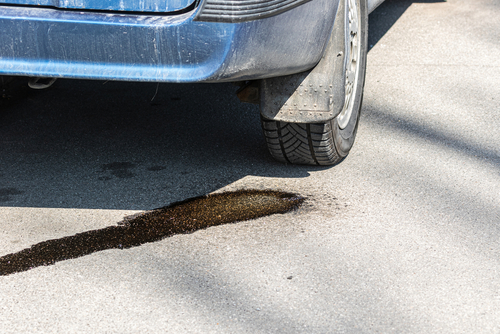
After fueling, many RV owners drive off immediately without a second glance. Small leaks at the cap, filler neck, or tank fittings can go unnoticed until they cause serious issues. Leaked fuel can eat through paint, attract dirt, and even become a fire hazard. It’s a silent problem that can grow costly if ignored.
Once you’ve finished fueling, step back and inspect beneath the RV. Look for any drips, wet spots, or fuel odors before pulling away. If you spot anything unusual, shut off the engine and investigate immediately. A quick check ensures your rig stays safe and leak-free for the miles ahead.
This post 21 Gas Station Mistakes That Cost RV Owners Thousands was first published on Greenhouse Black.
