
1. Hoonah, Alaska
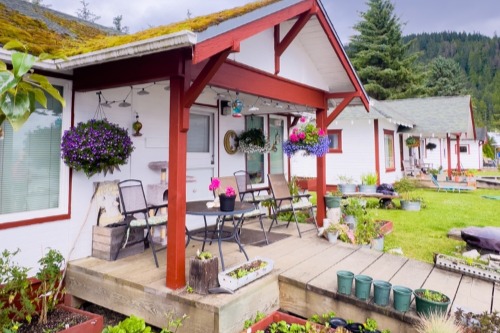
Hoonah sits on Chichagof Island in Southeast Alaska, surrounded by water and thick temperate rainforest. The town has a clinic run by the Southeast Alaska Regional Health Consortium, but it does not have a full hospital. For serious care, people typically travel to Juneau. That trip requires crossing Icy Strait.
The distance itself isn’t huge, but transportation options make the journey complicated. Residents rely on ferries, small planes, or charter boats depending on the season and weather. Juneau’s Bartlett Regional Hospital is the main destination for many referrals from Hoonah. Because transportation isn’t constant, many locals coordinate medical visits around ferry runs or flight availability.
2. Supai, Arizona
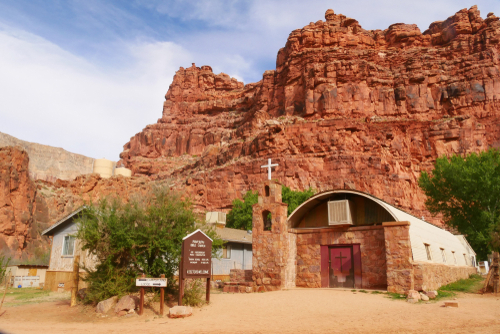
Supai sits deep inside the Grand Canyon on the Havasupai Reservation, and it’s one of the most remote communities in the continental United States. There are no roads connecting the village to the outside world, so residents and visitors arrive by helicopter, mule, or an eight-mile hike to the trailhead. The village has a small health clinic, but there is no full-service hospital in town. When someone needs advanced care, the logistics immediately become part of the plan.
From the trailhead at Hualapai Hilltop, the nearest major hospital is in Flagstaff, about 65 miles away by road. If weather grounds the helicopter or flights are delayed, getting there can take much longer than a typical emergency response in a city. Residents often plan routine medical trips around helicopter schedules or coordinated rides. In Supai, thinking ahead about healthcare is simply part of weekly life.
3. Point Hope, Alaska
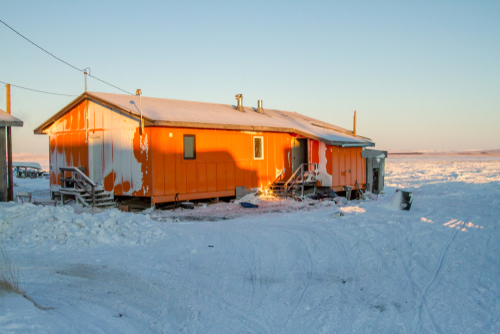
Point Hope sits on a narrow spit of land along Alaska’s northwest coast, far above the Arctic Circle. The community has the Maniilaq Health Clinic, which provides primary care and stabilization for emergencies. However, there is no full hospital in the village. Patients needing more advanced treatment are usually flown to Kotzebue.
Kotzebue is roughly 180 miles away by air, making medevac flights an essential part of healthcare. Weather in the Arctic can delay aircraft, especially during storms or winter whiteouts. Because of that reality, residents often try to manage routine health needs before they become urgent. In a place this remote, timing and preparation matter.
4. Gustavus, Alaska
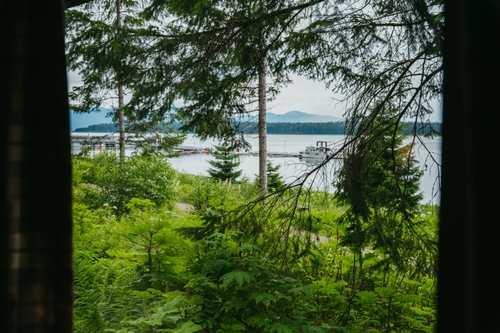
Gustavus sits at the gateway to Glacier Bay National Park and is surrounded by wilderness and water. The town has a small community clinic that handles everyday health issues. For hospital services, though, residents generally travel to Juneau. That means crossing Icy Strait by boat or plane.
Even though Juneau is only about 40 miles away as the crow flies, transportation schedules dictate the pace of medical care. Small aircraft are common, but flights depend heavily on weather conditions along the coast. The Alaska Marine Highway ferry also connects the communities on certain routes. Because options aren’t constant, Gustavus residents often plan medical appointments well in advance.
5. Kake, Alaska
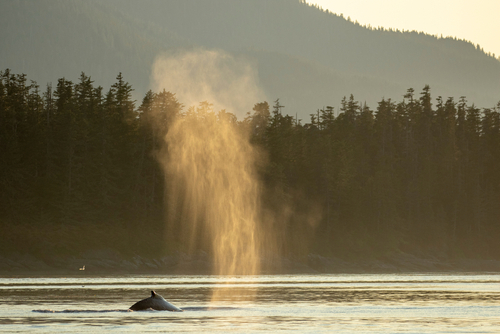
Kake is a small Tlingit community on Kupreanof Island in Southeast Alaska. The town has a local health clinic that provides primary care and basic services. When someone needs hospital treatment, they usually travel to Petersburg. That trip involves crossing Frederick Sound.
Petersburg Medical Center is the nearest hospital, but getting there often requires a small plane or boat. Weather conditions in the Inside Passage can delay travel unexpectedly. Because transportation isn’t always immediate, residents try to schedule non-urgent care carefully. In Kake, healthcare planning often starts with checking the flight schedule.
6. Stanley, Idaho
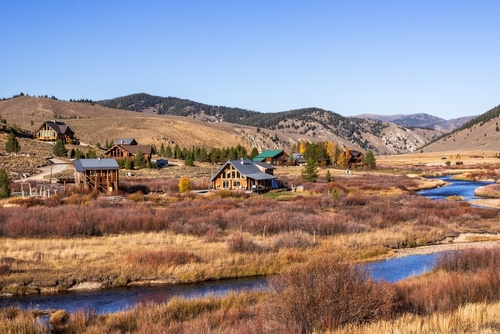
Stanley is a tiny mountain town in central Idaho surrounded by the Sawtooth National Recreation Area. The town has a small clinic that serves residents and the many summer visitors who pass through. For hospital-level care, people typically head to Ketchum. That drive leads through winding mountain highways.
St. Luke’s Wood River Medical Center in Ketchum is about 60 miles away, but winter conditions can stretch travel times significantly. Snowstorms and icy roads are common in the colder months. Locals know that a routine appointment can easily turn into a half-day journey. In a rugged place like Stanley, distance and weather shape healthcare decisions.
7. Escalante, Utah

Escalante sits along Scenic Byway 12 in southern Utah, surrounded by vast stretches of canyon country. The town has a small medical clinic that covers routine needs. For hospital services, residents usually travel to Panguitch. That drive crosses wide, sparsely populated terrain.
Garfield Memorial Hospital in Panguitch is roughly 70 miles away. The route includes long rural highways where services are few and far between. Residents often combine medical visits with grocery runs or other errands in larger towns. In Escalante, a hospital trip rarely happens without some planning.
8. Marathon, Texas
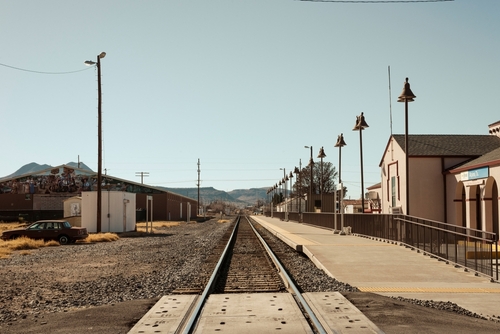
Marathon lies in West Texas between Alpine and Big Bend National Park. The town has basic healthcare services and a small clinic, but no full hospital. For inpatient or emergency care beyond the clinic’s scope, people usually drive to Alpine. That’s the nearest town with a hospital.
Big Bend Regional Medical Center in Alpine sits about 31 miles away along U.S. Highway 90. The drive is straightforward but runs through wide-open desert where help can be sparse. Residents often schedule appointments to coincide with supply runs into Alpine. In this part of Texas, medical errands are rarely the only reason for the trip.
9. Marfa, Texas

Marfa is internationally known for its art scene, but it’s still a small West Texas town. Local healthcare options are limited to clinics and basic services. For hospital care, residents typically travel to Alpine. The two towns are closely linked for many services.
Alpine’s Big Bend Regional Medical Center is about 26 miles away. The drive usually takes around half an hour, but the desert setting means alternatives are limited if something goes wrong. Many residents plan medical visits alongside work or shopping trips in Alpine. It’s a routine rhythm for people living in the Big Bend region.
10. Terlingua, Texas
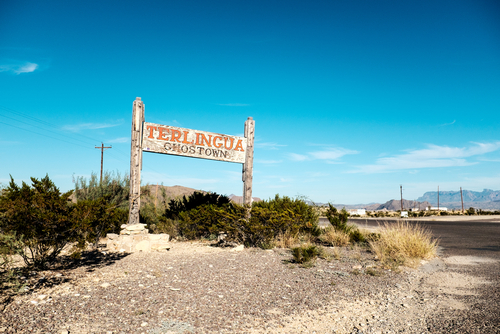
Terlingua sits near the western entrance to Big Bend National Park and feels about as remote as Texas gets. The community has a clinic and urgent-care style services, but not a full hospital. When someone needs more advanced treatment, Alpine is usually the destination. The distance makes the trip significant.
The drive from Terlingua to Alpine is about 80 miles across wide desert highways. That’s more than an hour under good conditions, and longer at night or during bad weather. Because of that distance, residents often try to handle routine care before problems escalate. Living in Terlingua means always keeping the nearest hospital in mind.
11. Talkeetna, Alaska
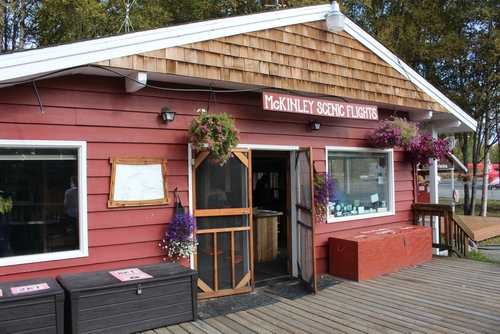
Talkeetna is a historic town north of Anchorage and a major base for Denali climbing expeditions. The community has a health clinic that handles routine care and stabilizes emergencies. However, it does not have a full-service hospital. Residents usually travel south for more advanced treatment.
Hospitals in Wasilla and Palmer serve the region, both roughly 110 miles away by road. The drive follows the Parks Highway, which can be affected by winter storms and heavy tourist traffic in summer. Even though Talkeetna is popular with visitors, its healthcare network still depends on neighboring towns. Locals often factor the long drive into how they schedule medical appointments.
This post Getting to a Hospital Is a Weekly Strategy in These Towns was first published on Greenhouse Black.
