
1. Sleeping Porches
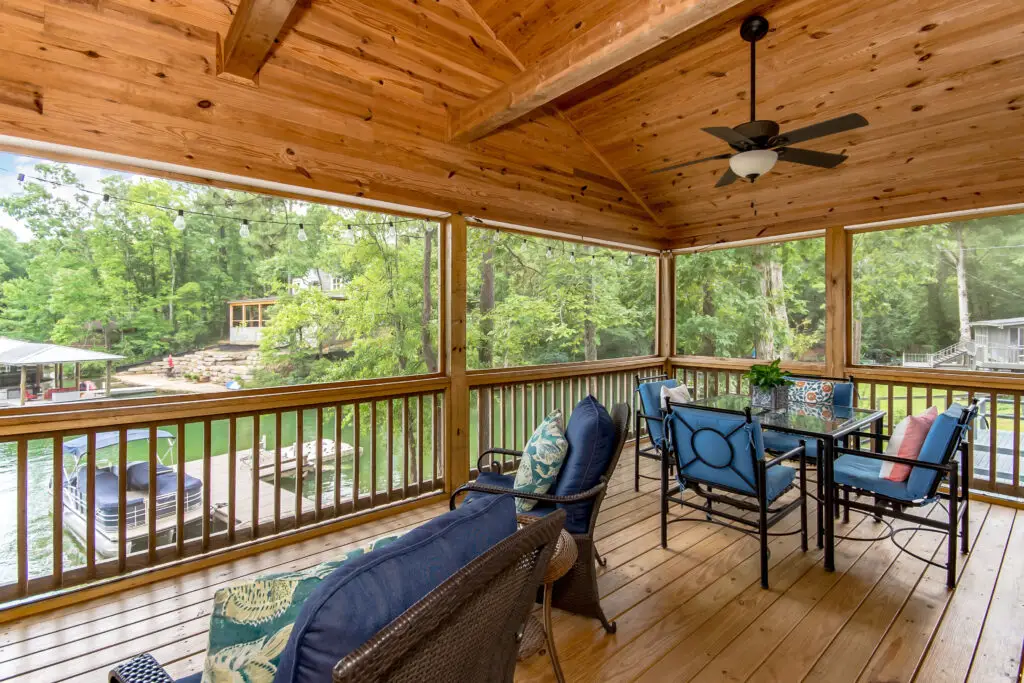
Sleeping porches offered relief during hot summers. They were designed for airflow and screened protection. Before air conditioning, this made nights bearable. It was a seasonal adjustment built into the house.
Now, people rediscover the value of cooler sleep. Reduced AC use saves energy and improves air quality. Screened porches still offer natural ventilation. Older homes assumed comfort could change with the season.
2. Mudrooms
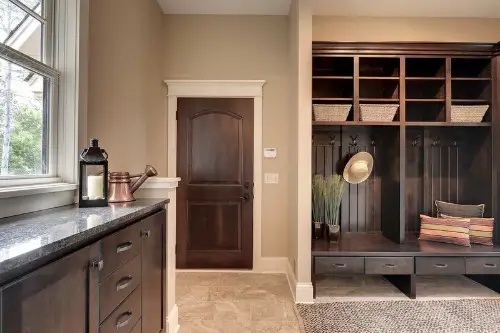
Older homes often had a true mudroom because people regularly came in from farms, factories, or unpaved streets. It was a buffer space designed to catch dirt, snow, and wet coats before they reached the rest of the house. This wasn’t decorative; it protected floors, walls, and furniture from daily wear. The habit made cleaning easier long before modern vacuums and synthetic flooring.
Today, mudrooms feel newly essential because we juggle work gear, sports equipment, and packages. Shoes off at the door has become a health and cleanliness norm rather than a preference. A dedicated drop zone prevents clutter from migrating into living spaces. What once handled literal mud now manages modern mess.
3. Transom Windows

Transom windows above doors helped air circulate through closed rooms. Warm air could escape while cooler air moved in, especially at night. This reduced indoor heat long before mechanical ventilation. They were carefully placed, not decorative afterthoughts.
With rising energy costs, passive cooling suddenly matters again. Transoms let homeowners manage airflow without running systems all day. They also bring natural light into interior hallways. The habit reflects smart design over constant energy use.
4. Operable Shutters
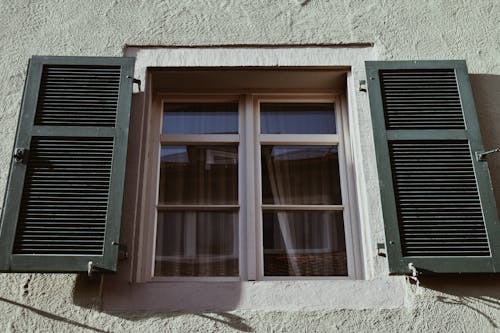
Real, operable shutters protected windows from storms and sun. They could be closed during extreme weather or midday heat. This reduced interior temperature and prevented glass damage. They existed because windows were vulnerable and valuable.
Now shutters feel relevant as weather grows more unpredictable. They provide a non-electric way to manage heat and light. Unlike blinds, they work even during power outages. Older homes anticipated resilience before it was a buzzword.
5. Thick Plaster Walls
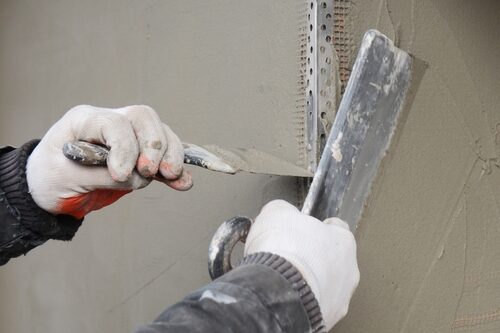
Older homes often used thick plaster over masonry or lath. These walls added thermal mass, helping stabilize indoor temperatures. They also reduced noise between rooms and from outdoors. The weight and density were intentional benefits.
Today, people notice how modern drywall lacks those qualities. Temperature swings feel sharper in lightweight construction. Sound travels more easily between spaces. The old habit prioritized comfort through materials, not gadgets.
6. Built-In Pantries

Pantries were essential when grocery shopping was infrequent. They stored dry goods safely and visibly, reducing waste. Shelving was designed for jars, sacks, and bulk items. This supported household self-sufficiency.
Now pantries feel necessary as people cook more at home. Bulk buying and meal planning require organized storage. A pantry also keeps kitchens from feeling cluttered. What once supported scarcity now supports efficiency.
7. Root Cellars and Cool Basements
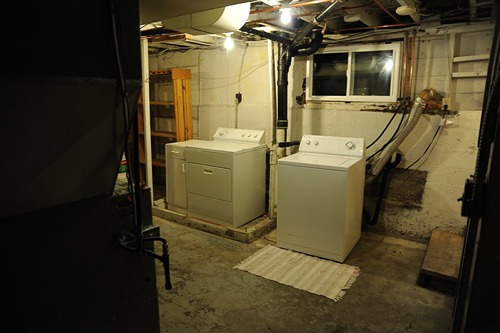
Root cellars kept produce cool without refrigeration. They used stable underground temperatures to extend food life. This was especially important before electric fridges. It reduced reliance on daily markets.
Today, interest in food storage and preservation is rising again. Cool basements naturally store potatoes, squash, and canned goods. They also provide backup during power outages. The habit reflects low-energy food security.
8. Front Porches
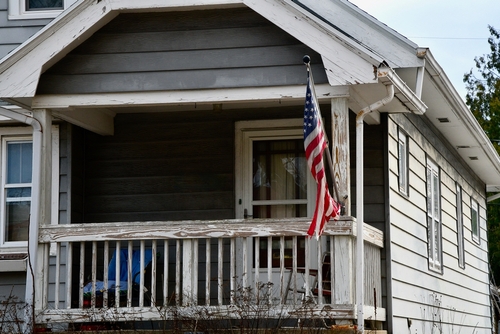
Front porches were standard because they served as semi-public living rooms. Neighbors talked, kids played within sight, and airflow cooled the house in summer. Porches also shaded windows, reducing indoor heat before air conditioning existed. They were practical architecture, not just charm.
Now, porches feel necessary as people crave casual social connection again. They allow interaction without full indoor hosting. The outdoor seating also extends living space in a low-cost way. What used to be community infrastructure quietly solves modern isolation.
9. Radiator Heating
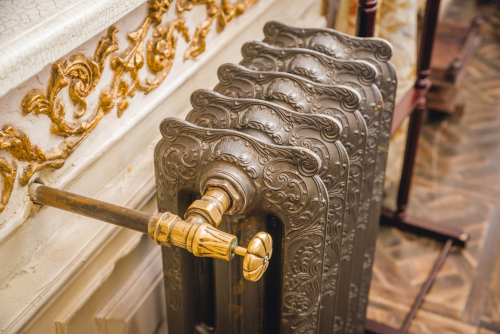
Radiators heat spaces evenly through convection and radiation. They don’t blow air or dry it out. This made homes more comfortable in winter. The system was simple and durable.
Today, people appreciate how quiet and consistent radiators are. They also work well with modern boilers. The lack of forced air reduces dust circulation. Old systems prioritized steady warmth over speed.
10. Cross-Ventilation Floor Plans
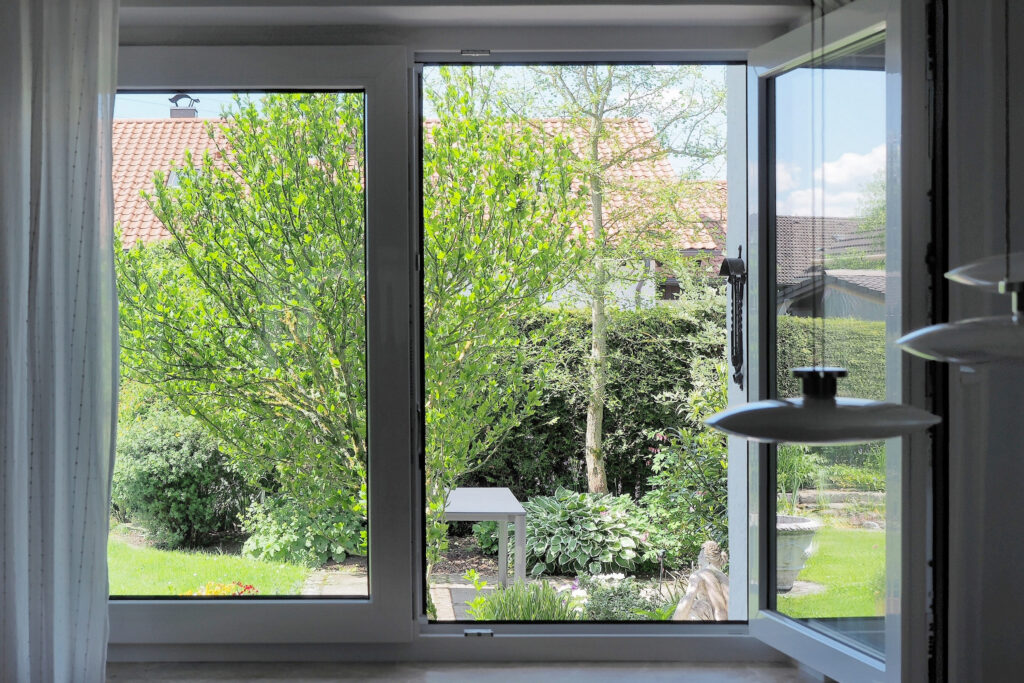
Older homes were laid out to allow breezes through aligned windows. Rooms connected in ways that encouraged airflow. This reduced heat buildup naturally. It was deliberate, not accidental.
Now, airtight modern homes often struggle with fresh air. Cross-ventilation lowers cooling needs in mild weather. It also improves indoor air quality. The habit shows planning for climate, not just square footage.
11. Storm Windows
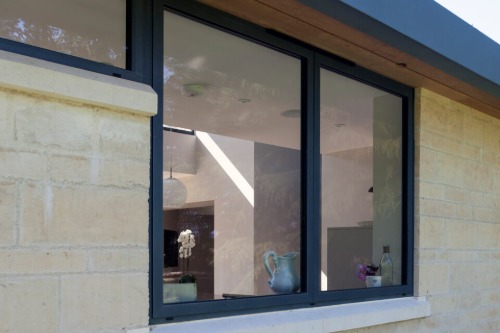
Storm windows added an extra insulating layer seasonally. They reduced drafts and protected primary windows. Homeowners installed and removed them as needed. It was a routine part of home maintenance.
Today, rising heating costs make this habit feel smart again. Storm windows significantly improve energy efficiency. They also preserve original window craftsmanship. Older homes treated efficiency as an ongoing practice, not a one-time upgrade.
This post Habits Older Homes Had That Suddenly Feel Necessary was first published on Greenhouse Black.
