
1. Hand-Stamped Jewelry
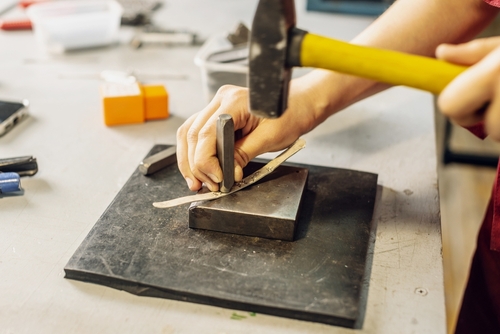
Hand-stamped jewelry is popular again because shoppers want pieces that feel personal. Makers can stamp initials, dates, or meaningful phrases into metal, creating one-of-a-kind items. This level of customization isn’t easily matched by mass retailers. The simple materials also make it an affordable handmade gift.
Its popularity is also tied to the rise of minimalist fashion. Many people want jewelry that’s subtle but still sentimental. Small makers often use sterling silver or gold-filled components that hold up well in daily wear. Buying from a small shop also makes the gift feel more intentional.
2. Hand-Poured Soy Candles
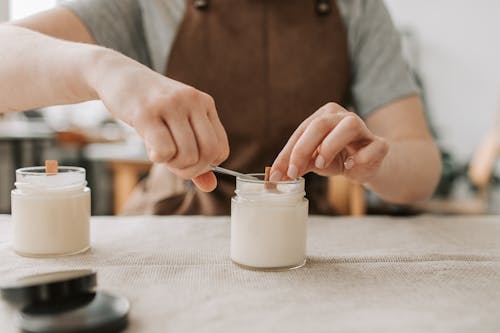
Hand-poured soy candles are making a comeback because people are gravitating toward products with simple, recognizable ingredients. Many small makers use plant-based wax and essential oils, which appeals to shoppers avoiding synthetic fragrances. They also offer unique scent blends that big brands rarely attempt. As sustainability awareness grows, the reusable containers have become part of the appeal.
These candles are also popular because they can be produced in small batches with seasonal themes. Customers enjoy knowing their candle wasn’t mass-manufactured in a huge facility. Makers often share behind-the-scenes videos, which helps build trust. That transparency has made handcrafted candles feel more personal and gift-worthy.
3. Hand-Thrown Pottery
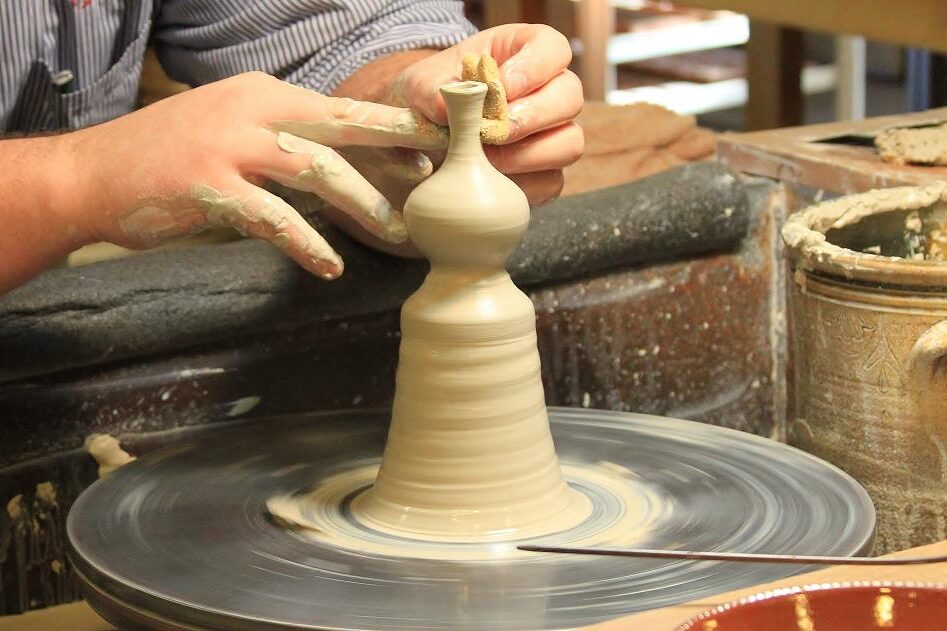
Hand-thrown pottery is rising again because people like owning dishes and mugs that feel substantial and intentionally made. Each piece reflects the maker’s touch, from the slight curves to the glaze variations. That natural imperfection feels refreshing in a world of identical factory ceramics. It also helps that pottery workshops and local kilns are more accessible than ever.
Pottery’s resurgence is partly driven by food culture, where presentation matters. Home cooks love using handmade plates and bowls that photograph beautifully. Coffee drinkers also appreciate mugs designed for comfort and heat retention. Supporting local studios gives shoppers a sense of community connection.
4. Woven Wall Hangings
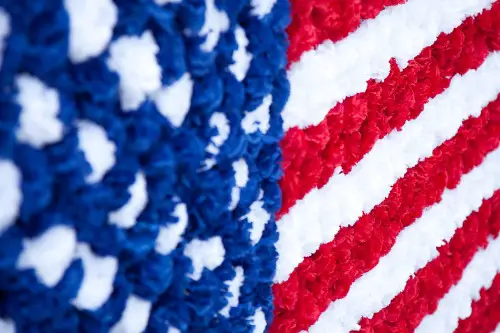
Woven wall hangings are returning because they add warmth and texture that modern decor sometimes lacks. Many people prefer a cozy, lived-in look instead of minimal white walls. Fiber art also allows makers to experiment with color in ways that feel softer than painted artwork. The handmade aspect resonates with those wanting unique home accents.
Workshops in weaving and macramé have also helped fuel the revival. People enjoy learning a skill while creating something display-worthy for their homes. Social media tutorials have made the craft approachable, even for beginners. This accessibility keeps the trend growing as more makers share their creations.
5. Hand-Knitted Scarves and Hats
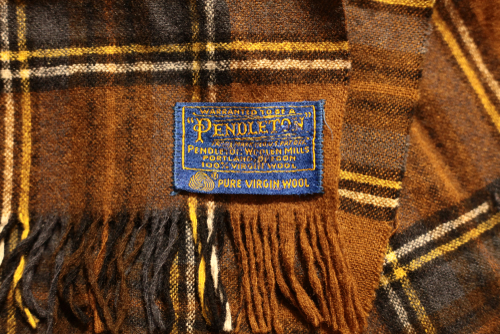
Hand-knitted scarves and hats are resurging because quality yarn options have expanded dramatically. Natural fibers like alpaca, merino, and cotton are widely available, giving makers more variety. These fibers produce garments that feel softer and warmer than mass-produced acrylic versions. Customers appreciate the durability and comfort that come from the upgraded materials.
Knitting has also become a calming hobby people are returning to. Makers often sell items in limited colors or patterns, which adds exclusivity. Many crafters share their process online, helping buyers feel connected to the creation. This mix of comfort and craftsmanship keeps hand-knits in demand.
6. Handmade Soap Bars
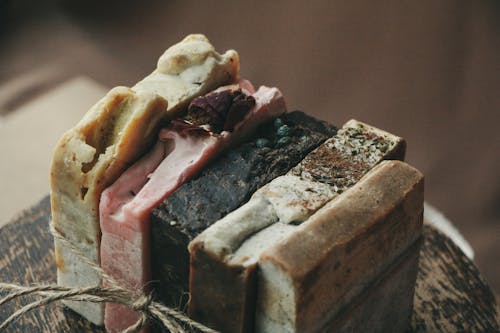
Handmade soap bars are becoming popular because they offer gentler formulations than some commercial options. Makers often avoid harsh detergents and instead use oils, botanical additives, and natural scents. The variety of ingredients makes it easy to find bars for sensitive or dry skin. People also enjoy the artistic aspect, like swirled colors and layered designs.
They’re also more eco-friendly since they typically come without plastic packaging. Many small soap makers use locally sourced ingredients, which appeals to sustainability-minded consumers. Farmers’ markets have made these soaps easy to discover and sample. Their practicality and aesthetic value make them a favorite among handmade goods.
7. Hand-Stitched Leather Goods

Hand-stitched leather goods are returning because buyers appreciate long-lasting accessories. Wallets, belts, and journals stitched by hand tend to hold up better at stress points. Makers can also choose high-quality full-grain leather that ages beautifully. People value the patina that develops over time.
This craft appeals to those who want fewer but better possessions. Customers often request custom sizes or stitching colors. Many leatherworkers share the slow, careful process behind each piece. That transparency helps justify the investment in handmade work.
8. Quilts and Patchwork Blankets
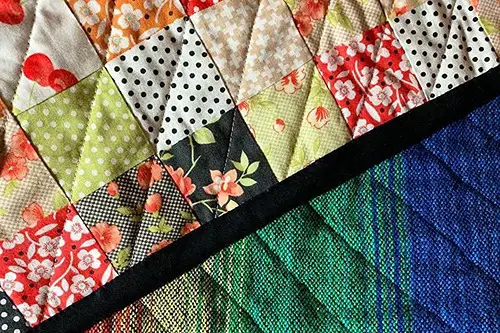
Quilts are becoming popular again as people seek cozy home items with history and artistry. Modern quilters use bold patterns and updated color palettes that fit contemporary decor. The craft allows incredible creativity through fabric mixing. Buyers appreciate the heirloom quality of something that can last for decades.
The rise of quilting groups and online communities has also helped bring the craft back. People like knowing their blanket was made with hours of focus and attention. Many quilts are designed for specific occasions, such as weddings or new babies. This personal connection makes them feel more meaningful than store-bought blankets.
9. Hand-Carved Wooden Utensils
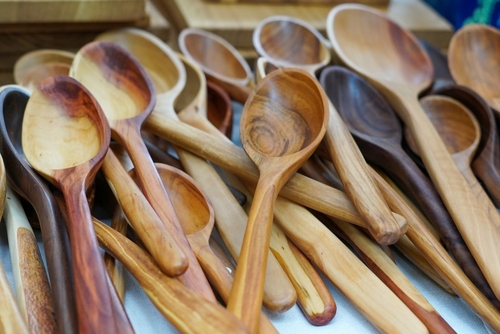
Hand-carved wooden utensils are resurging because home cooks enjoy tools that feel warm and natural. Woods like maple, cherry, and walnut offer durability and subtle flavor neutrality. Makers carve spoons, spatulas, and bowls tailored for specific tasks. These items often feel better balanced than machine-made versions.
They’re also popular because they’re easy to maintain and long-lasting. Many customers prefer utensils that won’t scratch nonstick cookware. The handmade carving marks give each piece personality. Buyers also like supporting small woodworkers who responsibly source their lumber.
10. Hand-Dyed Textiles

Hand-dyed textiles are making a comeback thanks to renewed interest in natural dyes. Makers use plant-based pigments from sources like indigo, onion skins, and marigold. These dyes create subtle, unpredictable variations that feel organic. Many people appreciate the eco-friendly approach compared to synthetic dye processes.
Workshops teaching dye techniques have grown, helping hobbyists understand the craft. Scarves, napkins, and clothing made this way feel elevated without being overly formal. Customers enjoy the soft gradients that natural dyes produce. The handmade process ensures no two pieces are identical.
11. Handmade Rugs and Mats
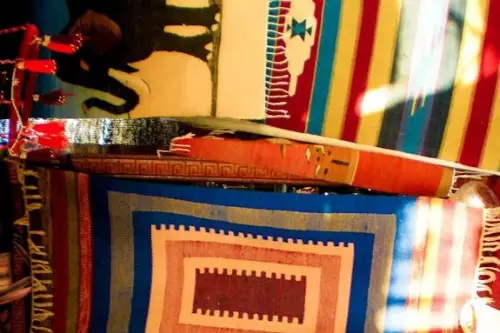
Handmade rugs are gaining attention as buyers look for ethically produced home goods. Many small makers use wool or cotton and traditional weaving methods. These rugs tend to be sturdier and more unique than mass-produced alternatives. Their textures add warmth to spaces that feel too modern.
People are also learning to value the time that goes into weaving a rug. Artisans often share labor-intensive techniques, which highlights the craftsmanship. Supporting small rug makers can also help preserve regional weaving traditions. This cultural connection gives the rugs deeper meaning.
12. Bookbinding and Handmade Journals

Hand-bound journals are returning because people want slower, analog experiences. Makers stitch signatures by hand and often use archival paper. These journals feel more durable and personal than factory versions. Writers and artists appreciate the tactile quality.
Customizable covers also make handmade journals appealing gifts. Many artisans use materials like leather, fabric, or recycled book cloth. The care taken in binding keeps pages lying flat, which is great for sketching or note-taking. Buyers love owning a functional piece of craftsmanship.
13. Hand-Painted Ceramics
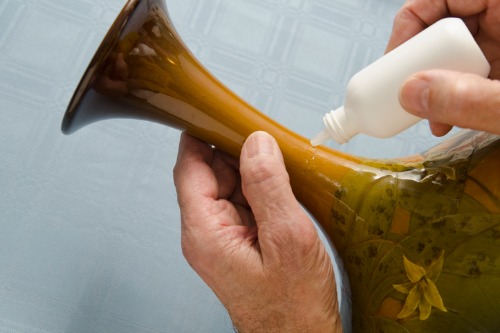
Hand-painted ceramics are in demand because they bring character to everyday table settings. Makers often use motifs inspired by nature or folk art. The slight variations in brushstrokes make each piece unique. Buyers enjoy the artistic imprint present in functional items.
Many people also like supporting small studios that produce limited runs. Hand-painted pieces can complement neutral home decor without feeling generic. They’re also popular gifts because they feel thoughtful and expressive. The rise of ceramic painting workshops has boosted interest too.
14. Handmade Baskets
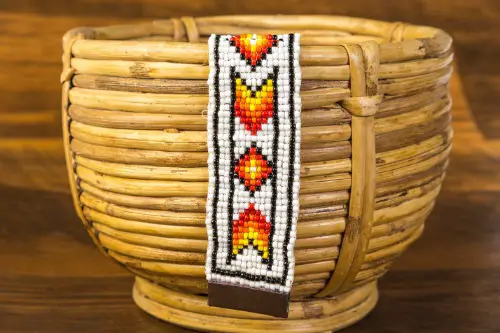
Handwoven baskets are making a comeback due to the shift toward natural home storage. Materials like rattan, seagrass, and bamboo are durable and biodegradable. Many shoppers prefer baskets over plastic bins because they look better in living spaces. Traditional weaving techniques create patterns that machines don’t replicate well.
Artisans worldwide are helping preserve culturally significant basket styles. Buyers appreciate knowing their purchase supports these crafts. Workshops and kits have also introduced more people to basket weaving. This renewed interest keeps handmade baskets circulating beyond niche markets.
15. Hand-Sewn Clothing
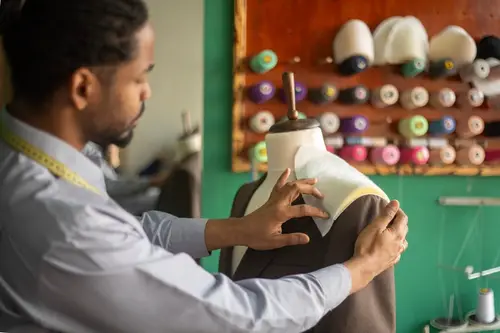
Hand-sewn clothing is resurging as people seek alternatives to fast fashion. Small makers often focus on slow production, using higher-quality fabrics. Shoppers value clothes that fit well and last longer than mass-produced options. Natural fibers like linen and cotton make these garments comfortable and breathable.
Sewing communities online have also encouraged more people to try making their own garments. Patterns shared by indie designers have grown the movement. Customers appreciate supporting makers who prioritize ethical production. The individuality of hand-sewn pieces helps them stand out in everyday wear.
This post 15 Handmade Goods Becoming Popular Again was first published on Greenhouse Black.
