
1. Old Exterior Changes Get Flagged Years Later

Homeowners are often surprised when exterior changes made long ago suddenly become violations. This usually happens during resale inspections, refinancing, or insurance reviews. Architectural guidelines typically require written approval regardless of how much time has passed. This trend matters because transactions trigger more detailed compliance checks.
Owners assume time equals approval, but that assumption is often wrong. Boards are legally obligated to enforce current standards once an issue is discovered. Including older changes protects the association’s authority and consistency. It’s a reminder that undocumented approvals can resurface at inconvenient moments.
2. When Suddenly, Every Rule Matters

Owners are often shocked when a rule that was ignored for years suddenly gets enforced. This usually happens after a new board takes over or a neighbor starts filing formal complaints. HOA attorneys regularly advise boards to enforce rules consistently once they are aware of violations. That legal advice is why enforcement can flip from relaxed to strict almost overnight.
The surprise isn’t the rule itself, but the timing. Many owners assume past non-enforcement means the rule is no longer valid, but legally that’s rarely true. Boards include this approach because selective enforcement can create legal exposure. A sudden enforcement push is often an attempt to correct past inconsistency.
3. Fines Escalate Faster Than Expected

Many owners expect a warning and a small fine, not a rapid climb into hundreds of dollars. Most governing documents include fine schedules that increase with each repeat violation or each day the issue continues. Management companies often apply these schedules automatically once enforcement begins. This trend is included because owners rarely realize how quickly fines can compound.
The shock usually comes when multiple fines post before the owner has a chance to fix the problem. In many states, HOAs are allowed to levy daily fines after notice and a hearing. Boards rely on escalating penalties to encourage quick compliance without court involvement. Delayed responses can therefore become surprisingly costly.
4. Enforcement Spikes After Complaints, Not Inspections

Many owners think violations are found through routine patrols, but complaints drive most enforcement. HOAs often act only after a written complaint is submitted. This is included because it explains why enforcement can feel sudden and personal. A single neighbor’s complaint can activate the process.
The board usually isn’t targeting anyone specifically. Complaint-based enforcement is common because it limits accusations of selective enforcement. Once a complaint is on record, the board must respond. That requirement is why enforcement sometimes seems to come out of nowhere.
5. Rental Rules Tighten Without Much Warning
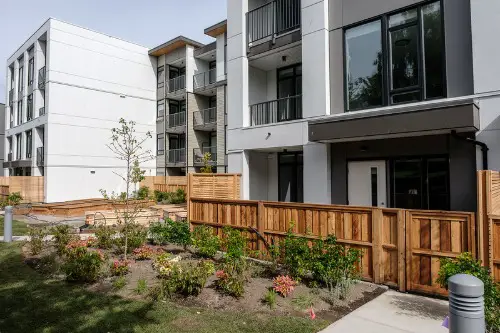
Owners are often surprised when rental restrictions suddenly become stricter. These changes usually follow rising investor ownership or lender pressure. Many associations amend governing documents to preserve owner-occupancy ratios. This trend is included because rental rules can directly affect property rights.
Existing owners may be grandfathered, but new leases often are not. Enforcement ramps up once amendments are recorded. Boards act quickly to comply with financing guidelines from lenders like Fannie Mae. Owners are caught off guard because the motivation is financial stability, not punishment.
6. Parking Enforcement Gets Aggressive Fast
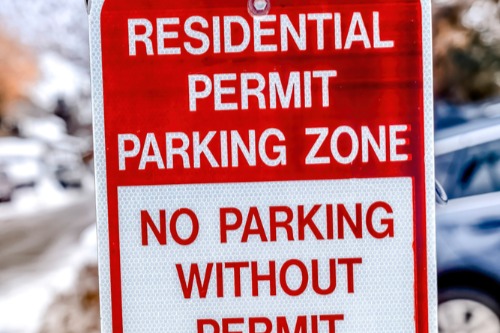
Parking is one of the most common surprise enforcement areas. HOAs often ignore minor parking issues until they start affecting safety or access. Once enforcement begins, towing policies are usually applied strictly. This trend is included because parking rules feel minor until they’re enforced.
The surprise often comes from immediate consequences like towing. Many associations are legally required to enforce fire lane and access rules. Vendors are contracted to act quickly once authorized. What feels sudden to owners is often the result of long-standing liability concerns.
7. Landscaping Violations Increase After Seasonal Changes
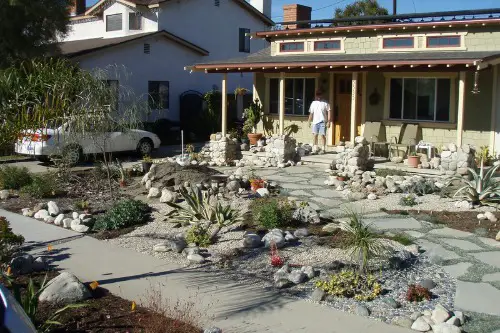
Owners are surprised when landscaping violations spike after certain seasons. This often happens after droughts, storms, or changes in landscaping vendors. Boards reassess standards when community appearance declines. This trend is included because nature, not neglect, often triggers enforcement.
Dead plants or bare areas may violate appearance standards even if weather caused the issue. HOAs enforce these rules to maintain uniform aesthetics. Owners assume circumstances will be considered automatically. In reality, formal requests for extensions are usually required.
8. Noise Rules Are Enforced Only After Repeated Issues

Noise enforcement often surprises owners because it feels subjective. HOAs usually act only after repeated complaints or documented incidents. This is included because enforcement relies heavily on patterns, not single events. Once a pattern exists, boards are expected to intervene.
Owners may not realize complaints have been building. Boards must rely on written records to justify enforcement. Once thresholds are met, penalties can escalate quickly. What feels abrupt is often the result of accumulated documentation.
9. Pet Rules Get Stricter After One Bad Incident
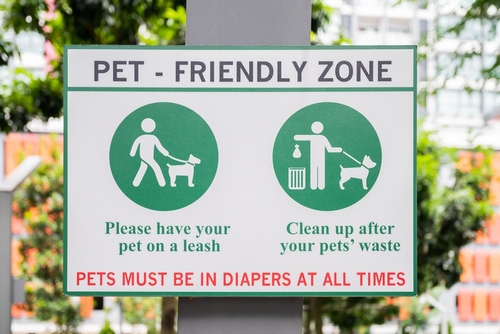
Pet enforcement often ramps up after a bite, injury, or nuisance issue. Boards respond quickly due to insurance and liability concerns. Weight limits, breed rules, or leash enforcement suddenly matter. This trend is included because one incident can change enforcement priorities.
Owners may feel targeted even if they followed informal norms before. Insurance carriers often require stricter enforcement after claims. Boards act to protect coverage and reduce risk. That urgency explains the sudden change in tone.
10. Self-Help Enforcement Surprises Owners
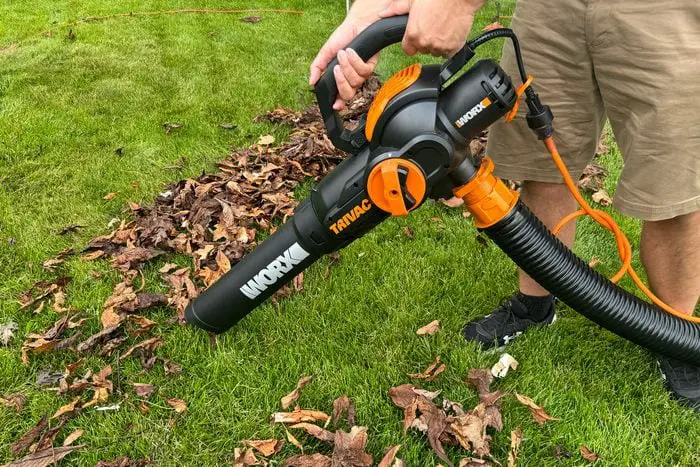
Self-help enforcement allows HOAs to correct violations themselves and bill the owner. This might include yard cleanup or exterior repairs. Owners are often shocked when work appears without their involvement. This trend is included because many owners don’t know self-help is allowed.
Governing documents usually permit this after notice and deadlines. Boards use it when owners fail to act. It’s meant to resolve issues quickly and protect community standards. The surprise comes from not realizing the HOA has that authority.
11. Legal Action Starts With Smaller Violations

Owners are often stunned when small issues lead to legal letters or liens. HOAs usually escalate only after fines and notices fail. This trend is included because enforcement paths are cumulative, not isolated. Minor violations can snowball if ignored.
Legal steps are often taken to preserve the association’s rights. Boards must follow timelines outlined in state law and governing documents. Attorneys are brought in to ensure compliance with those rules. What feels extreme is often the final step in a long enforcement process.
This post HOA Enforcement Trends That Always Take Owners by Surprise was first published on Greenhouse Black.
