
1. Truly Adjustable Lighting
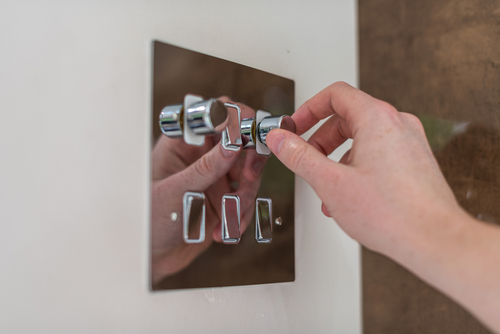
Most homes rely on one overhead light per room, and that’s like eating every meal with the same seasoning. Adjustable lighting lets you match brightness and warmth to your mood, time of day, and task. Warmer, dimmer light in the evening supports your body’s natural wind-down process. Brighter, cooler light during the day helps maintain alertness and reduces eye strain.
When you can fine-tune lighting, your space starts working with your biology instead of against it. Reading becomes more comfortable because you’re not fighting glare or shadows. Social spaces feel more inviting when the light isn’t harsh or clinical. Over time, this small control adds up to less fatigue and a calmer nervous system.
2. A Chair That Actually Fits Your Body
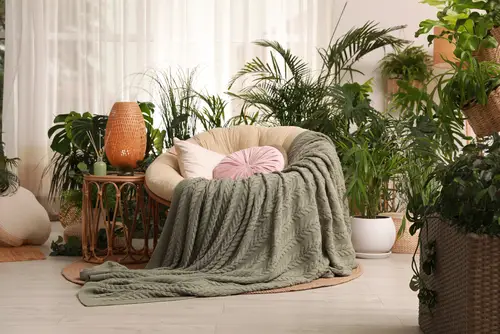
Many people treat chairs as interchangeable, but your spine definitely disagrees. A properly fitted chair supports your natural posture instead of forcing you to compensate. This reduces strain on your lower back, shoulders, and neck during long sitting periods. Good seating can even improve circulation by encouraging healthier positioning.
When your body feels supported, your brain frees up energy that was previously spent managing discomfort. You’ll notice fewer mid-afternoon aches that quietly drain your focus. Tasks that require sitting feel less like endurance tests. It’s one of those comforts that becomes invisible once it’s right, but painfully obvious when it isn’t.
3. Soft, Breathable Bedding

Sleep quality is heavily influenced by how your bedding manages heat and moisture. Breathable fabrics help regulate body temperature so you don’t wake up sweaty or chilled. Soft textures reduce subtle irritation that can fragment sleep cycles. Better sleep consistency improves mood, memory, and recovery.
When your bed feels welcoming, your brain starts associating it with true rest. Falling asleep becomes easier because your body isn’t fighting discomfort signals. You wake up feeling more restored instead of vaguely unrested. Over time, this comfort supports healthier sleep habits without you consciously trying.
4. Quiet Corners
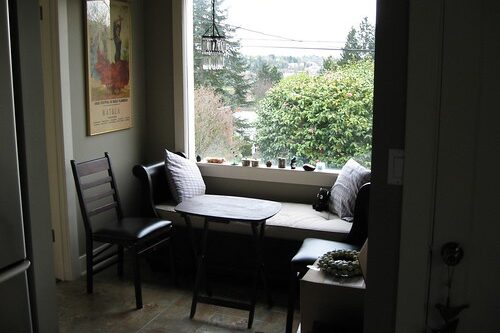
Constant background noise keeps your stress system slightly activated, even when you think you’re used to it. A quiet corner gives your nervous system permission to downshift. Lower noise levels improve concentration and reduce mental fatigue. Silence also makes it easier to notice your own thoughts and feelings.
Having a dedicated calm space acts like a reset button during busy days. Even a few minutes there can lower perceived stress. It becomes a reliable place for reading, reflection, or simply breathing. That predictability builds a sense of safety inside your home.
5. Easy-to-Reach Storage

Clutter isn’t just visual; it creates friction in everyday routines. Storage that’s easy to access reduces decision fatigue and wasted movement. When items have intuitive homes, cleanup requires less mental effort. This supports consistency instead of relying on bursts of motivation.
Functional storage also protects your time and patience. You spend fewer minutes hunting for essentials. Daily tasks flow more smoothly when your environment cooperates. That sense of order subtly reinforces feelings of control and competence.
6. Natural Light Access
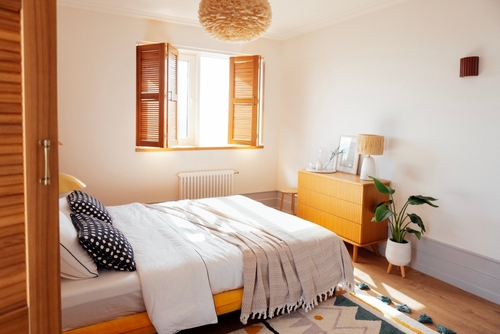
Exposure to daylight helps regulate your internal clock and supports alertness. Rooms with natural light feel more open and energizing. Sunlight improves color perception, making spaces feel more alive. Even brief exposure during the day can improve mood.
A well-lit room encourages activity instead of lethargy. You’re more likely to read, stretch, or tackle small tasks. The visual connection to the outside world reduces feelings of confinement. Over time, this light becomes an anchor for healthier daily rhythms.
7. Pleasant Ambient Scents

Smell has a direct pathway to brain regions involved in emotion and memory. Gentle, pleasant scents can signal relaxation or focus depending on the aroma. Clean, neutral smells also reinforce perceptions of hygiene and comfort. This sensory cue shapes how you interpret a space.
When a room smells inviting, you unconsciously want to spend time there. Stressful days feel softer when your environment smells calm and familiar. Scent routines can mark transitions, like work ending or bedtime beginning. These associations help your brain shift states more smoothly.
8. A Dedicated “Drop Zone”

Without a clear landing spot, everyday items scatter across surfaces. A drop zone creates a predictable home for keys, bags, and mail. This reduces the cognitive load of remembering where things are. Consistency lowers morning stress and late departures.
Over time, this tiny system prevents clutter from snowballing. You develop an automatic habit loop around arrival and departure. The result is fewer frantic searches and less irritation. It’s a small structural change that protects your mental bandwidth.
9. Temperature Control You Can Trust

Thermal comfort has a direct effect on concentration and sleep quality. Rooms that are too hot or cold force your body to work harder to maintain balance. Reliable temperature control reduces physiological stress. Comfort improves both productivity and relaxation.
When your environment stays stable, you stop constantly adjusting layers or settings. This frees attention for whatever you’re doing. Even subtle thermal consistency supports deeper rest at night. Your home starts feeling predictably supportive instead of temperamental.
10. Textural Variety

Humans respond strongly to tactile input, often without realizing it. Mixing textures like soft throws, smooth surfaces, and natural materials stimulates the senses gently. This variety makes a room feel layered and intentional. Touch becomes part of the comfort experience.
Engaging textures encourage you to physically settle into a space. You might wrap up in a blanket or rest your hands on a cool tabletop. These micro-interactions ground you in the present moment. Over time, they build a richer sense of home.
11. Clear Visual Boundaries
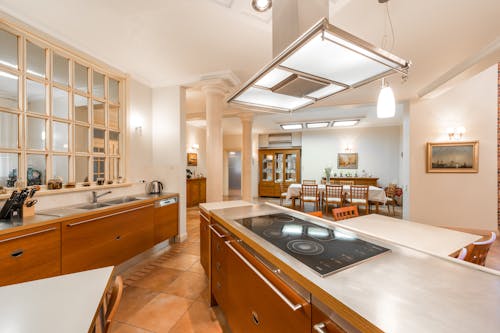
Open spaces are appealing, but too little structure can feel chaotic. Visual boundaries define areas for work, rest, and play. This separation helps your brain switch modes more efficiently. Context cues reduce mental spillover between activities.
When zones are clear, transitions feel cleaner and less stressful. You’re less likely to carry work tension into relaxation time. The room itself reinforces your intentions. That environmental guidance supports healthier routines.
12. A Personal Comfort Ritual Spot

A dedicated place for rituals like tea, journaling, or stretching signals intentional pause. Rituals anchor your day with predictable moments of calm. Repeating them in the same spot strengthens the association. Your brain learns that this area equals restoration.
Over time, simply sitting there can trigger relaxation. The space becomes emotionally charged in a positive way. Stress recovery happens faster because the cue is familiar. This small sanctuary turns ordinary habits into meaningful resets.
This post 12 Home Comforts People Don’t Realize They’re Starving For was first published on Greenhouse Black.
