
1. Cozy Nooks
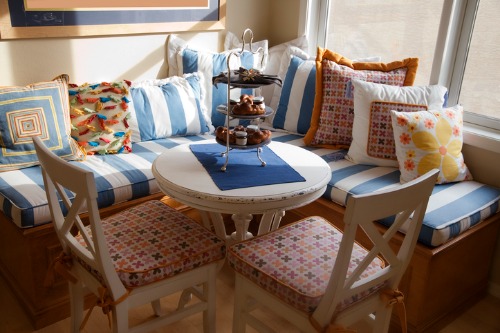
Spaces designed for retreat foster comfort and reflection. A corner with a comfy chair, good lighting, and a throw can become a personal sanctuary. Small alcoves or window seats allow a mental pause without leaving home. These nooks encourage reading, meditation, or simply daydreaming.
Even minimal design changes, like adding cushions or a small table, can turn unused corners into mood boosters. The key is making the space feel intentional, not leftover. Cozy nooks invite you to slow down and recharge. They remind you that mood management doesn’t always require major renovations—just thoughtful details.
2. Warm Color Palettes
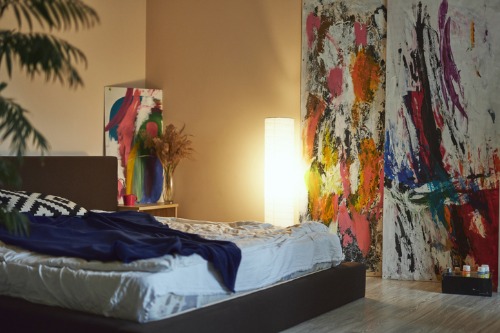
Warm colors like soft yellows, muted oranges, or earthy reds can make a room feel cozy and inviting. They stimulate energy without being overwhelming, encouraging conversation and connection. Even an accent wall in a warm shade can shift the vibe of an entire space. The key is balance—too bright, and it becomes agitating; too muted, and it loses impact.
These colors influence psychology by promoting feelings of comfort and optimism. Kitchens and living areas often benefit most because they are communal spaces. When you mix warm tones with natural materials like wood or textiles, it deepens the emotional resonance. This makes daily routines feel less mechanical and more enjoyable.
3. Strategic Lighting Layers
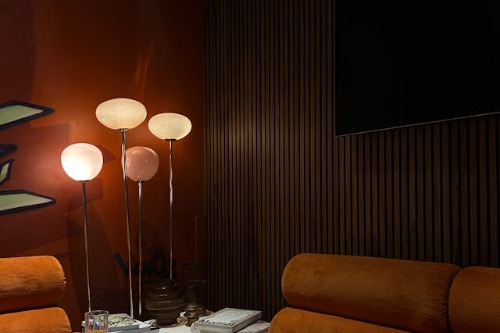
Lighting isn’t just practical—it sets the mood. Combining overhead lights, floor lamps, and task lighting lets you control ambiance for different times of day. Soft, diffused lighting in the evening can signal the brain to relax. On the other hand, brighter task lighting boosts focus during work or cooking.
Dimmable lights are especially useful for transitioning between activities or moods. You can create a dinner-ready romantic glow or a high-energy work atmosphere within the same room. Choosing bulbs with warmer tones adds a natural softness to the space. Ultimately, lighting gives you control over your internal rhythm without changing the physical room.
4. Textures You Can Touch
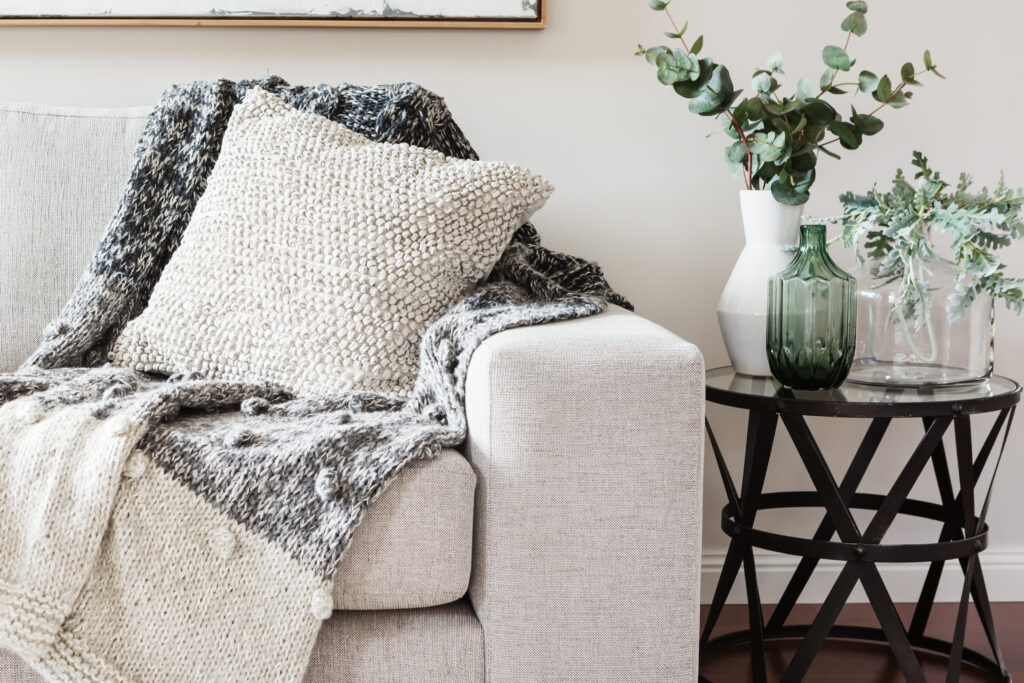
Different textures can subtly shift emotions and physical sensations. Soft throws, velvet cushions, or shag rugs invite relaxation and tactile engagement. Smooth surfaces like polished wood or glass convey calm and simplicity. Mixing textures adds depth, keeping the room visually stimulating yet cozy.
Touch is linked to emotional processing in ways that our eyes alone cannot trigger. Running your hand across a textured surface can release small bursts of comfort. Even arranging fabrics to encourage gentle interaction, like on sofas or chairs, makes a space feel approachable. It’s about creating spaces that reward small, unconscious sensory experiences.
5. Greenery and Plants
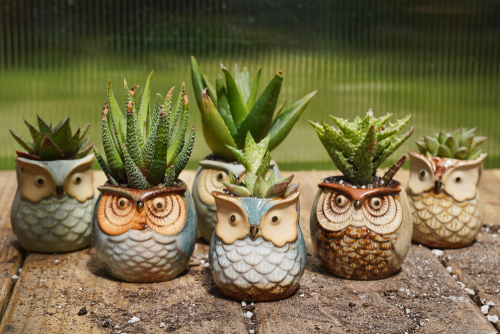
Plants aren’t just decoration—they actively lift moods. Their presence has been shown to reduce stress and improve focus. The sight of green foliage connects us to nature, even indoors. Care routines themselves, like watering or pruning, can also be meditative and satisfying.
Choosing plants with varying shapes and sizes adds visual interest and movement to a room. Hanging plants or tabletop arrangements can turn ordinary corners into dynamic focal points. Certain plants, like peace lilies or snake plants, even improve air quality. The combination of aesthetics and function makes greenery a mood multiplier.
6. Personal Curations

Displaying items that reflect your personality brings comfort and familiarity. Travel souvenirs, family photos, or meaningful art pieces can evoke positive memories. These small personal touches make a house feel like a true home. They remind you of joy and connection even during stressful days.
Curation doesn’t mean clutter—it means intentionality. Each object should tell a story or spark an emotion. Rotating seasonal items or changing displays can keep your environment dynamic. This ongoing engagement with your space reinforces a sense of belonging and emotional balance.
7. Aromas That Matter

Scent is one of the most immediate ways to influence mood. Vanilla, lavender, and citrus can calm or energize depending on the choice. Diffusers, candles, or even fresh herbs subtly shift emotional tone without requiring conscious effort. People often underestimate how closely smell and memory are connected.
Strategically placing pleasant aromas in communal spaces can make interactions more enjoyable. Kitchens, bathrooms, and entryways are prime spots for mood-enhancing scents. Natural scents tend to feel less artificial and more soothing. Even minimal scent layering can give a room a signature “feel-good” quality.
8. Window Views and Vistas
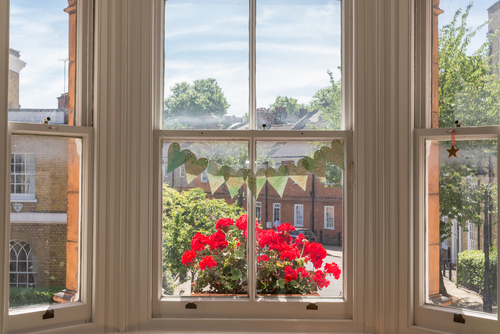
What you see outside your windows can dramatically affect your state of mind. A leafy tree or distant horizon encourages relaxation and mental clarity. Windows that frame natural elements can make you feel connected rather than trapped indoors. Even urban rooftops or cityscapes provide visual depth that can reduce claustrophobia.
Rotating your seating or work areas to face windows optimizes this effect. When sunlight and scenery combine, it creates a subtle natural rhythm that syncs with your body. Morning light framed by greenery can signal alertness, while evening city lights can evoke calm reflection. A well-thought-out view is like a built-in mental reset.
9. Decluttered Surfaces

A messy room can subconsciously create stress and distraction. Clear countertops, organized shelves, and tidy floors promote mental clarity. Decluttering is less about perfection and more about intentionality. It gives the brain visual breathing room.
Minimalism encourages focus and reduces anxiety. Even leaving small surfaces empty, like bedside tables, can improve sleep quality by reducing visual chaos. Maintaining just a few treasured items in each space keeps your mind calm. This simplicity supports a smoother, more serene daily rhythm.
10. Soundscapes

Auditory environments influence moods more than we realize. Background music, white noise, or nature sounds can calm, energize, or focus attention. A crackling fireplace or gentle water fountain adds subtle rhythm without needing effort. Controlling sound levels helps manage stress in communal or personal areas.
Headphones or strategically placed speakers allow you to tailor your acoustic environment. Different rooms can have different sound “profiles” for work, relaxation, or play. Soft, low-frequency sounds are especially good for stress reduction. Thoughtful sound design is like the invisible layer of emotional architecture.
11. Natural Light Flow
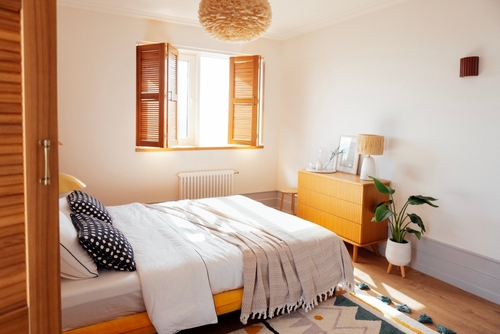
Natural light has a surprisingly big impact on our mood. Rooms that capture sunlight make spaces feel airy and open, reducing feelings of stress or confinement. Even small windows can boost alertness and enhance your overall energy. It’s not just about brightness—it’s about warmth and connection to the outside world.
When you position mirrors or light-colored walls to reflect sunlight, it amplifies the effect. This can subtly make mornings feel more cheerful and afternoons less sluggish. People tend to linger longer in sunlit spaces, which can promote a sense of well-being. Even plants thrive more in these conditions, which adds another layer of happiness to the environment.
This post Home Details That Redirect Moods was first published on Greenhouse Black.
