
1. Homeowners Insurance

Homeowners insurance often starts with a reasonable premium at closing. Over time, premiums rise due to inflation, higher rebuild costs, and more frequent weather claims. Even homeowners who never file a claim usually see steady increases. It belongs on this list because the growth is tied to market forces you can’t control.
Insurers regularly reprice policies to reflect labor and material costs. Roof age, local fire risk, and regional storm patterns also push rates upward. Many people don’t notice until the renewal bill arrives noticeably higher. This cost keeps creeping up while providing the same level of coverage.
2. Property Taxes

Property taxes feel manageable when you first buy because they’re baked into your monthly payment. The catch is that assessments rise as home values increase, and local governments periodically adjust rates. Even if your mortgage stays the same, the tax portion quietly climbs year after year. It’s included here because it’s one of the most common reasons a monthly payment goes up without warning.
In many areas, reassessments happen every one to three years, so increases stack. Improvements like finished basements or new decks can also trigger higher taxes. Escrow shortages then lead to sudden payment hikes, which feel especially painful. This expense earns its spot because it grows automatically, regardless of how carefully you budget.
3. Electricity and Natural Gas

Electricity and natural gas bills often start low, especially in a new or efficient home. Usage tends to increase as households grow, work-from-home becomes normal, or summers get hotter. Utility rates themselves also rise as infrastructure and fuel costs change. It’s included because both consumption and pricing trend upward together.
Seasonal spikes gradually become the new normal instead of exceptions. Older homes usually become less efficient as systems age. Small monthly increases don’t feel dramatic until you compare year to year totals. This is a classic example of an expense that grows quietly but consistently.
4. Water and Sewer Fees

Water and sewer bills are easy to underestimate because they start relatively cheap. Municipalities regularly raise rates to fund infrastructure repairs and treatment upgrades. Household water use often rises with landscaping, kids, or aging pipes. It makes the list because increases are common and largely unavoidable.
Unlike electricity, there are few ways to shop around for lower rates. Many cities bundle sewer charges with water usage, compounding the increase. Rate hikes are often small but frequent. Over time, this once-minor bill becomes a noticeable monthly expense.
5. Internet and Cable
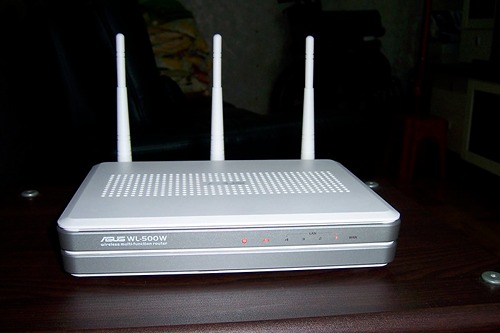
Internet service often begins with a promotional rate that feels like a win. Once the promo ends, prices jump and rarely come back down. Faster speeds and additional devices also push people into higher tiers. It’s included because it almost always costs more the longer you stay.
Annual price increases are common even without plan changes. Competition is limited in many areas, reducing leverage to negotiate. Streaming replacements can quietly add new subscription costs on top. This turns connectivity into a steadily inflating household line item.
6. Home Maintenance and Repairs
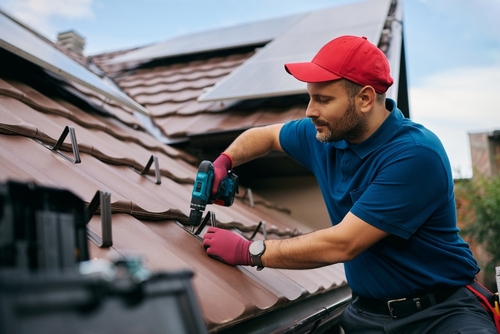
Home maintenance starts small when everything is new or recently updated. As systems age, repairs become more frequent and more expensive. Minor fixes eventually give way to major projects like HVAC or roofing. It’s on the list because time alone guarantees higher costs.
Deferred maintenance usually leads to even bigger bills later. Labor costs rise over time, increasing repair prices regardless of scope. Parts for older systems can also be harder to find. This expense grows because homes naturally wear out.
7. Landscaping and Yard Care
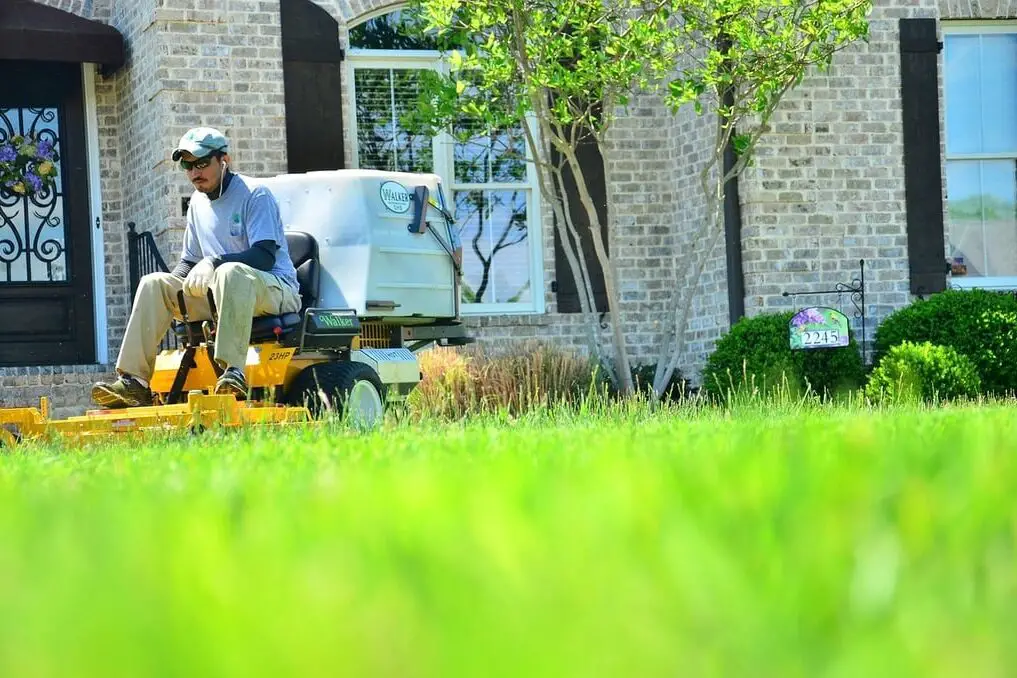
Yard care often begins as an occasional DIY task. Over time, lawns mature, trees grow, and maintenance needs increase. Many homeowners eventually hire help for mowing, trimming, or cleanup. It belongs here because what starts optional often becomes routine.
Watering costs rise as landscaping expands. Tree trimming and removal become necessary as plants age. Seasonal services add recurring charges you didn’t originally plan for. Landscaping slowly shifts from cosmetic to necessary upkeep.
8. Pest Control

Pest control usually enters the budget after a single issue. Once pests appear, prevention becomes an ongoing expense. Many companies push quarterly or annual service plans. It’s included because problems tend to recur without continued treatment.
Climate changes can increase pest activity in many regions. Termites, rodents, and ants often require repeated interventions. Skipping service can lead to much more expensive damage. This cost grows as prevention replaces one-time fixes.
9. HOA Fees

HOA fees often seem modest when you first move in. Over time, boards raise dues to cover maintenance and reserves. Inflation and deferred repairs drive assessments higher. It makes the list because increases are common and mandatory.
Special assessments can appear on top of regular dues. Amenities like pools and gates become more expensive to maintain. Homeowners have limited control over these decisions. This expense tends to rise faster than people expect.
10. Appliance Replacement
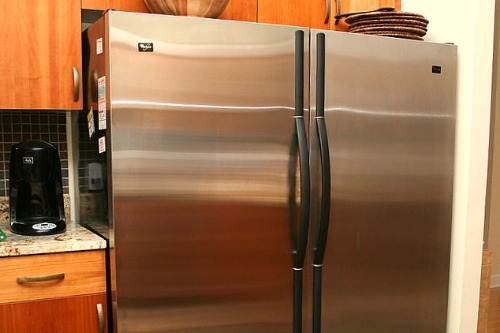
Appliances don’t demand much attention at first. Each has a predictable lifespan that eventually ends. Replacing multiple appliances can cluster within a few years. It’s included because replacement costs are inevitable.
New models are often more expensive than the ones they replace. Installation and disposal fees add to the total. Repairs become less cost-effective as appliances age. This turns occasional purchases into recurring financial hits.
11. Home Security Monitoring

Security systems often start with an affordable monthly fee. Monitoring rates tend to increase annually. Upgrades and add-ons also raise the bill over time. It belongs here because subscriptions rarely get cheaper.
Equipment replacement can introduce new charges. Insurance discounts may shrink as premiums rise. Canceling can be difficult once systems are installed. This expense grows quietly while feeling necessary for peace of mind.
This post Home Expenses That Start Small and Never Stop Growing was first published on Greenhouse Black.
