
1. Formal Dining Rooms

Many homeowners are finding that formal dining rooms simply aren’t pulling their weight anymore. With more families eating casually in kitchens or on islands, the space often ends up unused. As lifestyles shift toward flexible layouts, a dedicated dining room feels less practical. By 2026, buyers are expected to prefer multipurpose rooms over rigidly defined spaces.
Another reason these rooms are declining is that square footage is becoming more valuable. People want rooms that adapt to work, hobbies, or lounging, not something used for holidays only. Home design trends are favoring open layouts that blend cooking, eating, and relaxing. As a result, the traditional dining room is slowly sliding off buyers’ wish lists.
2. Whirlpool Tubs
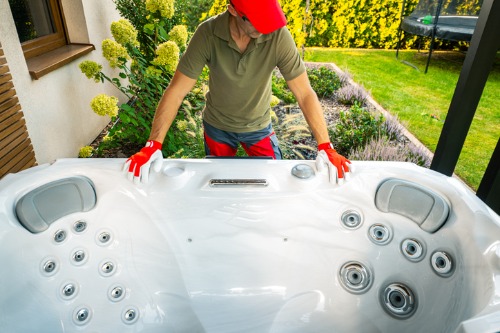
Whirlpool tubs were once considered luxurious, but maintenance concerns are pushing them out. Homeowners often complain about cleaning the jets and preventing mold buildup. As people prioritize convenience over indulgence, these features start to feel more like a chore than a perk. In 2026, low-maintenance spa alternatives are expected to appeal far more.
Water efficiency is another factor pulling whirlpool tubs out of favor. They require a large volume of water, and many homeowners are becoming more conscious of consumption. Modern walk-in showers with multiple spray features offer a more practical experience. Because of this shift, whirlpool tubs are predicted to lose traction in new builds and remodels.
3. Granite Countertops
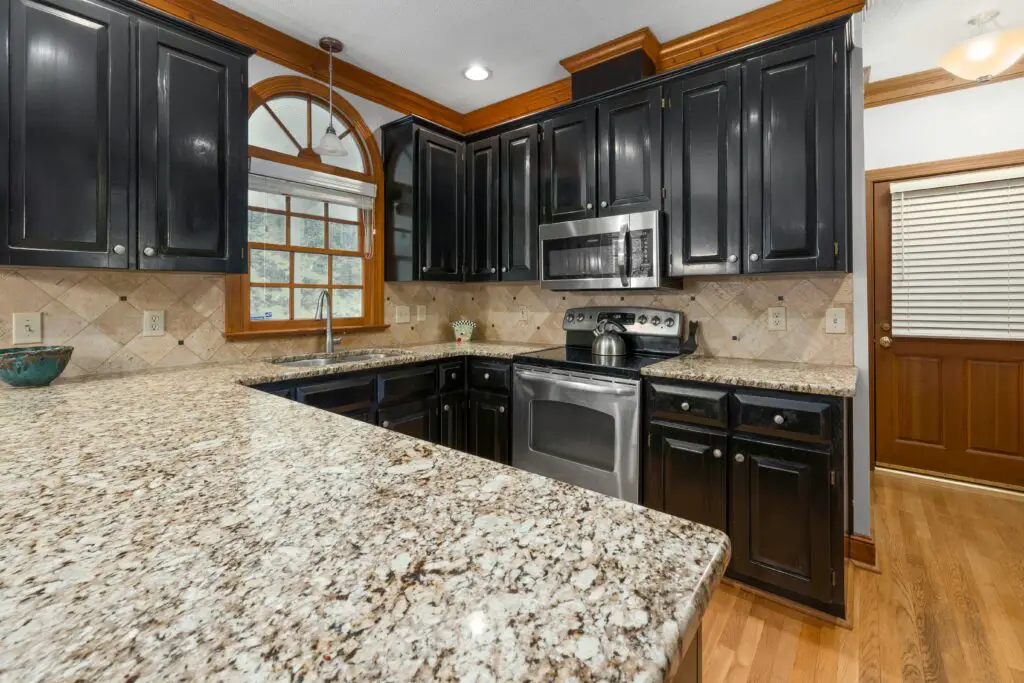
Granite has been a go-to material for decades, but consumers are moving toward options that offer easier upkeep. Materials like quartz provide similar aesthetics with greater durability and lower maintenance. As homeowners deal with stains, sealing, and chips, granite starts to feel outdated. By 2026, its reputation as a “starter luxury” may limit its appeal.
Evolving tastes also play a role in this shift. Many buyers want lighter, more consistent patterns that granite can’t always provide. Designers are leaning toward surfaces that create calmer, cleaner visuals. This gradual change suggests granite’s popularity will continue to fade.
4. Wall-to-Wall Carpeting
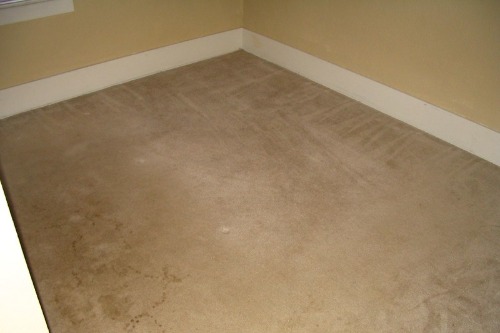
Wall-to-wall carpeting is losing ground as people prioritize durability and allergen reduction. Carpets can trap dust, dander, and odors, which turns off many health-conscious buyers. Hard surfaces like luxury vinyl or engineered wood have become more affordable alternatives. These options make carpeting feel like an outdated choice.
Another factor influencing the decline is lifestyle flexibility. Pet owners and parents often find carpeting harder to maintain. Spills, stains, and wear patterns show quickly, reducing resale appeal. By 2026, carpeting may be limited mostly to bedrooms rather than entire floors.
5. Dark Kitchen Cabinets
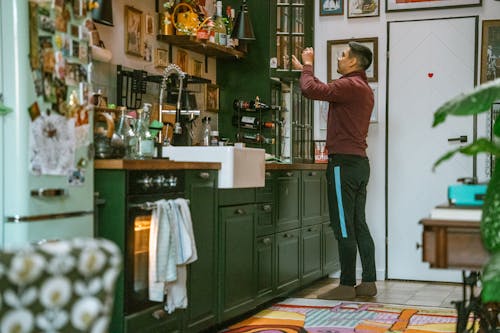
Dark cabinetry once signaled a high-end kitchen, but it’s becoming less appealing due to how much it visually shrinks a room. As trends move toward airy and bright spaces, darker tones feel heavy. Many homeowners prefer colors that reflect more natural light. This makes kitchens feel cleaner and more modern.
Maintenance concerns also play into the trend decline. Dark cabinets tend to show fingerprints, dust, and scratches more easily. Homeowners increasingly seek finishes that stay looking clean with minimal effort. As a result, dark cabinetry is less likely to remain a crowd-pleaser.
6. Built-In Entertainment Centers
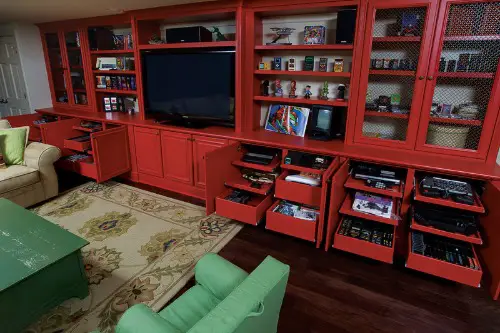
Large, immovable entertainment centers were popular when TVs were bulkier. As screens became slimmer, the need for huge cabinetry faded. Homeowners now prefer simple wall mounts or floating consoles. By 2026, the bulkier built-in version is expected to feel dated.
Flexibility is another reason these units are losing appeal. Built-ins lock homeowners into a specific layout that can’t easily adapt. Many buyers want furniture that evolves with technology and home flow. This makes modular pieces a more attractive option.
7. Sliding Shower Doors with Tracks
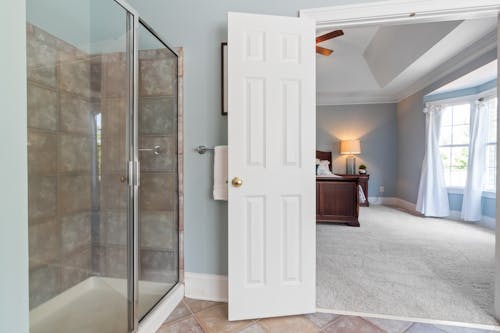
Track-style shower doors are falling out of favor because they collect grime and are difficult to clean. Many homeowners find the maintenance frustrating and time-consuming. Frameless glass options offer a sleeker look with fewer trouble spots. As hygiene and convenience matter more, the older style loses its charm.
Safety concerns also push this trend downward. Tracks can become slippery, increasing the chance of falls. Newer shower designs minimize edges and obstructions for easier movement. These practical considerations make track-style doors less desirable in the coming years.
8. Overly Themed Décor
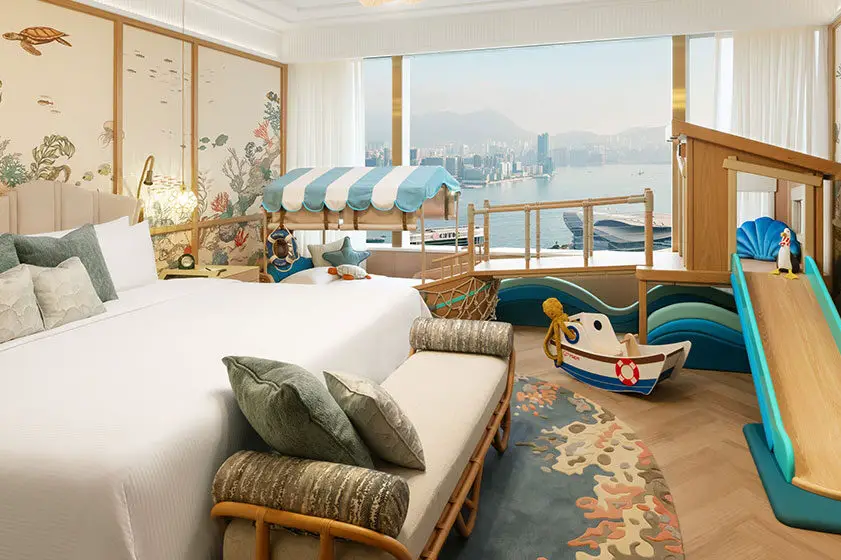
Highly themed rooms, such as full nautical or farmhouse designs, are losing momentum. Homeowners want styles that feel timeless rather than gimmicky. When décor leans too hard into a theme, it becomes difficult to update. This rigidity makes buyers hesitant.
Another issue is resale value. Potential buyers often struggle to visualize their own style in a heavily themed space. Neutral and adaptable designs make homes feel more welcoming. Because of this, themed décor is expected to fade as a mainstream trend.
9. Kitchen Desks
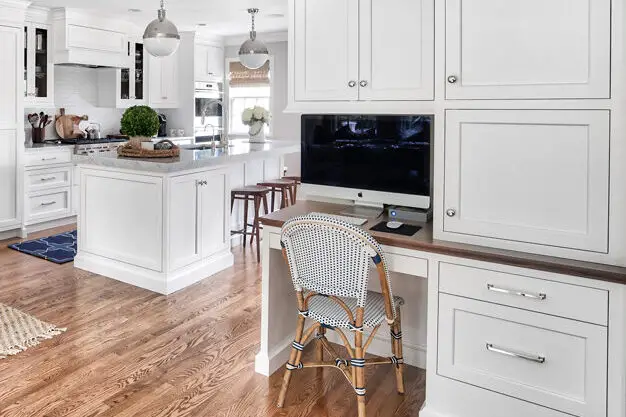
Built-in kitchen desks were once marketed as family command centers, but they’re rarely used as intended. With laptops and tablets replacing stationary setups, the dedicated desk becomes redundant. People now prefer extra pantry or prep space instead. This makes the desk area feel like wasted square footage.
Clutter is another reason these desks are declining. They often become drop zones for mail and odds and ends. Homeowners want cleaner surfaces and better storage systems. As a result, kitchen desks are losing relevance in modern layouts.
10. Faux Distressed Finishes
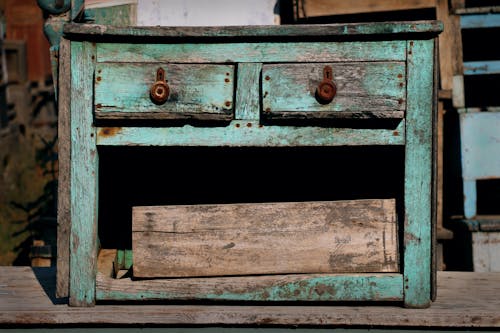
The faux-distressed look, especially in furniture and cabinetry, is starting to feel dated. Many homeowners associate it with an overdone rustic trend. As tastes shift toward cleaner, more natural finishes, the distressed style loses appeal. It can make spaces feel artificially aged rather than authentically warm.
Additionally, these finishes don’t always hold up well over time. Scratches or chips can blend unpredictably with the faux wear pattern. This makes maintenance tricky and hurts long-term aesthetic value. Buyers in 2026 are expected to favor finishes that look fresh and genuine.
11. Heavy Window Treatments
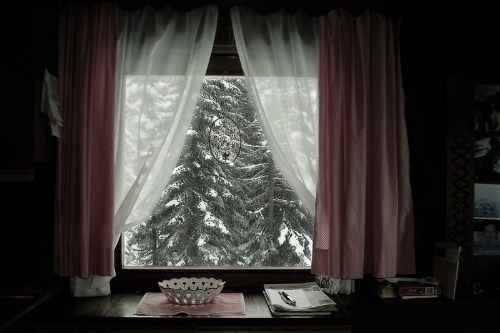
Thick drapes and layered valances are falling out of favor as people seek more natural light. These treatments can make rooms feel stuffy or old-fashioned. Homeowners increasingly prefer minimalist blinds or simple curtains. This shift aligns with brighter, cleaner interior styles.
Allergy concerns also contribute to the decline. Heavy fabrics collect dust and require frequent cleaning. Lighter window treatments are easier to maintain and replace. Because of this, bulky window coverings are expected to lose their appeal.
12. Fully Open Floor Plans
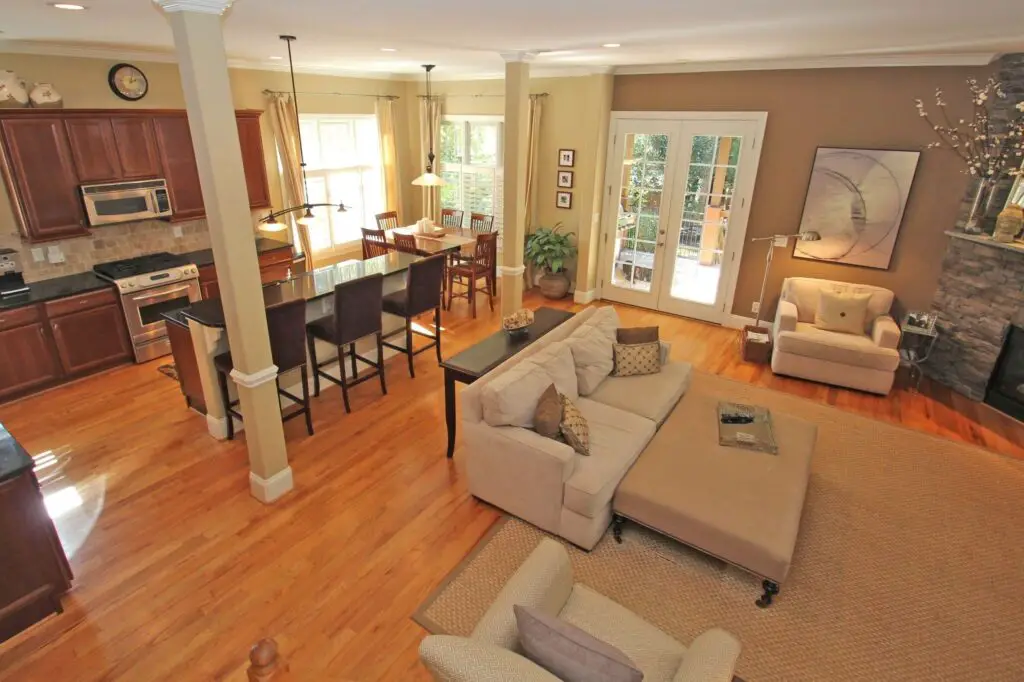
While open layouts were once the gold standard, many homeowners now want more defined spaces. Noise travel, privacy issues, and heating inefficiencies are common complaints. People discovered these drawbacks especially while working from home. In 2026, semi-open concepts may become the new preference.
Practicality is also steering this shift. Rooms with partial separation allow for better furniture placement and zoning. Homeowners enjoy having flexible boundaries without feeling boxed in. This balance suggests wide-open floor plans may continue to lose momentum.
13. Wall-Mounted Faucets
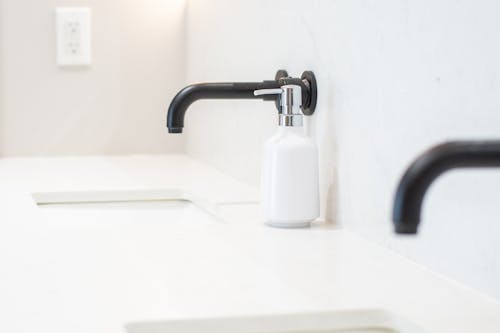
Wall-mounted faucets were once seen as sleek and modern, but they are becoming impractical for many homeowners. Installation can be more complicated, especially in existing plumbing systems, which makes it a costly feature to add. Additionally, maintenance is trickier when the faucet is mounted directly on the wall rather than above a sink. By 2026, buyers are expected to prefer more accessible faucet styles that offer convenience without sacrificing design.
Another downside is that wall-mounted faucets often create awkward splash zones. Without a proper backsplash or countertop arrangement, water can easily spill out and damage walls. Homeowners increasingly opt for traditional faucet placements, which are easier to clean and adjust. This trend suggests that wall-mounted faucets will be less of a must-have feature in future homes.
14. Overly Large Walk-In Closets
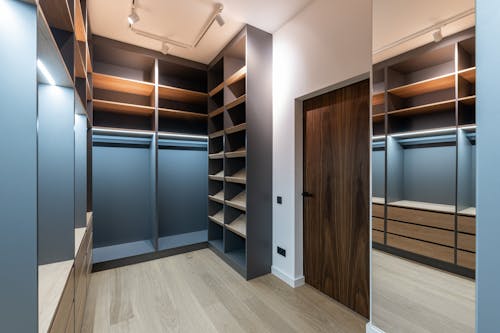
Walk-in closets have been a symbol of luxury for years, but their appeal is starting to fade. Many buyers now find these expansive spaces impractical, particularly when square footage is better utilized elsewhere in the home. The growing demand for more functional spaces, like home offices or gyms, is contributing to this shift. By 2026, homeowners are expected to opt for more modest, efficient closet systems instead of vast, underused rooms.
Additionally, a large walk-in closet requires more maintenance and organization. While they might seem ideal for storage, they can quickly become cluttered and difficult to manage. Homeowners now prefer more practical storage solutions that offer better accessibility. This trend toward efficiency is expected to drive walk-in closets out of many modern homes.
15. Sunken Living Rooms
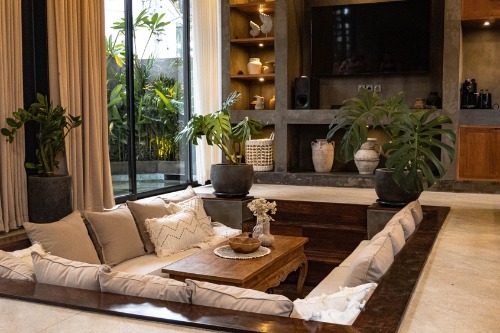
Sunken living rooms were once popular for their unique aesthetic and division of space. However, they are losing their appeal as more homeowners prefer open, level floor plans. These rooms can feel impractical, especially for families with young children or older adults, who may struggle with the steps. By 2026, single-level designs are expected to be the norm for living spaces, eliminating sunken areas entirely.
Another issue with sunken living rooms is the potential for wasted space. The step-down design can lead to unused, hard-to-access corners, making the room feel cramped. With open-concept layouts growing in popularity, homeowners are seeking versatility in every square foot of their homes. This makes sunken living rooms an outdated feature in new builds and remodels.
16. Massive Master Suites
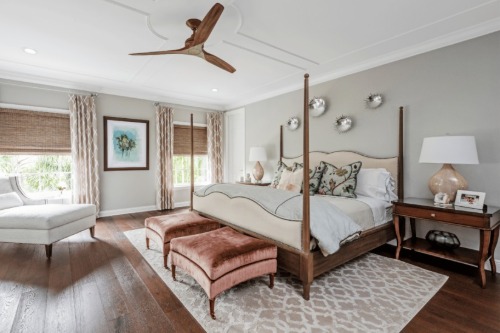
The massive master suite was once a hallmark of luxury, but larger spaces are losing their charm. Many homeowners are finding that they prefer more manageable, cozy bedrooms over oversized rooms that feel cold or impersonal. The trend toward minimalism is also contributing to this shift, as people look to downsize and simplify their living spaces. By 2026, master suites are expected to shrink, with an emphasis on efficiency and comfort over sheer size.
Practicality also plays a role in the decline of the sprawling master bedroom. Larger suites often lead to increased energy consumption, as they require more heating and cooling. Homeowners are opting for more energy-efficient layouts that maximize function and reduce excess space. This trend will make massive master suites less desirable in the coming years.
17. Sunrooms
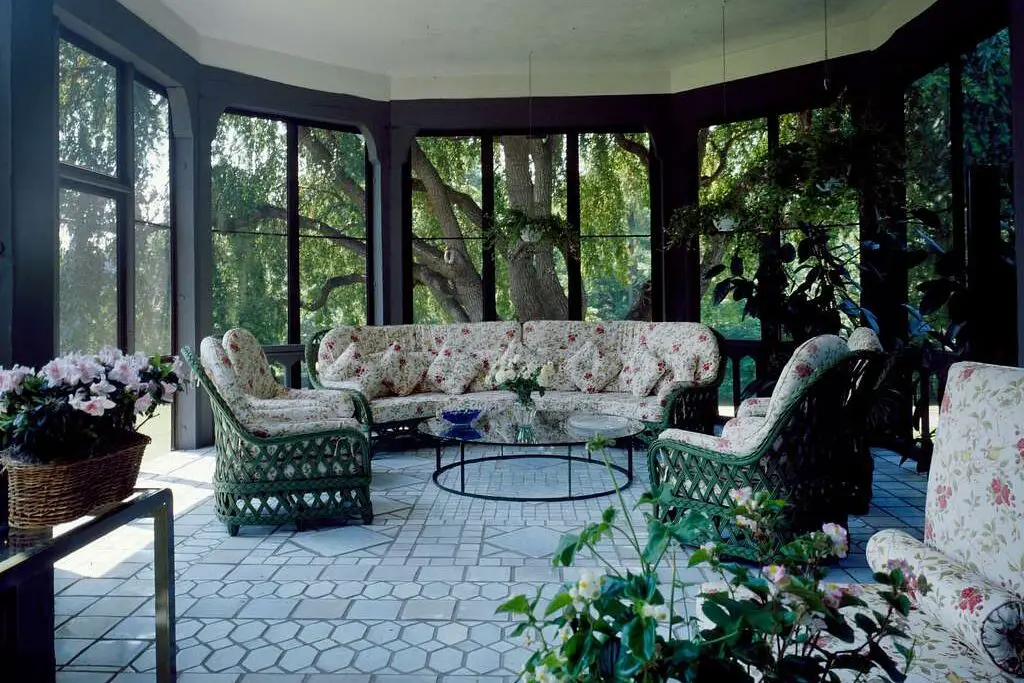
Sunrooms have long been a coveted feature, offering a space for relaxation and connecting with nature. However, these rooms are becoming less popular as homeowners shift toward more functional outdoor spaces. Instead of a sealed-off sunroom, many are opting for open decks or patios that offer flexibility for different activities. By 2026, sunrooms are expected to be seen as a luxury that doesn’t provide as much value.
Another reason for the decline is the maintenance required to keep a sunroom comfortable year-round. Many homeowners find that sunrooms can become too hot in the summer or too cold in the winter, making them less usable. With more energy-efficient homes and smarter outdoor living solutions on the rise, the sunroom may no longer be the sought-after addition it once was. This trend points to a future where outdoor spaces take precedence over indoor extensions.
18. Double Ovens
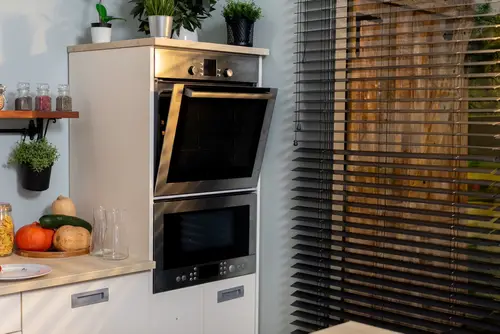
Double ovens have been a hallmark of spacious kitchens for years, but their appeal is diminishing. As smaller, more energy-efficient appliances become the norm, many homeowners no longer feel the need for this bulky feature. With cooking techniques evolving and more people turning to air fryers or pressure cookers, double ovens are losing their place in modern kitchens. By 2026, fewer buyers will prioritize double ovens in new builds or remodels.
Another factor is the shifting trend toward open-concept kitchens, where the focus is on functionality rather than excess. Double ovens take up significant space, making it harder to create an efficient kitchen layout. As families prioritize ease of use and space optimization, this once-essential feature may become obsolete. The future will likely see kitchen designs favoring more compact and versatile cooking appliances.
19. Separate Laundry Rooms
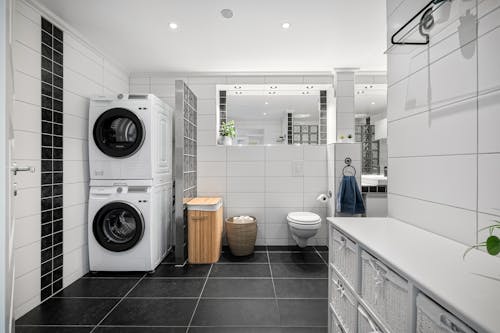
Separate laundry rooms are slowly being phased out as people seek more flexible, multifunctional spaces. Homeowners now prefer to incorporate laundry areas into mudrooms, kitchens, or even bathrooms for ease and efficiency. These integrated spaces reduce the need for an entire room dedicated solely to laundry. By 2026, many buyers are expected to prioritize multifunctional utility spaces over isolated laundry rooms.
Another issue with separate laundry rooms is the lack of practicality in smaller homes. These rooms often end up as cluttered storage spaces, making it difficult to maintain an organized and clean area. A more open and connected layout suits modern lifestyles, where convenience is key. The shift to combined laundry spaces reflects a broader trend of reducing unnecessary divisions within the home.
20. Over-Sized Outdoor Pools
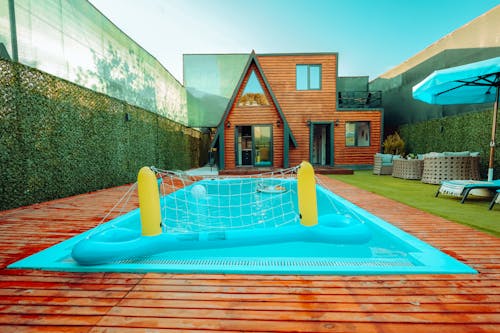
While outdoor pools have long been a symbol of luxury, their appeal is starting to wane. Many homeowners are now opting for smaller, more manageable pools, or even foregoing them altogether in favor of low-maintenance backyard features. Concerns about water conservation and maintenance costs are making large pools seem less desirable. By 2026, smaller plunge pools or spa-style water features may become the preferred choice for buyers.
The maintenance of oversized pools is also becoming a burden for many homeowners. Not only are they expensive to install, but they also require significant upkeep to stay clean and functional. With the rise of other outdoor amenities like fire pits and outdoor kitchens, large pools are increasingly seen as impractical. In the future, the trend is expected to lean more toward functional, low-maintenance outdoor spaces rather than extravagant pools.
This post 20 Home Features Expected To Lose Their Appeal in 2026 was first published on Greenhouse Black.
