
1. Smart Refrigerators With Built-In Screens
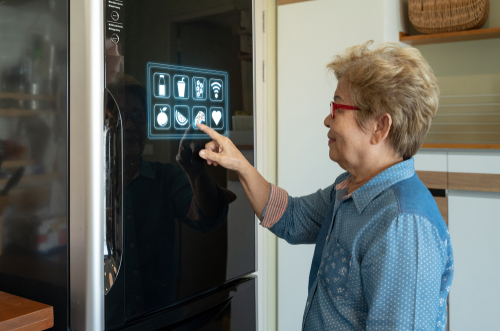
Refrigerators with large touchscreens promised to revolutionize the kitchen. In practice, many people already use their phones or tablets for the same tasks. Built-in screens can feel redundant, especially when software updates stop after a few years. The hardware often outlasts the tech inside it.
There’s also the issue of cost versus value. Smart fridges are significantly more expensive than traditional models, yet don’t necessarily perform better at keeping food fresh. When repairs are needed, they can be complicated and costly. As a result, buyers are becoming less impressed by flashy features and more focused on reliability.
2. Formal Dining Rooms
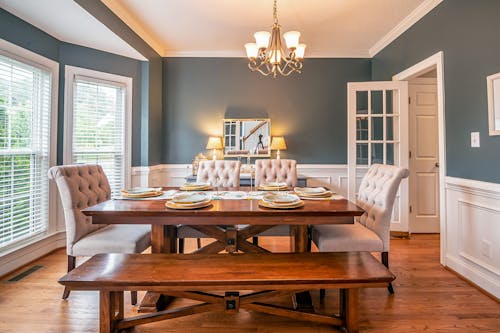
For decades, a dedicated dining room signaled that a home was “properly” designed. In reality, many households use the space a handful of times a year, usually on holidays. With open floor plans and flexible eating habits, that square footage often feels underused. Buyers are increasingly asking whether it can double as an office, playroom, or flex space instead.
People aren’t rejecting the idea of eating together, they’re rejecting rooms with a single purpose. Kitchens with islands and adjacent dining nooks now handle everyday meals just fine. When space and housing costs are tight, a room that sits empty most of the time is hard to justify. As lifestyles continue to blur work, school, and home life, the formal dining room feels less essential.
3. Oversized Jetted Bathtubs
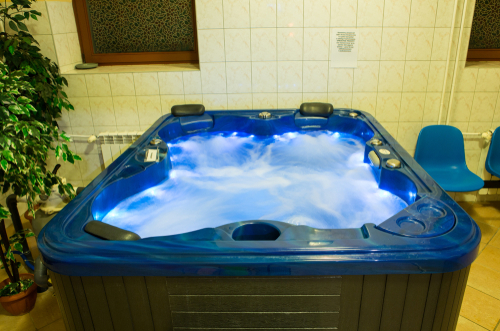
Huge whirlpool tubs were once the ultimate luxury bathroom feature. Many owners eventually realize they rarely use them, partly because they take a long time to fill and clean. The jets can also trap moisture and require maintenance that standard tubs don’t. In practice, they often become very expensive storage ledges for bath products.
Showers, especially large walk-in ones, fit modern routines better. People tend to prioritize speed and accessibility over occasional spa-style soaking. Water and energy costs also make oversized tubs less appealing than they used to be. As a result, buyers are starting to care more about a great shower than a massive bathtub.
4. Granite Countertops as a Status Symbol

Granite once functioned as a shorthand for “updated kitchen.” Today, it’s just one of many countertop options, and not always the most desirable. Quartz, porcelain slabs, and even high-end laminates offer more consistent patterns and lower maintenance. The idea that granite automatically equals luxury no longer holds.
Homeowners have also learned that granite can stain and requires sealing. As design tastes shift toward simpler, more uniform surfaces, heavily veined granite can feel visually busy. Buyers now tend to care more about durability and ease of care than the specific stone. Granite isn’t disappearing, but its prestige factor is fading.
5. Pot Fillers Over the Stove
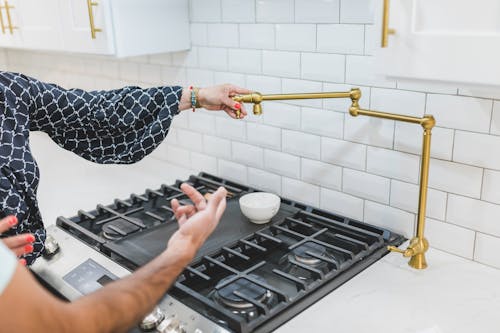
Pot fillers look impressive in listing photos and design magazines. In daily life, they solve a problem that many people don’t actually have. Most cooks still carry pots to the sink to drain them, which the pot filler doesn’t help with. That means the convenience is only partial.
They also add plumbing complexity in a place where leaks can be especially damaging. For homeowners trying to control renovation costs, the feature often feels unnecessary. As kitchens focus more on workflow and less on visual flair, pot fillers are losing their must-have status. Many people simply decide they can live without one.
6. Open Kitchen Shelving
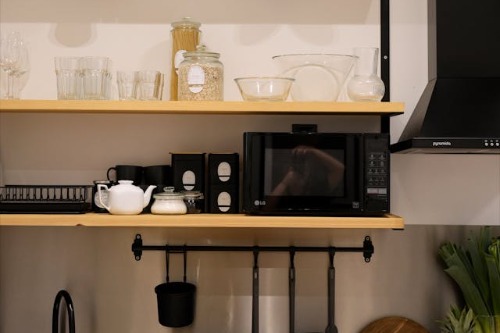
Open shelves became popular for making kitchens feel airy and styled. The reality is that they require constant tidying to look good. Everyday dishes, mismatched glasses, and food packaging are suddenly on display. For busy households, that can feel stressful rather than charming.
Dust and grease are also practical concerns, especially near cooking areas. Over time, many homeowners miss the simplicity of closed cabinets. As people prioritize function and low maintenance, open shelving is starting to feel like more work than it’s worth. Buyers may still like a small accent shelf, but not entire walls of them.
7. Wall-to-Wall Carpeting
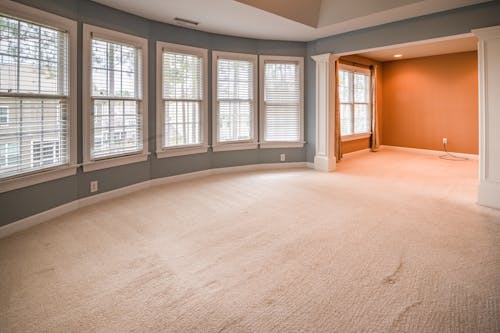
Carpet was once the default flooring choice for comfort and warmth. Today, concerns about allergens, stains, and long-term wear have changed perceptions. Hard-surface floors with area rugs offer more flexibility and are easier to clean. They also tend to age better over time.
Advances in engineered wood, vinyl plank, and tile have made those options more accessible. Buyers increasingly see carpet as something they’ll need to replace immediately. That replacement cost affects how much they’re willing to pay for a home. As a result, carpet is becoming less of a selling point and more of a drawback.
8. Dedicated Home Theaters
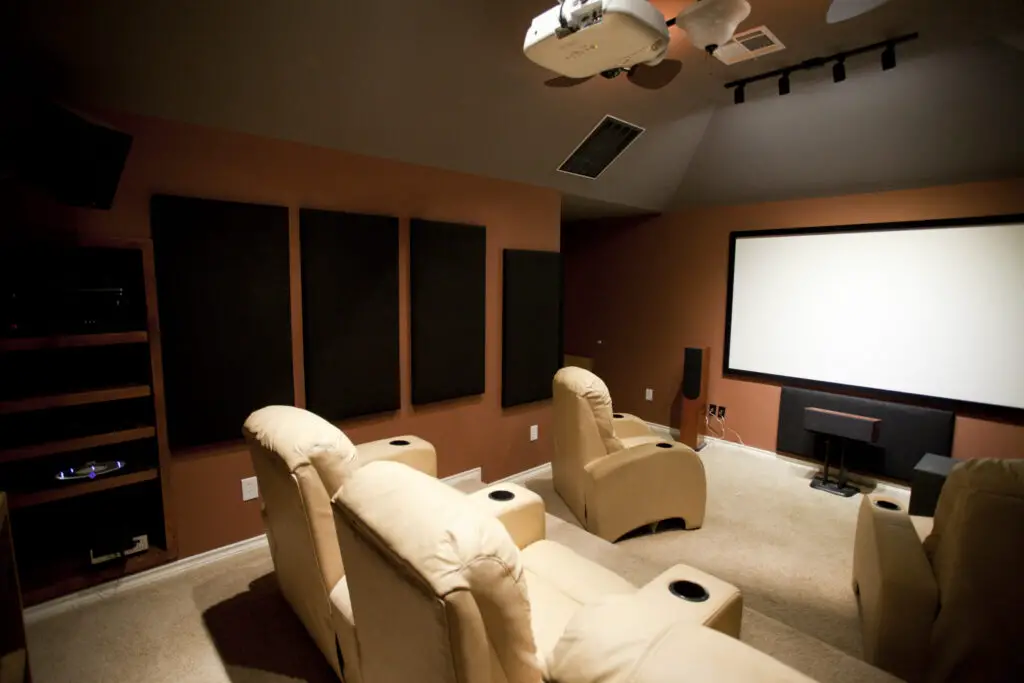
A fully enclosed home theater once represented peak luxury living. Streaming services and high-quality TVs have changed how people watch movies at home. Many families prefer flexible media rooms that can serve multiple purposes. A single-use theater can feel limiting.
Technology also evolves quickly, making built-in audio and projection systems obsolete faster than the room itself. Updating them can be expensive and complicated. Buyers often see more value in adaptable spaces than in specialized ones. The emphasis is shifting from cinematic experience to everyday usability.
9. Crown Molding Everywhere
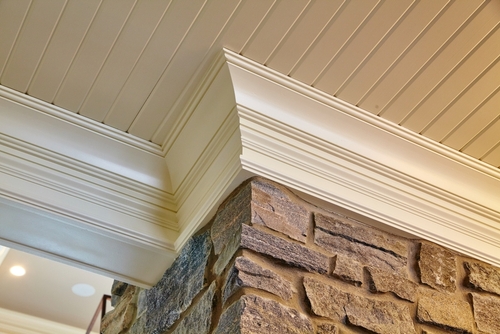
Crown molding used to signal craftsmanship and a finished look. In excess, it can make spaces feel dated or overly formal. Modern design trends lean toward cleaner lines and simpler transitions. Not every room benefits from decorative trim.
Homeowners have also become more aware of maintenance and repainting costs. Detailed molding takes time and money to keep looking sharp. As tastes move toward minimalism, people are becoming selective about where ornamentation belongs. Crown molding is becoming optional rather than expected.
10. Large Wine Cellars
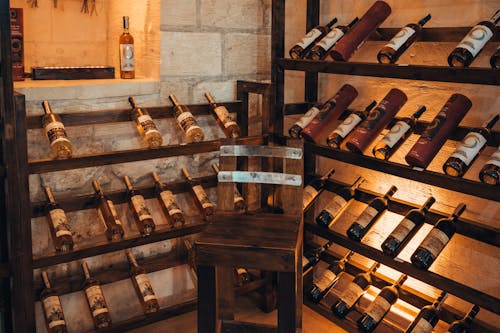
Walk-in wine cellars once conveyed sophistication and entertaining potential. Many homeowners don’t collect enough wine to justify the space. Changes in drinking habits and storage preferences have also played a role. A dedicated cellar can feel excessive for casual wine drinkers.
Temperature-controlled wine fridges offer a more practical alternative. They take up less space and can be placed almost anywhere. As homes prioritize flexibility, a room devoted solely to wine storage feels less relevant. Buyers are more impressed by adaptable storage than by niche luxury features.
11. Double-Height Entry Foyers
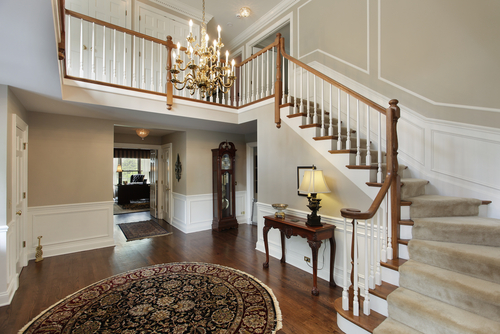
Grand foyers were designed to make a dramatic first impression. While visually striking, they don’t always serve a practical purpose. The extra vertical space can’t easily be used for storage or living. It also increases heating and cooling costs.
Many buyers now prefer square footage that supports daily life. A welcoming but efficient entry with closets and seating often feels more useful. Cleaning high windows and walls can also be a hassle. Over time, the wow factor tends to wear off, leaving questions about wasted space.
12. Gas Stoves as a Must-Have Feature
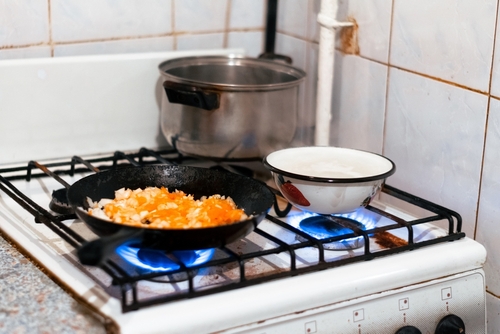
Gas stoves were long seen as the gold standard for serious cooks. Induction cooking has challenged that assumption by offering fast, precise heat with better energy efficiency. Many people also appreciate that induction stays cooler and is easier to clean. The performance gap has narrowed significantly.
Health and ventilation concerns have also made buyers more thoughtful about gas appliances. While gas isn’t disappearing, it’s no longer automatically preferred. People are increasingly open to alternatives that fit their lifestyle and values. As a result, gas stoves are losing their status as a universal selling point.
13. Built-In Desk Niches
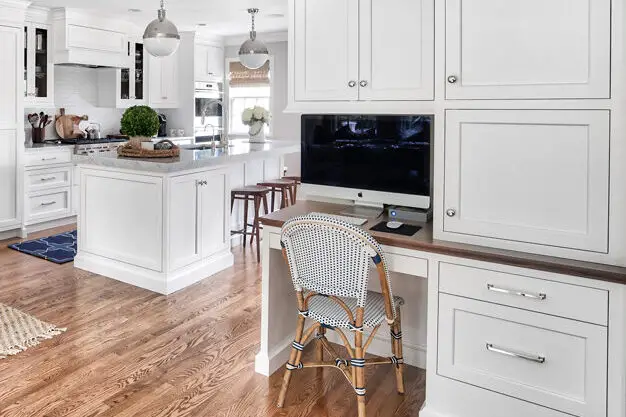
Built-in desk areas once seemed like a smart way to integrate workspaces into homes. Over time, many people realized these nooks were often too small, awkwardly placed, or poorly lit. As work-from-home needs became more serious, the limitations of fixed desks became obvious. A space designed for occasional laptop use rarely adapts well to full-time work.
Flexibility has become more important than permanence. Buyers increasingly want rooms that can shift between office, guest space, or hobby area. A fixed desk can actually limit how a room functions in the future. As a result, built-in desk niches are starting to feel like a dated solution to a changing problem.
14. Massive Kitchen Islands With Seating for Everyone
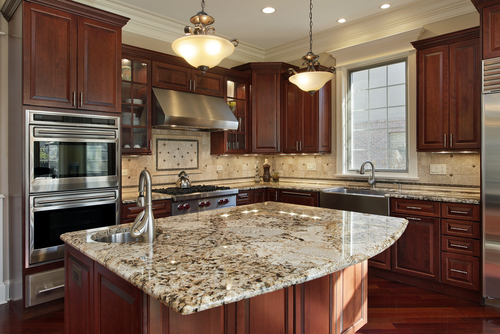
Large kitchen islands were meant to be the heart of the home. In practice, oversized islands can disrupt traffic flow and dominate the room. Many families find that only a couple of seats are used regularly. The rest of the surface often becomes a clutter magnet.
Smaller, better-proportioned islands tend to work better for daily life. Buyers are paying more attention to how kitchens move rather than how many stools fit at once. An island that looks impressive but feels cramped around the edges loses its appeal. Function is beginning to outweigh sheer size.
15. Built-In CD and DVD Storage
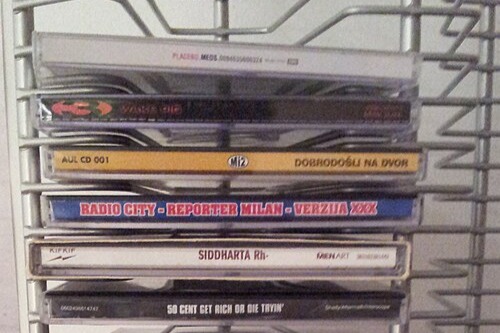
Custom shelving for physical media once made perfect sense. Streaming services have drastically reduced the need for visible CD and DVD collections. Those built-ins now sit partially empty or get repurposed in awkward ways. What once felt personalized can now feel obsolete.
Homeowners are learning that technology changes faster than cabinetry. Fixed storage designed around a specific format doesn’t age well. Buyers often see these features as something to remove or modify. As digital media continues to dominate, dedicated storage for discs is becoming unnecessary.
16. Overly Themed Rooms

Themed rooms were designed to make a strong visual statement. Pirate bedrooms, Tuscan kitchens, or Paris-inspired bathrooms can be fun at first. Over time, they tend to feel restrictive and hard to update. Tastes change faster than walls and finishes do.
Buyers generally prefer neutral spaces they can make their own. A highly specific theme often means extra renovation work. What feels charming to one person can feel overwhelming to another. As resale considerations grow, themed rooms are losing their appeal.
17. Built-In Intercom Systems
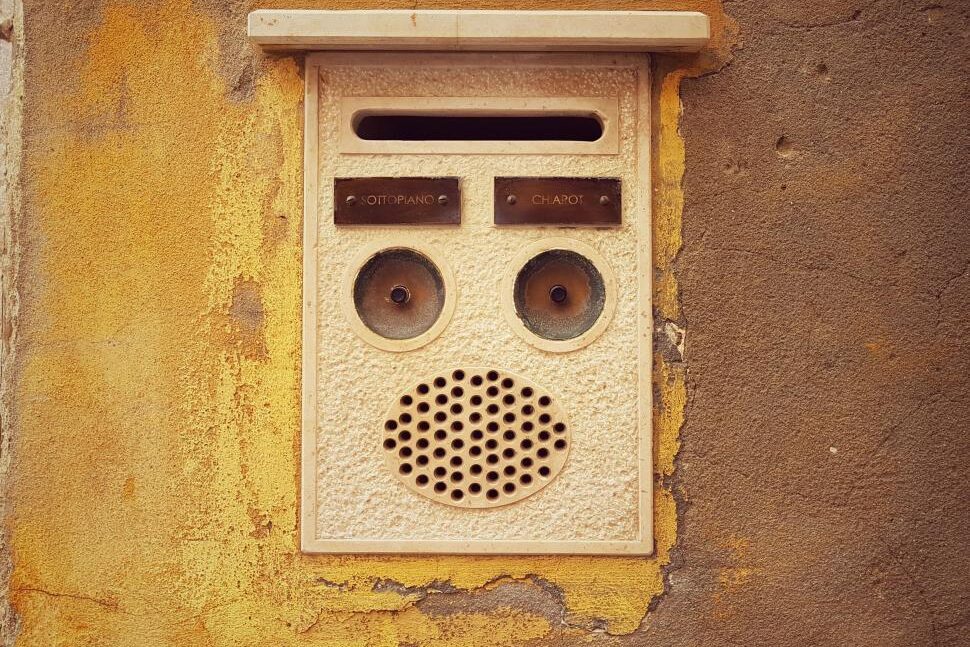
Intercom systems were once a cutting-edge home convenience. Smartphones and smart speakers now handle communication far more effectively. Many built-in intercoms sit unused, with outdated controls and poor sound quality. They often become visual reminders of past tech trends.
Maintenance and repairs can also be an issue. Replacement parts are hard to find, and upgrades rarely feel worth the cost. Buyers may view these systems as clutter rather than value. The idea of built-in intercoms is quietly fading away.
18. Sunken Living Rooms
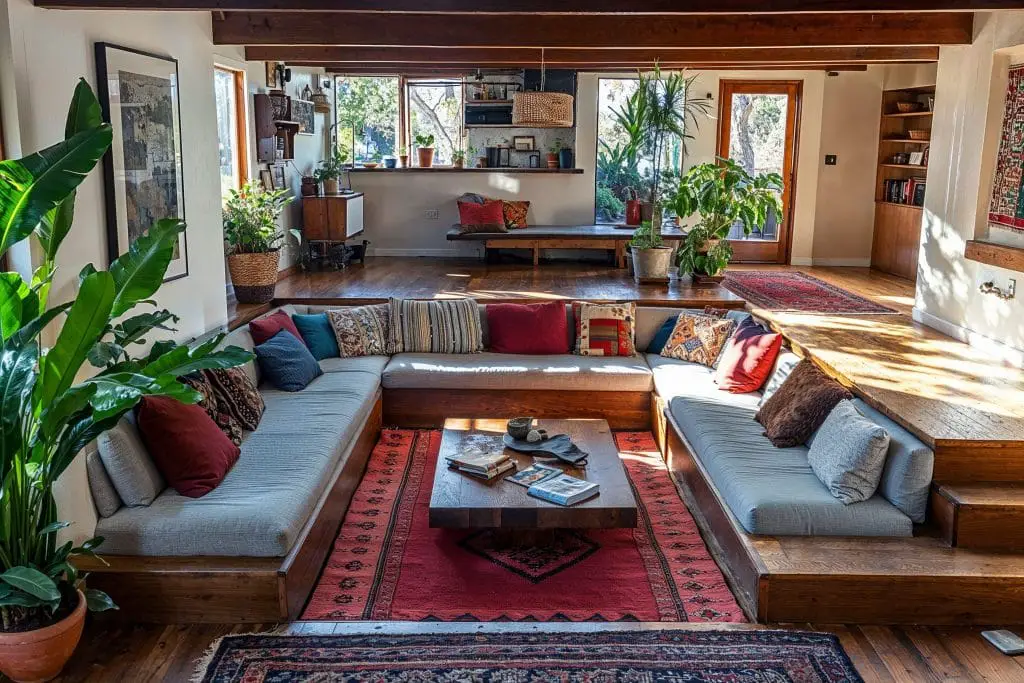
Sunken living rooms were popular for defining spaces in open homes. Today, they’re often seen as unnecessary level changes. Steps can pose accessibility and safety concerns for both kids and adults. Furniture placement can also be more challenging.
Modern design favors smoother transitions between spaces. Buyers tend to prefer consistent floor levels that feel open and adaptable. Remodeling a sunken room can be expensive, which affects perceived value. As a result, the feature is losing favor.
19. Decorative Ceiling Medallions
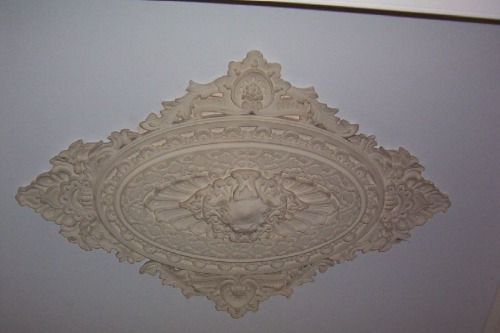
Ceiling medallions once added elegance to light fixtures. In many homes, they now read as overly ornate. Simpler lighting designs have made these details feel excessive. Not every space benefits from added decoration overhead.
They also require careful cleaning and occasional repainting. For homeowners focused on low-maintenance living, that’s a downside. Buyers increasingly prefer clean ceilings with minimal visual interruption. Ceiling medallions are becoming less expected than they once were.
20. Separate Living Rooms and Family Rooms
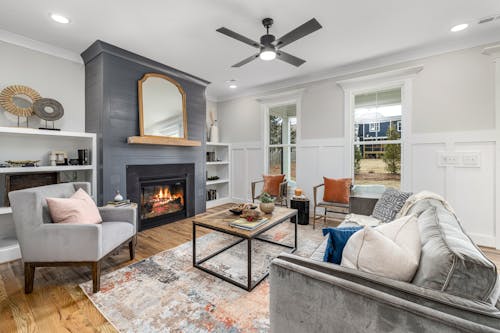
Homes with both a living room and a family room were once highly desirable. In reality, one of the rooms often goes largely unused. Families tend to gather in a single, comfortable space. The second room can feel redundant.
As floor plans shrink and flexibility matters more, duplicate spaces lose value. Buyers ask how every room fits into daily routines. Extra rooms without a clear purpose feel wasteful. The trend is shifting toward fewer but more versatile living areas.
21. Built-In Fax and Phone Stations
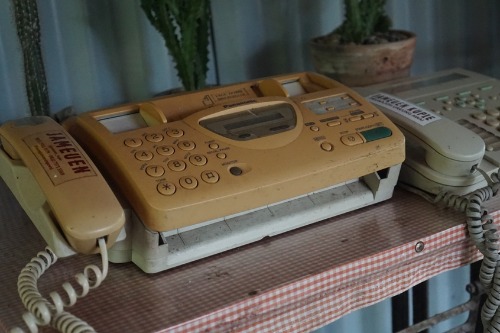
Dedicated phone and fax areas were once considered practical. Today, they highlight how quickly communication habits have changed. Many of these stations sit empty or get filled with random items. They no longer match how people actually work or communicate.
Removing or repurposing them can take effort. Buyers may see them as a reminder of outdated design priorities. Flexible storage or charging stations make more sense now. Purpose-built phone areas are quietly disappearing.
22. Elaborate Window Treatments Included With the Home
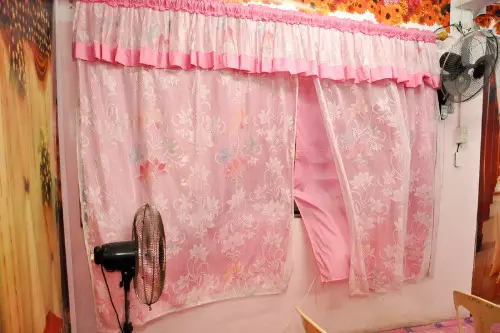
Heavy drapes and custom valances were once seen as a bonus feature. Many buyers now plan to replace them immediately. Personal taste plays a huge role in window treatments. What one owner loved may not suit the next.
Maintenance is another concern, especially with layered fabrics. Simple blinds or shades feel more modern and adaptable. Buyers often prefer a clean slate over ornate coverings. As a result, elaborate window treatments are losing their perceived value.
This post Home Features People Expect to Stop Caring About Soon was first published on Greenhouse Black.
