
1. Smart Door Locks That Fail During Outages
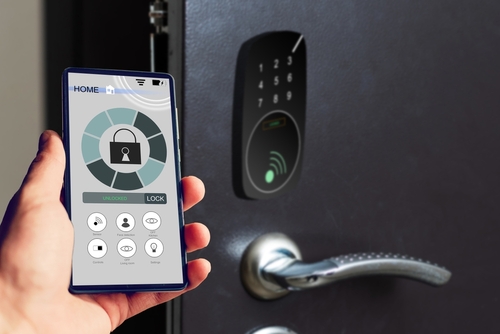
Smart door locks are great until the power or Wi-Fi drops, leaving homeowners locked out—or worse, stuck with a door that won’t lock properly. Insurers may view these devices as higher risk because outages can cause security lapses at unpredictable times. The issue becomes even bigger for people who forget to set up manual overrides. As reliability concerns grow, these locks may come with higher premiums.
Another challenge is the rise in cyber vulnerabilities that target smart home devices. A lock that can be hacked is a lock that can be breached without damage, making claims harder to detect or prove. Insurers tend to penalize anything that blurs the line between malfunction and negligence. As these devices spread, insurance companies may tighten rules around installation and maintenance.
2. Rooftop Solar Panels Overloaded by Extreme Heat
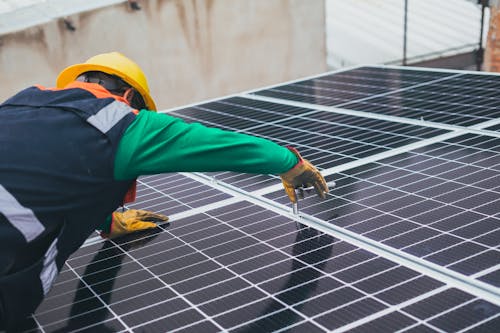
Solar panels are built to withstand sun, but increasingly intense heat waves can overtax systems and shorten their lifespan. Some panels degrade faster, while others pose fire risks when components overheat. This makes them more expensive for insurers, especially in regions already facing wildfire pressure. Homeowners might see insurers asking for specific panel types or professional inspections.
The weight of the panels can also become a liability on older roofs. Heat can weaken underlying structures, compounding the risk of collapse. Insurers generally respond to stacked risk factors like this with higher premiums. As climate extremes get worse, rooftop solar might require extra documentation just to stay eligible for coverage.
3. Backyard ADUs Built Without Climate-Resilient Materials
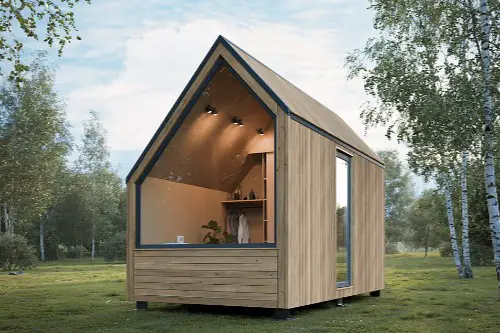
Accessory Dwelling Units are booming, but many are built quickly and with minimal weather reinforcement. Insurers are worried that budget-friendly builds won’t hold up to storms or intense heat. A single poorly built add-on can increase claim likelihood for the entire property. In 2026, insurers may start scrutinizing these structures more closely.
Homeowners also sometimes skip permits to save money. That creates a massive headache for insurance providers, who often deny claims for unpermitted structures. If ADUs continue to pop up as fast as they are now, insurers will likely require proof of compliance before offering coverage. Even small oversights could turn into unexpected liabilities.
4. Overused Backup Generators Near Flammable Landscaping
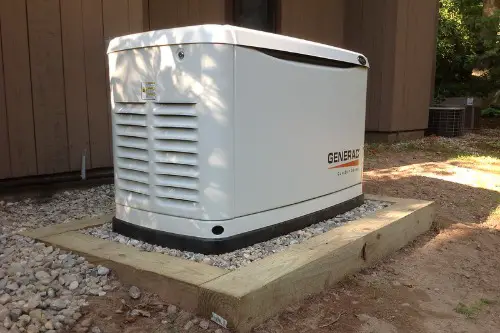
Portable and permanent generators have become a staple during grid instability. But when they’re surrounded by dry vegetation or placed too close to structures, they pose fire risks. Insurers are already paying attention to generator-related claims that stem from improper placement. As outages increase, insurers may raise premiums for homes using them regularly.
Another issue is fuel storage, which many homeowners underestimate. Improperly stored gasoline or propane can turn a minor accident into a serious hazard. Insurers will likely tighten rules around container types and placement. Homes that don’t meet those guidelines may face coverage limits.
5. Luxury Outdoor Kitchens Lacking Proper Ventilation
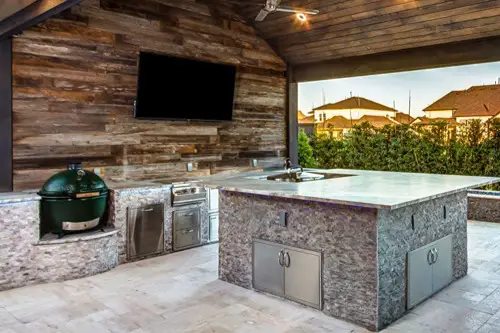
Outdoor kitchens have evolved into full-scale cooking spaces, but many are squeezed into compact patios without enough airflow. This leads to heat buildup and increases the chance of grease fires. Insurers may view these setups as riskier, especially when gas lines are involved. As the trend expands, so will the underwriting concerns.
Weather exposure also speeds up wear and tear on appliances. Corroded gas fittings or cracked electrical wiring can trigger expensive accidents. If homeowners don’t maintain these areas, insurers may mark the negligence as a liability. Premiums could rise for outdoor cooking spaces without documented inspections.
6. Rainwater Harvesting Tanks Installed Without Overflow Systems
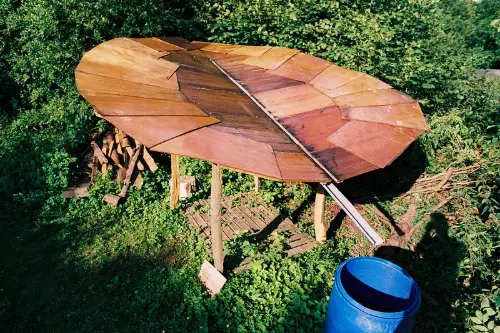
Rainwater systems are eco-friendly, but when a tank overfills, it can cause flooding or soil erosion. Insurers dislike preventable water damage, especially when a simple overflow valve could fix it. As DIY installations grow, improper setups may become a red flag for insurers. Homes without proper drainage might see higher premiums.
Heavy rainfall events are becoming more unpredictable. Tanks not designed for sudden water surges can crack or topple. Insurers will likely treat inadequate foundations as an easily avoidable risk. Expect stricter installation standards to emerge in coverage agreements.
7. Indoor Hydroponic Gardens Increasing Moisture Levels

Hydroponic systems are becoming more popular indoors, but they introduce elevated humidity. Excess moisture can warp wood, damage drywall, and encourage mold growth. Insurers consider mold one of the costliest and most preventable hazards. As these systems grow in popularity, they may trigger premium hikes.
Even well-run hydroponic setups rely on pumps and sensors that can fail. A pump malfunction can flood an entire room within minutes. Insurers may eventually treat hydroponic gardens similarly to fish tanks—requiring safeguards to limit water damage. Without them, claims might get denied.
8. Home EV Chargers Installed on Older Electrical Panels
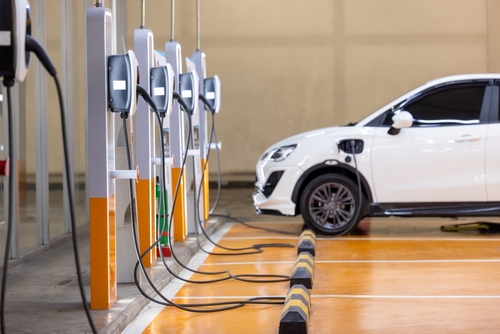
Electric vehicle adoption is rising, and at-home chargers are mainstream now. But many older homes still run on outdated electrical panels that struggle with the load. Insurers may see this mismatch as an electrical fire risk. Homes that don’t upgrade their panels might be flagged for liability.
Improper installation adds another layer of risk. DIY setups can lead to overheating or circuit failures. Insurers prefer certified installers and may require documentation. As EV adoption continues, this will become a routine underwriting concern.
9. Smart Irrigation Systems That Overwater During Sensor Failures
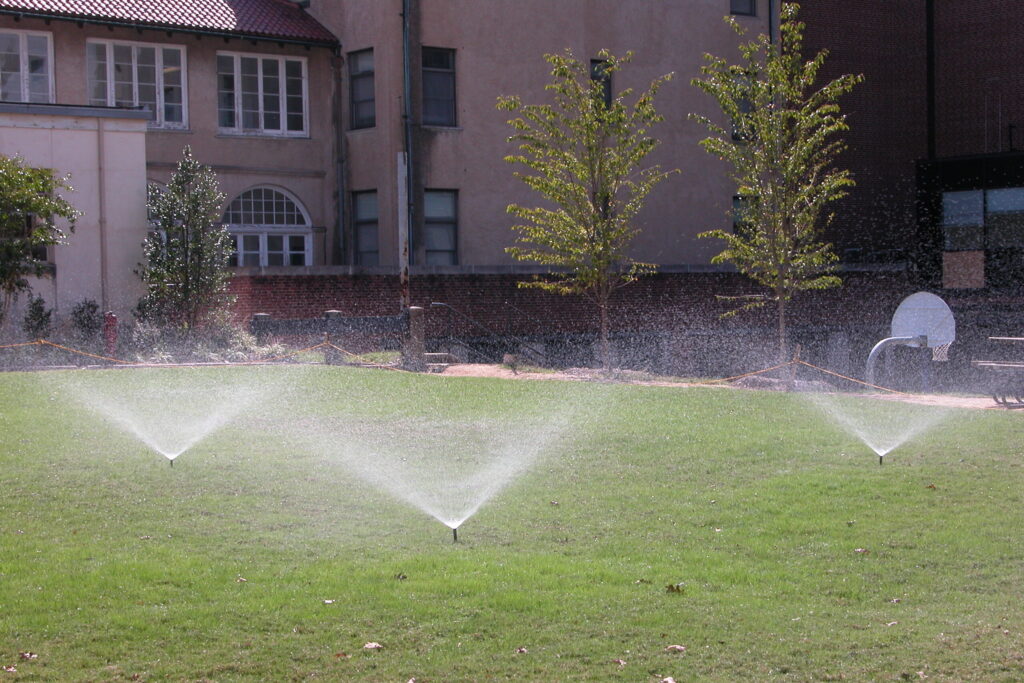
Smart sprinklers are designed to conserve water, but sensor glitches can cause them to run nonstop. This leads to property flooding or damage to home foundations. Insurers dislike claims that come from faulty sensor tech, especially when homeowners assume the system is entirely hands-off. As these systems spread, insurers may highlight them as maintenance-sensitive devices.
Waterlogged soil can also attract pests or weaken retaining walls. Over time, those issues can lead to expensive structural repairs. Insurers will likely encourage regular manual checks to avoid unexpected damage. If homeowners ignore those checks, it could impact claim approval.
10. Retractable Roofs on Sunrooms and Patios
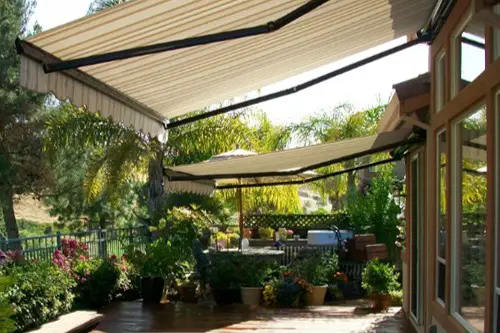
Retractable roofs are trendy, but their motors and joints can fail during storms. When a roof gets stuck halfway open, it allows rain or debris to enter the home. Insurers may see these systems as unpredictable exposures. In 2026, expect more scrutiny on maintenance records.
Wind damage is another concern. A partially retracted roof can act like a sail, increasing the chance of detachment. Insurers typically classify wind-related mechanical failures as preventable when upkeep is lacking. Homes with older systems might face higher deductibles.
11. High-Capacity Battery Walls Without Temperature Control
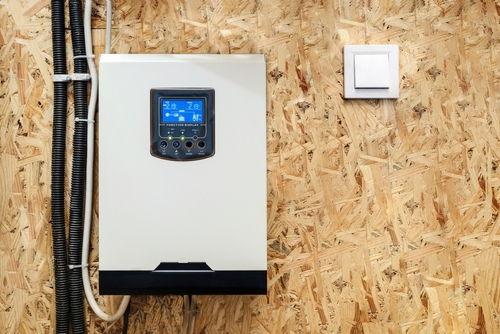
Battery walls are becoming common for storing solar energy, but they must be kept within safe temperature ranges. Overheating can reduce battery life or even trigger fires. Insurers are cautious with large energy storage systems due to known thermal risks. Homes lacking proper ventilation may see higher premiums.
Cold weather issues also matter. Extreme cold can cause batteries to malfunction or fail entirely. Replacement costs are high, which means insurers will monitor how these units are installed. Expect temperature control requirements to become standard.
12. DIY Gray Water Recycling Systems
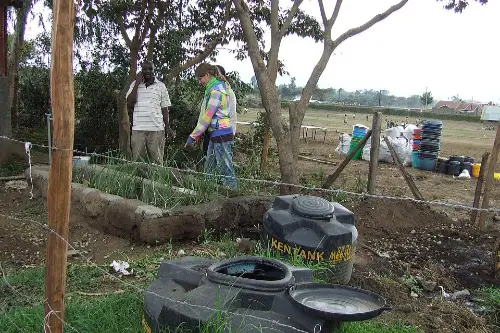
Gray water systems can save money, but DIY versions often lack proper filtration. When recycled water is incorrectly rerouted, it can cause pipe corrosion or bacterial contamination. Insurers will likely classify poorly built systems as preventable hazards. As more homeowners install them, oversight may increase.
These systems also require regular cleaning. Sediment buildup or clogged hoses can lead to backups that damage bathrooms or laundry rooms. Insurers may require proof of maintenance to process related claims. Homes without documentation could face higher risk ratings.
13. Indoor Saunas and Steam Rooms in Small Homes
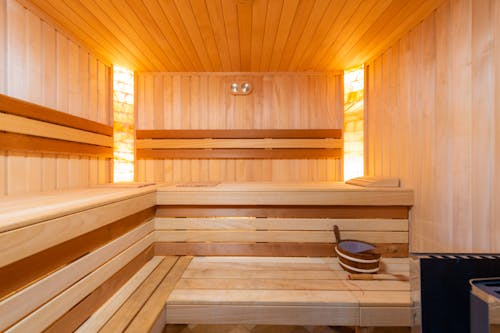
Saunas and steam rooms are becoming more affordable, but installing them in small homes can cause ventilation issues. Excess heat and moisture can warp walls or cause mold. Insurers see moisture-related structural problems as major, avoidable liabilities. Poorly installed units will likely face the biggest scrutiny.
Electrical wiring is another concern. High humidity can corrode wiring or cause shorts, especially in older homes. Insurers may start requiring certified installation and ventilation plans. Without those assurances, premiums could rise quickly.
This post 13 Home Features Predicted To Become Unexpected Insurance Liabilities in 2026 was first published on Greenhouse Black.
