
1. Garage Conversions
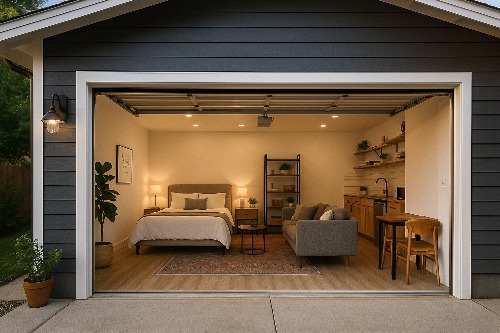
Turning your garage into an office or guest room sounds clever, especially for extra living space. But appraisers tend to see it as a loss of utility since garages are valuable for parking, storage, and resale flexibility. A converted garage usually isn’t considered true “livable square footage” unless it’s fully permitted and insulated to code. Even then, buyers often miss the garage more than they appreciate the new room.
Appraisers also know that converted spaces can signal inconsistent workmanship. If the flooring, insulation, or HVAC system doesn’t match the rest of the home, that inconsistency can reduce value. Many buyers also calculate the cost of converting it back, which effectively lowers what they’re willing to pay. So even if it’s beautiful, it might still dock your home’s appraisal.
2. Overbuilt Custom Cabinets
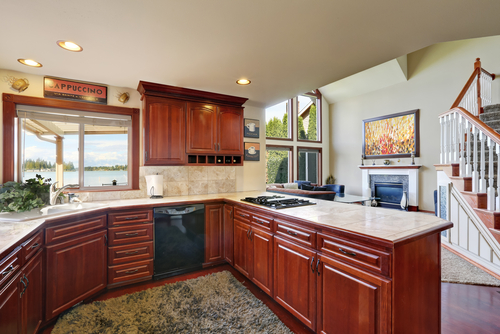
Beautiful, floor-to-ceiling cabinets can make a kitchen look straight out of a design magazine. But appraisers often view highly customized cabinetry as a liability, not a bonus. That’s because it limits how future buyers can use the space, especially if the design is too specific to one style. The more “tailored” the cabinets, the less likely they’ll match what most buyers want.
Even if you spent thousands on top-tier materials, the return doesn’t always show up in your appraisal. Appraisers compare your home to others in the area, and few will have the same one-of-a-kind layout. That means your custom investment might not fit into comparable sales, which are key for valuation. So while it looks luxury, it doesn’t always translate into measurable worth.
3. Luxury Flooring Upgrades
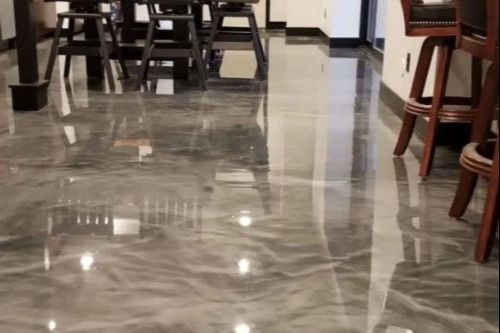
Exotic hardwoods, marble, or hand-scraped finishes can make your home feel upscale. But appraisers generally use standard materials like oak or tile as the pricing baseline. If your flooring is rare or overly high-maintenance, it doesn’t necessarily score higher—it just narrows the appeal. Buyers may even see it as a future upkeep cost rather than a premium feature.
The problem is that style and practicality don’t always align in market terms. Scratches, dents, or water sensitivity can quickly turn an “upgrade” into a concern. Appraisers assess flooring on condition and compatibility with the neighborhood, not extravagance. So the more specialized the material, the less likely it is to boost your value.
4. Built-In Entertainment Centers
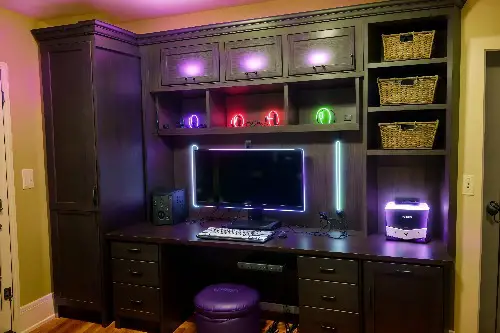
Custom media walls make a living room look sleek and intentional. But appraisers often treat them as fixed furnishings rather than value-adding improvements. The more integrated they are, the harder it is for new buyers to change or repurpose the space. If someone prefers a different setup, your built-in becomes a project—not a perk.
Even high-end finishes won’t guarantee higher appraisal credit. That’s because built-ins are highly personal and can date quickly as technology changes. A wall designed for a certain TV size or configuration can feel outdated in just a few years. Appraisers value flexibility, and permanent structures usually work against that.
5. Themed or Custom Painted Rooms

It’s fun to design a room with character—say, a muraled nursery or coastal-inspired bedroom. But appraisers don’t award points for creativity; they look at how easily a home can appeal to a wide market. Strong themes or bold colors make spaces feel less versatile, which can make your home harder to compare with neutral ones nearby. What feels like charm to you might register as “extra work” to a buyer.
Even repainting costs, while small, play into buyer psychology. Appraisers know that overly personal design choices can shrink your buyer pool. If someone sees repainting or remodeling as inevitable, they’ll mentally lower the home’s perceived value. A neutral, adaptable space almost always wins on paper.
6. Overdone Landscaping
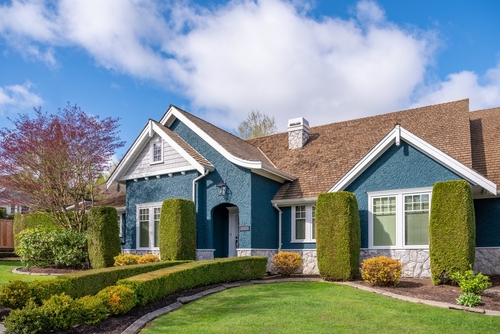
Elaborate gardens, fountains, and retaining walls can make your property stand out—but not necessarily for the better. Appraisers base outdoor value mostly on usability and maintenance expectations. If your landscaping looks expensive to maintain, that can actually decrease appeal. Buyers often want a yard they can enjoy, not one they have to constantly manage.
Maintenance-heavy features also raise concerns about future costs. A koi pond, for example, might be stunning but comes with year-round upkeep that not everyone wants. Appraisers look for landscaping that enhances function—like patios or clean lawns—rather than luxury flourishes. Overdesigning your yard might impress visitors but won’t impress the valuation report.
7. Custom Tile or Mosaic Work
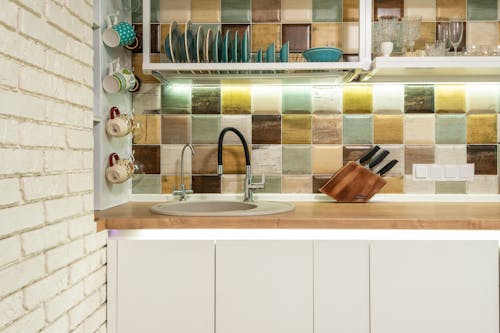
A hand-laid tile backsplash or mosaic shower can look artistic and expensive. Unfortunately, appraisers treat those details as decorative rather than structural improvements. What’s “bespoke” to one person is “too specific” to another, which lowers its market reach. Since they’re costly to replace, custom tiles often count as a neutral—or even negative—feature.
Even high-end materials don’t always earn bonus points. Appraisers consider whether your finishes align with comparable homes, not how much you personally spent. If neighboring homes have neutral tile or standard finishes, your ornate design can actually hurt your comparability. In short, personality in tile rarely translates into price.
8. Removing a Bedroom for Closet Space
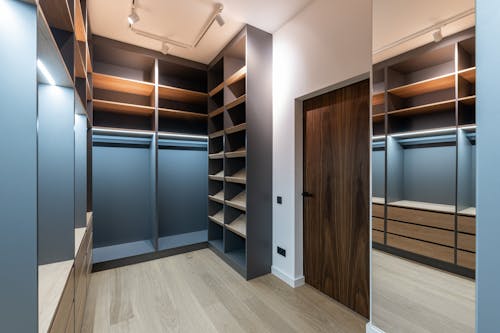
Turning a small bedroom into a giant walk-in closet might feel luxurious. But in the eyes of an appraiser, you’ve just reduced your home’s functional bedroom count. Since number of bedrooms is a major metric for valuation, this can dramatically lower your property’s comparative standing. Even if the new closet looks incredible, it rarely offsets the loss of a sleeping space.
Appraisers value flexibility over flair. A house that can accommodate more people or uses will always rank higher. When you remove a bedroom, you limit potential buyers—families, roommates, or anyone needing extra space. So while your closet may feel “custom,” your home’s worth likely took a hit.
9. Smart Home Overload

Installing smart thermostats, lighting, or security systems can make your home feel cutting-edge. But appraisers generally don’t adjust value for technology upgrades, especially those that age quickly. Systems tied to specific brands or apps can even be seen as short-lived investments. Once they become outdated, they lose their functional appeal entirely.
Appraisers focus on permanent, physical improvements that affect livable condition. Smart features don’t usually fit that category unless they’re part of a larger energy efficiency upgrade. Buyers also have mixed reactions—some love the convenience, others prefer simpler systems. What’s “high-tech luxury” to you might be “future hassle” to someone else.
10. Backyard Additions Like Pizza Ovens or Bars

Outdoor kitchens and built-in pizza ovens have a certain wow factor. But appraisers rarely factor in those niche additions unless they’re common in your neighborhood. Most buyers view them as lifestyle perks, not necessities, and might even see them as maintenance items. The more permanent and specific they are, the less flexible your outdoor space becomes.
Even when beautifully done, these additions don’t always improve appraised square footage or core livability. Appraisers care more about foundational elements like decks, patios, and usable yard space. Unless you live in a region where outdoor cooking is a year-round norm, these extras often fall flat. They’re great for entertaining—but not for boosting your bottom line.
11. Built-In Hot Tubs or Saunas
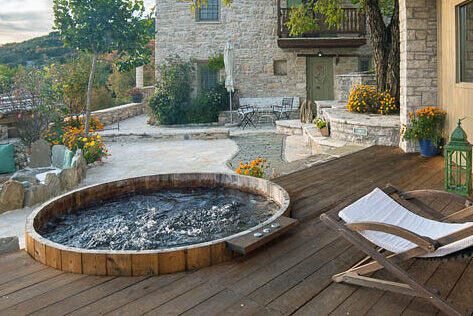
A home spa setup sounds luxurious, but appraisers often see it as an added risk. Built-in hot tubs and saunas raise red flags for maintenance costs, moisture damage, and potential liability. Unless they’re standard in your area, they’re more novelty than value booster. Many buyers actually consider them removal projects rather than perks.
Even if professionally installed, these features often get minimal credit in appraisal reports. They don’t expand usable space or improve energy efficiency—two areas that do impact value. Over time, they can also date the home if not updated regularly. So while you may feel like you’re living in a resort, the appraisal won’t agree.
12. Overly Complex Lighting Systems
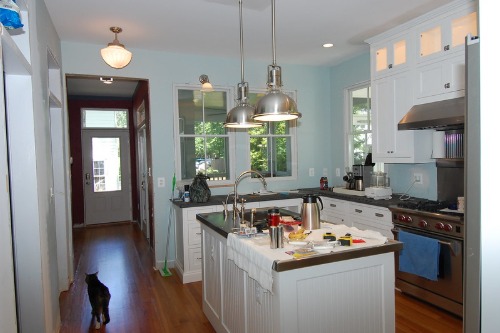
Layered lighting and custom fixtures can make a space feel theatrical. But if they require special wiring or app controls, appraisers don’t see them as standard enhancements. They focus on basic functionality—whether the space is adequately lit, not whether it’s customizable to color or mood. Overcomplicated systems can even be a turnoff for buyers unfamiliar with the tech.
Replacing or maintaining those fixtures can also be costly. Appraisers know this and may note potential repair expenses in their report. What’s “custom ambiance” to you can feel like “extra hassle” to someone else. Simple, universally appealing lighting tends to hold its value best.
This post 12 Home Features That Look Custom — But Secretly Lower Appraisal Value was first published on Greenhouse Black.
