
1. Outdated or Unsafe Electrical Panels
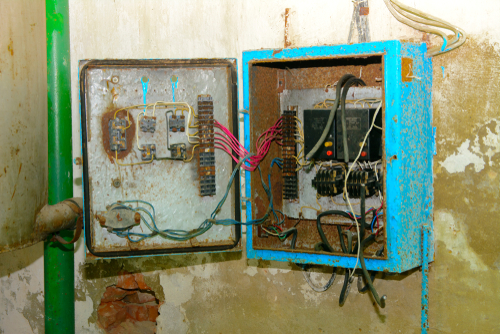
Old or visibly altered electrical panels can raise concerns about wiring quality. Buyers may assume DIY work or outdated systems lurk behind the walls. Even if the home functions fine, the panel sets the tone. It can make people question overall safety.
The concern is that electrical upgrades can be costly and require professional intervention. Buyers may worry about fire risks or the need for a full replacement. This can overshadow other modern features in the home. A clean, updated panel provides far more confidence.
2. Strong Air Fresheners or Scented Candles

Overly strong scents often make buyers think someone is trying to mask odors like mold, mildew, or pet issues. Even pleasant smells can feel suspicious when they’re unusually intense. People naturally assume that a home with nothing to hide doesn’t need heavy fragrance. This can distract them from features you want them to notice.
The concern is that odors are one of the hardest problems to solve. Buyers may jump to worst-case scenarios, like poor ventilation or hidden leaks. The possibility of costly remediation can make them hesitant. Subtle, neutral freshness is much more reassuring.
3. Recently Replaced Section of Flooring

A new patch of flooring surrounded by older material stands out immediately. Buyers often assume it’s covering water damage or structural movement. Even when the repair was legitimate, the mismatch raises questions. It suggests something happened there that needed attention.
This becomes a trust issue because flooring issues can point to plumbing leaks or foundation problems. Buyers may imagine a repair that goes deeper than what they see. They might also worry the rest of the home hides similar issues. A seamless, intentional update is generally far more comforting.
4. Multiple Dehumidifiers Running
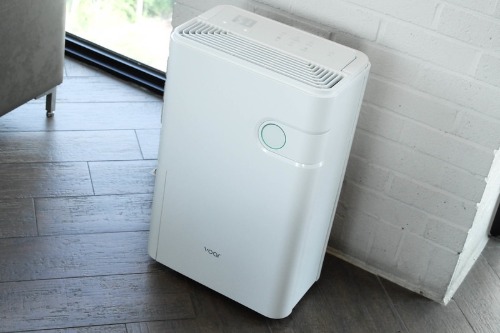
When buyers see several dehumidifiers, they may assume the home struggles with moisture. Moisture problems often translate mentally to mold or basement leaks. Even if you’re just being extra cautious, the equipment suggests an ongoing challenge. It shifts attention from the home’s strengths to potential hazards.
This matters because moisture remediation can be expensive. Buyers may calculate future repair costs before even finishing the tour. The presence of these machines can overshadow positive features. It’s a subtle signal that something about the environment isn’t fully controlled.
5. Fresh Caulk Around Windows or Tubs
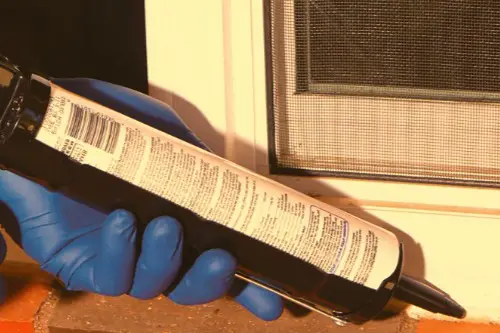
Recently applied caulk in isolated spots can look like an attempt to hide leaks. Buyers notice when something looks freshly sealed compared to the surrounding area. This creates a sense that repairs were rushed or temporary. It may cause them to look harder for water stains or mold.
The concern is that poorly maintained caulk often points to long-term moisture exposure. Buyers may assume the home has had recurring issues. Even minor leaks can lead people to imagine pricier fixes down the line. Transparent explanations usually help, but the initial impression still sticks.
6. Closed-Off Rooms or Locked Doors During a Showing

A locked room instantly sparks curiosity—and suspicion. Buyers wonder whether damage or clutter is being hidden. Even if it’s just a home office or storage space, the lack of access feels like withheld information. It interrupts the flow of the walkthrough.
This becomes a barrier to trust because buyers want to see everything they’re considering purchasing. Not knowing what’s behind a door makes the home feel incomplete. People may also assume the seller didn’t prepare the space properly. That small uncertainty can weigh heavily on final impressions.
7. Recently Repaired Drywall Patches
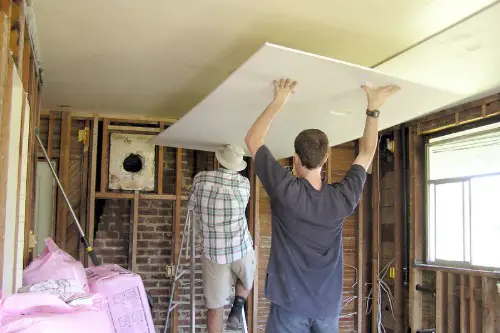
Drywall patches, especially if still noticeable, suggest past damage. Buyers often assume there were leaks, wiring issues, or structural shifts. Even small patches can trigger questions about what caused them. That uncertainty can overshadow newer updates elsewhere.
This matters because drywall repairs are usually symptom fixes, not root solutions. Buyers may fear the underlying issue wasn’t resolved. They might imagine repeat problems after moving in. A clean, uniform finish reassures far more effectively.
8. Mismatched Appliances in Key Rooms
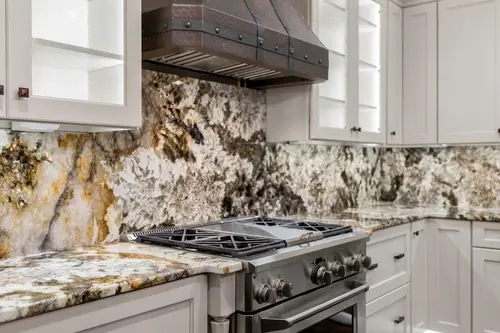
A single new appliance surrounded by older ones can look like a targeted replacement. Buyers sometimes assume the old appliances failed or had electrical issues. It can also give the sense that updates were made reactively rather than thoughtfully. That inconsistency stands out during showings.
This affects buyer perception because kitchen and laundry systems are major expense areas. Mismatched pieces can make the space feel dated or poorly maintained. Buyers may factor in the cost of replacing the remaining appliances. Cohesion tends to signal better long-term care.
9. Fans Running in Multiple Rooms
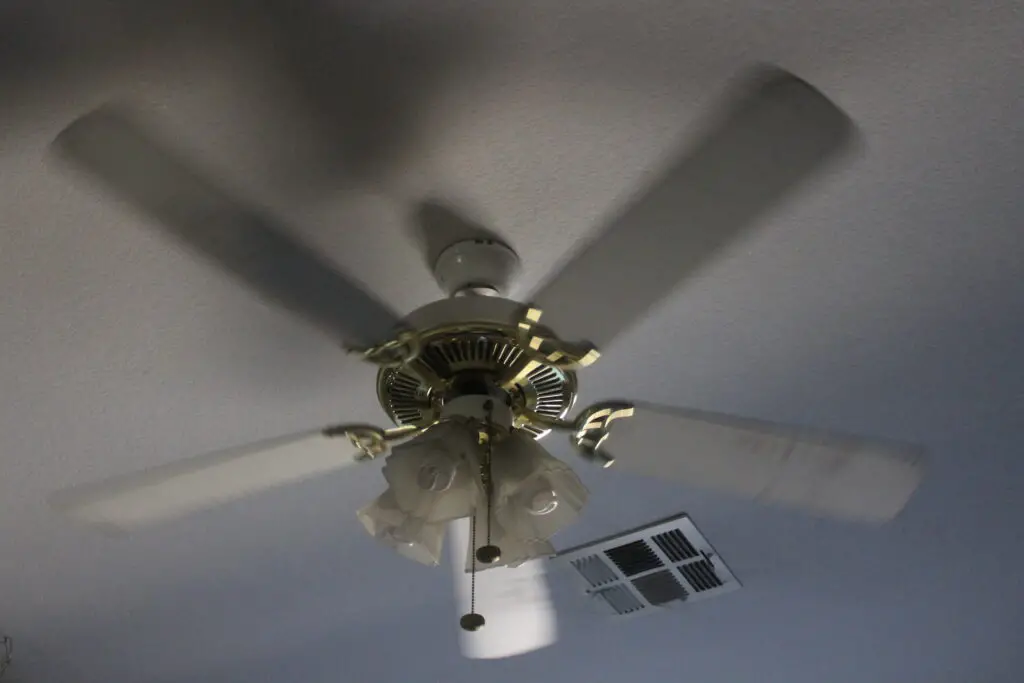
If several fans are on during a showing, buyers may assume you’re trying to control odors or humidity. It can create the impression that airflow is an ongoing issue. Even if it’s simply for comfort, it reads as a cover-up. People notice when something feels overly staged.
The concern is that poor ventilation can relate to mold, heat imbalance, or HVAC problems. Buyers might assume the system is underperforming. They may picture higher utility costs or repair bills. Subtle temperature control feels far more natural.
10. Recently Replaced Sections of Roofing

A visibly new roofing patch can make buyers wonder why only part was repaired. They may assume a leak or storm damage occurred. Even if it was a small fix, the partial update stands out. It can shift the narrative from “well-maintained” to “problem area.”
This is significant because roofing issues can be expensive and intrusive. Buyers may worry the fix was temporary or incomplete. They might also assume the rest of the roof is aging and due for replacement. Full documentation helps, but initial impressions matter.
11. Water Stains That Look “Painted Over”

Even faint, uneven paint on ceilings or walls can suggest past water damage. Buyers often assume someone tried to hide a leak. It can make them wonder whether the issue was ever truly fixed. That doubt lingers even if the area looks fine at first glance.
This matters because water issues often snowball into bigger concerns like mold or structural rot. Buyers may fear recurring leaks. They might mentally assign repair costs before asking questions. Transparency about past fixes goes a long way, but visible masking is hard to overcome.
12. Visible Foundation Crack Repairs
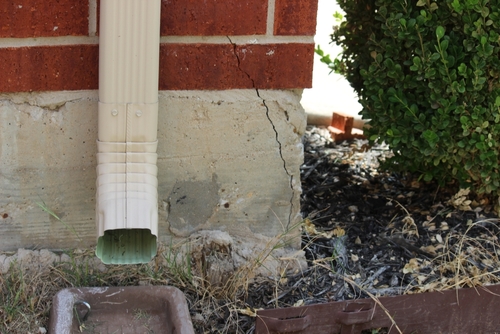
A patched crack in the basement or exterior foundation draws instant scrutiny. Buyers know foundations are essential and expensive to fix. Even if the repair was preventative, it can look ominous. People often assume there was significant movement or settling.
The reason this matters is that foundation issues can affect the entire structure. Buyers may assume there’s hidden damage or future risk. They might seek extra inspections or walk away entirely. Clear information helps, but the visual impact is powerful.
13. Fresh Paint on Just One Wall

When buyers see a single wall freshly painted, they often assume it’s hiding a problem like water damage or repairs. Even if the intention is innocent, the contrast stands out sharply during a walkthrough. People tend to wonder why only that area needed attention. It can trigger a closer inspection and raise doubts about what’s underneath.
The reason this matters is that patchy updates can signal inconsistent maintenance. Buyers may worry that the seller is trying to cover something instead of fixing it properly. That creates a feeling of distrust during negotiations. It’s an easy detail to avoid, but it influences perceptions more than many homeowners expect.
This post 13 Home Features That Quietly Make Buyers Assume “Hidden Issues” was first published on Greenhouse Black.
