
1. Shaky Staircases
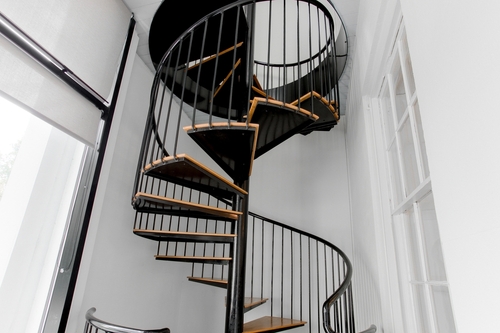
A beautifully staged staircase can look like a centerpiece in photos, but inspectors often spot weak treads or loose handrails. In older homes, this is especially common when DIY renovators skim over structural integrity. You might see a glossy finish and perfectly aligned railings online, but one misstep can reveal hidden rot or shoddy framing. Buyers often overlook these red flags until the inspection report comes back.
Even minor wobbles can point to serious issues like substandard joists or water damage. Fixing a staircase properly often requires removing panels or reinforcing support beams. What looks like a “quaint vintage feature” in a picture can hide months of unnoticed wear. It’s a classic case of aesthetics overshadowing safety.
2. Floating or Warped Floors
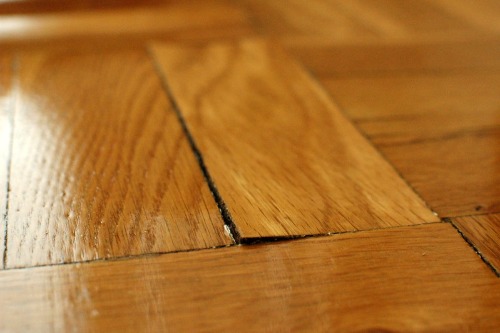
Open-concept living spaces with seamless floors are a favorite online, but photos rarely capture uneven surfaces. Warping, cupping, or squeaky sections can emerge under professional scrutiny. Homes with prior water damage or poor subfloor installation are especially prone to these issues. A flat camera angle hides what an inspector’s straightedge will immediately reveal.
Sellers sometimes use rugs or furniture to mask dips and gaps, making the flooring look flawless. However, these imperfections can indicate moisture problems, subpar materials, or installation shortcuts. Correcting them can involve pulling up the entire floor. This is one of those cases where the floor’s beauty is purely skin-deep.
3. Tiny Bathrooms Posing as Luxurious
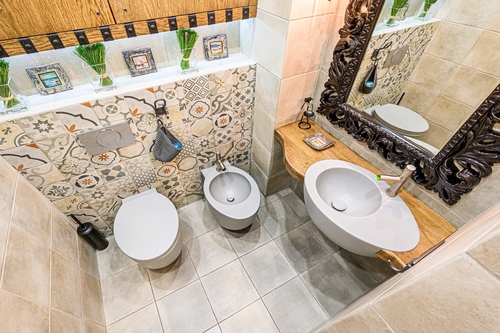
High-end finishes like marble counters and designer fixtures can make a bathroom appear spacious online. In reality, the layout might be cramped, with barely enough room to move comfortably. Poor plumbing, low ceilings, or hidden mold behind tiles often lurk behind the Instagram-perfect photos. Inspectors catch these issues quickly, turning a supposed “spa retreat” into a practical headache.
Renovations sometimes hide problems with water pressure or drainage. Tile misalignment and improperly sealed tubs are common oversights in rushed flips. What looks like a high-end retreat may fail basic functionality tests. The visual appeal is there, but usability often isn’t.
4. Oversized Kitchen Islands
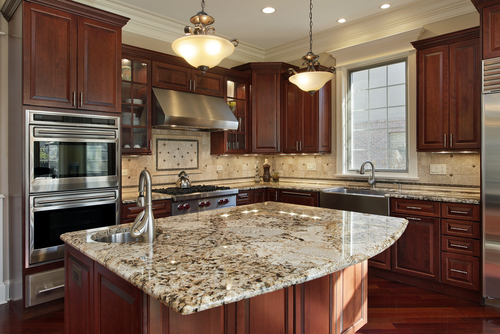
A massive island can be the star of online photos, giving the impression of endless counter space. Inspectors may notice that it compromises walkways or creates awkward traffic patterns. Electrical wiring or plumbing installed hastily for features like a sink or stove can also be flagged. Beauty comes at a cost if the island wasn’t professionally integrated.
Even with top-notch appliances, the layout can feel claustrophobic. Improperly secured countertops or unsupported overhangs may cause sagging or damage over time. What looks like a dream kitchen on Instagram can be a nightmare in real life. Functionality often takes a backseat to aesthetics in these flips.
5. Fake Exposed Beams
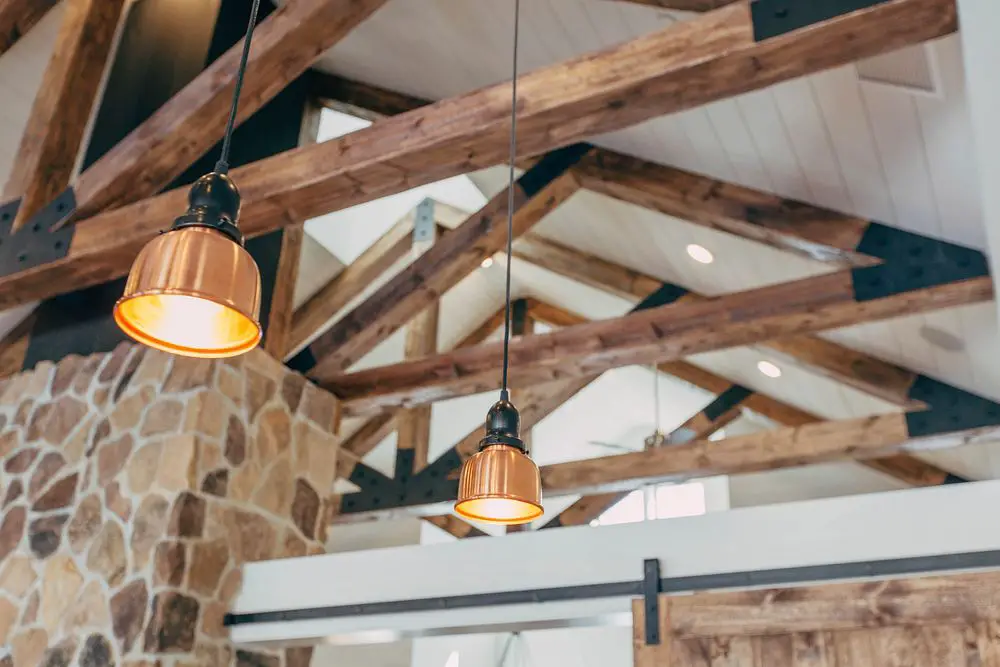
Rustic beams are a trendy feature, and online images can make a space feel warm and authentic. Unfortunately, some are purely decorative and lack structural integrity. Inspectors quickly spot these when they realize the beams don’t connect to joists or provide actual support. They might even reveal past attempts to hide ceiling damage.
Homeowners sometimes use beams to cover cracks, water stains, or sagging ceilings. While they make for a striking visual, they don’t improve safety or stability. In severe cases, relying on these faux beams can be misleading for buyers. The “rustic charm” may be more of a trap than a feature.
6. Suspiciously Perfect Paint Jobs
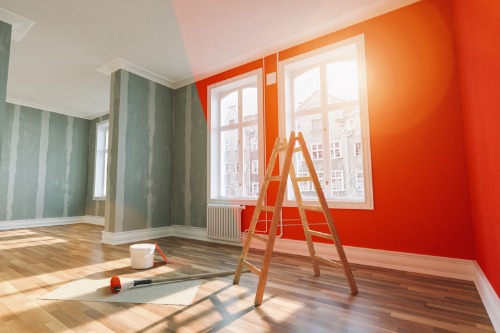
Smooth, flawless walls can wow online viewers, but inspectors notice when paint is hiding more than style. Cracks, water damage, or uneven surfaces often lurk beneath layers of paint. DIY painters sometimes ignore proper prep work, causing peeling or bubbling down the line. The color may be magazine-perfect, but the structure underneath can be compromised.
Paint can temporarily mask serious problems like drywall gaps, mold, or rot. Sellers may try to sell a home as “move-in ready” based solely on surface appearances. Inspection reports quickly unravel these cosmetic fixes. Buyers can be left facing hidden repairs that paint alone can’t fix.
7. Slanted Windows and Doors
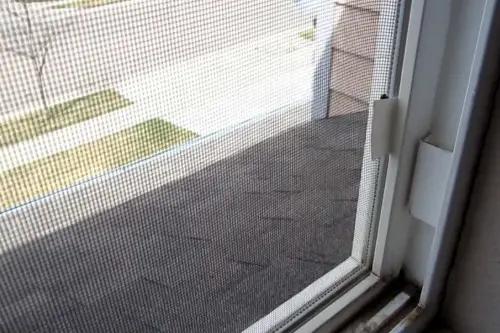
Even if photos make them look perfectly aligned, crooked windows or doors are a common issue in flips. They can indicate foundation settling, framing errors, or previous water damage. A small misalignment might seem trivial online, but it can lead to drafts, leaks, or difficulty opening. Inspectors use precise measurements to detect these subtle problems.
Sliding or hinged doors often reveal the extent of structural shifting. Replacing or rehanging them may require more than simple adjustments. What looks straight in a staged photo often isn’t. These flaws are subtle but costly if ignored.
8. Overly Trendy Flooring Materials
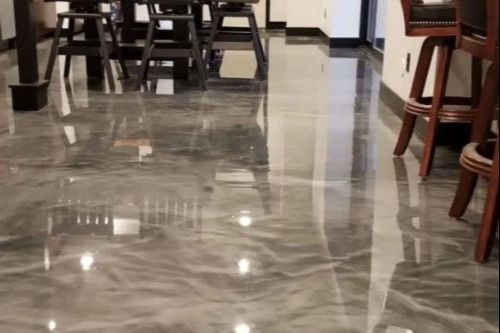
Exotic wood or high-gloss tiles can photograph beautifully, but they often come with maintenance headaches. Bamboo or engineered wood may swell or warp under certain conditions. Tiles installed without proper underlayment can crack or loosen quickly. Inspectors will flag any materials that aren’t suitable for the climate or subfloor.
Sellers often pick visually striking options that don’t hold up to daily use. Floors may require replacement sooner than expected, despite online perfection. Buyers sometimes underestimate the durability concerns behind the style. The “wow factor” can be misleading without real-world practicality.
9. Concealed HVAC Problems
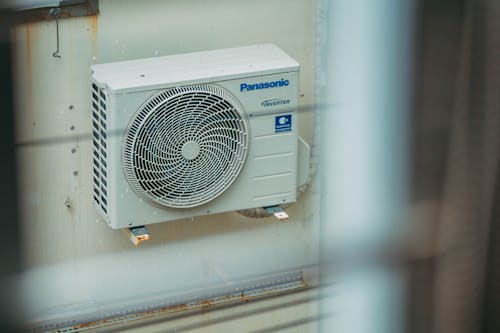
Some flips hide aging HVAC systems behind sleek vents or freshly painted covers. Online images show nothing but modern interiors, but inspectors check airflow, duct condition, and compliance with codes. A system that looks brand-new may actually be on its last legs. Hidden issues can lead to expensive repairs immediately after purchase.
Improperly installed units are another red flag. They may appear integrated but cause uneven heating or cooling. A visually appealing vent cover doesn’t equate to system reliability. Buyers often discover the truth only after the inspection.
10. Cracked Driveways Masked by Landscaping
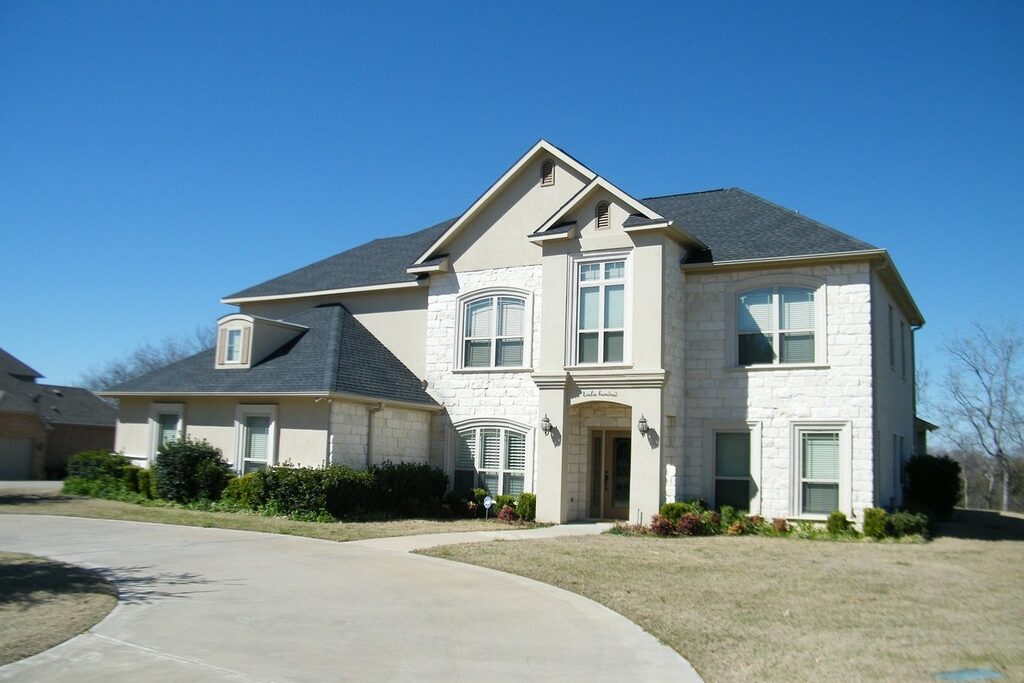
A pristine yard can make a home look immaculate in photos, hiding cracked or uneven driveways underneath. Cracks may indicate shifting soil, tree root damage, or drainage issues. Inspectors notice uneven surfaces, which can be both a safety and liability concern. A curb appeal shot doesn’t always reveal what’s beneath the surface.
Landscapers often plant flowers or place mulch strategically to obscure imperfections. Homeowners may paint over stains or fill cracks temporarily. While the property appears flawless online, functionality is compromised. The driveway’s condition is an important detail that photos rarely capture.
11. Overly High Ceilings with Structural Issues
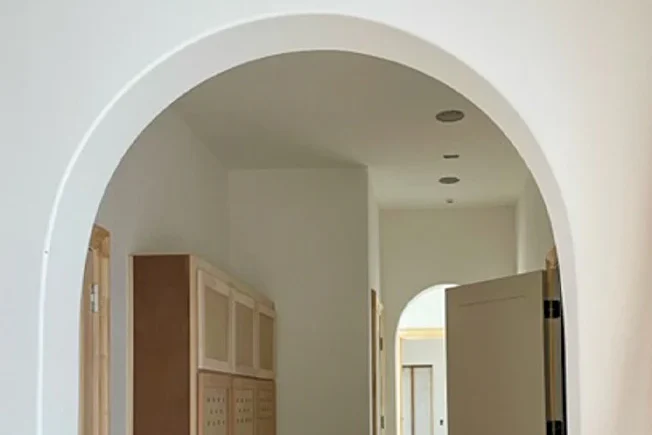
Vaulted ceilings are breathtaking in pictures, but they can conceal hidden support problems. Improperly installed beams or joists may cause sagging over time. Photos can make the ceiling appear more stable than it actually is. Inspectors check for load-bearing issues and potential structural weakness.
High ceilings also create challenges for heating, cooling, and maintenance. Small flaws become magnified in large, open spaces. The visual drama might be impressive online, but the reality is often more complicated. Safety and function sometimes take a backseat to visual impact.
12. DIY Decks and Balconies
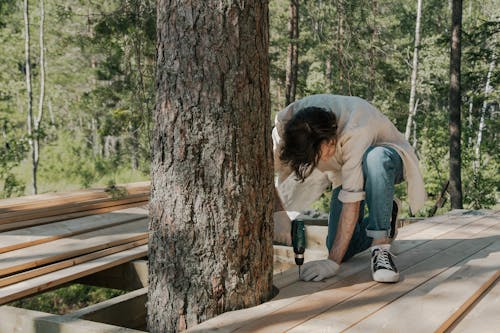
A deck that looks like an outdoor paradise on Instagram can be a serious hazard in real life. Improper footings, rotting wood, or insufficient railings often go unnoticed in staged photos. Inspectors prioritize structural integrity over charm, flagging decks that could collapse. Even minor neglect in support posts can lead to major safety risks.
Balconies added during a flip are especially risky if permits or codes weren’t followed. Sellers might stage them with plants or furniture to distract from flaws. The online image creates a sense of space and leisure that doesn’t match the inspection reality. What seems inviting can actually be a safety nightmare.
This post 12 Home Flips That Look Perfect Online but Collapse During Inspection was first published on Greenhouse Black.
