
1. Meal Planning
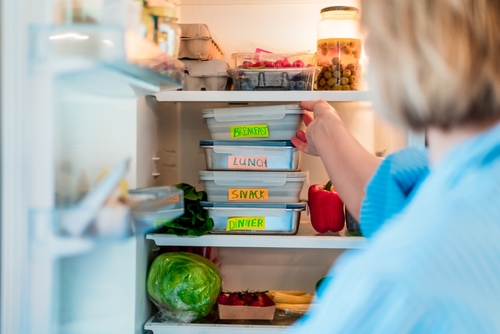
A lot of younger adults end up improvising meals because they haven’t learned how to map out a week of food. This leads to more takeout and convenience foods. It also makes grocery shopping less efficient, which increases overall costs. Meal planning helps avoid food waste by ensuring ingredients get used.
Planning meals ahead can also support healthier eating because it prevents last-minute, low-nutrition choices. It saves time during the week when energy is low. It also makes hosting or sharing meals with roommates easier. Over time, it builds confidence in cooking and nutrition.
2. Basic Budgeting

Many younger adults aren’t learning how to build and follow a simple budget, which makes everyday financial decisions harder. Digital banking tools automate so much that the manual understanding gets lost. Without this skill, it’s easy to overspend without realizing where the money is going. Learning budgeting helps people anticipate expenses instead of reacting to them.
Budget confidence also reduces financial stress, since individuals know what they can realistically afford. It strengthens decision-making around rent, groceries, and discretionary spending. Budgeting leads to better long-term planning for things like travel or emergency funds. Ultimately, it encourages healthier financial habits that support independence.
3. Cooking From Scratch

Many people rely heavily on premade or semi-prepared foods, which reduces the opportunity to learn foundational cooking skills. Without these basics, tasks like roasting vegetables or making sauces feel intimidating. Cooking from scratch gives more control over ingredients and flavors. It also tends to be cheaper than constant prepared meals.
Learning core techniques like sautéing or knife skills makes cooking faster and safer. It encourages creativity because people understand how dishes actually work. Cooking from scratch also builds a sense of pride and self-reliance. Over the years, it becomes a valuable life skill that supports better overall nutrition.
4. Basic Home Repairs

Younger generations often haven’t learned simple fixes like resetting breakers, patching holes, or tightening loose hardware. Many rely heavily on landlords or professionals for minor issues. This can lead to unnecessary costs and long wait times. Knowing basic repairs keeps a home functional and reduces stress.
These skills also help people feel more empowered in their own space. It teaches problem-solving because small issues become manageable rather than overwhelming. Understanding how things work also helps identify when a professional actually is needed. Over time, it can save substantial money on home maintenance.
5. Laundry Care Beyond Basics
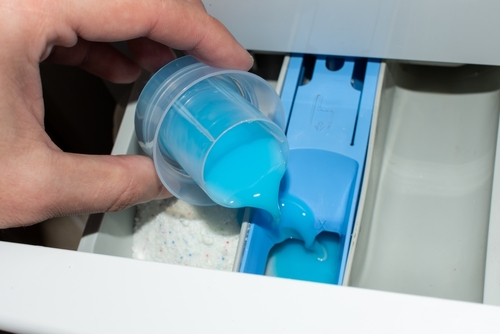
While most people know how to run a washing machine, many haven’t learned fabric sorting, stain treatment, or proper drying methods. This leads to shrinking clothes, fading colors, or ruined fabrics. Laundry mistakes can get expensive when clothing has to be replaced. Proper care helps clothing last significantly longer.
Understanding the right detergents and settings also improves both cleanliness and garment lifespan. It can prevent allergen buildup for those with sensitivities. Careful laundry habits keep bedding and towels fresher as well. Overall, smarter laundry routines create a more comfortable home environment.
6. Managing Paperwork and Documents

Younger adults often rely on digital storage, which is helpful but can lead to scattered files and missing documents. Tax papers, warranties, and medical records can easily get lost. When important documents aren’t organized, emergencies become more stressful. A simple system saves time and prevents panic.
Keeping organized files also makes major life tasks easier, like applying for housing or handling insurance claims. It supports better financial management by tracking bills and statements. Document management improves long-term planning because records are easy to access. It ultimately makes adult life feel more manageable.
7. Cleaning Deeply Instead of Tidying
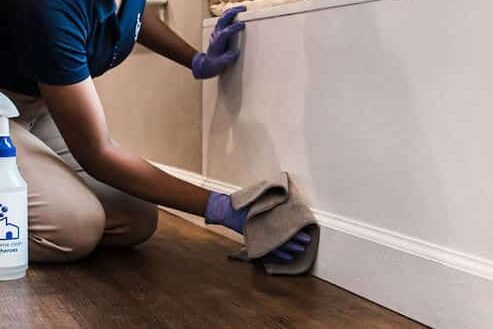
Tidying is common, but many haven’t learned deeper cleaning tasks such as descaling faucets or disinfecting high-touch surfaces. This leads to buildup that affects hygiene and home appearance. Skipped deep cleaning can also shorten the lifespan of appliances and fixtures. A consistent routine prevents bigger problems later.
Deep cleaning reduces allergens and improves indoor air quality. It can make a small space feel larger and more comfortable. It also prepares people for hosting without last-minute stress. Developing the habit keeps a home healthier overall.
8. Time Management for Household Tasks

Many younger adults struggle to balance cleaning, cooking, and errands with work or school. Without a system, chores pile up. This creates a cycle of overwhelm that makes it harder to maintain a tidy home. Structured time management helps break tasks into manageable pieces.
Using schedules or simple routines prevents things from slipping through the cracks. It reduces stress because chores become predictable instead of urgent. Time management also helps households share responsibilities more fairly. Ultimately, it creates smoother daily living.
9. Sewing Basic Repairs
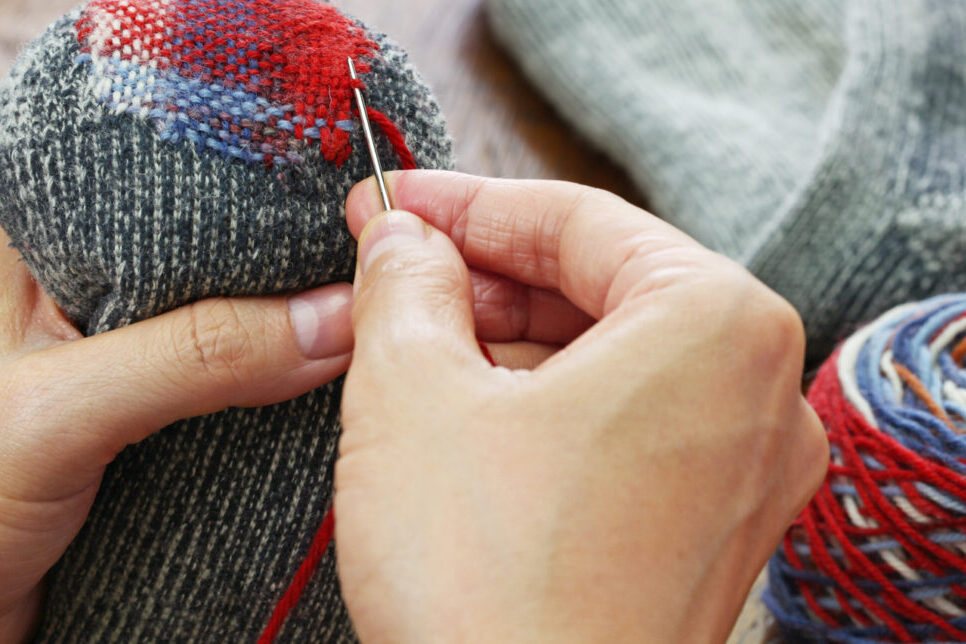
Sewing skills like reattaching buttons or fixing loose seams are becoming less common. Without them, clothing damage often means immediate replacement. This increases costs and contributes to unnecessary waste. Basic sewing keeps clothing functional longer.
Knowing how to mend small issues also builds self-sufficiency. It encourages more mindful consumption because repairs become an option. Simple sewing tools are inexpensive and easy to learn. Over time, these small skills save both money and frustration.
10. Seasonal Home Maintenance
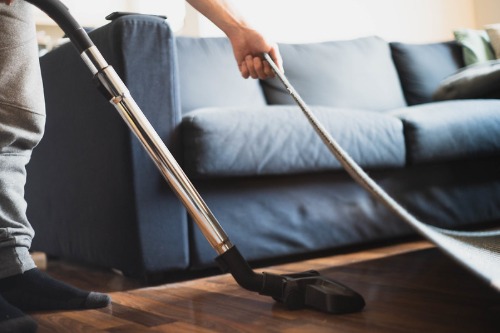
Many younger adults haven’t learned how to prepare a home for seasonal changes, like checking weather stripping or cleaning vents. Skipping these tasks can raise utility bills. It may also lead to preventable damage or discomfort. Seasonal maintenance protects both safety and comfort.
Understanding these routines helps people anticipate problems before they happen. It can reduce energy use and extend appliance life. Seasonal awareness is especially important for renters or new homeowners. Over time, it contributes to a more efficient and reliable home.
11. Pantry and Supply Rotation
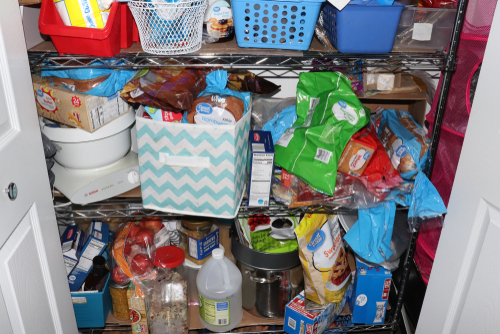
Younger generations often don’t practice rotating pantry items or household supplies. This leads to expired food or duplicate purchases. It can also waste money when people buy items they already have. Proper rotation keeps things fresh and organized.
This habit also helps with meal planning and emergency preparedness. It reduces clutter because nothing lingers unnoticed. Store rotation builds an awareness of consumption patterns. Overall, it supports smoother home management.
12. Basic Parenting or Caregiving Skills

Even those who don’t plan to have children often find themselves helping with younger relatives. Many haven’t learned basics like child-safe cleaning, simple first aid, or age-appropriate activities. This can lead to avoidable stress during caregiving moments. Having foundational knowledge makes these situations easier.
Caregiving skills also build confidence in emergencies. They help people support family and friends more effectively. Basic competence ensures safer and more enjoyable interactions with children. Over time, it becomes a valuable part of community and family life.
This post 12 Home Management Skills Younger Generations Aren’t Learning Anymore was first published on Greenhouse Black.
