
1. Fax machines
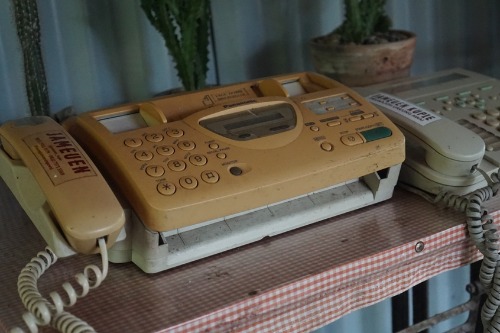
Once a staple in offices and even some homes, fax machines are quietly disappearing from everyday life. The shift to email, cloud storage, and secure digital signatures has made physical faxing feel clunky and slow. Many manufacturers have stopped producing standalone fax units, folding the function into all-in-one printers instead. That means finding a dedicated home fax machine on store shelves is becoming increasingly rare.
There’s also a shrinking ecosystem that supports faxing in the first place. Fewer households maintain landlines, which traditional fax machines rely on to function properly. As phone infrastructure transitions to digital systems, compatibility issues can pop up. All of this makes the humble fax machine more of a specialty item than a household norm.
2. Incandescent light bulbs

Classic incandescent bulbs once lit nearly every room, but energy regulations have pushed them toward extinction. Governments around the world have tightened efficiency standards, favoring LEDs and compact fluorescents. As a result, major retailers carry fewer incandescent options each year. The warm glow is still beloved, but availability is steadily shrinking.
Manufacturers have little incentive to keep producing less efficient technology. LEDs last longer, use less electricity, and align with modern energy goals. That economic and regulatory pressure squeezes incandescent production. What remains tends to be specialty bulbs sold at higher prices.
3. Landline telephones

Home landline phones were once the communication backbone of every household. Today, mobile phones have largely replaced them for convenience and cost reasons. Telecom companies are actively phasing out older copper-line infrastructure in favor of wireless and fiber systems. That makes traditional plug-in landline phones less common in stores.
As fewer homes keep landline service, demand drops accordingly. Manufacturers respond by scaling back production or focusing on niche markets. Repair parts and compatible accessories are also harder to find. The result is a steady fade-out of a once-essential home object.
4. CD players

Dedicated CD players used to sit proudly in living rooms and bedrooms. Streaming services and digital downloads have dramatically reduced the need for physical media playback. Many electronics brands have discontinued standalone CD units altogether. Finding a new, mid-range home CD player now requires more deliberate searching.
Physical music collections still exist, but the hardware ecosystem is shrinking. Retail shelf space prioritizes Bluetooth speakers and smart devices instead. Replacement parts and repairs are also less supported than they once were. That makes maintaining a CD-based listening setup more challenging over time.
5. VCRs
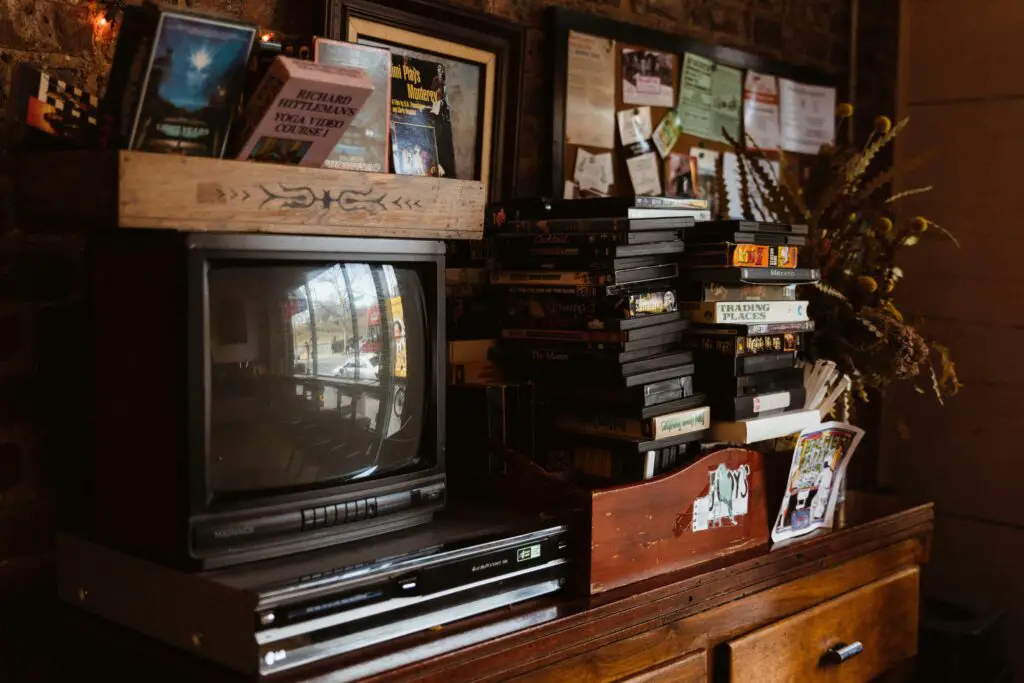
VCRs were once the gateway to movie nights and home recordings. DVDs, Blu-ray, and streaming platforms quickly rendered VHS technology obsolete. Major manufacturers stopped producing VCRs years ago, freezing the supply in time. Any unit you find today is either used or refurbished.
Magnetic tapes degrade, and compatible repair services are increasingly scarce. Replacement heads and belts are difficult to source. Even blank VHS tapes are no longer widely manufactured. All of that turns a once-common appliance into a collector’s item.
6. Phone books
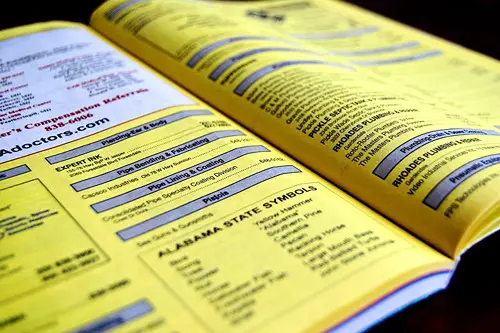
Printed phone directories used to arrive annually on every doorstep. Online search tools and smartphone contact lists have replaced their primary function. Many regions have stopped mass distribution due to low usage and environmental concerns. That makes fresh copies increasingly hard to come by.
Businesses now prioritize digital listings over print visibility. The economic model supporting large-scale printing has weakened considerably. When directories do appear, they’re often thinner and more limited. The bulky phone book is fading into nostalgia.
7. Film cameras

Film photography was once the default way to capture memories. Digital cameras and smartphones now dominate casual photography. Many camera manufacturers have discontinued consumer film models entirely. New film cameras are mostly limited to specialty or enthusiast markets.
Film processing labs have also declined in number. That makes developing rolls more expensive and less convenient. Retailers stock fewer film varieties than they once did. The whole ecosystem is shrinking, not just the cameras themselves.
8. CRT televisions
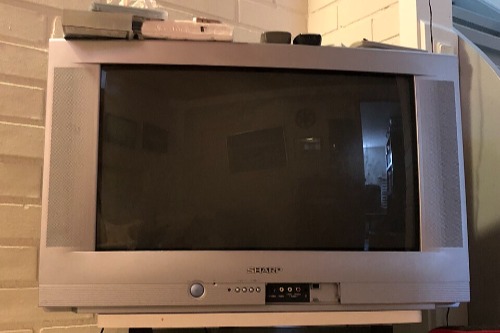
Cathode-ray tube televisions were the standard before flat screens took over. LCD and OLED technology offered thinner designs and better energy efficiency. Manufacturers phased out CRT production to focus on modern displays. As a result, new CRT sets are essentially nonexistent.
These televisions are bulky and costly to ship or store. Repair expertise has dwindled alongside production. Spare parts are increasingly scarce. What remains circulates mainly through secondhand markets.
9. Cassette tape decks
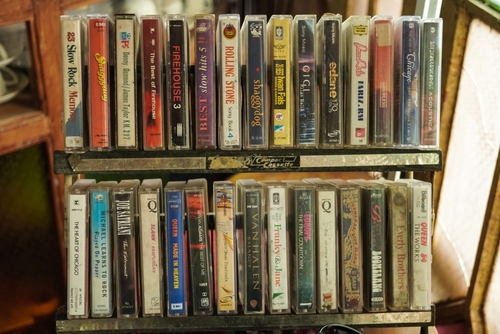
Cassette decks once powered mixtapes and home audio setups. Digital music formats eliminated much of the need for magnetic tape playback. Many audio brands stopped producing high-quality cassette hardware years ago. Finding a reliable new deck is now a niche pursuit.
Magnetic tapes degrade over time, adding another layer of difficulty. Replacement belts and mechanical components are harder to source. Retailers rarely dedicate shelf space to cassette equipment. The format survives mostly through hobbyist communities.
10. Dial-up modems
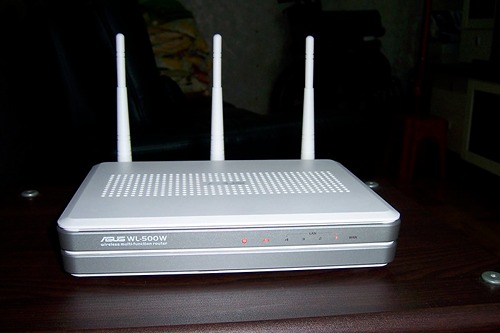
Dial-up modems were the early gateway to the internet in many homes. Broadband and fiber connections rendered their speeds impractical. Internet providers have largely discontinued dial-up services. Without compatible service, the hardware becomes functionally obsolete.
Manufacturers shifted focus to routers and wireless networking gear. Retail demand for dial-up equipment collapsed quickly. Even software support has faded on modern computers. That makes working dial-up setups increasingly rare.
11. Standalone GPS units
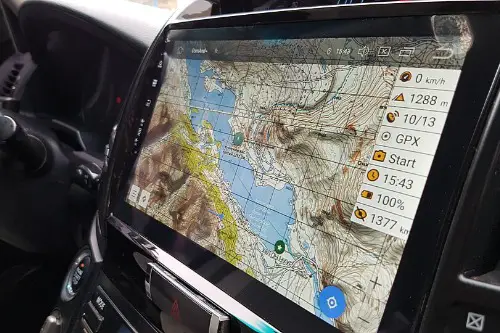
Dedicated GPS navigation devices were once a must-have for drivers. Smartphones now provide constantly updated navigation apps for free. That convenience significantly reduced consumer demand. Many brands have narrowed their product lines or exited the space.
Retailers allocate less shelf space to standalone navigation devices. Software updates and map subscriptions add ongoing costs. Consumers often prefer multipurpose devices instead. The result is a shrinking market and fewer options each year.
12. Rolodex organizers
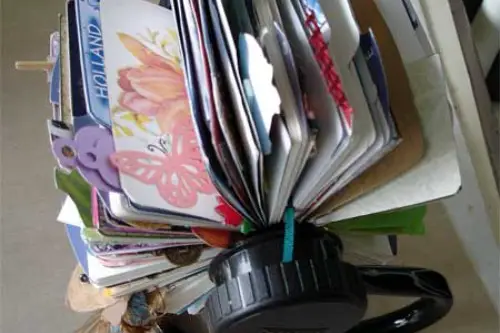
The Rolodex was a physical database for contacts long before digital address books. Smartphones and cloud syncing replaced the need for rotating card systems. Office supply stores carry far fewer models today. Most remaining units cater to novelty or retro appeal.
Maintaining paper contact systems feels inefficient to many users. Businesses transitioned to digital CRM tools for scalability. Replacement cards and accessories are less common. The format persists mainly as a nostalgic artifact.
13. Portable DVD players
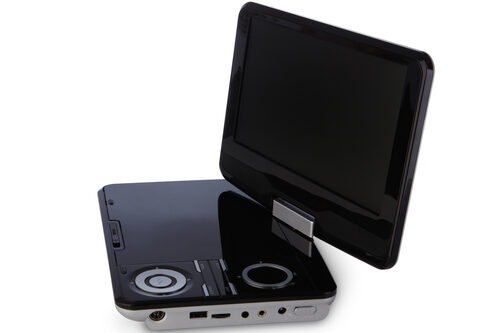
Portable DVD players were popular for travel and family entertainment. Tablets and streaming services now fill that role more flexibly. Manufacturers have reduced production as demand declined. Finding new units often means browsing specialty electronics retailers.
Physical media usage continues to trend downward. Consumers prefer downloadable or streamed content. Repair and battery replacement options are limited. That makes long-term ownership more difficult.
14. Alarm clock radios

Dedicated alarm clock radios once sat on nearly every bedside table. Smartphones now combine alarms, music, and smart assistants in one device. Retailers stock fewer traditional clock radios each year. Many brands have pivoted to smart speakers instead.
The multifunction appeal of phones reduces the need for single-purpose devices. Consumers value integration over specialization. Replacement parts and new designs are limited. The classic clock radio is gradually losing its place.
15. Typewriters

Typewriters were once the primary tool for home writing. Computers and word processors made editing and formatting far easier. Large-scale typewriter manufacturing has mostly ceased. New machines are rare and typically specialty items.
Mechanical upkeep requires niche expertise and parts. Ribbon supplies are still produced but not widely stocked. Repair technicians are harder to find than in past decades. The typewriter now lives mostly in collector and enthusiast circles.
This post 15 Home Objects That Become Harder to Find Every Year was first published on Greenhouse Black.
