
1. Whole-Home Water Temperature Limiters
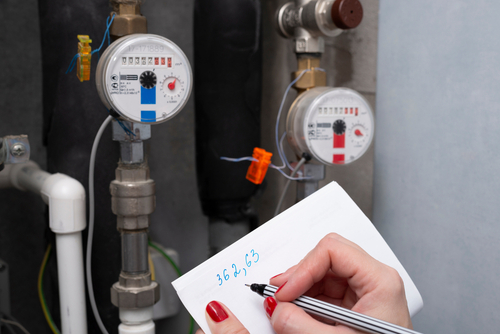
Scald injuries send thousands to emergency rooms each year, prompting cities to push temperature governors on hot-water systems. These limiters cap water temps at safer thresholds without affecting daily use. In older buildings, inconsistent water heaters often cause sudden spikes. Regulators see temperature limiters as a simple way to protect vulnerable residents.
Plumbers can retrofit most systems easily, making adoption more realistic. Cities may require them during remodel permits as part of safety compliance. The devices also reduce energy waste by keeping water heaters from running excessively hot. It’s a small upgrade with major public health benefits.
2. Flood-Level Monitoring for Basements
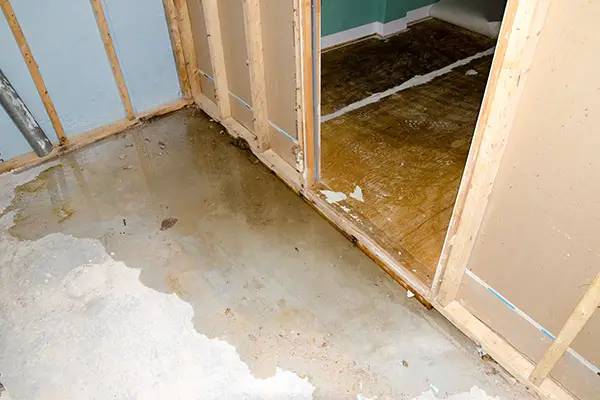
Climate shifts have brought more flash-flooding, so cities want homeowners to install smart water-level monitors in basements. These devices sense rising water and send alerts before damage becomes catastrophic. They can also trigger sump pumps automatically if the home is equipped. City planners see them as essential in neighborhoods with aging stormwater systems.
By integrating these sensors into local data networks, officials can pinpoint flood-prone blocks in real time. That kind of mapping helps prioritize emergency crews when storms hit. For homeowners, catching water early can prevent mold, electrical hazards, and structural issues. Communities benefit when fewer households are displaced by preventable flooding.
3. Automatic Gas Shutoff Valves

Several cities are discussing ordinances requiring seismic-activated gas shutoff valves in older homes. These valves cut gas flow during earthquakes, preventing leaks that can lead to explosions. Even low-magnitude shaking can loosen fittings in aging infrastructure. The valves reduce the burden on utility crews who otherwise have to inspect block by block after a quake.
Homeowners gain peace of mind because the system works even when they aren’t home. Cities like that it reduces fire risk during widespread power outages or aftershocks. These valves also help limit the environmental impact of methane leaks. Officials consider this a targeted upgrade that protects entire neighborhoods at once.
4. Smart Door Locks with Emergency Override
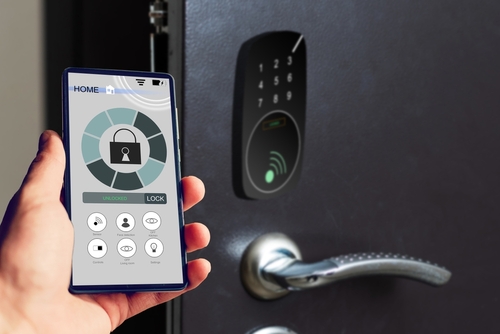
Cities are encouraging locks that blend convenience with emergency accessibility because first responders often struggle with forced entry. Smart locks with controlled override codes can let emergency workers in without damaging doors. This cuts down response times for medical calls and fire checks. It also lowers costs for homeowners who would otherwise face repairs from broken frames.
Officials see these locks as a way to improve safety for seniors living alone. Features like auto-lock and remote access give residents more control and reduce accidental lockouts. Cities are considering pilot programs for subsidized installations in multi-unit buildings. The goal is to balance security with safe, fast entry when it matters.
5. Induction Stovetops to Reduce Kitchen Fires

Because cooking remains a leading cause of home fires, many cities are promoting induction stovetops in new builds. These surfaces stay cooler and shut off automatically when cookware is removed. That feature prevents unattended-pan disasters, which account for many fire department calls. Planners say the technology reduces both injuries and carbon emissions.
Induction also improves air quality by reducing combustion-related pollutants. Cities considering clean-cooking initiatives often cite this dual benefit. For families with young kids or older adults, the cooler surfaces make burns less likely. Policymakers appreciate upgrades that combine safety with climate goals.
6. Smart Smoke and Air Quality Sensors
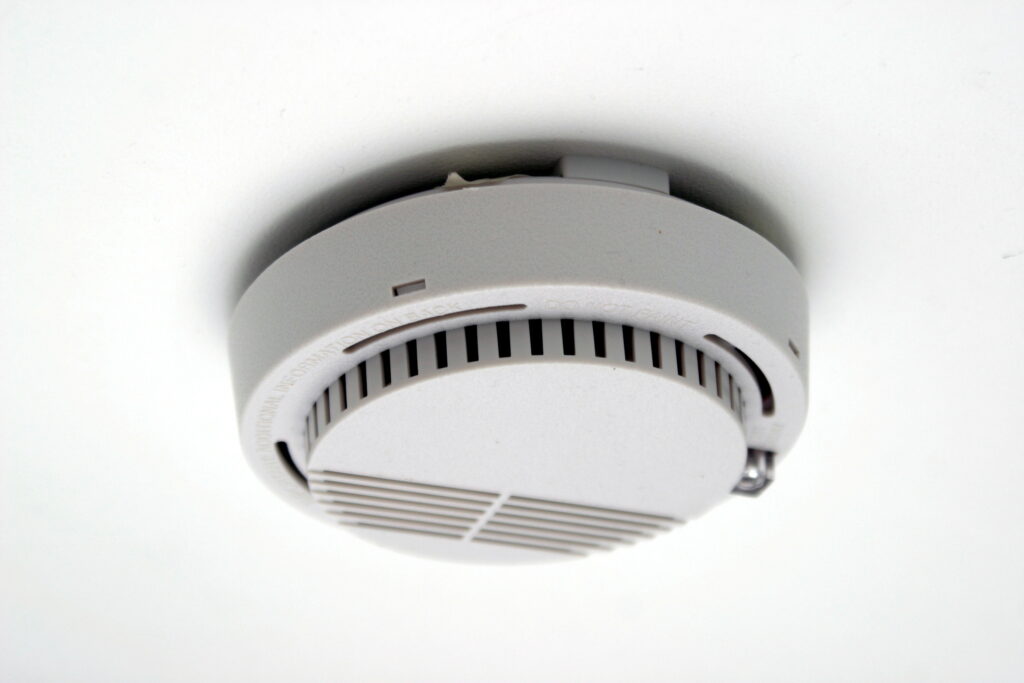
Cities are increasingly encouraging advanced smoke detectors that also track indoor air quality because they help identify slow-building hazards long before they’re obvious. These devices can detect fine particulate matter, volatile organic compounds, and rising carbon monoxide levels. That matters as more homes are sealed tightly for energy efficiency, which can trap pollutants. Officials see them as a low-cost way to reduce fire-related injuries and respiratory emergencies.
Many municipalities are also eyeing subsidy programs to get these hybrid detectors into older homes. They’re pushing for features like real-time alerts to emergency services, which can shave minutes off response times. Because fires spread faster in modern materials, earlier detection gives residents more time to escape. Policymakers view these sensors as a quick win for both safety and public health.
7. Integrated Radon and Soil-Gas Mitigation

Radon exposure remains a hidden risk, especially in regions with shifting soil patterns. Cities are starting to require radon tests during home sales and recommending built-in mitigation fans for new homes. These systems vent harmful gases safely outdoors, lowering long-term cancer risk. Officials consider them essential in areas where radon maps are being updated.
Homeowners appreciate that modern systems are quiet and low-maintenance. As awareness increases, more cities are exploring rebate programs. Integrating radon data into municipal health dashboards helps track hotspots. This kind of prevention saves lives slowly but steadily.
8. Outdoor Camera Systems with Shared Neighborhood Alerts
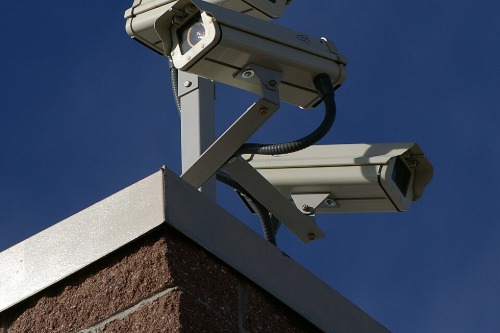
Cities aren’t mandating cameras, but many are encouraging voluntary networks that share anonymized feeds or alerts. This helps police identify patterns without constant manual reporting from residents. It also builds community awareness during package-theft surges or suspicious-activity spikes. Officials stress privacy protections to avoid over-surveillance.
For homeowners, these systems provide better evidence for insurance claims. Neighborhood associations often take the lead in organizing shared networks. Cities may offer digital hubs so residents can report footage efficiently. The focus is on coordination rather than constant monitoring.
9. Home Battery Backup for Medical Devices
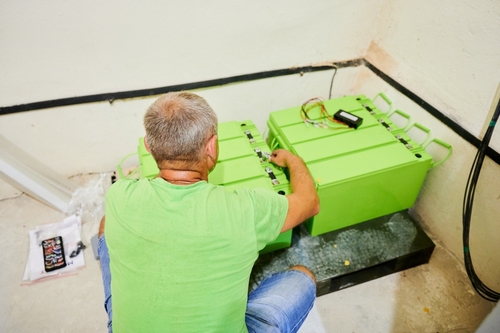
More cities are flagging the need for reliable backup power as extreme weather causes frequent outages. Backup batteries sized for medical devices like oxygen concentrators or CPAP machines can be lifesaving. Officials want to prioritize medically vulnerable residents during resilience planning. They also see these backups as complementary to broader grid-stability efforts.
Manufacturers are making compact, portable units that can last several hours. Cities might integrate them into emergency-preparedness programs or registries. This ensures responders know which homes rely on electricity for medical stability. It’s a targeted intervention with clear life-safety benefits.
10. Advanced Carbon Monoxide Monitoring
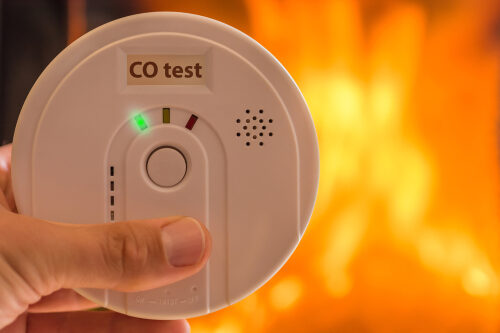
Cities are exploring CO detectors that identify not just presence but also source patterns. These next-gen devices can distinguish between appliance-related leaks and environmental buildup. That helps prioritize repairs and keeps families safer. Officials appreciate that the technology reduces false alarms, which strain fire departments.
Because more homeowners use backup generators during storms, CO risk is rising. Cities want detectors that send direct alerts to smartphones or emergency networks. They also encourage combination CO-and-combustion-efficiency monitors for furnaces. It’s a proactive move as severe weather events become more common.
11. Smart Electrical Panels

As electrification accelerates, cities are pushing modern panels that automatically detect overloads. These smart panels can shut circuits down before wires overheat. They also offer detailed data so homeowners can see which appliances strain the system. Officials like them because they reduce electrical-fire risks in older housing.
Smart panels can coordinate with solar and home batteries, improving energy resilience. Cities considering EV-readiness plans often include them as recommended upgrades. Because they’re software-driven, they can receive safety updates over time. This future-proofs homes against growing electrical demands.
12. Indoor Fall-Detection Sensors
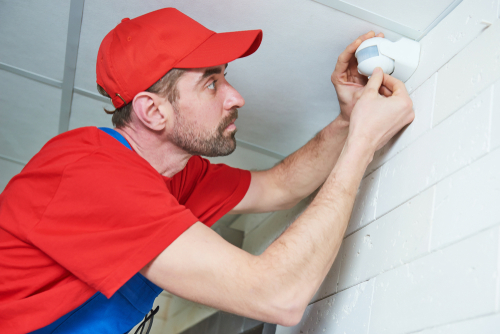
With aging populations, cities are paying more attention to falls inside the home. Non-intrusive sensors that detect sudden motion changes can summon help automatically. These devices work without cameras, preserving privacy. Cities see them as essential for seniors who want to age in place.
The sensors can also monitor daily activity patterns, flagging subtle health changes. Hospitals like the data because it helps with follow-up care. Cities are looking at partnerships with public-health agencies to integrate alerts. It’s a blend of technology and dignity-focused safety planning.
This post 12 Home Safety Features Cities Will Push by 2026 was first published on Greenhouse Black.
