
1. Installing a Swimming Pool
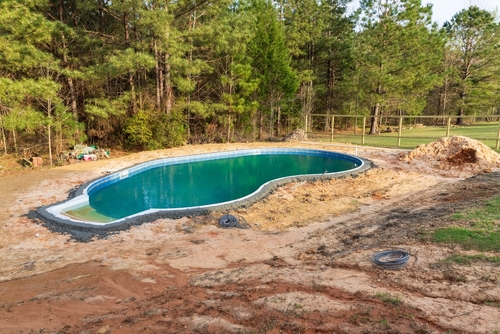
There’s no denying a pool makes your backyard feel like a resort, but insurers often see it as a high-risk feature. The biggest concern is liability — if someone slips, dives, or drowns, you could face an expensive claim. Because of that, your personal liability coverage might need to increase, which drives up premiums. Some insurers even require fences or locking gates before they’ll renew your policy.
On top of liability risks, pools can also affect property damage coverage. Cracks, leaks, or equipment failures can lead to costly repairs that insurers might need to pay for. Even if you maintain it perfectly, a pool is considered an “attractive nuisance” that invites risk. That combination of repair potential and liability means you’ll almost always see a rate bump.
2. Adding a Home Office

With remote work on the rise, converting a spare room into an office feels like a smart upgrade. But when you start keeping expensive electronics, office furniture, and business equipment at home, your risk profile changes. Most standard homeowners policies have limits on coverage for business property, so you may need an endorsement. That extra coverage naturally raises your premiums.
There’s also the question of liability if clients or coworkers visit your home. If someone trips during a meeting, your personal policy might not cover the injury unless you’ve declared the business use. That gray area pushes insurers to adjust your rates. In short, working from home can make your insurer see your space as part home, part business — and that means higher costs.
3. Upgrading to a Gourmet Kitchen

Everyone loves a beautiful kitchen, but luxury finishes come with luxury risks. High-end appliances, custom cabinetry, and imported stone countertops all increase your home’s replacement cost. If a fire, leak, or power surge damages those items, your insurer has to pay more to repair or replace them. To account for that, they’ll raise your coverage limit — and your rate.
Another hidden factor is water and fire risk. Dishwashers, refrigerators with ice makers, and built-in coffee systems add more plumbing and electrical complexity. Every new connection increases the chance of a leak or short circuit. So while your kitchen may be HGTV-worthy, your premiums will reflect that higher exposure.
4. Finishing the Basement
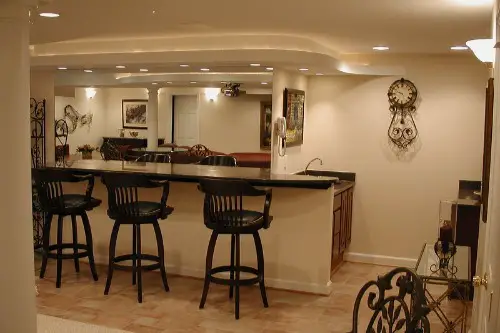
Turning a dark basement into a home theater or guest suite adds living space and resale value — but it also adds insurance headaches. Finished basements are more expensive to repair if a pipe bursts or a sump pump fails. Water damage in a finished space can mean replacing drywall, flooring, and furniture instead of just drying out concrete. That higher repair cost gets baked into your premium.
Even with a sump pump or waterproofing system, insurers see basements as inherently risky. Flooding and sewer backups are common, and standard policies often exclude those. You may need additional coverage like water backup insurance to be protected. That extra protection means a bigger bill every month.
5. Building a Deck or Patio
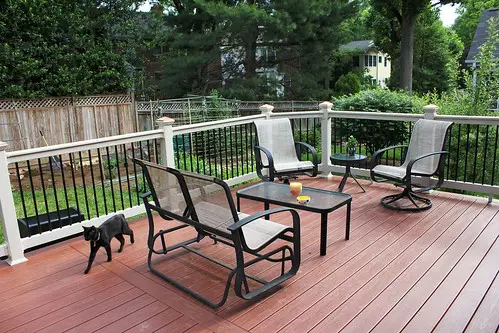
Adding a deck makes outdoor entertaining easier, but it also adds square footage and structural exposure. Wooden decks, especially, require maintenance and can pose slip or collapse risks if not built to code. If your deck is elevated or has a hot tub, the liability factor increases. Insurers take those details into account when calculating your rates.
Weather is another consideration. Decks are vulnerable to storm damage, hail, and heavy snow loads. Those repair costs can be significant, especially for custom or composite materials. So even though it boosts your home’s appeal, a new deck can quietly nudge your premiums upward.
6. Adding a Fireplace or Wood Stove

A cozy fireplace feels like the ultimate comfort upgrade, but insurers see it as a fire hazard. Whether it’s wood-burning or gas, any system involving open flame or high heat carries added risk. Creosote buildup, chimney blockages, or faulty vents can lead to fires that spread quickly. Because of that, many insurers add a surcharge for homes with fireplaces or stoves.
They also factor in maintenance habits. If you don’t get your chimney inspected or cleaned regularly, the risk spikes even higher. Some policies even require annual documentation to maintain coverage. The warmth may be wonderful, but it definitely comes with a premium price.
7. Installing a Hot Tub
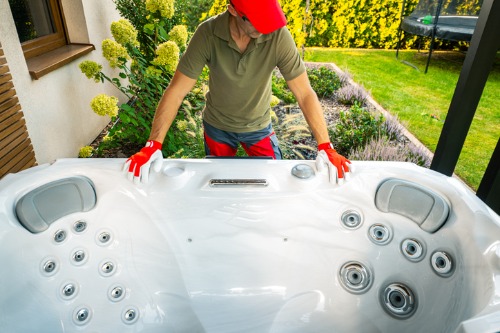
Hot tubs sound relaxing, but they make insurance companies nervous. Just like pools, they introduce potential for drowning, slipping, and electrical issues. That means higher liability exposure, especially if guests or neighbors use it. Most insurers will want proof of secure covers or fencing before extending coverage.
Even without an accident, hot tubs bring property risks. They can leak, short-circuit, or cause water damage to decks and nearby structures. Repairs and replacements are costly, so premiums rise to match that potential payout. It’s a classic case of “luxury with liability.”
8. Expanding the Square Footage

Bigger homes cost more to rebuild, and insurance is all about replacement value. Whether it’s an extra bedroom, sunroom, or bump-out addition, that extra square footage means a higher coverage limit. The more materials, labor, and time needed to restore your home after a disaster, the more your insurer must pay. So naturally, premiums scale up with the new size.
There’s also more space for potential problems. Additional wiring, plumbing, and structural components increase the odds that something could fail. Even if the addition is built perfectly, insurers can’t ignore the math. Every extra foot of drywall or tile adds to your risk profile — and your bill.
9. Adding Smart Home Devices

It sounds counterintuitive, but high-tech homes sometimes lead to higher rates. While smart thermostats and leak detectors can reduce risks, complex systems also introduce new ones. Cyber vulnerabilities, power surges, or device malfunctions can all cause damage. If your system includes surveillance or data storage, that’s another liability layer.
Some insurers do offer discounts for certain devices, but others weigh the potential repair costs of those technologies. A fried smart hub or shorted control panel can be pricey to replace. And if your automation system controls security, a failure could make theft claims more likely. The convenience is nice, but the complexity can come with a cost.
10. Adding an In-Law Suite or Rental Unit
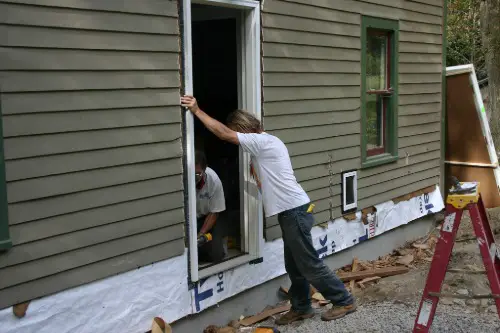
Creating a separate living space can bring in rental income, but it also changes your coverage needs. Once someone pays to live on your property, you’ve essentially become a landlord. Standard homeowners policies don’t cover tenant-related damages or liability. You’ll likely need landlord or short-term rental insurance, which costs more.
Even without renting it out, an in-law suite increases property value and rebuilding costs. Extra kitchens, bathrooms, and separate entrances mean more systems to maintain. Those features raise the likelihood of claims for water, fire, or liability. It’s a big upgrade — and insurers price it accordingly.
11. Putting in a Home Gym
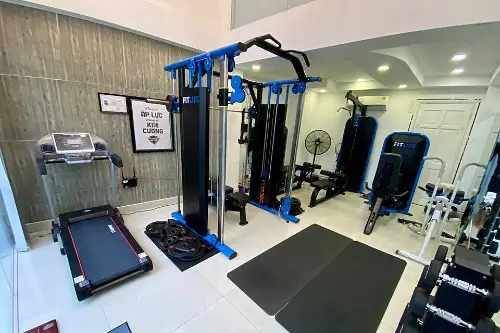
A personal gym saves time and gym fees, but it can raise eyebrows at your insurance company. Heavy equipment like treadmills, weights, and machines can cause structural stress or injuries. If guests or family members get hurt using your equipment, liability coverage comes into play. That’s why insurers often adjust rates when they learn about a home gym.
There’s also the matter of value. Gym equipment can easily add thousands of dollars’ worth of personal property to your home. If a fire or theft occurs, the insurer must cover those losses. The more high-value gear you own, the higher your premiums will likely climb.
12. Upgrading Your Roof with Certain Materials
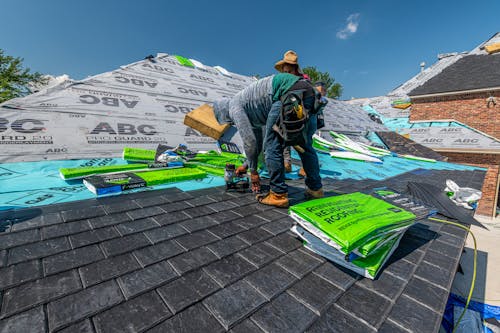
You might assume a roof upgrade would always lower your rate, but that’s not always true. Some premium materials, like cedar shake or certain architectural shingles, can actually increase costs. They’re beautiful but expensive to replace and sometimes more vulnerable to fire. Insurers weigh those replacement costs heavily when setting rates.
Even metal or slate roofs, though durable, can push up premiums initially because of their high installation price. It’s not about risk of damage, but about how much your insurer would owe to rebuild. Over time, you may recoup that through longevity and fewer claims. Still, don’t be surprised if your upgraded roof makes your next bill a little higher.
This post 12 Home Upgrades That Make Insurance Companies Raise Your Rates was first published on Greenhouse Black.
