
1. Built-in furniture that locked rooms into one use
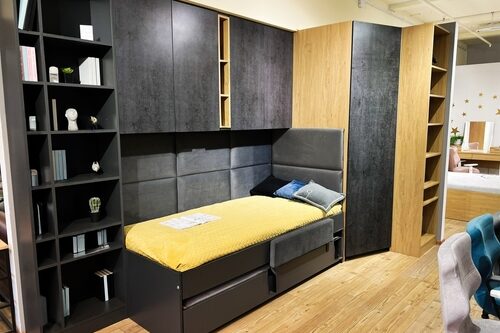
Built-in desks, benches, and shelving look custom and polished when first installed. The problem shows up when your needs change and the furniture can’t move. A built-in desk makes a room permanently an office, even if you later need a bedroom. Removing these features is often expensive and damages surrounding finishes.
Built-ins also assume one body size and one lifestyle. A bench that fits one family perfectly may be uncomfortable or unusable for the next. Storage dimensions are fixed, so new items may not fit. What felt tailored ends up feeling restrictive over time.
2. Open floor plans that erased usable walls
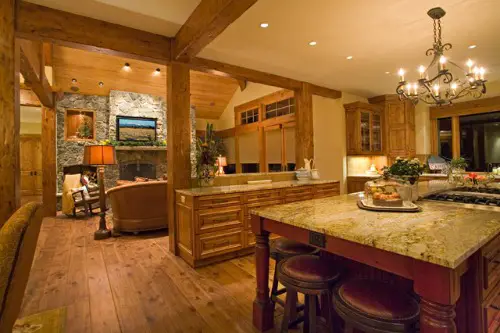
Open floor plans were sold as a way to make homes feel airy and social. In practice, removing walls often removed places to put furniture, art, and storage. Sound now travels freely, making it hard to work, nap, or watch different things at once. What felt open at first can quickly feel chaotic and limiting.
The lack of separation also makes it harder to repurpose rooms over time. A dining area without walls can’t easily become an office or guest room. Heating and cooling large combined spaces is less efficient, which affects comfort year-round. Many homeowners end up adding partitions later, undoing the original upgrade.
3. Sunken living rooms that complicated everyday movement
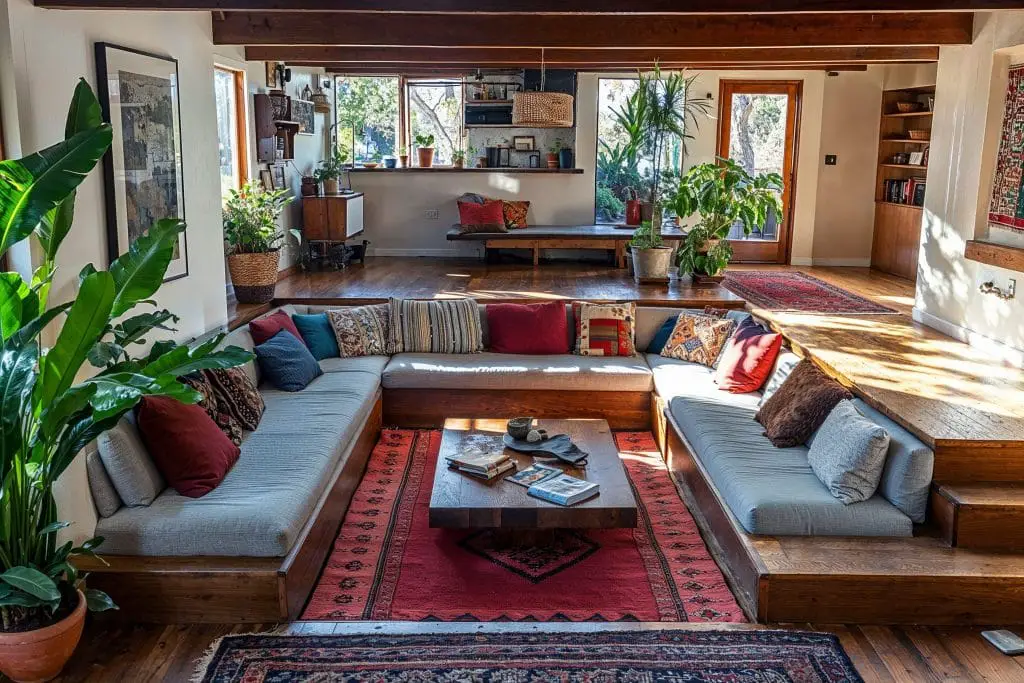
Sunken living rooms were once marketed as cozy and stylish. The step down, however, introduces a permanent tripping hazard. It limits furniture layout because pathways must stay clear. As residents age or host guests with mobility concerns, the design becomes a liability.
Resale can also be affected because many buyers see sunken floors as a renovation project. Leveling the floor is structurally involved and costly. Rugs, vacuuming, and cleaning become more complicated with split levels. Comfort decreases when you’re constantly watching your step.
4. Barn doors used where privacy actually mattered
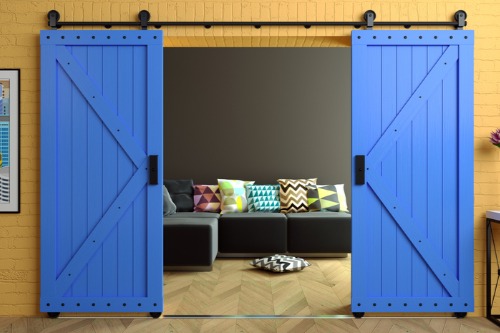
Sliding barn doors became popular for their rustic look and space-saving promise. They rarely seal tightly, allowing sound, light, and smells to pass through. This makes them especially impractical for bathrooms and bedrooms. What saves a few inches of floor space costs a lot in comfort.
Barn doors also require clear wall space for the door to slide. That removes the ability to place furniture, switches, or artwork on that wall. Many models are heavy and loud when opened or closed. Traditional hinged doors often provide more flexibility in daily use.
5. Glass-only showers that eliminated bathtub options
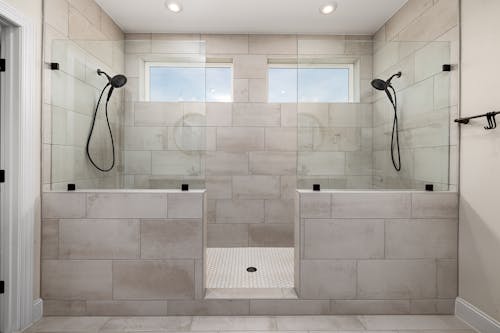
Large walk-in glass showers are often seen as a luxury upgrade. Removing the bathtub entirely limits who can comfortably use the bathroom. Families with young children or people who prefer baths lose that option completely. Adding a tub back later usually requires major plumbing work.
Glass showers also demand more frequent cleaning to stay clear. They provide less warmth than enclosed or curtained setups. Steam escapes quickly, making showers feel colder. What looked spa-like can end up feeling less comfortable day to day.
6. Oversized kitchen islands that dominated the room
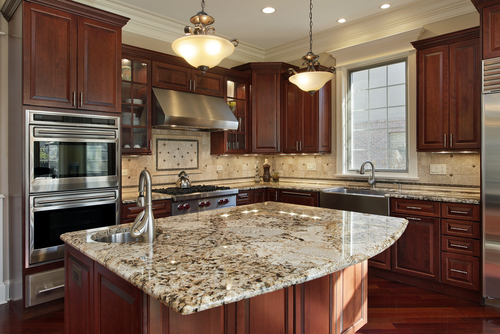
Big kitchen islands promise seating, prep space, and storage in one feature. When they’re too large, they choke circulation paths. Opening appliances and moving between work zones becomes awkward. The kitchen ends up less functional despite having more square footage.
An oversized island also locks in one layout permanently. Reconfiguring cabinets or appliances later becomes difficult. Seating heights and overhangs may not work for everyone. A slightly smaller island often offers more long-term flexibility.
7. Wall-to-wall carpet in spaces meant for change
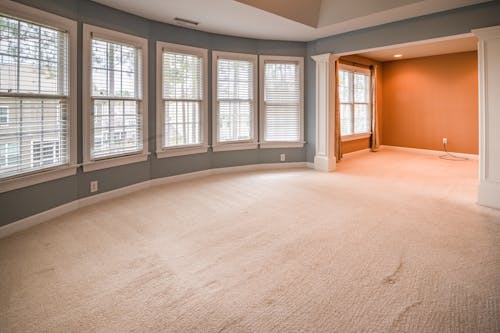
Installing carpet throughout a home can feel cozy at first. It limits how rooms can be used, especially for dining, exercise, or crafts. Spills, pets, and allergies quickly become bigger issues. Changing flooring later is disruptive and expensive.
Carpet also dictates furniture choices and layouts. Heavy furniture leaves permanent marks over time. Styles and colors date more quickly than neutral hard flooring. What felt soft and welcoming can feel confining as tastes evolve.
8. Proprietary smart home systems that aged too fast

Whole-home smart systems promise seamless control and convenience. Many rely on proprietary hubs or apps that stop being supported. When technology advances, the system can’t easily adapt. Homeowners are left with expensive hardware that no longer works properly.
Replacing parts of these systems often means replacing everything. Basic functions like lights or thermostats can become complicated. New owners may not want or understand the setup. Simpler, modular tech tends to offer more lasting comfort.
9. Fixed media rooms that eliminated multipurpose space
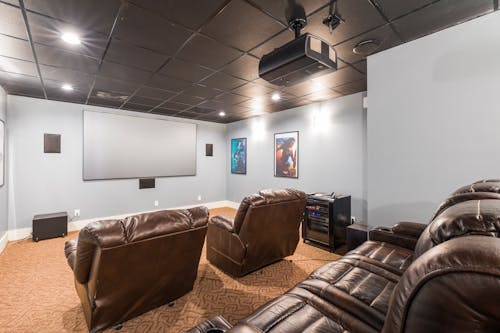
Dedicated home theaters sound like the ultimate comfort upgrade. Once built, they usually serve only that single purpose. Dark walls, tiered floors, and wired speakers limit other uses. The room can’t easily become a bedroom, office, or playroom.
As viewing habits change, the space can feel outdated. Streaming and portable devices reduce the need for a fixed theater. Removing specialty wiring and structures is costly. Flexibility is sacrificed for a feature that may see limited use.
10. Pot fillers that added plumbing but not practicality

Pot fillers are often installed as a luxury kitchen feature. They add another water line that can leak or fail. Most cooks still carry pots to the sink to drain them. The convenience is narrower than expected.
The fixture also locks the stove location in place. Changing appliances or layouts later becomes more complex. Cleaning around the faucet can be awkward. It’s an upgrade that sounds helpful but rarely changes daily comfort.
11. Heated floors that restricted future flooring choices
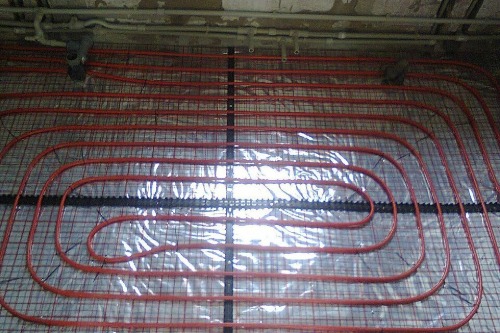
Radiant floor heating feels wonderful underfoot. It limits which flooring materials can be installed above it. Thick carpets or certain woods can reduce effectiveness or cause damage. Changing the floor later requires careful compatibility checks.
Repairs are also invasive if something goes wrong. Accessing the system often means removing finished flooring. The upfront comfort can come at the cost of long-term adaptability. Many homeowners find themselves designing around the system instead of their needs.
This post Home Upgrades That Removed Flexibility Instead of Adding Comfort was first published on Greenhouse Black.
