
1. Hanging Laundry to Dry
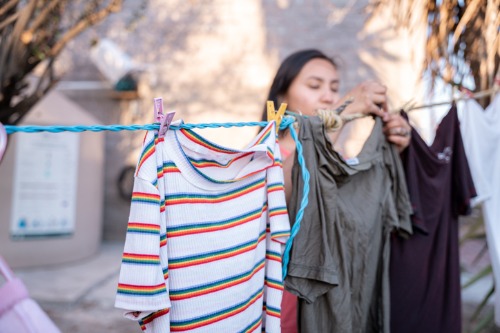
Before electric dryers were common, families hung clothes outside or near a stove, and that simple chore quietly dictated the rhythm of the day. Wet fabric could take hours to dry depending on weather, humidity, and airflow. People checked the sky, adjusted lines, and timed washing around sunlight. That constant attention stretched a routine task into a half-day commitment.
The waiting wasn’t passive, because laundry left unattended could sour, freeze, or get rained on. That meant circling back repeatedly, turning drying into a background clock everyone felt. The process made time tangible, measured in damp sleeves and warming sheets. Even a small load reminded households that nature, not convenience, set the pace.
2. Cooking Everything From Scratch
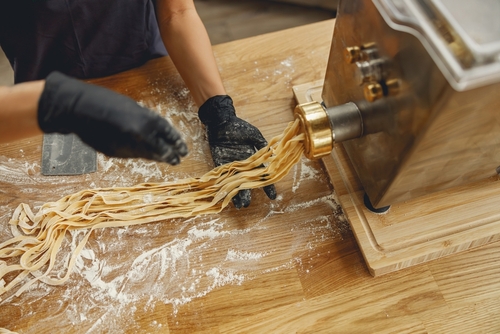
Preparing meals once meant starting with raw ingredients that demanded real labor. Peeling vegetables, grinding spices, and trimming meat took deliberate effort. Many staples like beans or stews required hours of slow cooking for proper texture and safety. Dinner preparation often began long before anyone felt hungry.
Because so much depended on timing, cooks organized their entire afternoon around the stove. You couldn’t rush simmering without risking flavor or food safety. The kitchen became a steady metronome of stirring, tasting, and adjusting heat. Meals stretched time because nourishment literally took patience.
3. Hand-Washing Dishes
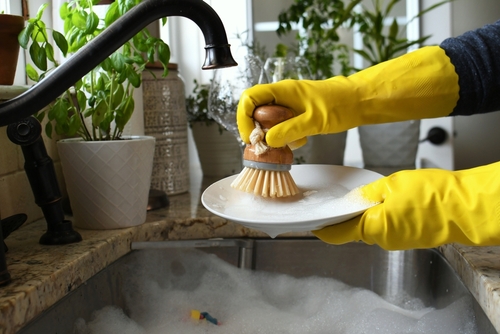
Before dishwashers, every plate and utensil passed through human hands. Heating water, scrubbing food residue, and rinsing thoroughly required a steady routine. Greasy cookware demanded extra soaking and elbow grease. Cleanup after a big meal could last nearly as long as the meal itself.
That repetition made dishwashing feel like a closing ritual to the day. Families often worked in sequence, washing, rinsing, and drying together. The tactile rhythm slowed the transition from eating to resting. Even a small sink full of dishes signaled that time still had work to do.
4. Heating the Home Manually
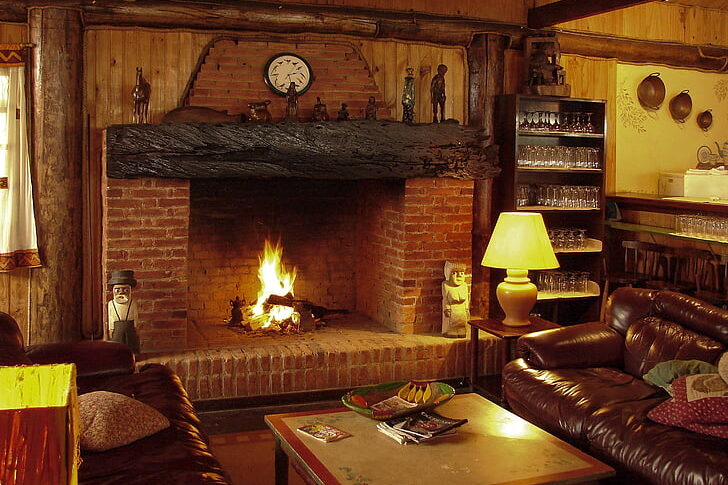
Keeping a home warm once meant feeding a fireplace or stove throughout the day. Fuel had to be chopped, carried, and stacked in advance. Fires required monitoring to maintain safe and steady heat. Temperature control was hands-on rather than automatic.
Because warmth faded quickly without attention, someone always kept an eye on the fire. That responsibility divided the day into heating cycles. Each adjustment reminded people how quickly comfort could disappear. The act of tending heat made time feel physical and ongoing.
5. Mending and Sewing Clothes
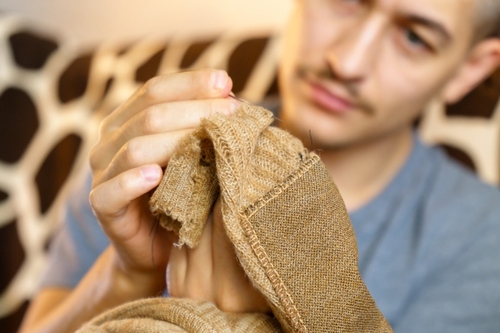
Clothing repairs used to be a routine part of household maintenance. Torn seams, loose buttons, and worn hems demanded needle and thread. Even simple fixes required focus and steady hands. Larger repairs could stretch into an evening task.
Sewing slowed time because mistakes meant undoing careful stitches. People often worked under good light to avoid eye strain. The quiet concentration turned repair into a deliberate pause. Garment care became a reminder that nothing was truly instant.
6. Baking Bread at Home

Homemade bread required mixing, kneading, and waiting for dough to rise. Yeast fermentation alone could take hours depending on temperature. Bakers had to watch texture and elasticity carefully. The oven stage added another timed layer of patience.
Because rising dough followed biological timing, rushing wasn’t an option. People planned their day around proofing intervals. The aroma signaled progress but not completion. Bread baking stretched anticipation into a slow, satisfying timeline.
7. Fetching and Heating Water
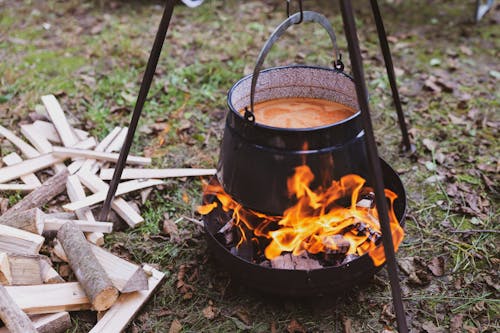
Before modern plumbing, water often came from wells, pumps, or communal sources. Carrying heavy buckets demanded physical effort and multiple trips. Heating water for washing or cooking added another step. Even simple hygiene routines required planning.
Each use of water represented invested labor. Families conserved because acquiring more took time and energy. Bathing or laundry became scheduled events, not spontaneous ones. The effort made everyday cleanliness feel earned and measured.
8. Writing Letters by Hand

Communication once depended on handwritten letters traveling by post. Composing a thoughtful message required time and reflection. Ink, paper, and legibility all mattered. Delivery could take days or weeks depending on distance.
That delay reshaped expectations around conversation. People reread and revised before sealing an envelope. Waiting for replies stretched emotional timelines. Correspondence slowed social life into intentional exchanges.
9. Preserving Food Seasonally

Canning, drying, and salting food prepared households for lean months. These methods required sterilizing jars, monitoring temperatures, and precise timing. A preservation day could fill an entire kitchen with coordinated activity. Mistakes risked spoilage and wasted effort.
Because preservation followed harvest cycles, families worked against seasonal clocks. Large batches meant hours of repetitive steps. The process demanded vigilance for safety and quality. Food storage became a long conversation with future time.
10. Cleaning Without Modern Tools
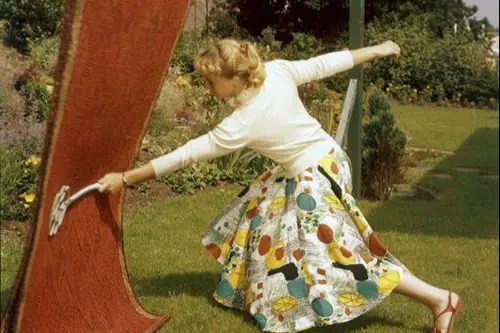
Sweeping, beating rugs, and scrubbing floors once relied entirely on manual labor. Dirt removal required repeated passes and physical endurance. Soap preparation and rinsing added complexity. Large rooms multiplied the effort quickly.
Cleaning sessions often consumed significant portions of the day. Families scheduled deep cleaning rather than doing it casually. The visible progress came slowly but steadily. Each task reinforced how maintenance stretched time.
11. Ironing Clothes With Heat Tools
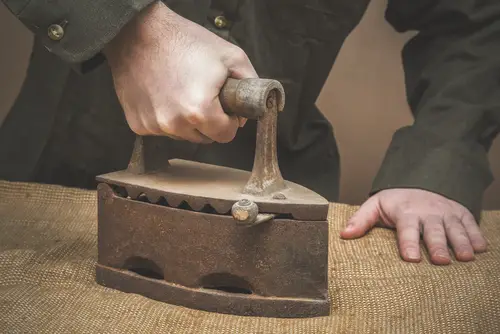
Ironing historically involved heating metal irons on a stove or fire. Maintaining the right temperature required constant swapping and testing. Fabrics demanded careful pressure to avoid scorching. The process rewarded patience over speed.
Because irons cooled quickly, the rhythm was stop-and-start. People organized garments in batches to manage heat cycles. Each press was deliberate and attentive. Clothing care turned into a measured dance with temperature and time.
This post Household Behaviors That Slowed Time was first published on Greenhouse Black.
