
1. Storing Baseball Cards in Old Shoeboxes
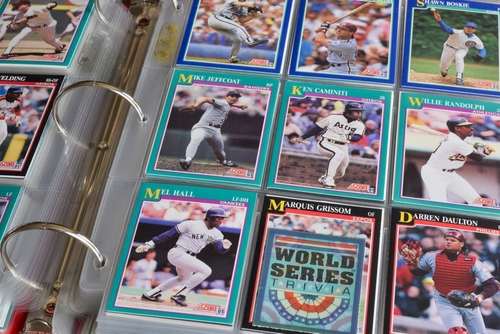
For generations, baseball cards were tossed into shoeboxes and slid under beds. That casual storage method protected many cards from sunlight and sticky fingers. The famous T206 Honus Wagner card, featuring Honus Wagner, became one of the rarest and most expensive cards in history. High-grade examples often survived because they were simply tucked away and forgotten.
Shoeboxes limited light exposure, which helps prevent color fading and paper degradation. Kids who stopped collecting often left the box intact, meaning the cards weren’t bent or pinned to walls. Over decades, those undisturbed stacks became time capsules. Today, condition is everything in card grading, and minimal wear translates directly into higher auction prices.
2. Leaving Vintage Comic Books in the Attic
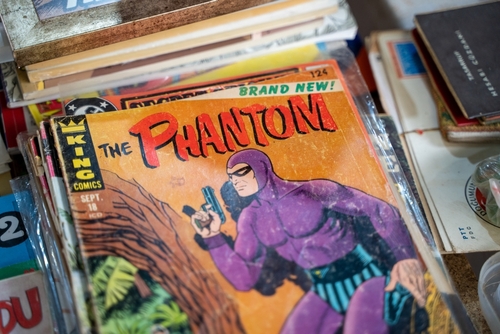
Plenty of kids in the 1930s and 1940s stashed their comic books in trunks or attic boxes without thinking twice. Because they were forgotten instead of constantly reread, some survived in remarkably high grades. Early issues like Action Comics #1, which introduced Superman in 1938, are now among the most valuable comics ever sold. Copies that avoided light, moisture, and rough handling became multimillion-dollar collectibles.
It wasn’t intentional preservation; it was simple neglect. Parents often told kids to clean their rooms, and the comics went into dry storage spaces where they sat undisturbed for decades. Ironically, attics that stayed relatively cool and dry acted like accidental archives. The lack of handling prevented spine creases, tears, and fading that would have slashed their value.
3. Keeping Original Video Game Boxes
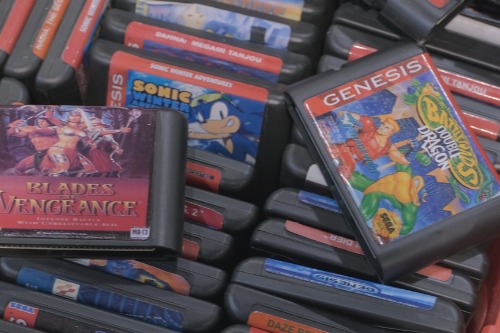
In the 1980s and 1990s, most kids tore open video game packaging and threw it away. But some families kept boxes neatly stacked in closets or cabinets. Early releases for the Nintendo Entertainment System are significantly more valuable when they include original packaging and manuals. Complete-in-box games can sell for many times more than cartridge-only copies.
Cardboard packaging was especially fragile and easy to damage. Households that treated games like electronics instead of toys often stored them carefully after use. That small habit preserved artwork, inserts, and registration cards that collectors prize today. Because so few boxes survived in good condition, intact sets command premium prices.
4. Saving Old Movie Posters in Basements

Movie posters were once viewed as disposable advertising. Theater employees and film fans sometimes rolled them up and stored them in basements. Posters from classics like Dracula are now extremely rare, especially in good condition. Surviving originals can fetch substantial sums at auction.
Rolling instead of folding prevented harsh crease lines that permanently damage paper. Basements that stayed dry and dark shielded posters from ultraviolet light, which causes fading. Families who treated them as keepsakes rather than trash inadvertently protected fragile pulp paper. Today, color vibrancy and minimal creasing dramatically boost a poster’s value.
5. Leaving Mid-Century Furniture Untouched
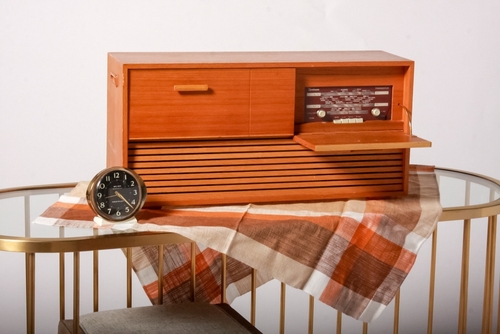
When mid-century modern furniture fell out of fashion in the 1970s, many pieces were relegated to guest rooms or storage. Homeowners who didn’t refinish or repaint them preserved original finishes and labels. Designers like Charles Eames created pieces that are now iconic and highly collectible. Authentic, unaltered examples consistently outperform refinished versions in resale value.
Resisting the urge to “update” furniture turned out to be crucial. Original upholstery, factory finishes, and maker’s marks verify authenticity. Even minor alterations can reduce collector interest. By simply leaving these pieces alone, families maintained historical integrity that today’s buyers are willing to pay for.
6. Holding Onto Early Apple Computers
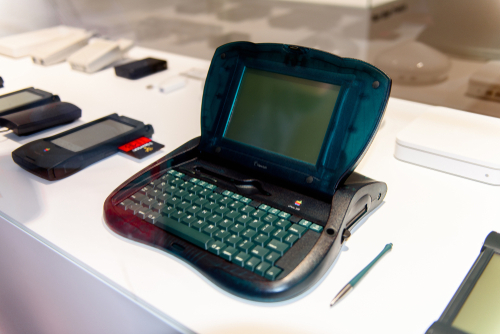
In the late 1970s and early 1980s, personal computers were cutting-edge but quickly outdated. Some families boxed up their old machines instead of discarding them. Early models from Apple Inc., especially the Apple I and Apple II, are now prized by collectors. Fully intact units with original components can sell for hundreds of thousands of dollars.
Keeping the original packaging, manuals, and accessories makes an enormous difference. Many early computers were modified or stripped for parts, reducing their historical value. Households that simply stored them in closets preserved working examples of computing history. That accidental archiving created rare survivors in a rapidly evolving tech industry.
7. Saving First-Edition Books on Shelves
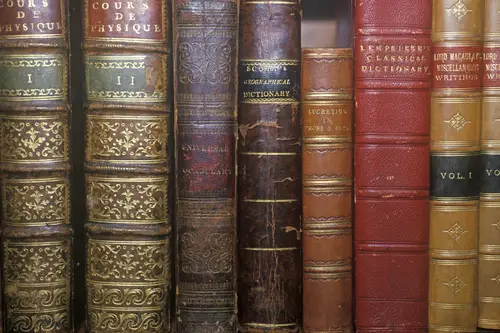
Some readers have always treated books with care, keeping dust jackets intact and avoiding annotations. First editions of titles like The Great Gatsby are dramatically more valuable when preserved in near-original condition. Surviving copies with bright jackets and minimal wear are scarce. The difference between a worn and pristine copy can mean tens or even hundreds of thousands of dollars.
Leaving the dust jacket on was especially important. Many jackets were discarded because they were seen as disposable. Families who kept them protected the book’s cover from light and wear at the same time. Today, collectors prize complete copies, and condition is carefully graded and documented.
8. Keeping Vintage Watches in Original Boxes
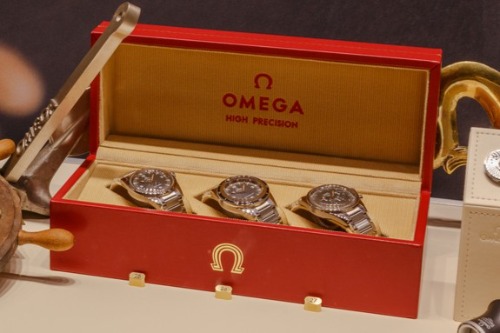
Luxury watches were often gifted for milestones and then stored carefully after occasional use. Owners who kept boxes, papers, and receipts unknowingly boosted future resale value. Vintage models from Rolex can sell for far more when accompanied by original documentation. Provenance and completeness are key factors in auction results.
Storing watches away from moisture and extreme temperature swings also helped preserve internal mechanisms. Families who avoided polishing or replacing parts maintained originality. Even small details like original bracelets matter to collectors. The habit of careful storage turned sentimental heirlooms into serious investments.
9. Keeping Old Vinyl Records in Sleeves
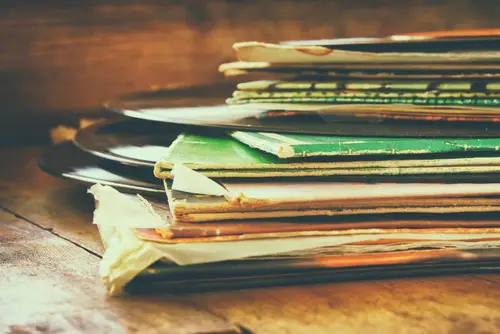
When vinyl fell out of favor in the 1990s, many collections were boxed up and stored. Owners who left records in their original sleeves protected the surfaces from scratches and dust. Albums like The Beatles (White Album) can be worth significant sums in early pressings and excellent condition. Unplayed or lightly played copies are especially desirable.
Avoiding heat exposure prevented warping, which permanently affects playback quality. Standing records upright rather than stacking them also minimized pressure damage. Households that treated records gently preserved crisp covers and inserts. With vinyl’s resurgence, collectors now compete for well-preserved originals.
10. Stashing Vintage Toys in Closets
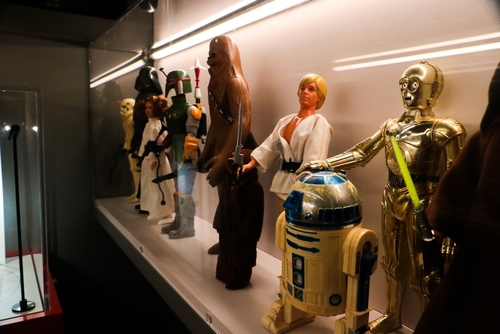
Parents sometimes packed away toys their kids outgrew, intending to pass them down. Action figures from lines like Star Wars action figures became unexpectedly valuable decades later. Figures still sealed in original packaging are especially sought after. Even loose figures in excellent condition can command impressive prices.
Closet storage limited exposure to sunlight, which can discolor plastic and cardboard. Toys that weren’t heavily played with avoided paint wear and broken parts. Many children opened everything immediately, so unopened examples are scarce. That simple act of saving a toy for nostalgia turned into a smart financial move.
11. Keeping Old Photographs in Family Albums
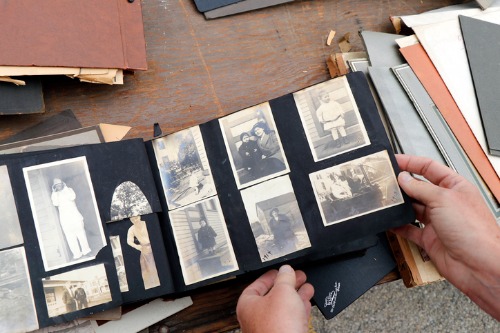
Family photo albums often sat untouched on bookshelves for years. Those albums sometimes included early photographic processes, such as daguerreotypes or tintypes. Images related to historic moments or notable figures can become highly valuable over time. Properly stored photographs avoid the fading and chemical damage common with loose prints.
Albums protected photos from light, dust, and frequent handling. The pages acted as barriers against physical abrasion. Families who kept albums intact preserved context, which adds historical significance. Today, collectors and museums value well-preserved, identified images far more than damaged or anonymous prints.
This post Household Habits That Accidentally Preserved Today’s Most Valuable Items was first published on Greenhouse Black.
