
1. Line-drying laundry
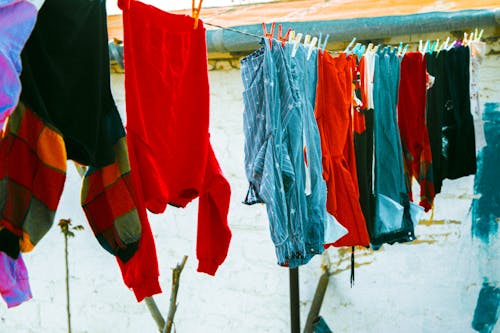
For decades, the backyard clothesline all but vanished as electric dryers became the norm and HOAs frowned on visible laundry. Now it’s creeping back thanks to higher energy costs, sustainability concerns, and better-designed folding racks for small spaces. People are also realizing that air-drying is gentler on clothes, which means jeans keep their shape and elastic lasts longer. That practical benefit, not just nostalgia, is what’s driving the return.
There’s also a sensory side people forgot about until recently. Sun-dried sheets genuinely smell different, and many swear they sleep better on them. Urban renters are getting in on it with retractable lines and balcony racks. It’s an old habit, but the modern version is far more flexible.
2. Mending clothes instead of replacing them
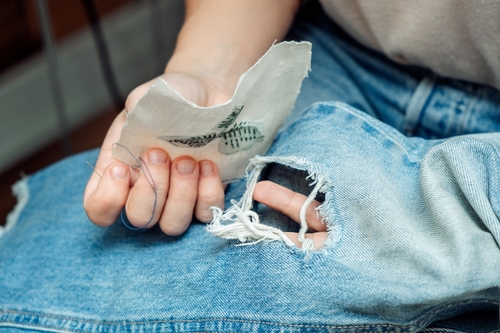
Once upon a time, nearly every household had a sewing kit because repairing clothes was cheaper than buying new ones. Fast fashion pushed that habit aside, but rising clothing prices and quality issues are bringing mending back into focus. Social media has helped normalize visible mending, where patches and stitches are meant to be seen rather than hidden. That shift makes repair feel creative instead of embarrassing.
There’s also a practical reason people are relearning basic sewing. Even minor fixes like replacing a button or fixing a seam can extend a garment’s life by years. Repair workshops and community “mend nights” are popping up in cities and libraries. The habit is returning because it saves money and gives people control over their wardrobes again.
3. Cooking staple foods from scratch
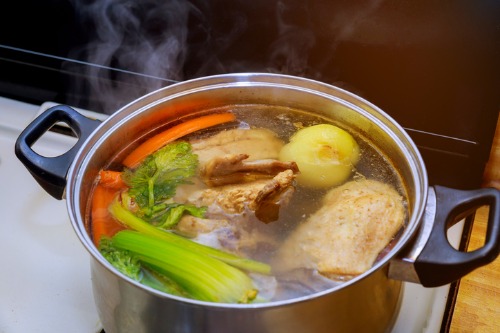
Boxed mixes and pre-made meals once replaced a lot of basic home cooking. Recently, people have been returning to making simple staples like soups, beans, and sauces themselves. Part of that comes from wanting fewer preservatives and more predictable ingredients. Another part is the realization that scratch cooking is often cheaper than packaged alternatives.
This isn’t about spending hours in the kitchen every night. Many households are batch-cooking on weekends and freezing portions, which mirrors how previous generations cooked efficiently. Basic skills like making stock or cooking dried beans are being relearned because they stretch budgets. The comeback is driven by practicality, not culinary perfectionism.
4. Baking bread at home
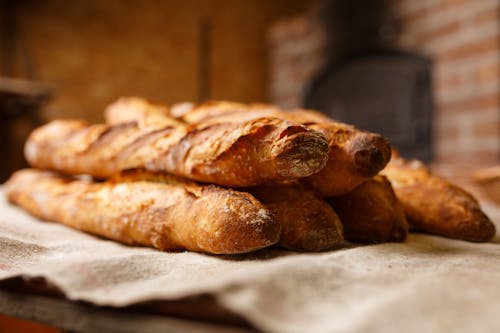
Home bread baking nearly disappeared when supermarket loaves became cheap and ubiquitous. It roared back during the pandemic, but it hasn’t vanished again like many trends. People discovered that basic bread requires only a few ingredients and minimal equipment. Sourdough, in particular, stuck around because it uses natural fermentation and keeps longer.
Beyond flavor, control is a big motivator. Home bakers can adjust salt, avoid additives, and tailor loaves to dietary needs. Even simple no-knead recipes have made bread baking accessible to beginners. What was once a necessity is now a valued household skill again.
5. Pressure cooking
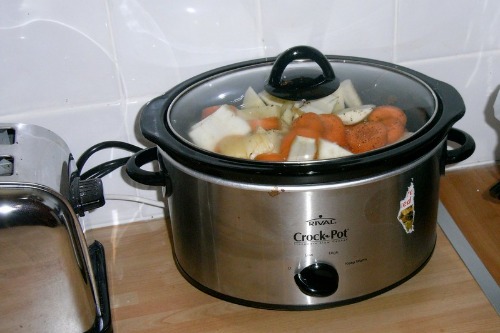
Traditional stovetop pressure cookers faded out due to safety fears and convenience foods. Modern electric versions brought the method back with multiple safety mechanisms and clear instructions. These appliances dramatically reduce cooking time for beans, stews, and tough cuts of meat. That efficiency appeals to busy households trying to cook more at home.
Pressure cooking also aligns with cost-conscious habits. Cheaper ingredients become tender and flavorful when cooked under pressure. People are rediscovering techniques their grandparents used, just with better technology. The comeback is rooted in speed, safety, and savings.
6. Using bar soap instead of liquid soap

Bar soap used to be standard until liquid soap and body wash took over bathroom counters. Recently, bars have returned thanks to concerns about plastic waste and ingredient transparency. A single bar often lasts longer than a bottle of liquid soap. That makes it both economical and environmentally appealing.
Manufacturers have also improved formulations. Modern bars are less drying and come in unscented or sensitive-skin options. Households appreciate how little packaging they require. The habit is reappearing because it solves practical problems, not because it feels old-fashioned.
7. Cloth napkins and reusable towels
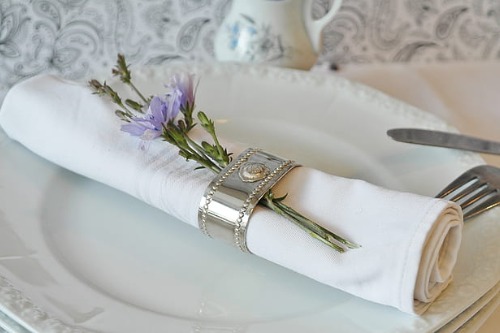
Paper towels and disposable napkins replaced reusable cloth in many homes by the late 20th century. Now people are rediscovering how durable and versatile cloth options are. A stack of washable napkins can last for years with minimal upkeep. That long-term value is hard to ignore when grocery prices climb.
There’s also less pressure for everything to look formal. Casual, mismatched cloth napkins fit modern aesthetics and daily life. Families use them for meals, cleaning, and even lunchboxes. The comeback is driven by waste reduction and convenience, not special occasions.
8. Cash envelope budgeting
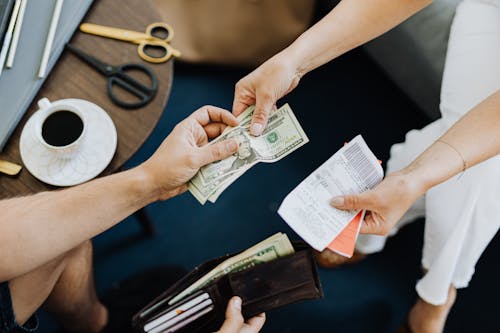
Paying for everything electronically made physical budgeting seem unnecessary for a while. Lately, people have returned to using cash envelopes for categories like groceries or dining out. Physically seeing money leave an envelope makes spending limits more tangible. That psychological effect is hard to replicate with apps alone.
This method is especially appealing during times of inflation. Households want clearer boundaries around discretionary spending. Many combine envelopes with digital tracking for a hybrid approach. The habit is back because it helps people feel in control of their finances.
9. Home canning and food preserving
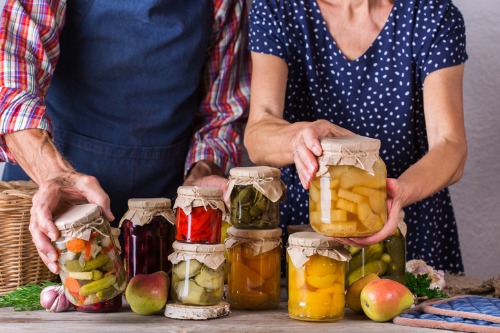
Canning was once a seasonal household routine, especially in areas with gardens or local farms. It declined as supermarkets offered year-round produce. Recently, interest has returned as people seek to reduce food waste and preserve surplus fruits and vegetables. Modern canners follow updated safety guidelines and tested recipes.
The appeal is both practical and economical. Preserving food at peak freshness saves money and locks in flavor. Freezers help, but shelf-stable jars are useful when space is limited. This habit is reemerging because it offers resilience and self-sufficiency.
10. Milk and staple deliveries

Home delivery of milk and basic groceries nearly vanished with the rise of big-box stores. It’s now making a modest comeback through local dairies and subscription services. Customers appreciate consistent quality and fewer last-minute store runs. Reusable bottles and containers also reduce packaging waste.
The modern version is more flexible than the old model. Deliveries can be paused, customized, or expanded to include eggs and bread. For busy households, that reliability is appealing. What once felt outdated now feels efficient again.
11. Repairing household items instead of replacing them
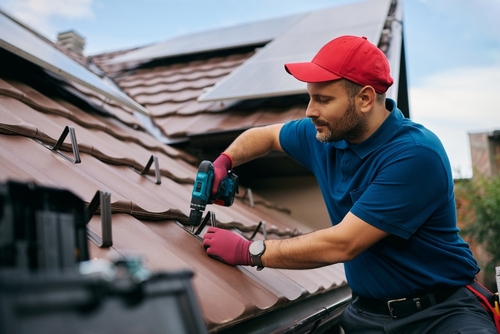
Appliance and shoe repair used to be routine, but cheap replacements pushed repair shops out. Rising costs and supply issues have renewed interest in fixing what breaks. People are realizing that many items fail due to small, repairable issues. Learning to replace a belt or resole a shoe can save significant money.
The broader “right to repair” movement has also influenced this shift. More people expect products to be serviceable, not disposable. Local repair businesses and community repair events are gaining attention. The habit is returning because durability matters again.
This post Household Habits That Quietly Disappeared — and Are Now Making a Comeback was first published on Greenhouse Black.
