
1. Old Makeup or Toiletries

Many people hold onto expired lotions, half-used perfumes, or old makeup palettes. These items seem harmless, so they stay tucked away. Some were expensive, making them harder to toss. Others simply get forgotten behind newer products.
Expired products often lose texture, scent, or effectiveness. Makeup in particular shouldn’t be kept past its safe-use window. Despite this, people keep them in case they need that one specific shade or scent again. Realistically, they never reach for them.
2. Single-Use Kitchen Gadgets
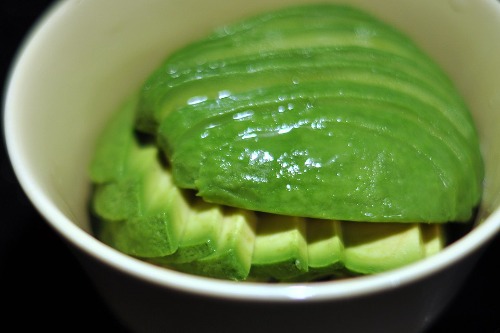
People often hold onto avocado slicers or banana cutters because they seem clever at first glance. These gadgets promise to save a few seconds, but most folks default to a regular knife. The item then gets pushed to the back of a drawer and forgotten. It sticks around because it feels wasteful to toss something that still “works.”
These tools rarely get used because they only do one oddly specific task. Most people prefer versatile tools that do the same job more efficiently. Once the novelty wears off, the gadget becomes clutter. It stays “just in case” someone suddenly needs a perfectly sliced avocado.
3. Old Cables and Chargers

Everyone has a box or bag of outdated cords from devices they no longer own. These cables linger because people fear one might suddenly become useful again. Technology moves quickly, making most of these cables incompatible with newer devices. Still, tossing them feels risky, like you might regret it later.
The truth is that most obsolete cables never get used again. Universal standards like USB-C have made many old connectors unnecessary. Even if someone finds an old device, the cable may no longer function. Yet the bundle stays “just in case” something unexpected needs charging.
4. Expired Spices
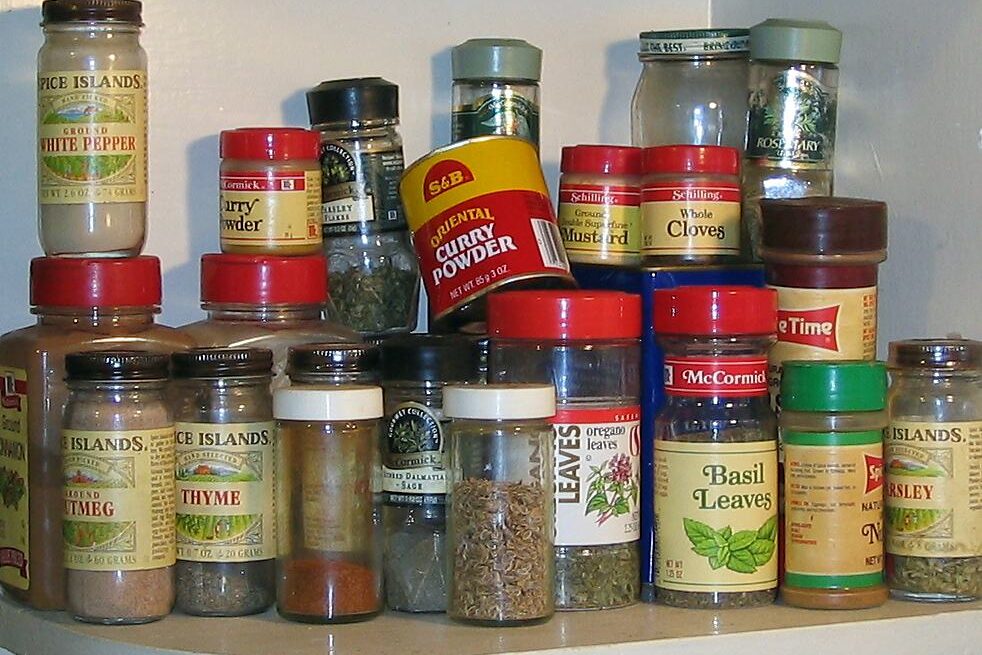
People often keep spices long after their aroma and potency have vanished. They stay on the shelf because they look perfectly fine. Tossing them feels wasteful, especially since spices aren’t cheap. So they sit, even though they no longer add much flavor.
Most home cooks forget how old their spices really are. Over time, air exposure weakens their essential oils. Using them doesn’t hurt anything—it just doesn’t improve the dish. Still, many people hesitate to clear them out, imagining they might use them eventually.
5. Holiday-Specific Baking Tools
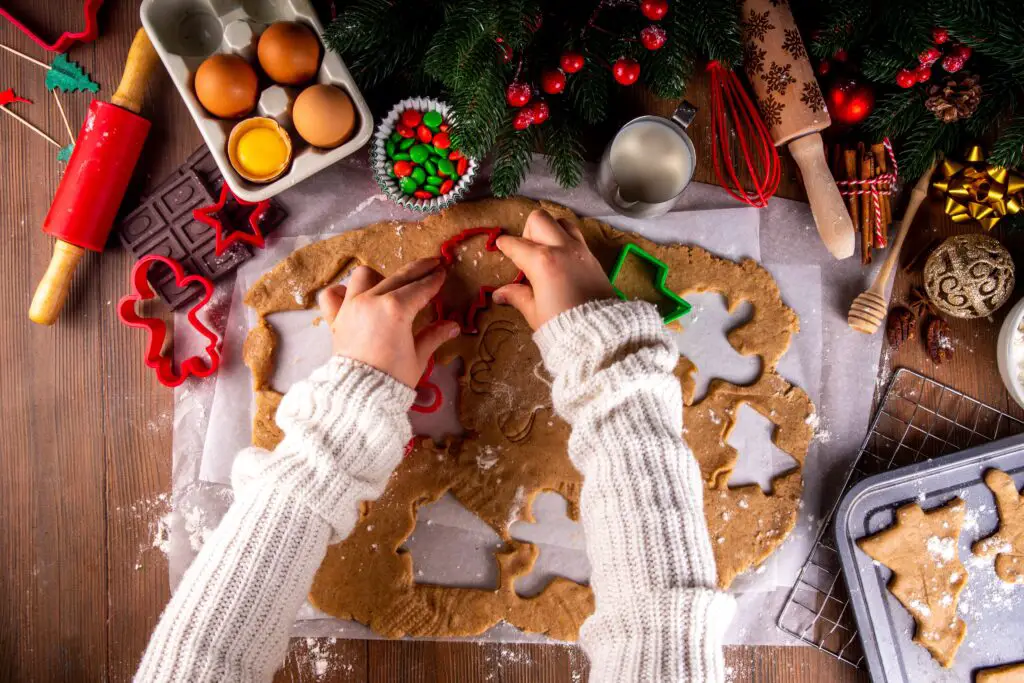
Cookie cutters shaped like reindeer or elaborate cake molds seem fun at first. But most people bake special holiday treats once a year at most. The tools then get shoved into a cabinet for eleven months. They’re kept with the idea that next year will involve more festive baking.
In reality, many people repeat the same simple recipes annually. The special tools require effort, storage space, and cleanup. When the holiday rush arrives, convenience wins. The themed baking items remain barely touched.
6. Craft Supplies for a “Future Project”
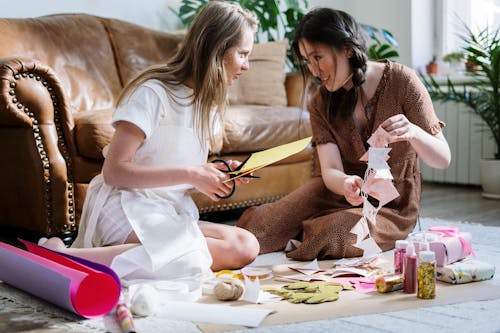
It’s easy to buy yarn, beads, or paints with big creative plans in mind. Life gets busy, and those projects rarely begin. The supplies sit neatly in bins, waiting for inspiration to strike. They’re kept because the idea of the project still feels appealing.
Most people overestimate how much time they’ll have for hobbies. Crafting often requires additional tools or skills that never get acquired. The materials then become guilt-laced clutter. But they stay because throwing them out feels like giving up on a pleasant idea.
7. Specialty Cleaning Products
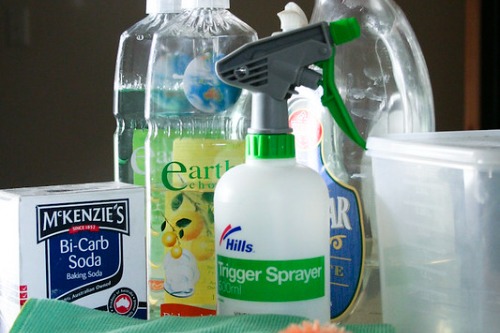
Stain removers for specific fabrics or tools for a single surface often collect dust. People buy them with good intentions but end up relying on all-purpose cleaners. These niche products feel too specific to throw away. They linger because “you never know” when that perfect situation might arise.
However, most stains respond to a few common cleaning agents. Specialty products expire or lose effectiveness over time. They also take up valuable cabinet space. Despite this, people hesitate to part with them for fear of needing them the day after tossing them.
8. Unused Exercise Equipment

Resistance bands, mini trampolines, or ab rollers often seem like easy fitness solutions. After a few attempts, many people lose motivation. The equipment gets pushed under a bed or into a closet. It’s kept as a symbol of future fitness goals.
These items rarely get used because habits don’t form around them. Exercise routines typically stick only when integrated into daily life. One-off gadgets don’t inspire long-term consistency. Still, they remain because tossing them feels like abandoning the goal entirely.
9. Extra Coffee Mugs
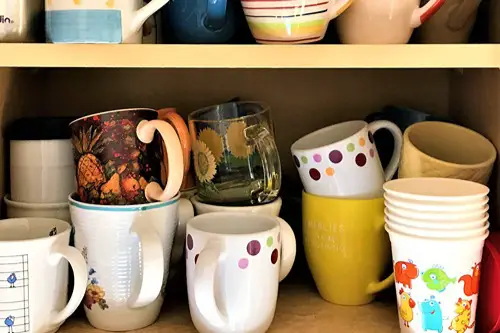
People accumulate mugs from gifts, trips, or workplace freebies. Cabinets quickly fill with more mugs than one household could ever use. They stay because each one has a memory attached. Even so, only a few favorites ever make it into rotation.
The extras gather dust at the back of the shelf. Their sentimental value complicates the decision to donate them. Many people fear they might need a dozen mugs someday. Realistically, that day almost never comes.
10. Vases
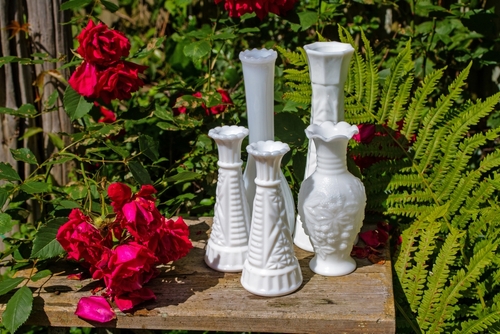
Flower deliveries or gift sets often include decorative vases. Most people pick one or two favorites and ignore the rest. The extras sit in cupboards for years. They stay because throwing away a perfectly good vase feels wrong.
In practice, people receive flowers infrequently. When they do, the go-to vase is already chosen. The others are too large, too small, or simply not appealing. Yet they remain because they seem inherently useful.
11. Duplicate Tools
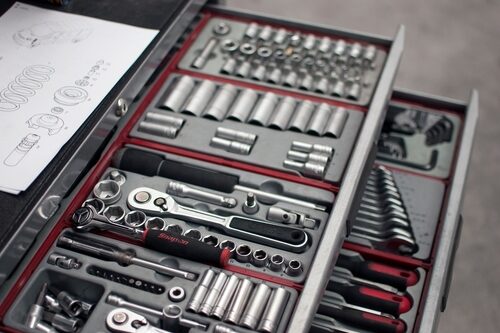
Two hammers, three screwdrivers, or various tape measures often accumulate over time. People forget they already own one or receive duplicates as gifts. The extras get stored “just in case” one goes missing. They’re kept because tools feel practical and worth saving.
But most households only need one of each basic tool. Duplicates rarely see the light of day. They clutter garages and utility drawers without serving any purpose. Still, parting with them feels counterintuitive because tools are associated with preparedness.
12. Fancy Table Linens
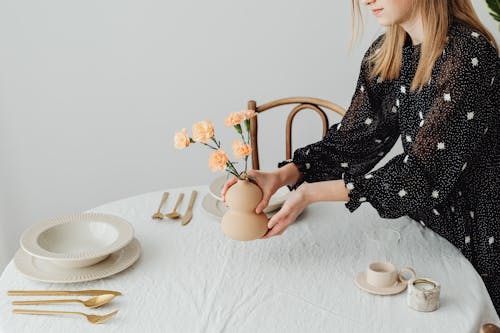
Many households keep embroidered tablecloths or lace runners for “special occasions.” Those occasions rarely happen, or when they do, people worry about stains. The linens feel too precious to use casually, so they live in a drawer. They’re kept because they represent imagined future gatherings that never quite materialize.
The hesitation comes from maintenance and cleaning concerns. Delicate fabrics require careful washing, which feels like more trouble than they’re worth. As a result, people stick with everyday linens. The fancy ones remain untouched year after year.
13. Instruction Manuals
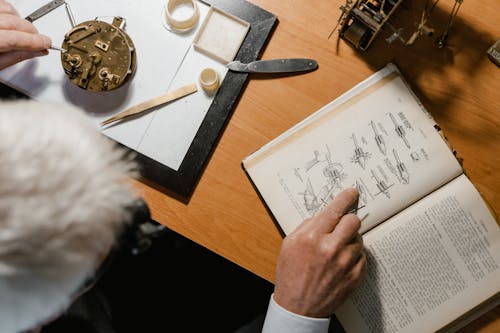
Manuals for appliances, electronics, or furniture pile up quickly. Most people don’t realize that nearly all manuals are available online. Still, they keep the paper versions out of habit. They worry that recycling them might make future repairs harder.
In reality, these manuals rarely get opened. People troubleshoot problems by looking up solutions on their phones. The printed copies sit in drawers untouched for years. Yet they remain as a comfort item tied to organization.
14. Old Phones
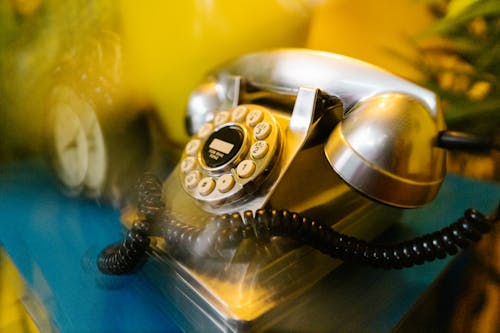
Retired phones often linger in drawers long after they’ve been replaced. People keep them as backups in case the new one breaks. However, many old phones no longer hold a charge or support modern apps. They stay because electronics feel too valuable to discard.
In practice, these phones almost never get reactivated. Batteries degrade quickly when unused. Most carriers also stop supporting outdated models. Despite this, people struggle to part with them because they once felt essential.
15. Reusable Shopping Bags
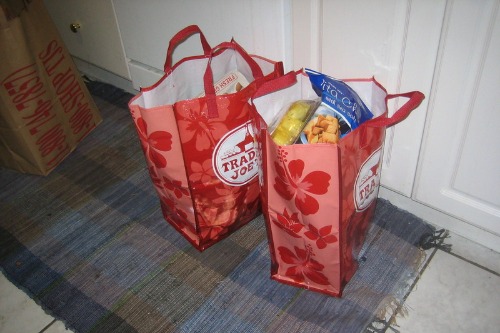
Shoppers often accumulate far more bags than they’ll ever use. They’re handed out at events, given as gifts, or bought with good intentions. The pile grows because they’re “useful,” at least in theory. But most households rely on just a handful of favorites.
The extras end up in closets or car trunks. They rarely get rotated because people forget to bring them inside. As a result, the surplus bags serve no real purpose. Still, they linger since they seem environmentally responsible to keep.
This post 15 Household Items People Keep “Just in Case” That Never Actually Get Used was first published on Greenhouse Black.
