
1. Typewriter Ribbons
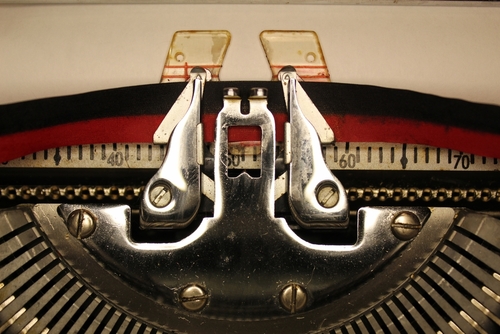
Typewriters once sat in many homes for letters, school assignments, and forms. When computers took over in the 1980s and 1990s, typewriter production collapsed. Ribbon manufacturers either shut down or switched to other printing products. As a result, the supply chain for ribbons shrank dramatically.
People who still use typewriters—collectors, writers, and hobbyists—now rely on a handful of small manufacturers. Some ribbons are even remanufactured using old equipment. Because large factories no longer produce them at scale, certain sizes and colors can be difficult to track down. The disappearance of the typewriter industry took ribbon manufacturing with it.
2. Borosilicate Pyrex Bakeware
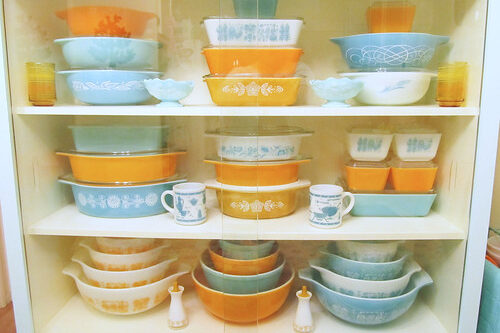
Vintage Pyrex has a reputation for being nearly indestructible, and there’s a manufacturing reason behind it. Early Pyrex kitchenware was made from borosilicate glass, which handles rapid temperature changes very well. In the late 1990s, U.S. manufacturing switched to soda-lime glass because it’s cheaper and easier to produce at scale. That change meant the original borosilicate pieces gradually disappeared from stores.
Today, collectors and careful bakers often hunt down older pieces in thrift stores and online. The borosilicate versions resist thermal shock better, which gives them a reputation for durability. Since modern factories no longer mass-produce them domestically, vintage stock is the main supply. That’s why the older Pyrex has become surprisingly scarce in everyday kitchens.
3. Wooden Clothespins
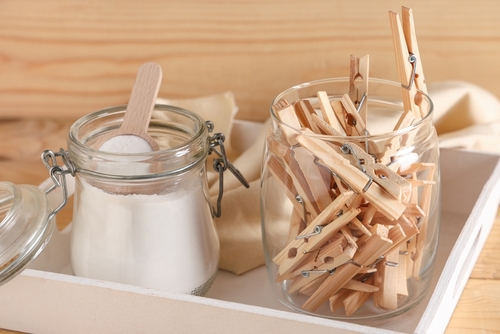
Wooden clothespins used to be a simple household staple hanging from laundry lines everywhere. As manufacturing shifted toward cheaper molded plastics, companies dramatically reduced production of the traditional wooden versions. Plastic pins could be mass-produced faster and sold more cheaply. Over time, wooden ones quietly disappeared from many big retailers.
People who prefer wooden pins say they grip fabric better and don’t become brittle in the sun. However, far fewer factories still produce them in large quantities. That limited supply means they can be harder to find in stores compared with plastic ones. A manufacturing pivot toward plastics is largely why the classic wooden pin feels like a rarity today.
4. Metal Ice Cube Trays with a Lever
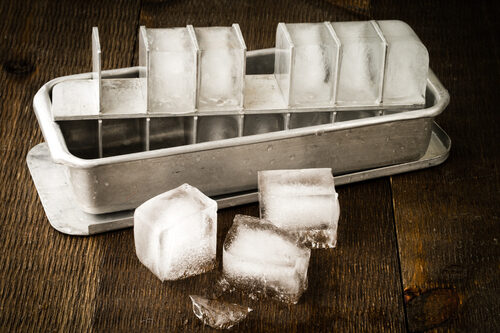
Before automatic ice makers, metal trays with a cracking lever were a freezer essential. These trays had a handle you pulled to break the ice loose after freezing. Once refrigerators began including built-in ice makers, manufacturers stopped prioritizing these trays. Plastic trays were cheaper and easier to ship, so they became the standard.
As factories focused on refrigerator accessories and plastic molds, metal trays faded from the production line. Many brands discontinued them entirely during the 1990s and 2000s. Today they still exist, but usually from specialty manufacturers. That’s why people who grew up with them often have trouble finding them in regular stores.
5. Incandescent Light Bulbs
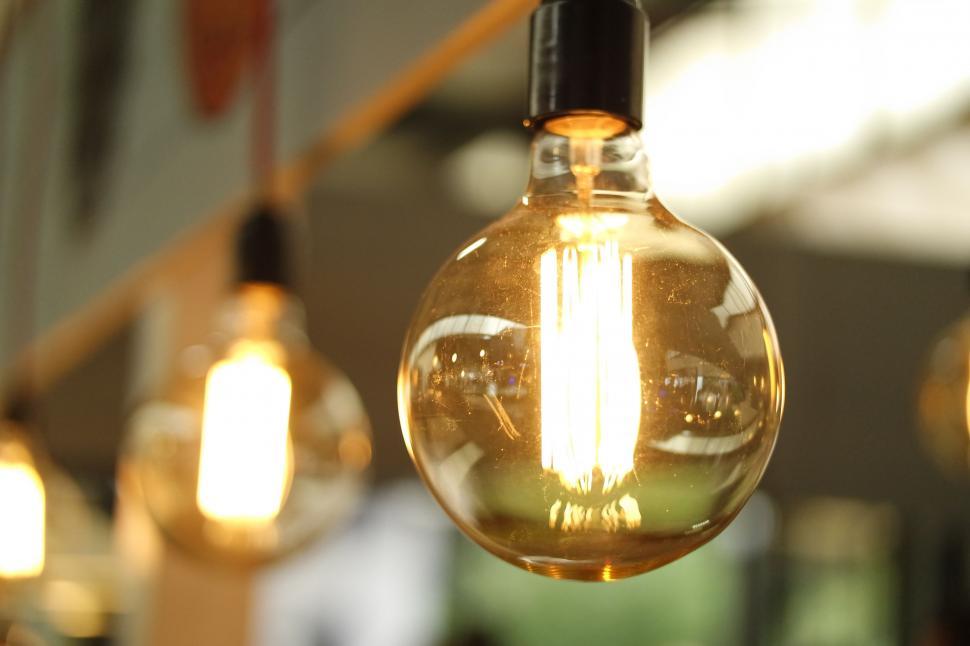
For more than a century, the classic incandescent light bulb was the default in homes everywhere. Then energy-efficiency regulations in the U.S., EU, and many other countries pushed manufacturers toward LEDs and compact fluorescents. As factories retooled production lines, many companies stopped producing traditional incandescent bulbs entirely. The result is that certain wattages and specialty shapes have become surprisingly hard to find.
Today you can still locate some versions, but the selection is far smaller than it used to be. Appliance bulbs, decorative styles, and higher-wattage models often disappear from shelves first. Manufacturers simply prefer producing LEDs, which are more profitable and compliant with regulations. That shift in manufacturing priorities made the old-school bulb feel oddly rare.
6. 35mm Film
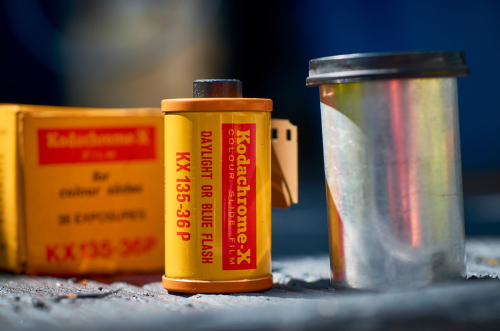
For decades, nearly every household camera used 35mm film. When digital photography exploded in the early 2000s, film demand dropped sharply. Major companies shut down factories or scaled production way back. Entire film product lines vanished almost overnight.
Film photography has seen a small comeback among enthusiasts, but manufacturing never returned to its previous scale. Only a few companies now produce many film types. That means certain film stocks periodically run out or become hard to find. The shift to digital cameras permanently shrank the manufacturing base.
7. Home Canning Jar Lids

Home canning lids became unexpectedly scarce during the 2020–2021 period. Demand for home food preservation surged, but manufacturing capacity was limited. Only a small number of companies produce the metal lids used for sealing mason jars. When factories struggled to keep up, shelves emptied quickly.
The shortage revealed how concentrated the manufacturing process had become. Many lid factories had previously consolidated or closed due to lower demand over the years. With fewer facilities producing them, supply couldn’t ramp up quickly. That manufacturing bottleneck made a once-common pantry item temporarily hard to find.
8. Solid Copper Cookware

Copper pots and pans used to be more common in home kitchens, especially before stainless steel became dominant. Traditional copper cookware requires skilled labor and expensive raw materials. As manufacturing shifted to cheaper metals and overseas factories, many domestic copper workshops closed. The remaining makers tend to focus on premium markets.
Because of that shift, solid copper cookware is far less common in mainstream stores today. Most modern cookware lines use aluminum or stainless steel instead. True copper pieces are still made, but in much smaller quantities. That limited production is why they feel increasingly rare.
9. CRT Televisions and Monitors

Cathode ray tube (CRT) televisions were once the centerpiece of nearly every living room. When flat-screen LCD and plasma displays became popular in the 2000s, manufacturers rapidly shut down CRT production lines. Building the large glass tubes required specialized factories that were expensive to maintain. Once demand dropped, those facilities closed.
Today CRT TVs are almost impossible to buy new. A few niche users still seek them out for retro gaming or vintage video equipment. Because no major manufacturers still produce the tubes, the only supply comes from used units. The disappearance of CRT factories made the technology effectively scarce.
10. Mechanical Wind-Up Alarm Clocks

Wind-up alarm clocks used to sit on nightstands across the world. They relied on springs and gears rather than batteries or electricity. When quartz and digital clocks became cheaper to produce in the 1970s and 1980s, manufacturers switched technologies. Mechanical clock production dropped dramatically.
Digital clocks were easier to mass-produce and required fewer precision parts. That manufacturing shift pushed traditional wind-up models into a niche market. Today only a few companies still make them regularly. The result is that the classic ticking bedside clock has become relatively uncommon.
11. Real Linoleum Flooring

Linoleum flooring was once a standard choice for kitchens and bathrooms. It’s made from natural materials like linseed oil, cork dust, and wood flour. In the mid-20th century, manufacturers began replacing it with vinyl flooring made from PVC. Vinyl was cheaper and easier to mass-produce.
As factories switched to vinyl, linoleum production shrank dramatically. Only a few manufacturers continue to produce the authentic material today. Because of that limited supply, many people assume all resilient flooring is vinyl. The manufacturing pivot left true linoleum surprisingly scarce.
12. Slide Projectors
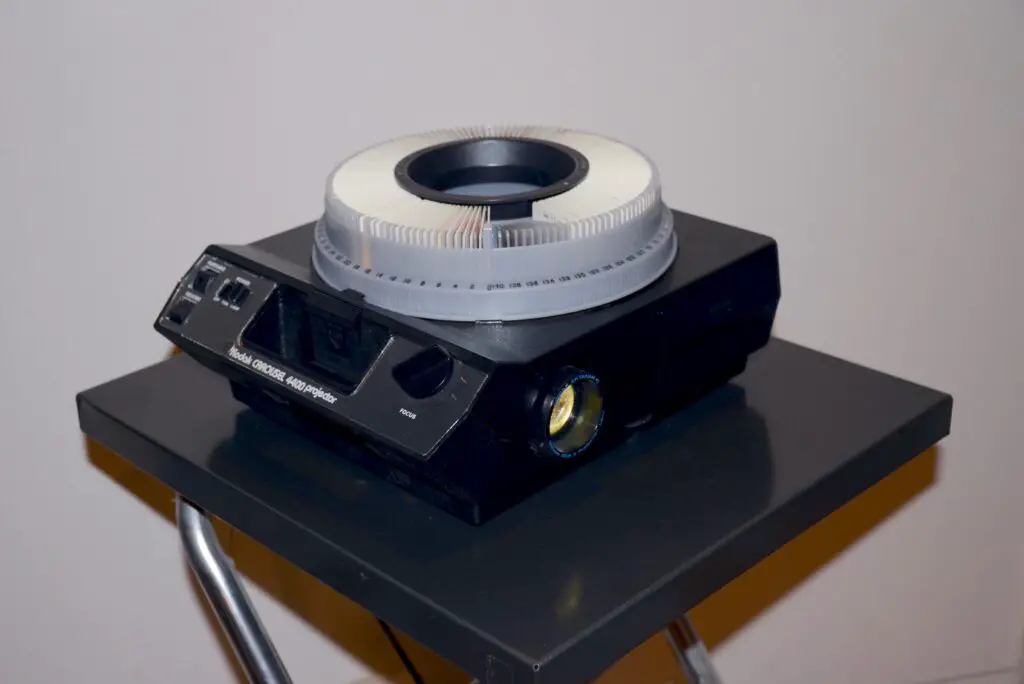
Slide projectors used to be common in homes where families showed vacation photos on a wall. They relied on photographic slides, which were widely produced through the late 20th century. When digital photography took over, demand for slides collapsed. Manufacturers stopped producing projectors and slide accessories.
Companies that once made the carousel trays and bulbs shut down those production lines. Today most slide projectors you see are decades old. Replacement parts are often salvaged from other machines. The shift to digital imaging essentially ended large-scale projector manufacturing.
13. VCRs and VHS Players
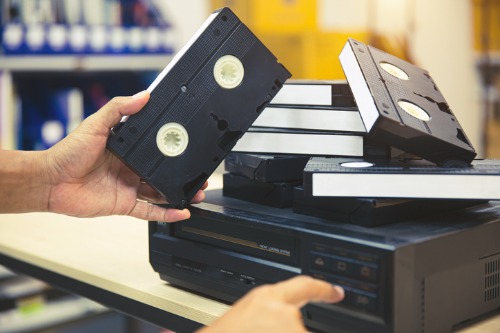
VCRs were a fixture in living rooms for recording television and watching movies. Once DVDs and later streaming services became dominant, VCR demand plummeted. Manufacturers gradually shut down production lines throughout the 2000s. The last major manufacturer stopped producing new VCRs in 2016.
Because factories no longer make them, working units are becoming harder to find. Repair parts are also scarce since many components aren’t produced anymore. People who still watch VHS tapes often rely on secondhand machines. The end of manufacturing turned a once-common appliance into a collector’s item.
This post 13 Household Items That Became Scarce When Manufacturing Changed was first published on Greenhouse Black.
