
1. Vintage Board Games

Older board games were designed to be played repeatedly, not preserved. Pieces were lost, boxes were damaged, and many games were thrown away. Certain titles from the mid-20th century were produced in limited quantities. Complete sets with original components are now surprisingly valuable.
Condition matters more than age for these games. Original artwork and intact boxes drive collector interest. Many households stored them in attics or basements after children grew up. That unintentional storage created scarcity in good condition examples.
2. Vintage Pyrex Mixing Bowls
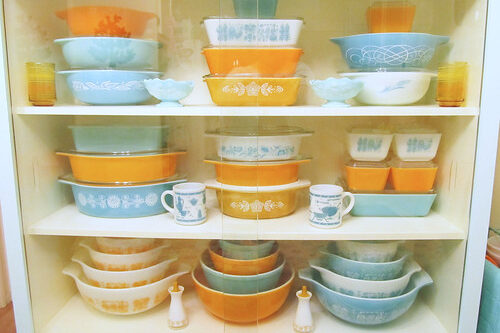
Pyrex bowls were designed as durable, everyday kitchenware for postwar American homes. Popular patterns like Pink Gooseberry, Butterprint, and Primary Colors were mass-produced and affordable. Over time, changes in manufacturing and discontinued designs made older pieces harder to find. Collectors now prize these bowls for their bold colors, thick glass, and nostalgic appeal.
Their value comes from scarcity and cultural memory rather than luxury materials. Families often kept them for decades because they held up so well. Condition matters greatly, as chips and fading reduce value. Full nesting sets in good shape are what truly elevate these bowls.
3. CorningWare Blue Cornflower Dishes

CorningWare introduced the Blue Cornflower line in 1958 as practical cookware that could move from stovetop to oven. The dishes were marketed for durability, not aesthetics or collectibility. Millions were sold, making them a kitchen staple for generations. Their accidental value stems from the long production run paired with a loyal collector base.
Collectors pay attention to back stamps, production locations, and piece types. Early examples made in Corning, New York are particularly sought after. Many households still have these dishes because they were rarely discarded. That everyday usefulness helped preserve them until collectors took notice.
4. LEGO Sets
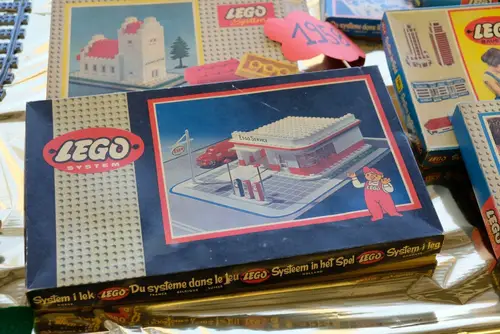
LEGO bricks were created to be mixed, played with, and eventually scattered across the floor. Early on, the company did not market sets as collectibles. Over time, discontinued themes and licensed sets became difficult to replace. Sets like Star Wars or early LEGO Castle releases gained value after production ended.
Most households opened LEGO boxes immediately, which makes sealed sets rare. Even used sets can be valuable if they are complete with instructions. The appeal comes from nostalgia combined with scarcity. Their accidental value lies in survival, not original intent.
5. First-Generation iPods
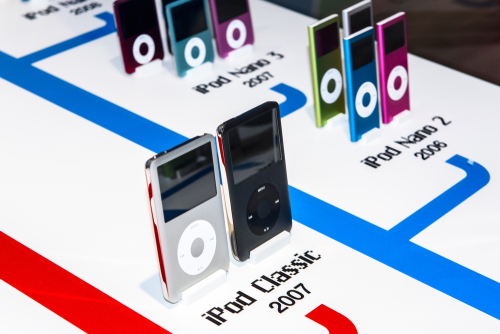
The original iPod debuted in 2001 as a functional music player, not a collector’s item. Apple assumed users would upgrade as technology improved. Early models were heavily used, scratched, and eventually discarded. Surviving examples in working condition became valuable due to rarity.
Original packaging and accessories significantly affect value. Storage capacity also matters, as early versions had limited options. Many people didn’t think to save outdated electronics. That lack of foresight is why intact examples stand out today.
6. Vintage Tupperware

Tupperware was designed for convenience, freshness, and durability, not display. Early designs from the 1940s and 1950s featured specific colors, textures, and logos that were later changed. These quiet design shifts created unintended rarity. Certain pieces now attract collectors interested in mid-century home goods.
Older examples often survive because Tupperware was built to last. Condition and color retention play a big role in value. Many households still use or store these containers without realizing their appeal. What once symbolized practicality now represents design history.
7. Singer Featherweight Sewing Machines
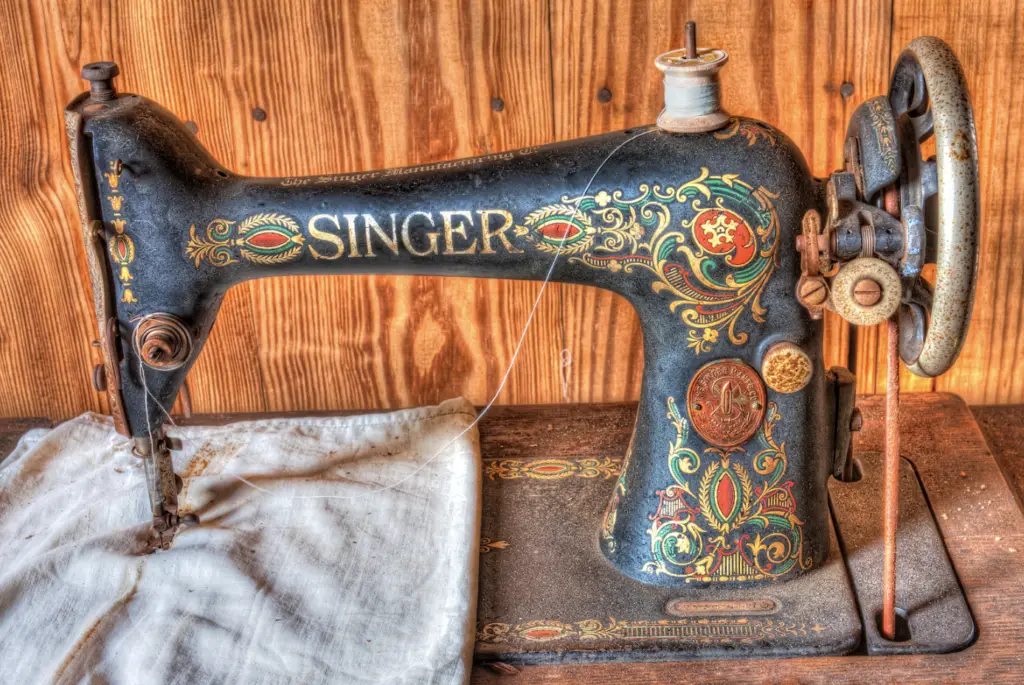
The Singer Featherweight 221 was released in the 1930s as a lightweight, portable sewing machine. It was intended for home use, not long-term collectibility. Its reliability and compact size made it popular with seamstresses and quilters. Production eventually stopped, increasing demand among modern crafters.
Machines with original cases, accessories, and decals are most valuable. Many households kept them because they continued to function well. Unlike larger machines, they were easy to store rather than discard. That practicality helped preserve them for future collectors.
8. Depression Glass
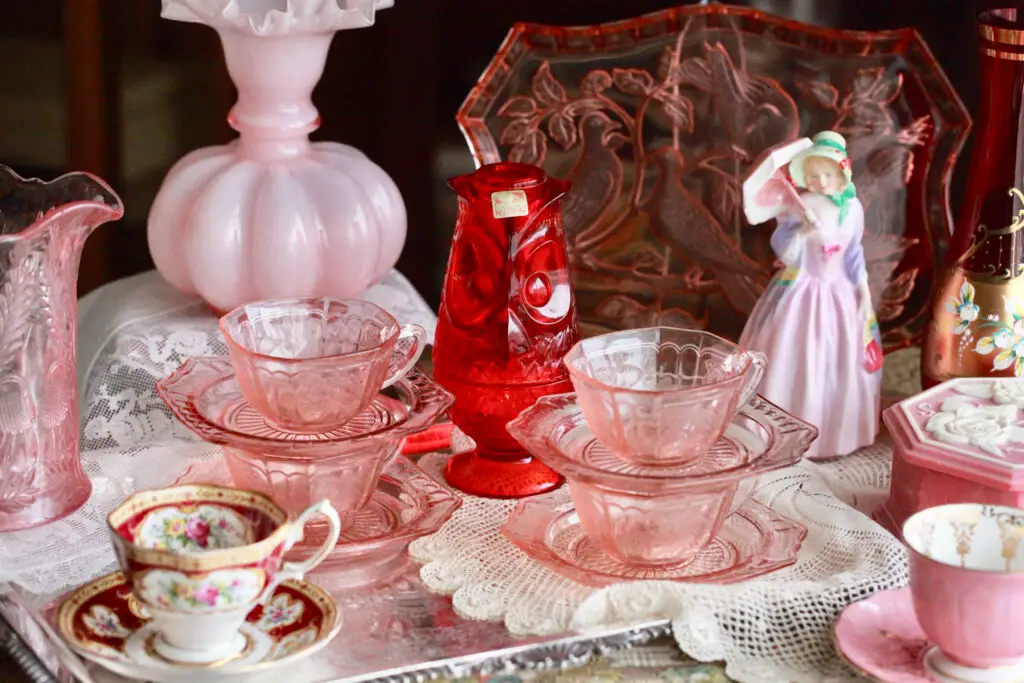
Depression glass was mass-produced in the 1920s and 1930s and often given away for free. It came as promotional items in cereal boxes or movie theaters. The glass was inexpensive and fragile, never intended to last decades. Ironically, that fragility is why intact pieces became valuable.
Patterns like Cameo, Royal Lace, and Mayfair are especially sought after. Chips and cracks drastically reduce value. Families often saved them as keepsakes rather than daily use items. That sentimental storage turned throwaway glass into collectibles.
9. Beanie Babies
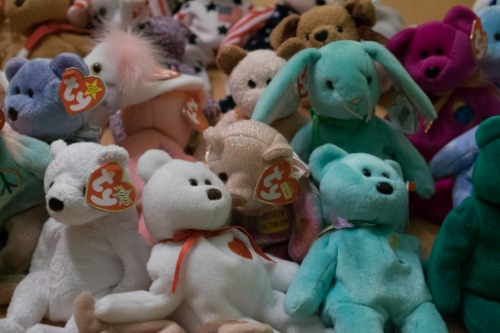
When Beanie Babies first appeared in the 1990s, they were meant to be inexpensive plush toys you could toss on a bed or shelf. Ty Warner didn’t market them as investments, and most parents bought them casually at gift shops. The shift happened because of limited production runs, frequent “retirements,” and subtle manufacturing variations. Certain bears, such as the Princess Diana Bear released in 1997, became valuable due to short runs and intense collector demand.
Not every Beanie Baby is worth money, which is why this one surprises people. Value depends heavily on condition, original swing tags, and specific versions rather than age alone. Many households stored them away after the craze faded, never imagining future interest. That accidental preservation is exactly why some examples command high prices today.
10. Early Comic Books
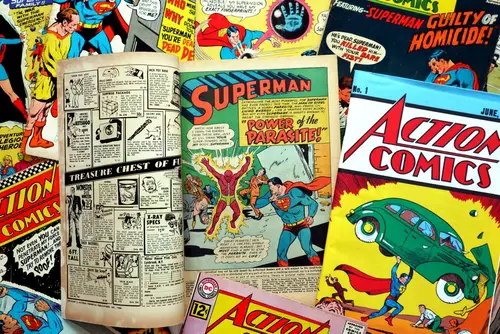
Comic books were once seen as disposable entertainment for children. They were printed cheaply and often discarded after reading. Early superhero issues, especially first appearances, became valuable as characters gained popularity. Survival rates are low because few people preserved them.
Condition grading heavily affects value. Comics stored flat and dry are far rarer than heavily handled ones. Many households unknowingly threw away valuable issues. Those that survived did so almost entirely by accident.
11. VHS Tapes of Rare Releases

VHS tapes were meant for repeated viewing, not long-term preservation. Most were replaced by DVDs and streaming services. Certain tapes became valuable due to limited distribution or unusual artwork. Examples include early Disney releases with discontinued packaging.
Sealed copies are especially rare. Many tapes were recorded over or donated. Collectors value them as cultural artifacts rather than for viewing. Their worth comes from obscurity and survival.
12. Vintage Costume Jewelry
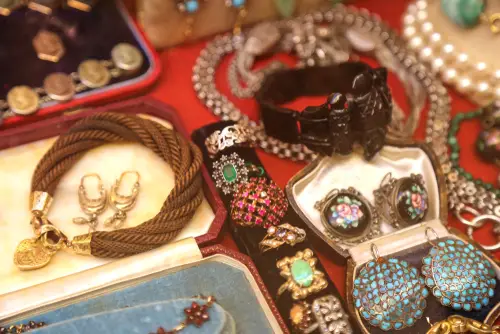
Costume jewelry was designed to mimic fine jewelry at an affordable price. Brands like Trifari and Coro produced pieces meant for everyday wear. Certain designs and materials were later discontinued. Over time, collectors began valuing craftsmanship and design over intrinsic materials.
Original clasps, markings, and condition affect value. Many households stored these pieces in drawers rather than discarding them. Trends eventually circled back, increasing demand. What started as imitation became collectible by accident.
This post 12 Household Items That Became Valuable by Accident was first published on Greenhouse Black.
