
1. China Cabinets
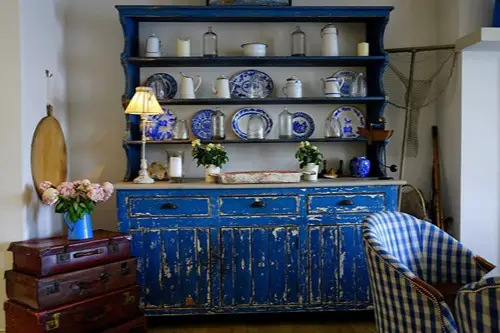
To a lot of people under 40, a china cabinet looks like a bulky wooden box that takes up valuable square footage. Minimalist trends have made open shelving and sleek cabinetry feel more modern. But historically, china cabinets were a sign of stability and pride in one’s home. They were designed to display carefully collected dishware that often marked weddings, anniversaries, and major milestones.
Boomers and Gen X homeowners often see them as heirloom pieces rather than clutter. Many cabinets are made of solid hardwood like oak, cherry, or mahogany, materials that are far more expensive today than when the pieces were built. The glass panes were meant to protect fine porcelain from dust while still showing it off. What looks outdated to some is actually craftsmanship that’s hard to afford now.
2. Fine China Sets
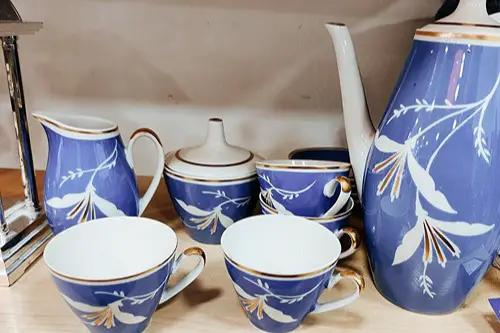
Younger adults sometimes view fine china as fussy or unnecessary when everyday plates seem perfectly functional. With casual dining and dishwasher-safe dishware dominating the market, delicate place settings can feel impractical. But traditional fine china is often made from high-quality porcelain or bone china, fired at very high temperatures for strength and translucence. Sets from established makers were designed to last decades with proper care.
For many families, these sets were purchased gradually or received as wedding gifts. Brands like Lenox and Noritake built reputations on durability and detailed patterns that required skilled artistry. The gold or platinum trim you see on older pieces wasn’t just decorative; it used real precious metal accents. What looks like grandma’s special-occasion plate can represent a significant financial investment.
3. Solid Wood Furniture
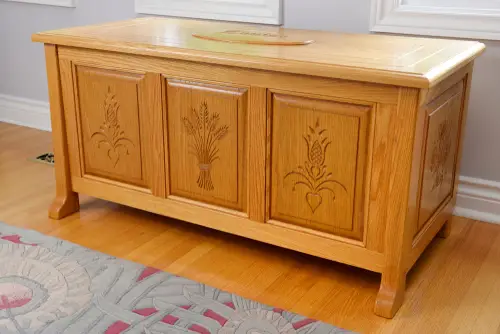
Particleboard furniture has become the norm for many first apartments. Against that backdrop, heavy wooden dressers or dining tables can seem dated and overly formal. But solid wood furniture is structurally stronger and can often be refinished multiple times over its lifespan. Pieces made from maple, walnut, or oak can easily last 50 years or more.
Older generations often invested in furniture intending to keep it for decades. Dovetail joints and mortise-and-tenon construction were common in quality pieces and are still considered hallmarks of durability. Today, similar craftsmanship typically comes with a much higher price tag. What looks old-fashioned is often more sustainable and more expensive than flat-pack alternatives.
4. Persian Rugs
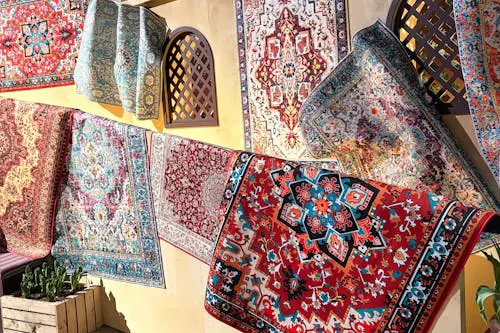
To some younger homeowners, ornate patterned rugs can look busy or out of step with modern aesthetics. Neutral jute or monochrome rugs tend to dominate current design trends. Authentic Persian rugs, however, are hand-knotted and can take months or even years to produce. The knot density and natural dyes contribute to both durability and value.
Genuine Persian rugs often come from regions in Iran with long weaving traditions. They are made of wool or silk and are designed to last for generations. Because of the labor involved, high-quality examples can cost thousands of dollars. What might seem overly traditional is actually a piece of functional art.
5. Crystal Glassware
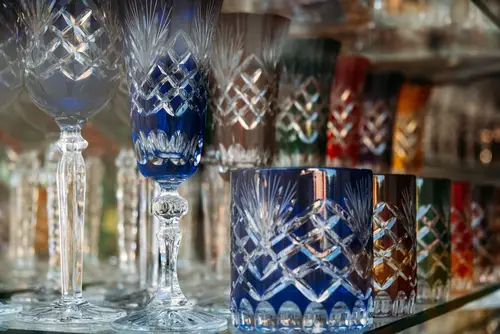
Cut crystal can appear overly ornate to people accustomed to simple glass tumblers. The weight and sparkle may even be mistaken for something flashy but inexpensive. In reality, true crystal contains minerals like lead oxide that increase clarity and heft. The intricate cuts are designed to refract light and enhance the drinking experience.
Brands such as Waterford became well known for precision-cut crystal that required skilled craftsmanship. The added mineral content makes the glass softer and easier to cut, but also more expensive to produce. Crystal pieces are often reserved for formal gatherings and special occasions. Their brilliance isn’t just aesthetic; it reflects a higher production cost.
6. Antique Clocks
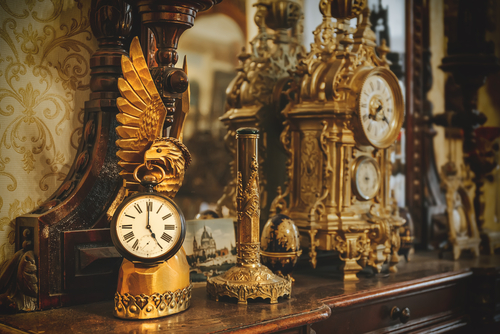
Large mantel or grandfather clocks can look like relics from another era. Digital clocks and smartphones have made timekeeping almost invisible in daily life. Mechanical clocks, however, rely on intricate systems of gears, springs, and pendulums. The engineering behind them is precise and historically significant.
Grandfather clocks became especially popular in the 18th and 19th centuries and were often considered status symbols. Many were handcrafted and encased in fine wood cabinetry. Maintaining them requires specialized knowledge, which adds to their value. What appears bulky is actually a complex mechanical instrument.
7. Silverware Sets
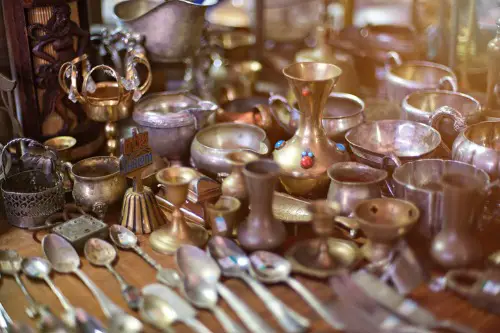
Stainless steel flatware is standard in many households under 40. So when younger people see heavy, tarnished silverware, they may assume it’s outdated or fussy. Sterling silver flatware typically contains 92.5 percent pure silver, making it intrinsically valuable. The weight alone often signals higher material cost.
Polishing silver can be time-consuming, which adds to the perception that it’s impractical. But sterling sets were frequently given as wedding gifts meant to last a lifetime. Patterns from companies like Gorham were produced with careful detailing and craftsmanship. The metal’s resale value alone can exceed what many expect.
8. Quilts
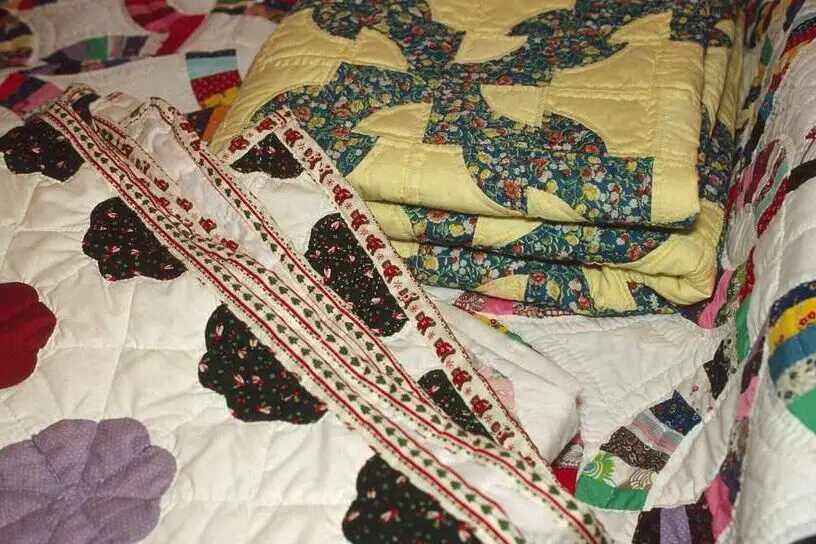
Handmade quilts sometimes get lumped in with inexpensive bedding sold in big-box stores. Bright patchwork designs may seem quaint rather than luxurious. Traditional quilts, however, are labor-intensive and can take weeks or months to complete by hand. The stitching techniques are often passed down through generations.
Many quilts are made from high-quality cotton and layered for warmth and durability. Historically, quilting was both practical and artistic, combining function with storytelling. Some antique quilts are now collectible items valued for their patterns and condition. What looks homey can actually represent hundreds of hours of skilled work.
9. Cast Iron Cookware
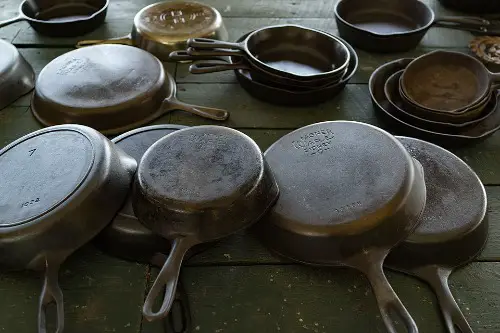
To someone used to lightweight nonstick pans, cast iron can feel clunky and old-fashioned. The dark, seasoned surface doesn’t have the shiny appeal of newer cookware. Yet cast iron is prized for its heat retention and even cooking. Properly maintained pans can last for decades, even centuries.
Brands like Lodge have been producing cast iron cookware since the 19th century. Unlike many modern nonstick coatings, cast iron contains no synthetic surface that can peel away. It can move from stovetop to oven without issue and improves with use. What looks heavy is actually built for performance and longevity.
10. Leather Armchairs
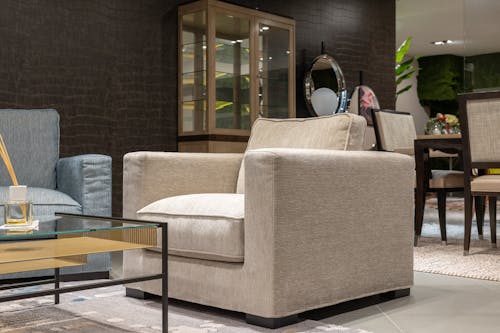
Overstuffed leather chairs may seem like something from a dated office lobby. Sleek fabric sectionals dominate many contemporary living rooms. Genuine leather, however, is durable and develops a patina over time that many people find appealing. High-quality leather resists tearing better than many synthetic materials.
Full-grain leather is particularly valued because it retains the strongest part of the hide. Properly cared for, a leather chair can last decades without losing structural integrity. It also tends to age more gracefully than bonded or faux leather. What might look old-school can actually be a long-term investment.
11. China Figurines
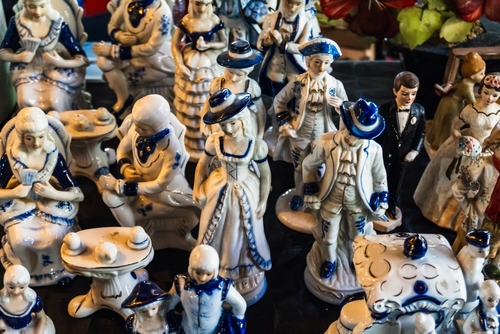
Small porcelain figurines often strike younger viewers as clutter. Minimal decor trends favor fewer, larger statement pieces instead. Many figurines, however, were produced by respected manufacturers with detailed hand-painting. The artistry involved can be surprisingly intricate.
Companies like Lladró became known for their porcelain craftsmanship and delicate designs. Each piece typically goes through multiple stages of molding, firing, and painting. Limited editions can become collectibles over time. What seems like shelf filler can actually reflect skilled ceramic work.
12. Rolltop Desks
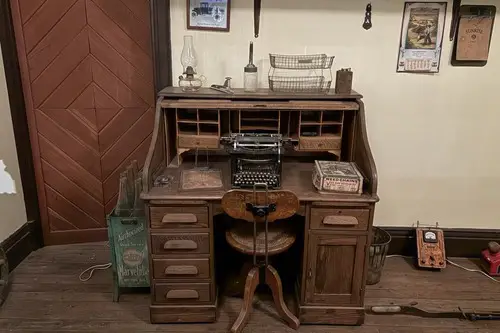
Rolltop desks can look bulky compared to modern minimalist desks. Their sliding tambour doors and cubbies may feel overly complicated. Historically, they were designed to keep paperwork organized and protected from dust. The curved door mechanism itself requires careful woodworking.
Many antique rolltop desks are made from solid oak or mahogany. The tambour slats are fitted together with fabric backing to allow smooth movement. These desks were once staples in professional offices. What appears cumbersome is actually an example of thoughtful 19th-century design.
13. Brass Fixtures
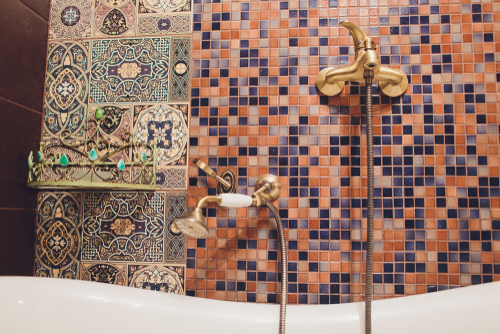
Shiny brass fixtures sometimes get labeled as outdated compared to matte black or brushed nickel. Design trends cycle quickly, which can make older finishes look cheap by comparison. Solid brass, however, is corrosion-resistant and durable. It has been used for centuries in hardware and plumbing components.
Unlike plated finishes, solid brass can be polished and restored repeatedly. Its weight and density often signal higher material quality. In fact, many modern “brass” fixtures are merely brass-coated. What looks like yesterday’s trend can actually be made from a premium metal.
This post Household Items That Only Look Cheap to People Under 40 was first published on Greenhouse Black.
