
1. Can opener
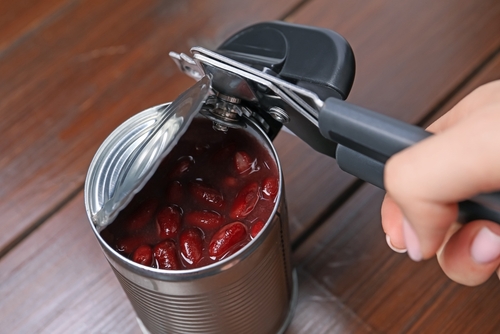
A can opener feels optional until you’re staring at a sealed can of soup. Many shelf-stable foods rely on it, especially pantry staples like beans and vegetables. Pull-tab cans aren’t universal, despite how common they seem. Without an opener, perfectly good food becomes inaccessible.
Improvising with knives or tools risks injury and damaged counters. Electric openers can fail due to dead motors or power outages. Manual openers are small, cheap, and easy to misplace. You only appreciate them when dinner plans stop cold.
2. Toilet paper
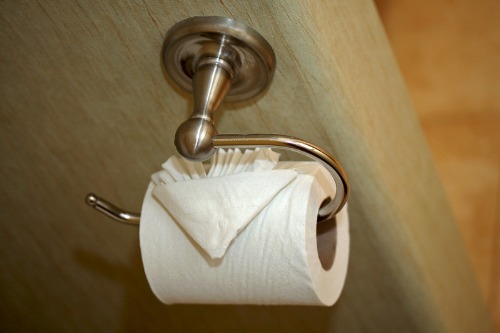
You don’t think about toilet paper until the roll is empty and it’s very much the wrong moment. It’s not just inconvenient; it immediately disrupts basic hygiene. Paper towels, tissues, or napkins aren’t designed to dissolve the same way. That difference matters for plumbing and septic systems.
Running out forces a sudden trip to the store, regardless of weather or time. In shared households, it can cause real friction fast. Because it’s cheap and bulky, people forget to track how much is left. Its absence turns a mundane product into an urgent priority.
3. Plunger
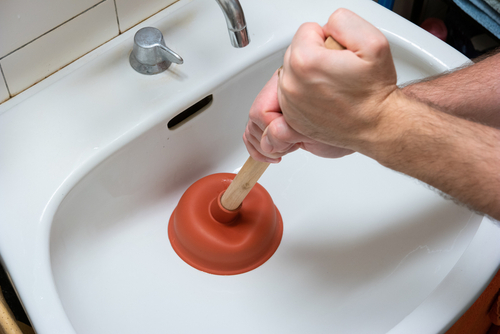
A plunger usually sits unnoticed until a toilet doesn’t flush properly. Clogs are common and often happen without warning. Chemical drain cleaners aren’t always safe or effective for toilets. A plunger is typically the fastest and safest solution.
Without one, a minor clog can escalate quickly. Calling a plumber for a simple blockage is expensive and avoidable. Toilet plungers have a flange for a reason, unlike sink plungers. You don’t realize its value until water starts rising.
4. Phone charger
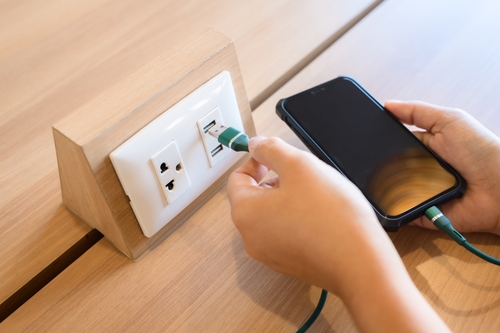
Phone chargers blend into daily life because they’re always plugged in. When one breaks or goes missing, your phone’s battery suddenly controls your schedule. Smartphones handle navigation, payments, and authentication. Losing power can cut off all of that at once.
Borrowing a charger isn’t guaranteed because cables and ports vary. Public charging stations aren’t always nearby or reliable. Many people own multiple devices but too few spare chargers. You don’t value them until the battery icon turns red.
5. Trash bags
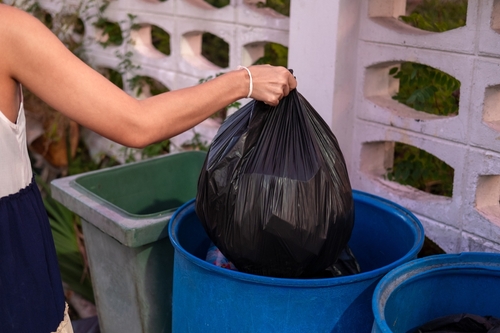
Trash bags seem trivial until there aren’t any left. Loose trash leads to leaks, odors, and difficult cleanup. Grocery bags aren’t always available or strong enough. Proper trash bags keep waste contained and manageable.
Running out may mean piling trash somewhere temporarily. That can create sanitation issues or attract pests. Different bins require specific bag sizes and shapes. You only notice this when nothing fits properly.
6. Light bulbs

Light bulbs are invisible until a room suddenly goes dark. Burnouts often happen at night or when you’re busy. Not all fixtures use the same bulb size or base. One dead bulb can make an entire space unusable.
Replacing bulbs requires having the correct type on hand. LEDs last so long that people forget to keep spares. Temporary fixes like desk lamps aren’t always practical. Darkness quickly clarifies how essential bulbs are.
7. Batteries
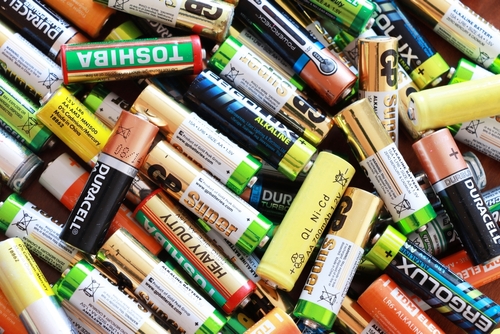
Batteries quietly power remotes, clocks, and safety devices. You rarely think about them while everything works. When they die, multiple items can fail at once. Some devices stop completely without warning.
Finding the right size isn’t always easy. Mixing old and new batteries can cause performance issues. Rechargeables don’t help if they aren’t charged. You miss batteries only when silence replaces function.
8. Paper towels

Paper towels handle spills, grease, and quick cleanups. They’re more absorbent than napkins or toilet paper. When they’re gone, messes become harder to manage. Cloth towels aren’t always clean or convenient.
Using substitutes can spread stains or bacteria. Some messes, like grease, aren’t suited for reusable cloths. Running out often happens mid-task. Their absence makes simple chores feel frustrating.
9. Laundry detergent
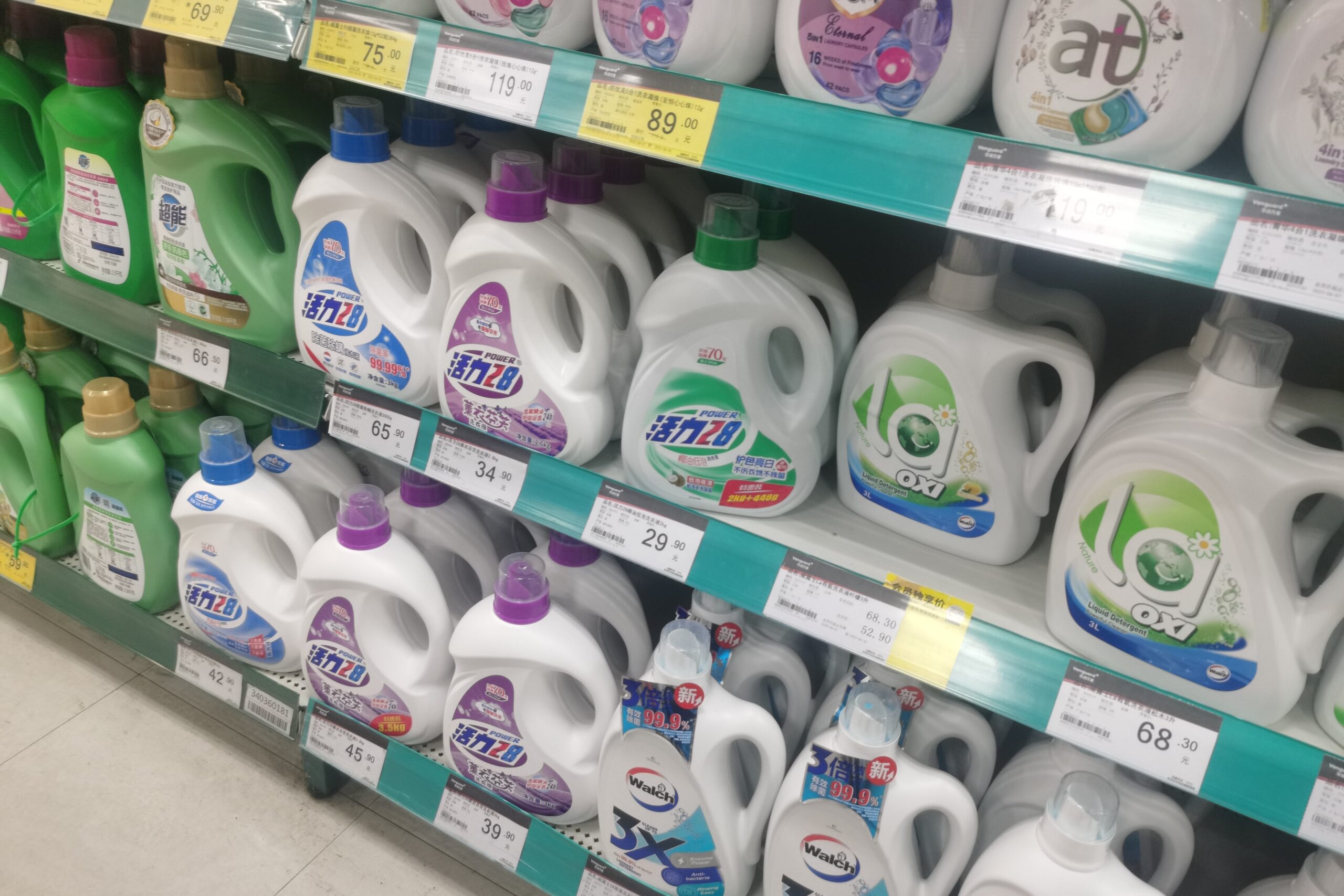
Laundry detergent fades into the background of routine. You notice it only when the washer is already loaded. Clothing can’t be properly cleaned without it. Water alone doesn’t remove oils or odors effectively.
Borrowing detergent isn’t always an option. Different machines require specific formulas. Skipping a wash can disrupt work or school schedules. You appreciate detergent most when it’s missing at the worst time.
10. Scissors
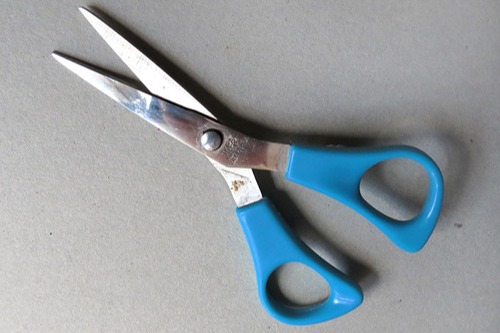
Scissors are used briefly and then forgotten. Packaging, tags, and tape all depend on them. When they’re gone, opening things becomes a struggle. Knives aren’t always safe or precise substitutes.
Dull or broken scissors make tasks harder than expected. Many households lose them to drawers or other rooms. Having multiple pairs doesn’t guarantee one is nearby. You miss them when frustration replaces convenience.
11. Extension cords
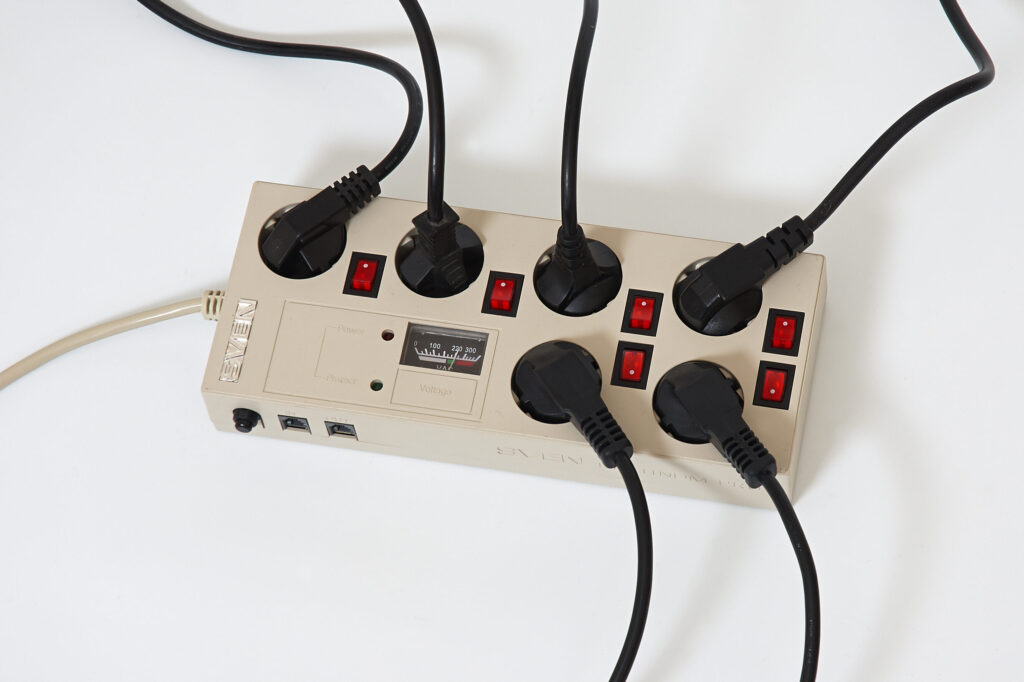
Extension cords quietly solve distance problems. They let appliances and chargers reach usable outlets. When one disappears, setups stop working. Furniture placement suddenly feels limited.
Power strips aren’t always interchangeable. Temporary solutions can create tripping hazards. Some devices shouldn’t be moved closer to outlets. You only notice cords when you can’t bridge the gap.
12. Hand soap
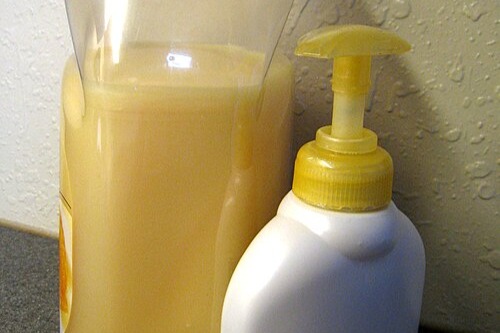
Hand soap is used dozens of times a day without thought. When the dispenser runs dry, hygiene becomes an issue. Water alone doesn’t remove germs effectively. This matters especially after cooking or using the bathroom.
Substituting dish soap isn’t always ideal for skin. Guests notice immediately when soap is missing. Running out often happens without warning. You realize its importance the moment it’s gone.
13. Basic tools
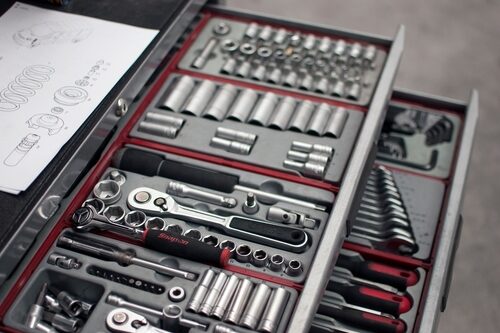
Basic tools like screwdrivers and wrenches rarely get daily use. When something loosens or breaks, they become essential. Many household fixes don’t require professionals. Without tools, small problems linger.
Borrowing tools delays repairs. Incorrect tools can damage hardware. Toolkits are easy to forget once stored away. You only miss them when a simple fix becomes impossible.
This post Household Items That Only Matter After They’re Gone was first published on Greenhouse Black.
