
1. Fiberglass Batt Insulation
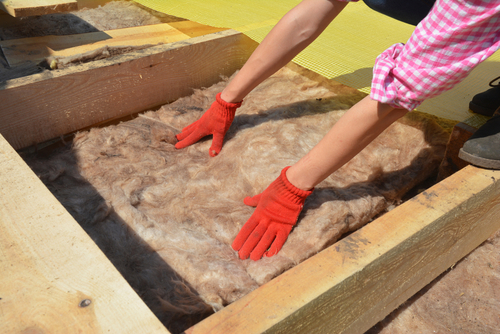
Fiberglass batts might gradually fall out of favor by 2026 as spray foam, mineral wool, and dense-pack cellulose become more mainstream. These alternatives offer better air sealing, which matters more in modern energy-efficient home design. Manufacturers can make higher margins on upgraded materials, giving them incentive to guide contractors toward newer options. That leaves fiberglass batts feeling like an older, less precise tool.
Homeowners also complain about itchiness and messy installation, and manufacturers notice when a product gets that kind of reputation. As more states tighten building codes, fiberglass batts may struggle to meet performance requirements without heavy add-ons. Mineral wool, for example, offers better fire resistance with fewer headaches. With these competing advantages, fiberglass may slowly retreat from the spotlight.
2. Vinyl Flooring
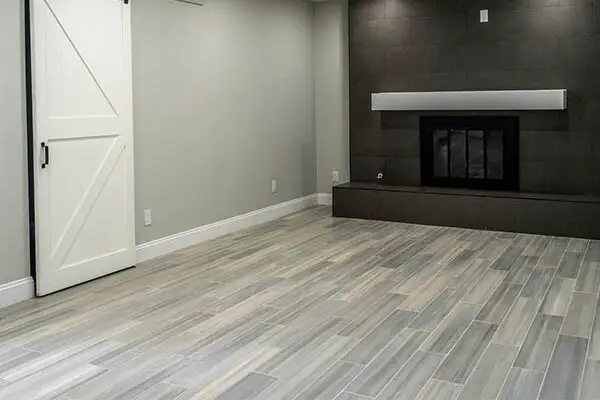
Manufacturers may start phasing out traditional vinyl flooring by 2026 because homeowners are leaning toward materials with fewer chemical additives. Vinyl has improved over the years, but many versions still rely on plastics that raise indoor-air-quality concerns. As alternatives like rigid-core composites and natural linoleum get cheaper to produce, vinyl becomes less attractive to keep in high-volume catalogs. Companies tend to follow long-term trends, and this one seems to be pointing away from PVC-heavy products.
Another reason vinyl may fade is durability expectations shifting upward. Homeowners want floors that don’t dent or discolor easily, and mid-range substitutes now outperform vinyl in those areas. Since installers also prefer materials that click together more reliably, vinyl sometimes ends up the “harder” option. With all that pressure combined, a slow phase-out feels realistic.
3. Traditional Asphalt Shingles
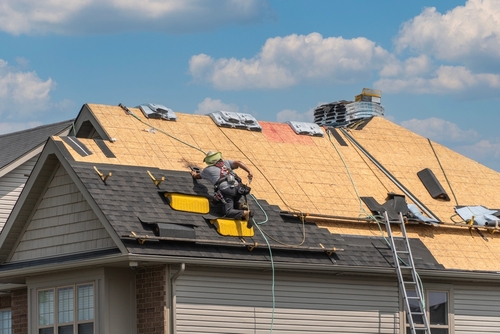
Standard asphalt shingles might be on their way out as composite and metal roofing grow more popular. Manufacturers are already experimenting with longer-lasting materials that reduce warranty claims. Asphalt shingles require frequent replacement, which makes them less appealing in an era pushing durability. If production costs for alternatives keep dropping, asphalt’s dominance could shrink.
Climate concerns also play a role, since asphalt softens in heat and can crack in extreme cold. As weather patterns get harsher, manufacturers prefer materials that don’t lead to customer complaints every stormy season. Homeowners increasingly ask for cool-roof or impact-resistant options, which asphalt struggles to match. This shift might push manufacturers to reduce asphalt lines over the next few years.
4. Standard Drywall
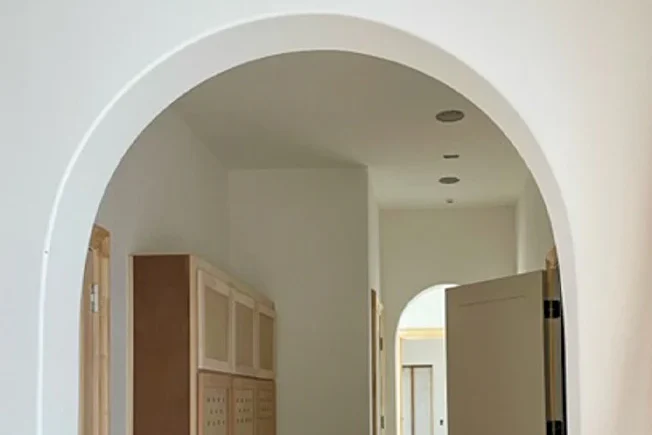
Standard gypsum drywall might see a partial phase-out because newer boards are better at resisting moisture, mold, and impact. Manufacturers make more profitable versions with fiberglass facings or enhanced cores. As homeowners renovate, they tend to pick “just a little better,” and that slowly erodes demand for the basic stuff. Once sales dip enough, companies may cut production of the cheapest tiers.
Builders also report that upgraded drywall reduces callbacks, which makes it more attractive industry-wide. With healthier-home marketing gaining traction, basic drywall starts looking dated. Manufacturers like selling “premium” because it boosts margins without drastic factory changes. That combination could squeeze out traditional drywall more quickly than expected.
5. Laminate Countertops

Laminate countertops might be phased out because homeowners gravitate toward quartz, solid surface, and butcher block. Laminate has always been a budget-friendly option, but its visual quality struggles against modern alternatives. Manufacturers want to focus on materials that feel contemporary in catalog photos. As demand shrinks, laminate lines become harder to justify.
Durability is also a sticking point, since laminate doesn’t love heat, water, or years of knife marks. As households cook more at home, they notice the limitations sooner. Newer surfaces have far fewer maintenance issues, which drives long-term shifts in contractor recommendations. By 2026, laminate could become more of a rarity than a norm.
6. Popcorn Ceiling Texture
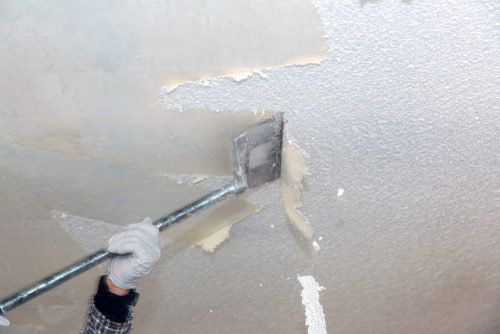
Popcorn ceilings may disappear for good as manufacturers lean into smoother, easier-to-clean ceiling finishes. The texture traps dust and makes repainting a chore, which doesn’t fit modern renovation trends. Since smooth finishes use similar materials with fewer steps, manufacturers don’t gain much by keeping popcorn additives in production. By phasing them out, companies simplify their product lines.
More homeowners are concerned about aesthetics and long-term resale value, and popcorn ceilings tend to drag both down. Contractors prefer flat ceilings because repairs are simpler and faster. Texture also doesn’t pair well with modern lighting setups, making it incompatible with trending home designs. All of that nudges manufacturers toward discontinuing it.
7. Hollow-Core Interior Doors
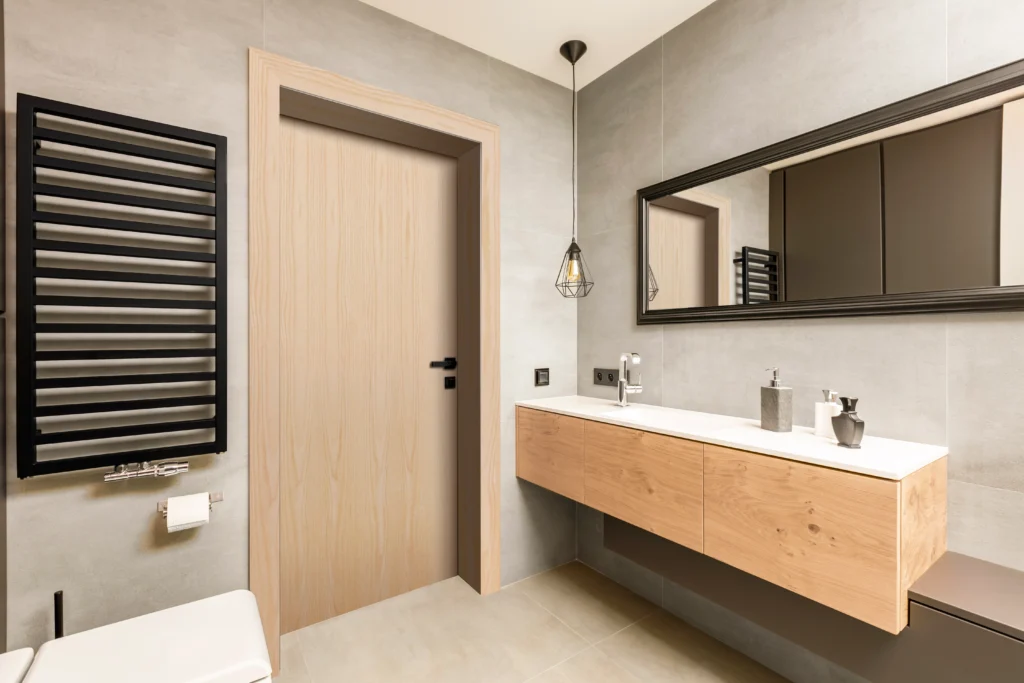
Hollow-core interior doors might be reduced in manufacturing catalogs because homeowners increasingly want quiet, solid-feeling rooms. Solid and semi-solid doors offer better sound control, which is a big selling point for home offices and shared living spaces. Manufacturers like the higher margins on heavier doors, so they naturally highlight them more. Hollow-core options may slowly shrink to a few low-end models.
They also tend to get damaged more easily, which leads to replacement frustration. As buyers become savvier, they’re more willing to upgrade during remodels. With solid doors becoming cheaper to produce thanks to better composite techniques, the price gap narrows. This makes hollow-core models less appealing for manufacturers to keep around.
8. Ceramic Wall Tile (Basic White)
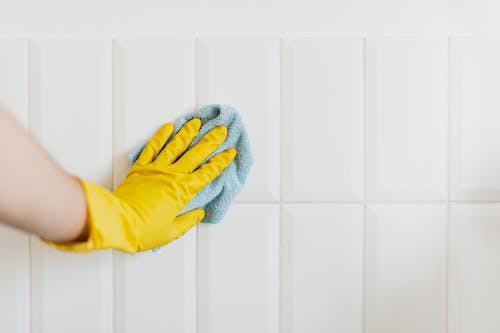
Basic ceramic wall tile might be phased down as manufacturers push larger-format porcelain and textured options. Homeowners want fewer grout lines and more durable surfaces, which porcelain delivers easily. Manufacturers can charge more for it, giving them incentive to highlight it over simpler tiles. Over time, that may push standard ceramic into the background.
Design trends are also shifting toward warmer tones and matte finishes, leaving glossy white tiles feeling dated. Retailers notice when displays stop getting attention, and they adjust orders accordingly. With porcelain now available in budget-friendly versions, ceramic loses some of its traditional price advantage. That combination makes a future phase-out plausible.
9. Basic Plastic Outlet Covers
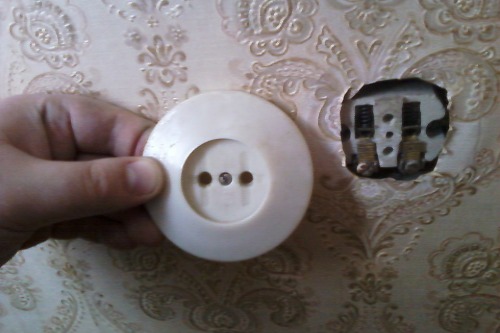
Those thin, all-plastic outlet covers may be phased out as manufacturers switch to sturdier polycarbonate or decorative metal versions. The cheap ones crack easily, which leads to unhappy customers and returns. Manufacturers increasingly bundle upgraded covers with new wiring products, subtly steering the market forward. This kind of packaging choice often predicts future phase-outs.
Home décor trends also push for more cohesive or “finished” looks, and the flimsy covers simply don’t fit that direction. Many homeowners are choosing upgraded plates without even noticing the price difference. As production shifts, manufacturers may stop offering the very cheapest versions entirely. It’s a small change, but one that reflects broader design expectations.
10. Traditional Doorbell Chimes
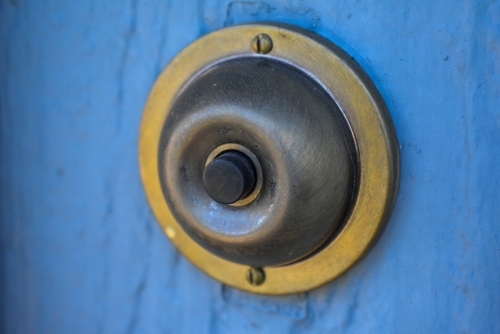
The old mechanical doorbell chimes may fade out as manufacturers prioritize smart doorbells. These newer systems integrate easier with security products, creating bigger product ecosystems for companies to sell. Traditional chimes require outdated wiring that many remodelers don’t want to fuss with. As more homes adopt smart systems, manufacturers naturally shift production.
Homeowners also appreciate customization features like volume control, mobile alerts, and video integration. Manufacturers see higher profit margins in these setups, especially because they often require accessories. With those incentives, the classic chime loses ground. By 2026, it may feel like a relic in new builds.
11. Standard Plastic Light Switches
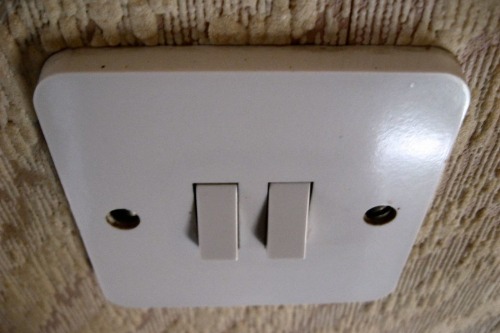
Standard beige or white plastic switches might be reduced because homeowners prefer paddle, smart, or dimmable switches. Manufacturers earn more from these modern versions, which makes older models less exciting to produce. Contractors also like offering streamlined looks that match current design trends. With all those factors, the classic small toggle switch may shrink in availability.
There’s also a push for lighting that adapts to mood or natural daylight cycles, which basic switches cannot support. As smart bulbs and control systems become standard, outdated switches feel limiting. Manufacturers don’t want to be left supporting older compatibility standards. That pressure often leads to a quiet phase-out.
12. Carpet with Synthetic Padding
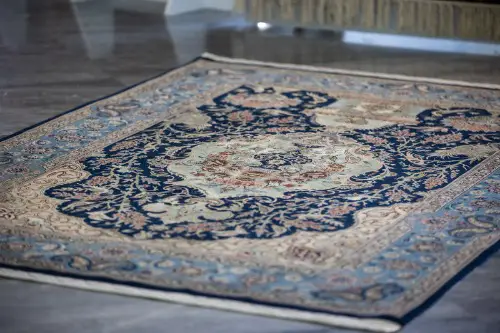
Low-grade carpet with synthetic padding might be phased out as homeowners move toward luxury vinyl plank, engineered hardwood, and high-density carpet alternatives. These newer materials offer better durability and feel more modern in updated homes. Manufacturers see declining demand and naturally scale back production. Cheaper carpet simply can’t keep up with shifting expectations.
Synthetic padding also has a reputation for trapping odors and breaking down quickly. As more families replace carpets less frequently, they invest in higher-quality options that last longer. Manufacturers prefer producing materials that enhance their brand rather than drag it down. That could push the older carpet styles out of circulation.
This post 12 Household Materials Manufacturers Plan to Phase Out by 2026 was first published on Greenhouse Black.
