
1. First-Generation iPods
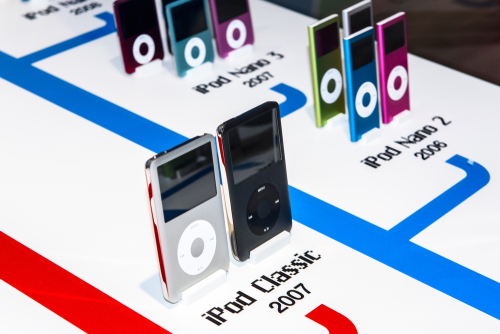
Remember when the original iPod felt revolutionary, and then suddenly everyone shoved them in drawers once streaming took over? Those early models—especially the first-generation 2001 iPod with the mechanical scroll wheel—are now highly collectible. Sealed, first-edition units have sold for tens of thousands of dollars at auction because they represent a turning point in consumer tech history. Even used early models can bring strong prices if they’re in excellent condition.
The value comes from scarcity and nostalgia colliding at once. Apple discontinued those early designs, and many units were heavily used or discarded. Collectors care about intact packaging, original cables, and working hard drives. It’s a reminder that yesterday’s “obsolete gadget” can become tomorrow’s museum piece.
2. Vintage Pyrex Bowls
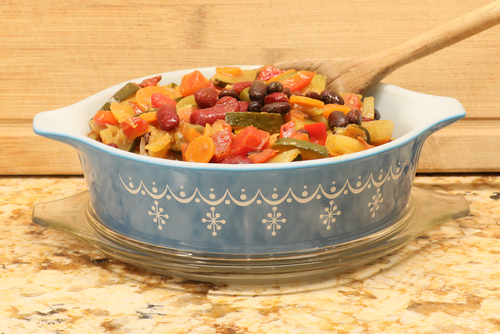
For decades, colorful Pyrex mixing bowls were just kitchen basics you could grab at any thrift store. Patterns like “Lucky in Love” or “Pink Daisy” were once common wedding gifts and then quietly fell out of fashion. Today, certain rare patterns sell for hundreds or even thousands of dollars among collectors. The reason is simple: some designs were produced in limited quantities or discontinued quickly.
When people remodeled kitchens in the 1980s and 1990s, many tossed these sturdy glass sets without a second thought. That reduced the supply dramatically. Meanwhile, mid-century modern style came roaring back. Now those cheerful, space-age patterns are highly sought after for both display and use.
3. Original Pokémon Cards
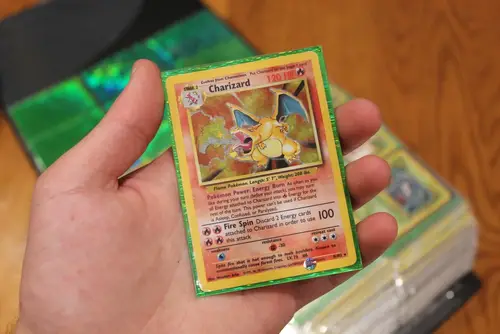
In the late 1990s, Pokémon cards were everywhere—until they weren’t. As kids grew up, many collections were stuffed into binders or lost altogether. First-edition Base Set cards, especially holographic Charizard, have sold for six figures in high grades. The surge in value reflects both nostalgia and the grading system that certifies condition.
The key detail is condition and print run. Cards stamped “1st Edition” from the 1999 Base Set are especially valuable. Professional grading companies like PSA assign numerical scores that dramatically affect price. A pristine card is rare because so many were traded, bent, or played with.
4. Beanie Babies (Select Rare Editions)
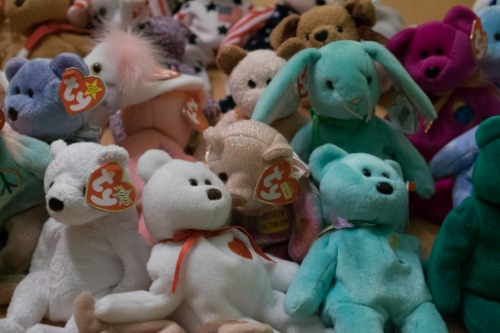
Most Beanie Babies are still worth very little, and that’s important to say up front. However, certain early editions like Peanut the Royal Blue Elephant or authenticated Princess Diana memorial bears have sold for significant amounts. The differences often come down to tag errors, production variations, or limited distribution. Collectors are extremely specific about which version matters.
When the 1990s bubble burst, people assumed they were all worthless. That mass disinterest meant many were donated or discarded. A small subset with documented rarity has retained or regained value. The lesson here is that hype fades, but scarcity can endure.
5. First-Edition Harry Potter Books
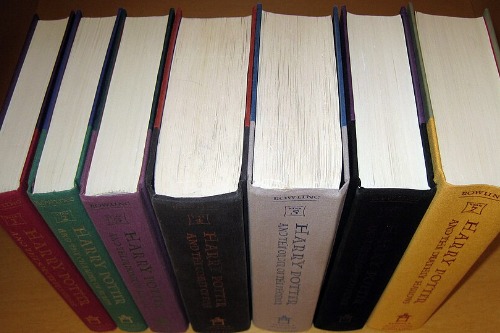
The early printings of “Harry Potter and the Philosopher’s Stone” from 1997 are now major collectibles. Only a small number of hardback first editions were printed in the initial UK run. Copies with specific print line details have sold for tens of thousands of pounds. It’s one of the clearest examples of modern literary collectibles.
For years, they were just children’s books sitting on shelves. Many were read heavily, which affects condition and price today. Dust jackets, intact spines, and correct number lines matter enormously. Once the series became a global phenomenon, early copies turned into prized artifacts.
6. Vintage Cast Iron Skillets
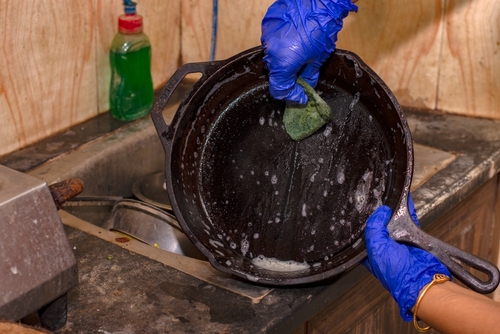
Old cast iron pans from brands like Griswold and Wagner were once kitchen staples that people practically gave away. In the mid-20th century, lighter aluminum and nonstick cookware pushed them aside. Today, collectors seek out specific logos and manufacturing eras. Some rare Griswold pieces sell for hundreds of dollars.
The appeal comes down to craftsmanship and performance. Older pans were often machined smoother than many modern versions. When people cleared out grandparents’ kitchens, many ended up in yard sales. Now buyers comb flea markets looking for those distinctive maker’s marks.
7. VHS Tapes (Select Titles)

Most VHS tapes have little value, but certain sealed or rare editions have sold for high prices. Early releases of Disney films in factory-sealed condition have drawn attention at auction. Horror titles from small distributors can also command strong prices. Condition and rarity are everything in this category.
When DVDs took over, people unloaded tapes by the boxful. That mass discard cycle reduced the number of pristine copies. Collectors now value nostalgia and original packaging. It’s less about the movie itself and more about the format’s cultural moment.
8. Mid-Century Modern Furniture
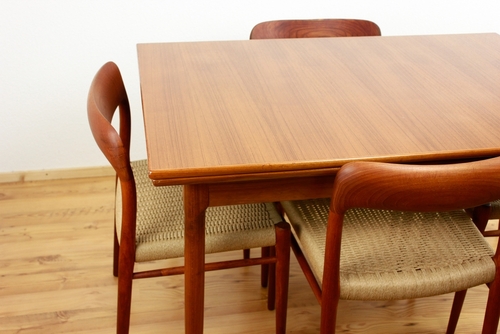
For a while, sleek 1950s and 1960s furniture looked outdated compared to bulkier 1980s styles. Pieces by designers like Charles and Ray Eames or brands like Herman Miller were sometimes resold cheaply. Today, authenticated originals can sell for thousands. Clean lines and quality materials have aged remarkably well.
As tastes shifted back toward minimalism, demand skyrocketed. Many original pieces were lost, damaged, or reupholstered incorrectly. Documentation and manufacturer labels now matter a great deal. What once seemed old-fashioned is now design gold.
9. Early LEGO Sets
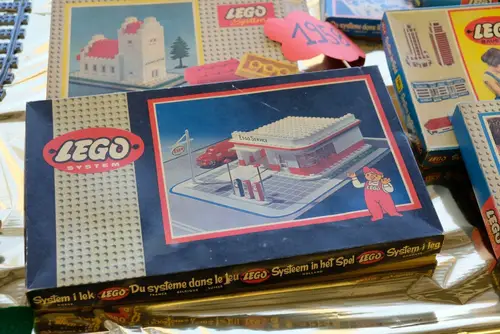
Loose LEGO bricks are common, but complete early sets from the 1970s and 1980s are far rarer. Sets that include original boxes and instruction manuals can command impressive prices. Limited production themes or discontinued molds add to the appeal. Condition and completeness are crucial.
As kids outgrew them, many sets were mixed into giant bins. Original packaging was usually thrown away. Adult collectors now try to rebuild their childhood collections. That emotional connection drives the resale market.
10. Vintage Tupperware
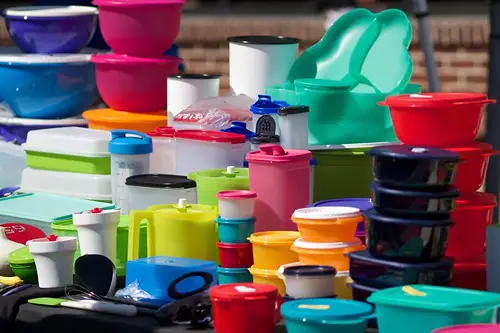
Tupperware was once the life of the party—literally, thanks to home sales gatherings. Over time, plastic storage lost its novelty and pieces were donated or discarded. Certain pastel-colored mid-century sets are now collectible. Complete sets in good condition can bring solid resale prices.
The value lies in design history and brand recognition. Early Tupperware pieces represent a shift in postwar domestic culture. As retro kitchen décor gained popularity, demand followed. Condition is key since plastic can stain or warp.
11. Antique Mason Jars
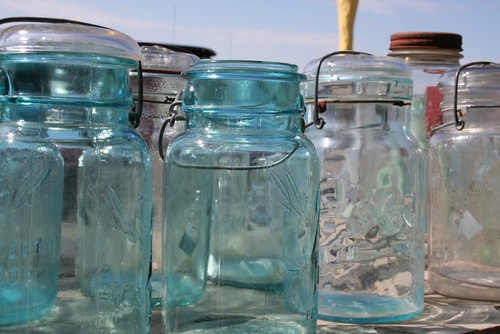
Old Mason jars were once everyday pantry items. Specific variations, such as certain Ball or Atlas jars with unusual embossing or colors, are collectible today. Rare colors like cobalt blue or amber can sell for significant sums. Age, condition, and manufacturer markings determine value.
When home canning declined in popularity, many jars were stored away or broken. Over time, surviving examples became scarcer. Collectors appreciate subtle differences in logo styles and glass color. What was once utilitarian glassware is now displayed on shelves.
12. Retro Video Game Consoles
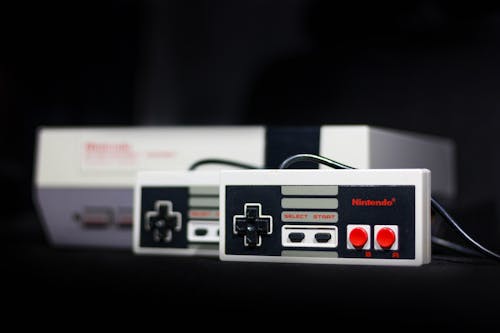
Early consoles like the Nintendo Entertainment System were once replaced and forgotten. As technology advanced, many were boxed up or sold cheaply at garage sales. Today, working systems with original packaging are valuable. Sealed games from that era can sell for especially high prices.
Nostalgia plays a huge role in the resurgence. Gamers who grew up in the 1980s and 1990s now have disposable income. Limited production runs and discontinued hardware increase scarcity. Authenticity and condition are everything in this market.
13. Vinyl Records
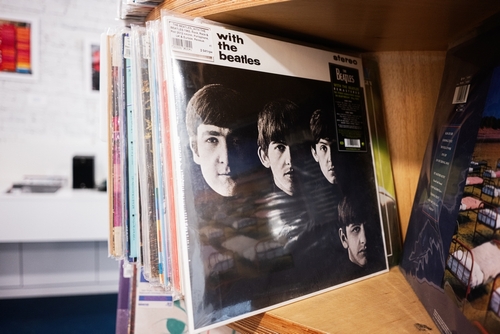
When CDs and digital downloads became dominant, vinyl collections were often dumped or donated. Original pressings of certain albums, especially in excellent condition, can now sell for substantial amounts. First pressings, rare labels, and misprints are particularly desirable. Genre also matters, with early punk and jazz records often commanding high prices.
The vinyl revival dramatically increased demand. Many early pressings were worn out from heavy play. Collectors look for minimal surface noise and intact sleeves. What once seemed obsolete is now cherished for its analog sound.
14. Vintage Costume Jewelry
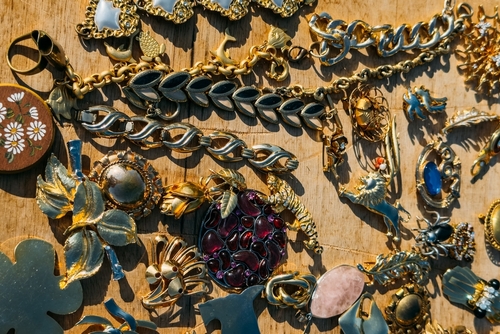
Costume jewelry from brands like Trifari or Coro was once seen as inexpensive fashion. As trends changed, many pieces were tossed into junk drawers. Signed vintage pieces in good condition now attract collectors. Certain mid-century designs sell for hundreds of dollars.
The craftsmanship and design history drive value. Some brands used high-quality plating and distinctive styles. Over time, unsigned or damaged pieces were discarded, reducing supply. Fashion cycles have brought these bold styles back into favor.
15. Old Advertising Signs
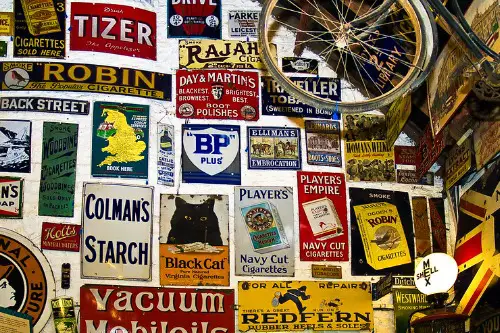
Metal and porcelain advertising signs were once everyday marketing tools. As brands updated logos and storefronts, old signage was discarded. Authentic mid-20th-century signs in good condition can sell for thousands. Gasoline and soda brands are especially popular among collectors.
Weathering, known as patina, can actually increase desirability. Many originals were scrapped for metal or damaged outdoors. Collectors verify authenticity carefully because reproductions exist. What used to hang unnoticed on a shop wall can now headline an auction.
This post 15 Household Objects That Became Valuable After Everyone Stopped Caring was first published on Greenhouse Black.
