
1. Pyrex Mixing Bowls in Plain Patterns
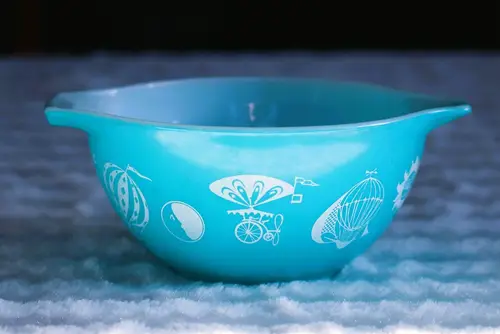
For years, the most sought-after pieces from Pyrex were the brightly colored, midcentury sets that showed up in retro kitchens and Instagram feeds. Meanwhile, the clear or minimally patterned mixing bowls from the 1940s through the 1970s sat quietly in cabinets, considered practical but not collectible. Because they weren’t trendy, many survived without chips, repainting, or heavy wear. That abundance of well-preserved originals has made certain early, logo-stamped versions surprisingly valuable today.
Collectors now look closely at details like the older all-caps “PYREX” stamp and thicker glass construction tied to mid-20th-century manufacturing. Some early clear nesting bowl sets, especially complete ones, sell for significantly more than their original retail price. Their value comes from durability, nostalgia, and the fact that so many colorful sets were overused or damaged during their popularity spike. Ironically, their very plainness helped them stay intact and desirable.
2. Cast Iron Skillets Without Designer Branding
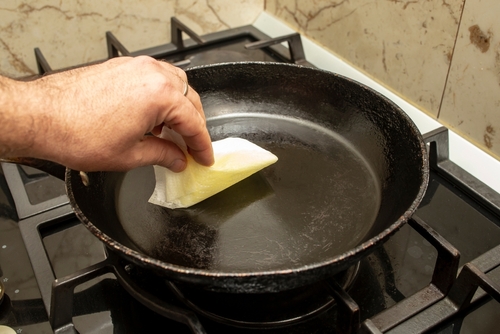
When vintage cookware became fashionable, everyone hunted for rare logos and ornate markings. But many everyday cast iron skillets—especially unbranded or minimally marked pieces from the early 1900s—were overlooked. Because they weren’t associated with flashy brand recognition, they often stayed in daily rotation instead of being stripped, sanded, or displayed. That steady use, paired with solid construction, preserved their seasoning and integrity.
Today, serious collectors and home cooks appreciate the quality of older American-made cast iron, even without a big-name stamp. Certain early pieces from companies like Griswold Manufacturing command high prices, but lesser-known pans of similar era and weight are gaining attention. The smooth cooking surface and lighter feel of pre-1960s cast iron are difficult to replicate. Their once-ordinary status kept them in circulation, which now makes well-preserved examples harder to find.
3. Midcentury Solid Wood Dressers
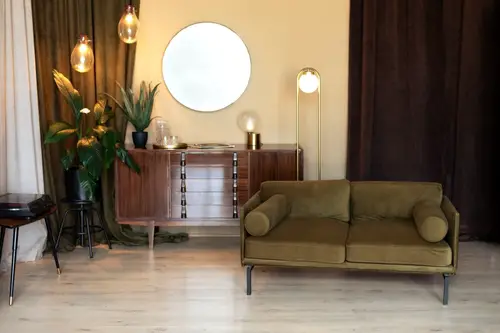
In the era of particleboard and flat-pack furniture, heavy solid wood dressers from the 1950s and 1960s were seen as dated and bulky. Many people passed them over during minimalist and ultra-modern design trends. Because they weren’t trendy for a few decades, plenty were stored in basements instead of being refinished beyond recognition. That accidental preservation has paid off.
Now, authentic midcentury pieces—especially those made from walnut or teak—are highly valued for craftsmanship and durability. Items produced by brands like Broyhill during their midcentury lines have seen steady appreciation. Clean lines and dovetail joints signal quality that’s expensive to reproduce today. Their former “old-fashioned” reputation helped many survive long enough to become sought-after again.
4. Vintage Tupperware in Neutral Colors
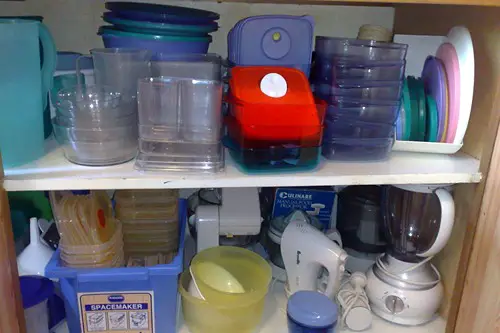
Bright orange and avocado green once defined retro cool, especially with midcentury kitchenware. But neutral-toned pieces from Tupperware—think beige, white, and soft pastels—were often considered boring. Because they didn’t scream “vintage,” they weren’t hoarded by early collectors. Many were simply used carefully and tucked away.
Complete sets with intact lids from the 1960s and 1970s are now surprisingly collectible. Condition matters enormously, and neutral sets often avoided sun fading compared to their brighter counterparts. The durability of older Tupperware, manufactured before later material changes, adds to its appeal. Their quiet existence helped them avoid the overexposure that sometimes damages trendier versions.
5. Plain CorningWare Casserole Dishes
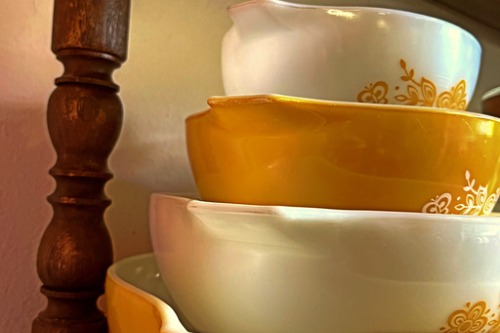
The blue cornflower pattern from CorningWare became iconic, but other understated patterns and plain white versions rarely made headlines. For decades, these dishes were seen as purely functional and hardly worth displaying. Because they weren’t the focus of collecting frenzies, many escaped chipping or decorative repainting. They simply did their job and lasted.
Certain discontinued patterns and early production runs from the 1950s and 1960s are now drawing collector interest. Pieces made from the original Pyroceram material are especially durable and increasingly hard to find in pristine condition. Complete casserole sets with lids can sell well above their original cost. Their lack of trendiness allowed them to age quietly into value.
6. First-Generation Kindle E-Readers
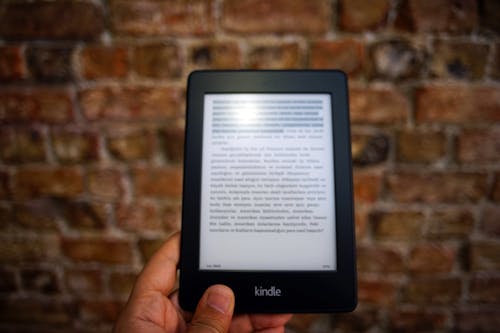
When sleeker tablets hit the market, the original Amazon Kindle looked clunky and outdated. Its keyboard and gray casing didn’t inspire the same design enthusiasm as later models. Because it was quickly overshadowed by thinner, touch-screen devices, many early units were discarded or heavily used. That makes well-preserved, functioning first editions relatively uncommon.
Collectors of tech history now see the 2007 Kindle as a milestone in digital reading. It marked a turning point in publishing and consumer electronics. Units with original packaging and accessories are especially desirable. The very fact that it was replaced so quickly contributes to its niche value today.
7. Early Digital Cameras from the 1990s

Most early consumer digital cameras were bulky and low-resolution by modern standards. As smartphone photography improved, these devices were considered obsolete almost overnight. Because they weren’t stylish or nostalgic at first, many were thrown away rather than saved. That rapid obsolescence reduced the number of surviving working models.
Now, certain pioneering models from brands like Sony and Canon are appreciated as tech milestones. Collectors value them for their role in transforming photography. Fully functional examples with original batteries and memory cards are increasingly rare. Their once-unfashionable status meant few people thought to preserve them.
8. Mechanical Alarm Clocks

Before smartphones replaced bedside clocks, simple wind-up alarm clocks were everywhere. When digital displays became popular, mechanical versions were dismissed as noisy relics. Because they weren’t trendy décor pieces, many were left in drawers rather than refurbished. That neglect preserved original mechanisms in some cases.
Brands like Westclox produced millions, but earlier mid-20th-century models in working condition are gaining collector interest. The craftsmanship of fully mechanical timekeeping appeals to analog enthusiasts. Clocks with original faces and minimal rust are especially desirable. Their fall from fashion kept surviving examples more authentic.
9. Encyclopedias in Complete Sets
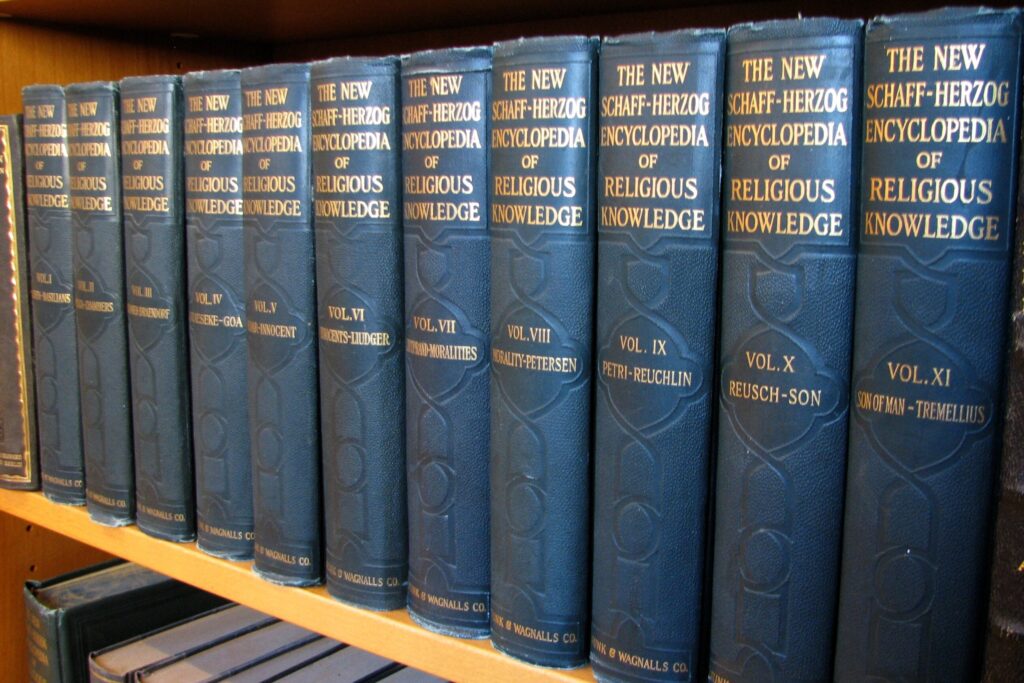
As the internet expanded, printed encyclopedias were quickly labeled outdated. Families donated or recycled full sets without hesitation. Because they were bulky and unfashionable, very few people stored them carefully. That mass disposal reduced the number of intact collections.
Complete vintage sets from publishers like Encyclopædia Britannica now have niche value among collectors and designers. Specific editions, particularly older 20th-century runs in good condition, can fetch meaningful sums. Decorative use in libraries and film sets has also boosted interest. Their obsolescence ironically made pristine sets rarer.
10. Vintage Sewing Machines with Basic Finishes
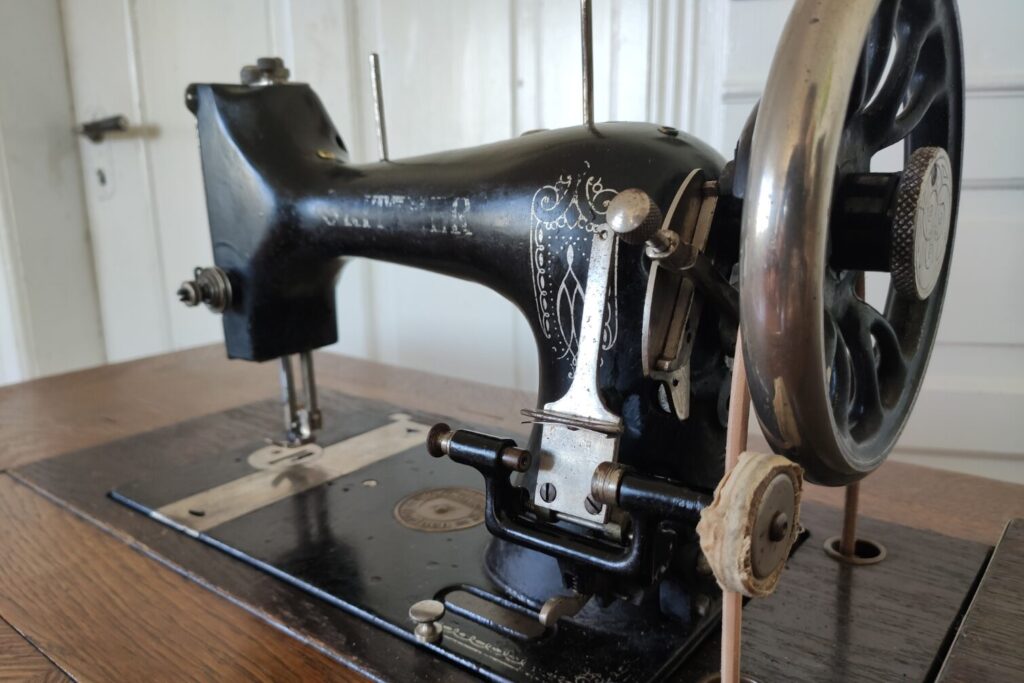
Highly ornate sewing machines often stole the spotlight in antique shops. Meanwhile, simpler midcentury models with straightforward finishes were considered strictly utilitarian. Because they lacked flashy decals, they were kept for actual sewing rather than display. That continuous but careful use preserved many in working condition.
Certain mid-20th-century machines from Singer Corporation are now appreciated for durability and all-metal construction. Models built before widespread plastic components are particularly sought after. Working foot pedals and original cases significantly increase value. Their no-frills look once made them easy to overlook.
11. Solid Brass Door Hardware
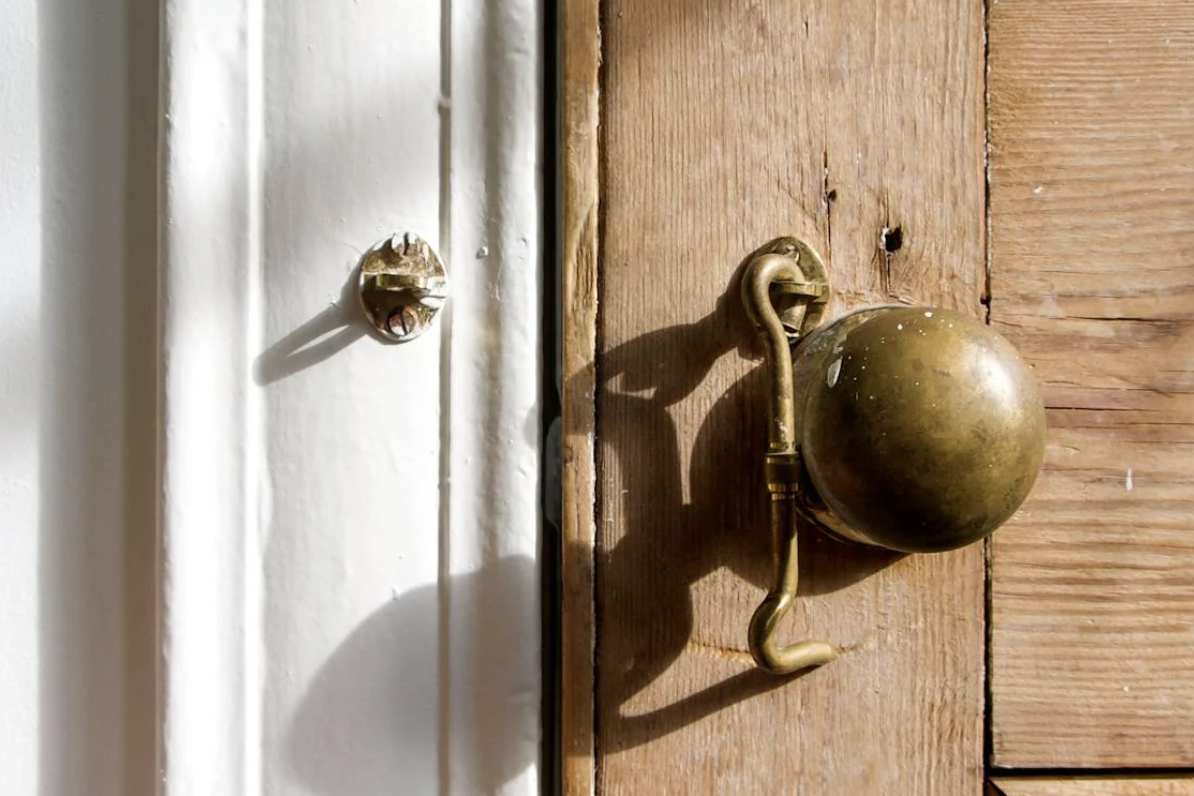
When brushed nickel and chrome dominated home design, solid brass fixtures felt dated. Many homeowners replaced them during renovations. Because they weren’t trendy for a stretch of years, original hardware was often stored rather than scrapped. That unintentional hoarding created a supply of authentic vintage pieces.
Today, solid brass doorknobs and hinges are valued for weight, patina, and craftsmanship. Salvage markets have seen prices climb for matching antique sets. Unlike modern hollow fixtures, older brass hardware has substantial heft. Their temporary fall from favor helped preserve genuine examples.
12. Vinyl Records That Weren’t Chart-Toppers

When vinyl fell out of mainstream favor in the 1990s, only blockbuster albums seemed worth saving. Lesser-known pressings were sold for pennies at garage sales. Because they weren’t trendy or commercially huge at the time, fewer were archived in pristine condition. That scarcity now matters.
Original pressings from niche genres or limited runs can command impressive resale prices. Records released by labels like Sub Pop during early runs are particularly collectible. Condition, sleeve integrity, and first-press identifiers drive value. Their initial lack of mainstream buzz helped create today’s rarity.
13. Early LEGO Sets Without Licensed Themes

Modern licensed sets tied to movies and franchises often dominate headlines. But earlier, simple brick assortments and town sets from LEGO weren’t viewed as collectible when new. Because they lacked tie-ins to major entertainment brands, many were mixed together in toy bins. Complete, untouched sets became increasingly rare.
Today, fully intact early sets from the 1960s through 1980s can sell for substantial sums. Original boxes and instruction booklets dramatically increase value. Collectors appreciate the foundational design era before heavy franchise influence. Their pre-hype simplicity is exactly what makes them valuable now.
This post 13 Household Objects That Became Valuable Because They Were Never Trendy was first published on Greenhouse Black.
