
1. Cast Iron Teapot
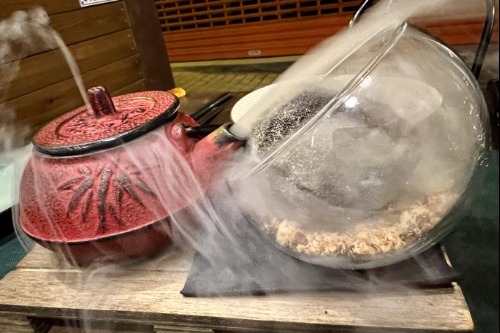
A cast iron teapot develops an internal patina when used and left undisturbed. This layer protects against rust and enhances heat retention. Aggressive cleaning removes that beneficial coating. Leaving it intact preserves brewing consistency.
Moisture evaporates safely when the pot air-dries. Constant wiping or scrubbing introduces abrasion. A calm drying routine supports the patina’s growth. Over time, the teapot becomes more resilient.
2. Wooden Cutting Board
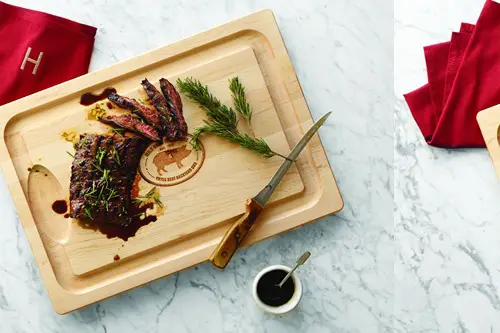
A wooden cutting board benefits from minimal interference because its fibers need time to stabilize after washing. Wood naturally expands and contracts with moisture, and excessive soaking or scrubbing stresses those fibers. Letting it dry undisturbed helps maintain its shape and prevents warping. Gentle care preserves the board’s surface integrity.
Over-handling or aggressive cleaning can strip away protective oils that keep the wood resilient. When you allow the board to rest after oiling, those oils soak in and strengthen the grain. This reduces cracking and bacterial intrusion into deep cuts. A calm maintenance routine keeps the board functional for years.
3. Leather Shoes
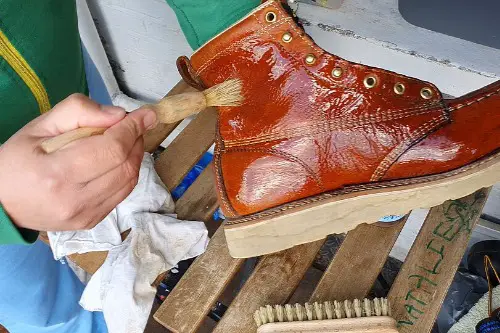
Leather shoes develop character and durability when they’re allowed to rest between wears. Leather fibers absorb moisture from your feet, and they need time to dry naturally. Constant use without breaks leads to cracking and premature breakdown. Giving them space preserves flexibility and structure.
Leaving shoes alone also allows conditioners and polishes to properly absorb. When leather rests, its natural oils redistribute and maintain suppleness. This reduces stress fractures along flex points. The result is footwear that ages gracefully instead of deteriorating quickly.
4. Wine Bottle
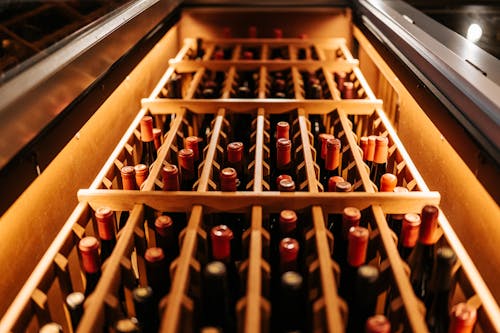
A sealed bottle of wine often improves when left undisturbed because chemical reactions continue slowly inside. Tannins soften and flavors integrate over time in properly stored bottles. Excess movement can disturb sediment that contributes to aging complexity. Stability supports controlled maturation.
Consistent storage conditions allow the wine to evolve predictably. Sudden temperature swings or agitation accelerate undesirable reactions. Letting the bottle rest horizontally maintains cork moisture and seal integrity. The patience you practice becomes part of the wine’s development.
5. Houseplant Soil
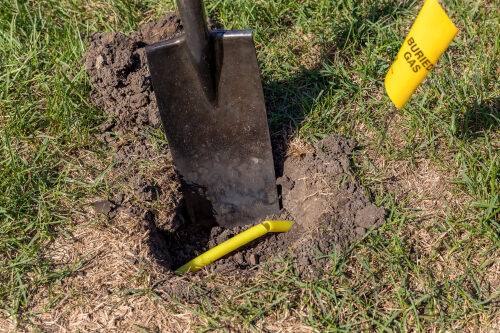
Houseplant soil thrives when it isn’t constantly poked, stirred, or overwatered. Soil ecosystems contain beneficial microbes that need stable conditions to function. Excess interference disrupts aeration patterns and root networks. Leaving soil alone supports healthy root growth.
Over-handling can compact soil, limiting oxygen flow to roots. When soil settles naturally, water distributes more evenly. Roots adapt to their environment without stress from constant disturbance. The plant benefits from a predictable underground structure.
6. Wooden Furniture
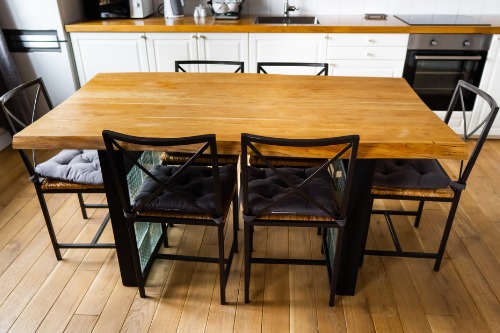
Wooden furniture responds best to gentle, infrequent intervention. Wood fibers shift with humidity, and constant polishing or wet cleaning stresses the surface. Letting finishes cure and breathe preserves protective coatings. Stability prevents microcracks in varnish layers.
Natural oils within the wood redistribute when left alone. This helps maintain luster without excessive product buildup. Over-cleaning can dull finishes and strip protective layers. Minimal interference keeps surfaces looking rich and intact.
7. Nonstick Pan
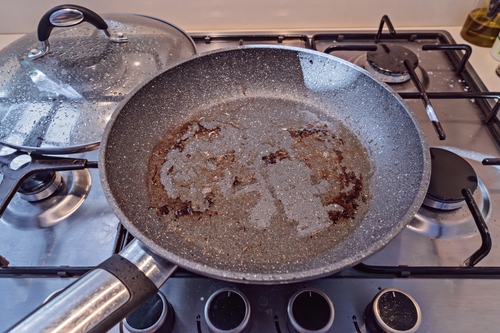
A nonstick pan maintains its coating when it isn’t aggressively scrubbed. The delicate surface relies on gentle treatment to stay intact. Constant abrasion shortens the coating’s lifespan. Leaving residue to soak instead of scrubbing preserves functionality.
Allowing the pan to cool before cleaning prevents thermal shock. Rapid temperature changes can weaken the coating bond. When treated calmly, the surface retains its slick performance longer. Patience protects the engineered finish.
8. Bread Dough
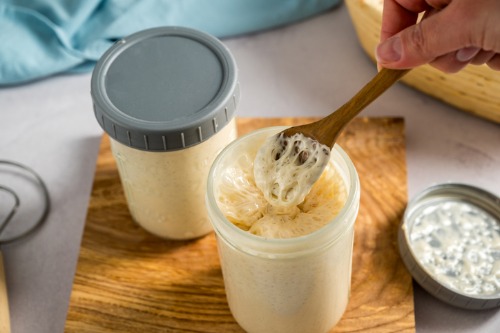
Bread dough improves when it’s left to rest because gluten structures relax over time. This resting phase allows trapped gases to expand evenly. Constant handling deflates those bubbles and disrupts texture. Stillness produces better crumb structure.
Fermentation also continues during rest, deepening flavor. Yeast activity benefits from stable conditions. Overworking dough tightens gluten excessively. Leaving it alone balances elasticity and tenderness.
9. Wooden Salad Bowl
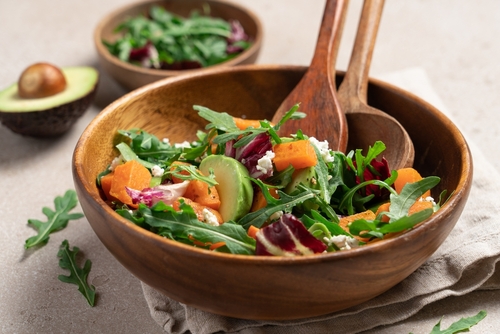
A wooden salad bowl depends on time and oil absorption for durability. Frequent washing strips protective oils from the grain. Allowing oil treatments to soak in strengthens the wood. Minimal disturbance maintains its finish.
Letting the bowl dry naturally prevents trapped moisture damage. Rapid drying methods can stress the fibers. When the bowl rests, its structure stabilizes. This extends both appearance and lifespan.
10. Cast Iron Skillet
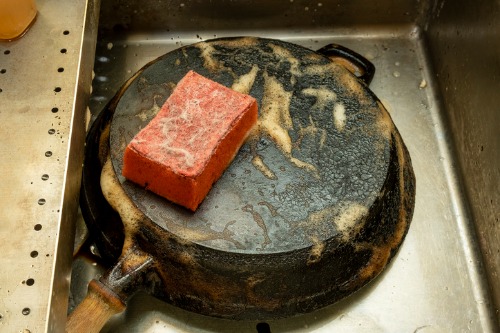
A cast iron skillet is one of those rare kitchen tools that actually improves the less you fuss with it. Every time you cook with oil or fat, you’re building up a polymerized seasoning layer that acts like natural nonstick. Over-cleaning or scrubbing it aggressively can strip that layer away. Leaving it mostly alone — aside from gentle cleaning — preserves and strengthens that surface.
That seasoning also protects the iron from rust, which is why restraint is part of proper care. Frequent harsh washing exposes raw metal and forces you to start the seasoning process over. By simply drying it well and giving it a light oil rub, you maintain its performance. In other words, patience literally makes your pan cook better.
11. Wood-Handled Tools
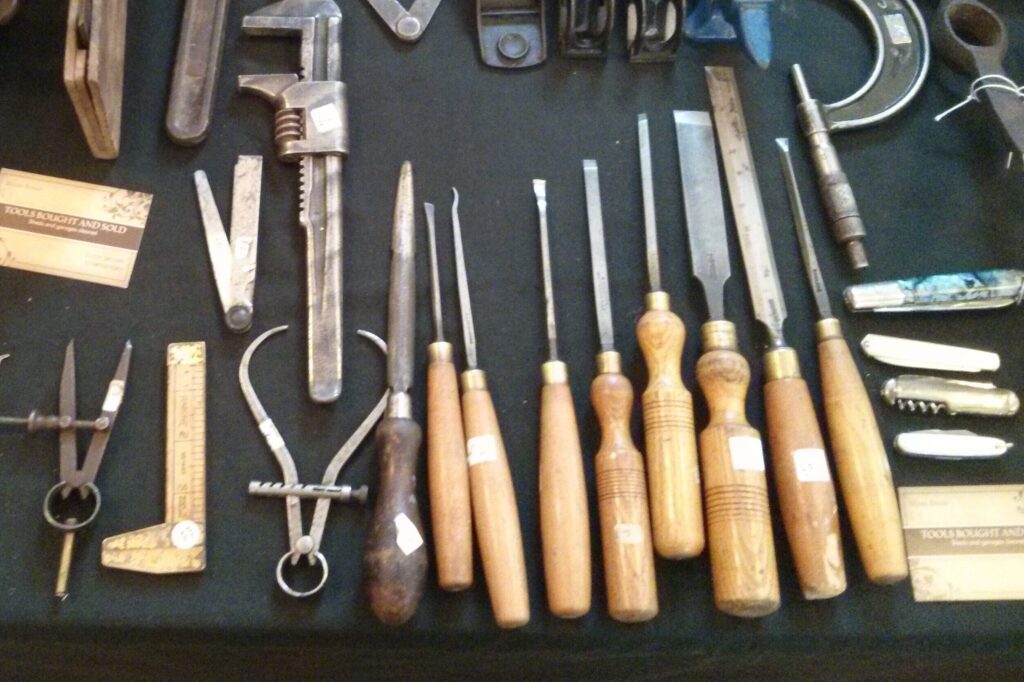
Tools with wooden handles benefit from periods of rest after use. Wood absorbs sweat and moisture that must evaporate naturally. Constant exposure without drying weakens the fibers. Leaving them alone prevents handle shrinkage and cracking.
Oil treatments also require time to penetrate deeply. Immediate reuse wipes away protective layers. When the handle rests, oils condition internal fibers. This preserves grip strength and durability.
12. Fermented Pickle Jar
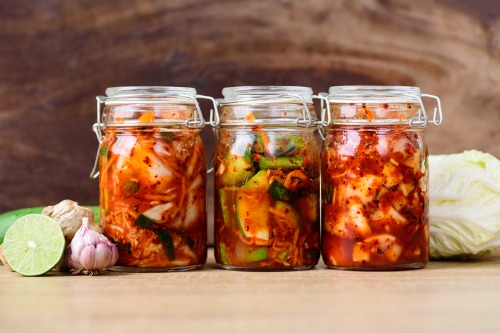
A fermenting pickle jar relies on stillness for microbial balance. Beneficial bacteria form colonies that stabilize flavor and preservation. Frequent opening introduces oxygen and contaminants. Leaving the jar alone protects fermentation chemistry.
Stable pressure and temperature encourage proper acid development. Agitation disrupts gas release patterns. When undisturbed, fermentation progresses predictably. The result is safer and tastier preservation.
13. Book Spines
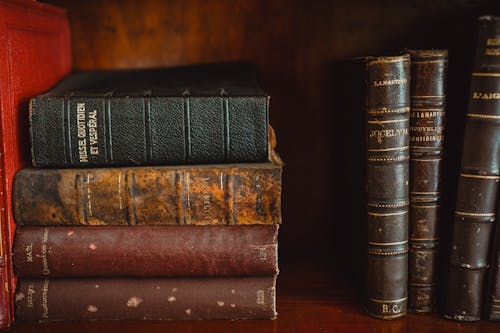
Book spines maintain their structure when they’re not forced flat repeatedly. Binding glue and stitching respond poorly to stress. Gentle handling preserves alignment. Leaving books partially closed protects the spine curve.
Paper fibers also react to environmental conditions over time. Minimal manipulation reduces internal stress. When books rest upright, their weight distributes evenly. This keeps pages secure and readable for decades.
This post Household Objects That Only Gain Value When Left Alone was first published on Greenhouse Black.
