
1. Gas Stoves
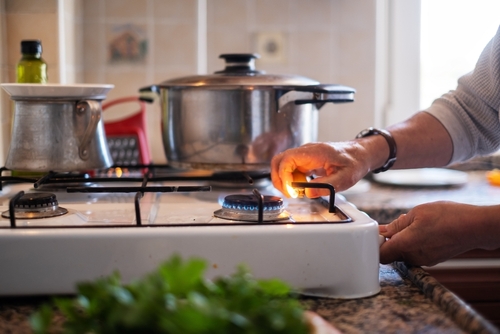
Gas stoves have been under scrutiny due to studies connecting indoor emissions with respiratory issues, especially in children. Regulators haven’t proposed a national ban, but several cities have tightened building codes in ways that limit future gas hookups. That trend could push manufacturers to rebrand models as “low-emission” or “hybrid.” It’s not hard to imagine marketing shifting quickly in 2026 to calm buyers who are worried about the headlines.
At the same time, appliance companies are already investing heavily in induction tech. That investment signals a possible pivot away from traditional gas-only models. If public health concerns keep climbing, brands may frame older models as “legacy appliances.” It’s less about an outright ban and more about a quiet repositioning of the category.
2. Chemical Drain Cleaners
Highly caustic drain cleaners have long been criticized by plumbers for damaging pipes. Environmental groups have also pushed for limits due to groundwater concerns. These pressures could drive a rebrand toward “enzyme-based” or “eco-safe” formulas. Some states have already debated tighter restrictions, which could inspire national-level changes.
Manufacturers often preempt regulation by refreshing product lines. So a 2026 shift toward gentler formulas isn’t far-fetched. Even now, many companies are testing “natural” variants to capture eco-conscious shoppers. That momentum could sideline some harsher classics altogether.
3. Bleach-Based Disinfectant Sprays
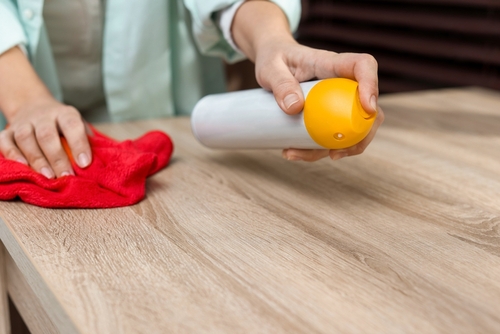
Bleach itself isn’t going anywhere, but consumer discomfort with harsh fumes has been steadily rising. Companies have responded by marketing hydrogen-peroxide and plant-based cleaners. With more counties adopting indoor air quality standards, stronger bleach sprays may face new labeling rules. That can lead to a rebrand emphasizing “safer scent” or “reduced volatility.”
Large retailers have also started promoting “low-irritation” cleaners on endcaps. When retailers nudge, manufacturers often follow. By 2026, some bleach-forward products might be reformulated to avoid warnings that scare shoppers. If not reformulated, they may get toned-down packaging to seem less industrial.
4. Aerosol Air Fresheners

Aerosols have long been criticized over propellants and potential asthma triggers. Studies highlighting the effects of volatile organic compounds have kept these products in the regulatory spotlight. If VOC-reduction rules tighten, brands may rush to “non-aerosol” or “compressed-air” rebrands. Even small rule changes can push entire categories into makeover mode.
Companies already experiment with gel and oil diffusers, which are easier to market as healthier options. If those categories keep gaining ground, aerosol lines may shrink. Some cities have floated local VOC limits in the past, and renewed interest could resurface. A 2026 pivot feels plausible as retailers try to stay ahead of backlash.
5. Antibacterial Soaps
After the FDA banned certain antimicrobial agents a few years back, brands had to pivot. Many replaced banned ingredients with alternatives that haven’t faced the same level of scrutiny yet. If new research questions these substitutes, companies may rebrand soaps as “microbiome-friendly.” That angle is already trending in skincare marketing.
Consumers now question whether antibacterial soaps are even necessary. If perception shifts more, companies may quietly retire terms like “antibacterial.” Retailers sometimes demote products deemed medically unnecessary. Such moves often lead to a full redesign to rebuild trust.
6. Single-Use Plastic Storage Bags
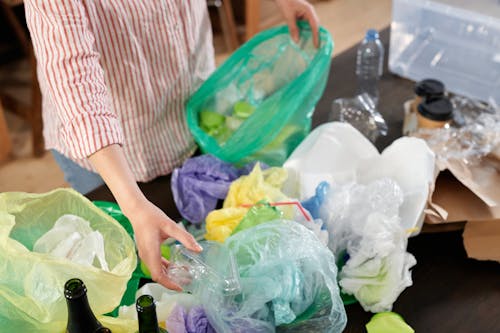
Plastic bag restrictions keep expanding at local levels. Though kitchen storage bags aren’t currently targeted the same way, similar concerns apply. Environmental groups continue pushing for reductions in single-use plastics, making these bags a potential target for rebranding as “reusable alternatives.” It’s easy to imagine 2026 packaging promising compostable or refillable systems.
Some brands already sell silicone or plant-based versions. Rising consumer awareness could make the old crinkly standbys look outdated. If major chains promote “sustainable swaps,” the classic disposable bag may shrink in shelf presence. That would naturally push companies toward greener messaging.
7. Certain Lawn Chemicals

Herbicides and pesticides with controversial active ingredients face recurring legal and regulatory battles. Even without a ban, lawsuits often push companies to soften marketing or tweak formulas. By 2026, you might see rebrands emphasizing “pollinator-safe” or “reduced-risk.” It’s a strategy companies use when public trust dips.
Local governments have tested restrictions on residential chemicals, which can ripple into national sentiment. If homeowners keep seeking pet- and child-safe alternatives, old formulations could fall out of favor. Brands may pivot packaging to look gentler and more nature-focused. That shift can be just as effective as reformulation.
8. Fragranced Laundry Detergents
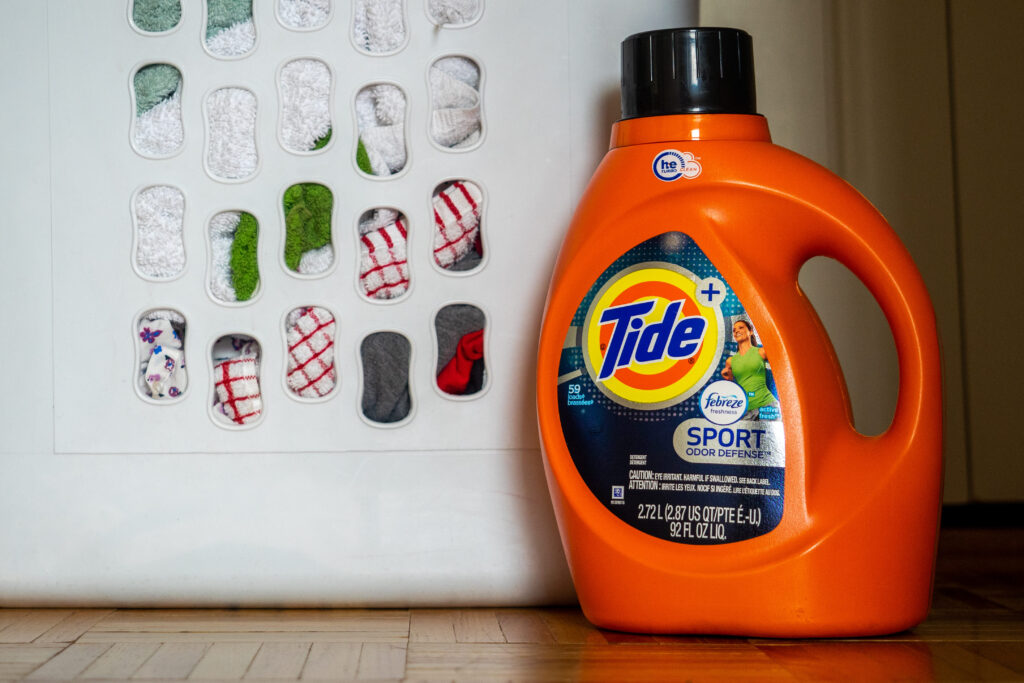
Strongly fragranced detergents have been criticized for irritating sensitive skin. Dermatologists often recommend fragrance-free formulas, and that advice has gained traction. If enough consumers adopt that preference, companies may rebrand scented detergents as “aroma-light” or “hypoallergenic scent.” It’s a small tweak that makes a big difference on the shelf.
Major brands already expand fragrance-free lines to meet demand. If regulations tighten around allergen disclosures, scented versions might face burdensome labeling. That pressure often leads to packaging refreshes emphasizing “gentle scent technology.” The shift may not ban anything outright, but it can reshape the market.
9. Gas-Powered Leaf Blowers
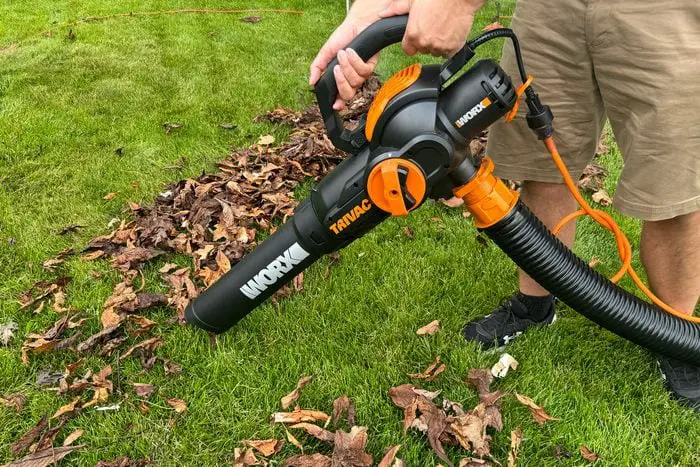
Noise complaints and air-quality concerns have led many municipalities to limit gas leaf blowers. That trend has boosted battery-powered alternatives. Manufacturers might rebrand gas models as “professional-use” only to avoid consumer backlash. Repositioning them helps companies maintain sales without clashing with regulation.
Battery tech keeps improving, making gas blowers feel antiquated. If states ramp up emissions rules, gas models could be pushed to the margins. Companies may also downplay gas products in marketing materials. A 2026 rebrand would fit nicely with this clean-energy momentum.
10. Disposable Wet Wipes
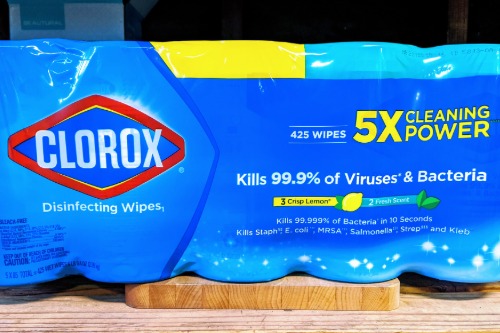
Many wipes marketed as “flushable” don’t break down well and have contributed to sewer blockages. Utilities have pushed for clearer labeling, and some governments have proposed strict definitions for flushability. By 2026, brands might be forced to rebrand these wipes with more explicit disposal warnings. That would change both packaging and marketing tone.
Some companies already promote plant-based and biodegradable wipes. If performance improves, those could overshadow older formulas. Retailers often favor items with fewer customer complaints, giving eco-versions an advantage. That pressure can quietly phase out problematic wipe types.
11. Spray-On Fabric Protectors
Products using certain stain-repellent chemicals have come under scrutiny due to concerns about PFAS compounds. Several brands have already announced phase-outs of these substances. If oversight tightens, companies may rebrand protectors as “PFAS-free” or retire older SKUs entirely. It’s a common pattern when chemical classes fall out of favor.
Consumers increasingly demand transparency around “forever chemicals.” Companies respond by emphasizing new formulations with friendlier ingredient lists. As PFAS regulations strengthen, older aerosol protectors could look outdated. That sets the stage for a major 2026 category refresh.
12. Traditional Nonstick Cookware

Nonstick pans using older PFAS-related coatings have already shifted toward newer alternatives. Manufacturers now market “ceramic” and “PFAS-free” lines prominently. If future testing raises concerns about remaining chemicals, brands may go further by rebranding or discontinuing older coatings. Cookware marketing pivots quickly when safety headlines hit.
Consumers have become more educated about coating durability and safety. That awareness can accelerate changes in what’s considered acceptable. Retailers may spotlight “safe-surface” pans, edging out legacy models. A 2026 shake-up would simply continue a trend already well underway.
This post 12 Household Products Predicted To Be Rebranded or Banned in 2026 was first published on Greenhouse Black.
