
1. A consistent wake-up window
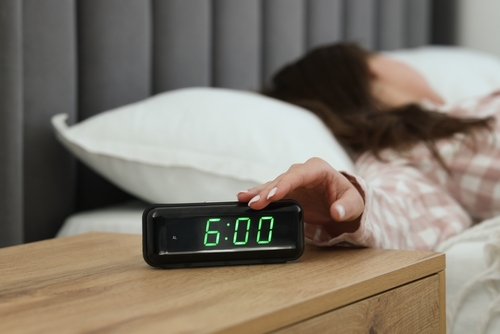
Waking up within the same 30-minute window each day trains your circadian rhythm, which is tightly linked to cortisol timing and perceived stress. When your body expects to wake, it releases alertness hormones more smoothly instead of jolting you awake. That smoother transition reduces the groggy, rushed feeling that can spike morning anxiety. Over time, mornings start to feel predictable rather than chaotic.
The rhythm matters more than the exact time, so even weekends benefit from a loose boundary. Your brain learns that mornings are safe and repeatable, which lowers anticipatory stress. Many people notice they stop needing multiple alarms once the rhythm sticks. That alone removes a daily micro-stressor before the day even begins.
2. A short morning reset routine

A 5–10 minute morning reset — opening curtains, making the bed, and drinking water — creates an early sense of completion. Small wins activate reward pathways that signal progress and control. That psychological momentum reduces the feeling of being overwhelmed before work begins. You’re telling your nervous system, “I’ve already handled something.”
Because it’s brief, the routine doesn’t feel like another obligation. Instead, it becomes an anchor that stabilizes your mental state. The repetition builds familiarity, which the brain interprets as safety. That sense of safety is a powerful buffer against stress escalation.
3. Scheduled meal timing

Eating meals at roughly consistent times regulates blood sugar, which strongly influences mood and irritability. Blood sugar dips can mimic anxiety symptoms like shakiness or restlessness. A predictable eating rhythm prevents those physiological stress signals. Your body spends less energy guessing when fuel is coming.
Regular meals also create natural pauses in the day. Those pauses function as built-in recovery moments. Sitting down to eat slows breathing and posture, even if only briefly. That physical slowdown nudges your nervous system toward a calmer state.
4. A midday sunlight break

Stepping outside for 5–15 minutes of daylight helps regulate circadian signaling and serotonin activity. Natural light exposure is linked to improved mood stability. Even cloudy daylight is far brighter than indoor lighting. That brightness gives your brain a clear time-of-day cue.
The act of stepping away also interrupts cognitive overload. A short outdoor break reduces mental fatigue accumulation. You return with sharper focus and less irritability. It’s a simple environmental reset that lowers stress reactivity.
5. A daily tidy sweep

A 10-minute evening tidy keeps clutter from silently increasing cognitive load. Visual mess competes for attention, even when you think you’re ignoring it. Reducing that background stimulation lowers mental friction. The space feels calmer, and your brain mirrors that calm.
Because the sweep is timed, it never becomes a marathon chore. The predictability removes decision fatigue about when to clean. You build trust with yourself that mess won’t spiral. That sense of control directly reduces stress perception.
6. A wind-down lighting ritual

Dimming lights about an hour before bed signals melatonin release. Bright light late at night tells your brain it’s still daytime. Softer lighting prepares your nervous system for rest. This transition lowers physiological arousal.
Repeating the same lighting cue conditions your brain to associate it with sleep. The ritual becomes a mental off-switch. Falling asleep feels less like a struggle and more like a glide. Better sleep then feeds back into lower daytime stress.
7. A consistent dishwashing cue

Washing dishes right after dinner creates closure for the eating period. Completion rituals reduce lingering mental tabs that increase background stress. The act is rhythmic and repetitive, which can be mildly meditative. Warm water and predictable motion calm the body.
Finishing the task immediately prevents clutter buildup. You wake to a reset kitchen, which reduces morning friction. That small environmental win lowers anticipatory stress. It’s a practical way to keep stress from compounding.
8. A movement micro-ritual

Doing a brief stretch or mobility flow at the same time daily releases muscle tension. Physical tension feeds back into emotional stress through the nervous system. Gentle movement signals safety and relaxation. Even two minutes can interrupt stress loops.
Consistency matters more than intensity. Your brain learns to expect a physical reset. That expectation reduces the buildup of bodily stress cues. You begin to notice tension earlier and release it faster.
9. A paper brain dump

Writing down lingering thoughts before bed reduces cognitive rumination. The brain relaxes when tasks are externalized. You’re signaling that nothing needs to be held overnight. That decreases pre-sleep anxiety.
The ritual builds psychological containment. Worries become objects on paper rather than swirling abstractions. This separation improves sleep onset. Better sleep directly correlates with improved stress resilience.
10. A tea or hydration pause

Preparing a warm drink at a set time creates a sensory anchor. Warm liquids activate parasympathetic responses associated with calm. The ritual encourages slower breathing and posture. You’re layering physiological cues for relaxation.
Because it’s predictable, the pause becomes a mental checkpoint. You momentarily step out of productivity mode. That intentional slowdown prevents stress accumulation. It’s a gentle daily reset disguised as a beverage.
11. A closing-the-day review

Spending a few minutes noting what you completed reframes the day positively. The brain has a negativity bias that overweights unfinished tasks. A review counters that bias with evidence of progress. This reduces the feeling of perpetual incompletion.
The ritual creates psychological closure. You stop mentally rehearsing work once it’s acknowledged. That boundary lowers evening stress spillover. The next day begins without leftover mental clutter.
12. A consistent bedtime boundary

Going to bed within a regular window stabilizes sleep architecture. Predictable sleep timing improves emotional regulation. A well-rested brain reacts less intensely to stressors. That resilience compounds over time.
The boundary also signals that the day has ended. You’re giving your nervous system permission to disengage. Repetition builds a strong sleep cue. Falling asleep becomes easier and less stressful.
This post Household Rhythms That Reduced Stress Without Apps was first published on Greenhouse Black.
