
1. Keeping a “Nightly Wind-Down” Routine
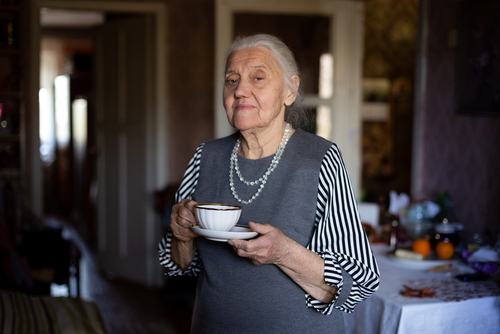
Older generations ended the day with simple rituals like tidying the living room or brewing tea. These routines prepared the house and mind for rest. They created a clear boundary between work and relaxation. And they reduced morning stress.
Modern self-care trends echo this with structured nighttime habits. People dim lights, stretch, or read quietly before bed. Sleep experts recommend these steps because they regulate the body’s rhythms. And many appreciate how a slow wind-down makes the next day smoother.
2. Hanging Laundry on the Line
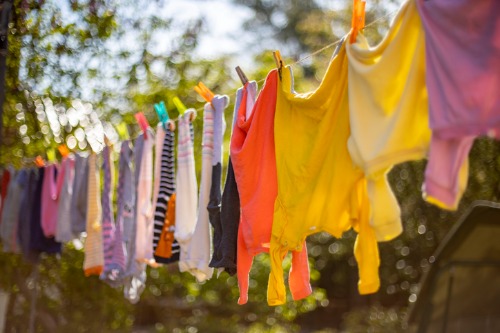
Many grandparents dried their clothes outdoors because it saved money and used the sun as a natural disinfectant. Today, people rediscover line-drying to reduce energy use and keep fabrics lasting longer. It also adds that crisp, fresh-air smell you simply can’t bottle. Plus, the slower pace feels like a tiny rebellion against endless machine cycles.
Modern households are embracing drying racks and balcony lines for similar reasons. Apartment dwellers use them to save space and cut down on electricity bills. Sustainability-minded families appreciate the smaller carbon footprint. And plenty of people enjoy the simple calm of pinning clothes one piece at a time.
3. Canning and Preserving Food
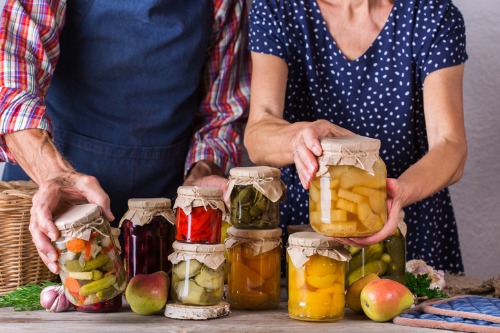
Grandparents canned fruits and vegetables because seasonal abundance meant stocking up while food was cheap. The process helped families get through winter months with homemade staples. They also liked knowing exactly what went into their jars. And it was a satisfying way to prevent waste.
Today, canning is back as people look for more control over their food. Urban gardeners preserve small harvests to enjoy year-round. Home cooks love experimenting with pickles, jams, and sauces. And many find the ritual grounding in a fast-paced world.
4. Keeping a “Use-It-Up” Kitchen
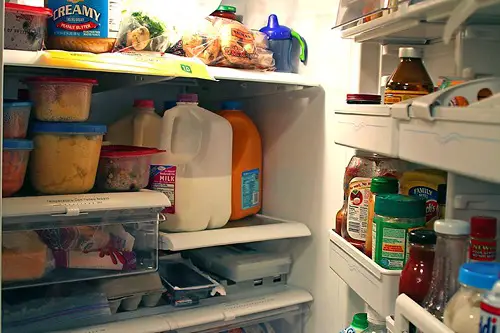
Older generations prioritized using every scrap of food, from broth bones to stale bread. This habit came from limited budgets and a dislike of waste. They also saved jars, tins, and bags because everything had potential value. And it all made the household run more efficiently.
Now, modern households follow similar habits under the trending label of “zero waste.” Meal planners strategize around leftovers to stretch budgets. People freeze veggie scraps for homemade stock and repurpose containers creatively. And the practice helps families feel more mindful and responsible.
5. Handwriting Notes and Lists
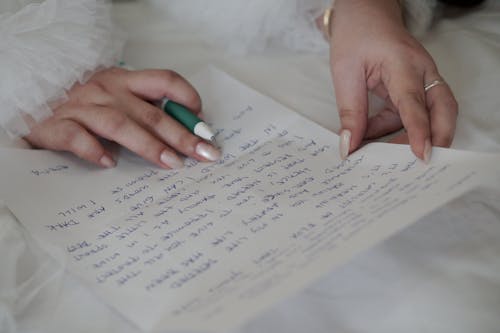
Grandparents relied heavily on handwritten reminders, from grocery lists to thank-you cards. Writing things down helped them remember tasks before smartphones existed. It also made communication feel more personal. And many kept small notebooks tucked in pockets or drawers.
Modern adults are turning back to handwriting for clarity and focus. Bullet journals, planners, and analog to-do lists have become popular productivity tools. Psychologists note that writing improves memory and reduces overwhelm. And people love the tangible feeling of crossing something off.
6. Keeping a “Company Towel” or “Guest Set”
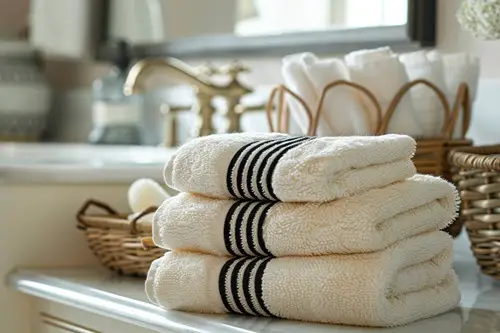
Older households often had special towels or dishware reserved for visitors. These items stayed spotless and were only used on special occasions. They created a sense of hospitality and pride in the home. And they made guests feel valued.
Today, this habit reappears as curated guest bathrooms and “hosting kits.” People keep nicer hand towels, candles, and soaps specifically for visitors. Short-term rental culture has also popularized designated guest sets. And it gives households a simple way to elevate everyday spaces.
7. Making Repairs Before Replacing
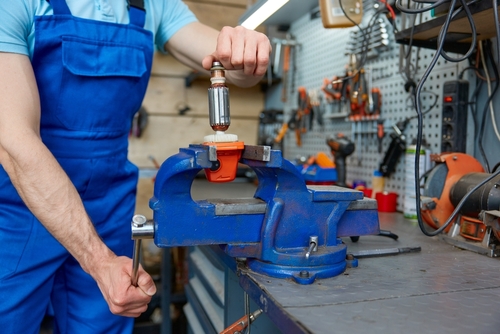
Grandparents fixed torn seams, wobbly legs, and chipped plates because replacements were expensive. They kept basic tools and sewing kits close at hand. Repairing something felt like a challenge they were proud to meet. And it extended the life of their belongings.
Now, mending and DIY repairs are returning through online tutorials and maker culture. People learn to patch clothes, re-glue chairs, and sharpen tools. It’s financially smart and reduces landfill waste. And the sense of accomplishment hasn’t changed one bit.
8. Keeping a Seasonal Cleaning Routine
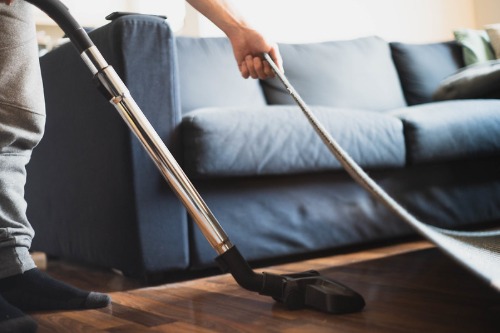
Older households followed a predictable cycle of spring cleaning, fall prep, and weekly upkeep. These rituals ensured that everything ran smoothly and nothing was overlooked. They also kept homes healthier by addressing dust and pests on a schedule. And entire families often pitched in.
Today, structured cleaning routines are back in the form of chore charts and digital reminders. Homeowners tackle tasks in monthly or seasonal batches to stay organized. Influencers share deep-clean checklists that mimic older habits. And people find comfort in knowing exactly what to do and when to do it.
9. Cooking Big Sunday Meals
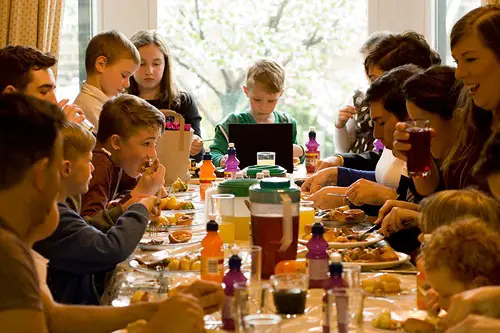
Grandparents regularly prepared large Sunday dinners to gather the family. It marked the transition from one week to the next with something comforting. These meals often used inexpensive ingredients stretched creatively. And they built traditions that kids remembered for decades.
Now, Sunday meal prep serves a similar purpose. Families cook big batches to make weekday eating easier. Many use the time to reconnect without screens or rush. And the practice turns cooking into an anchor for the week.
10. Keeping a “House Shoe” Habit
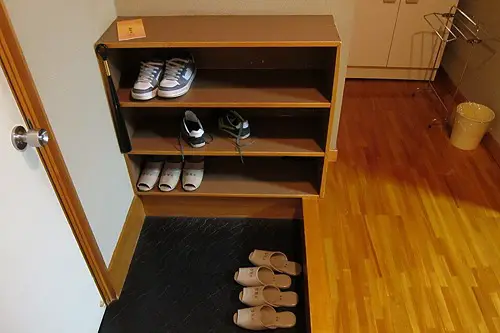
Grandparents often had indoor-only shoes or slippers to keep floors clean. It protected carpets and reduced wear on the home. The ritual also signaled a shift from outside bustle to inside calm. And it was a small gesture of comfort after a long day.
Today, many households adopt no-shoe policies for hygiene and health. People keep designated slippers or soft house shoes by the door. Studies highlight reduced allergens and cleaner floors. And guests now expect a gentle reminder to swap footwear upon entry.
11. Growing Herbs on the Windowsill
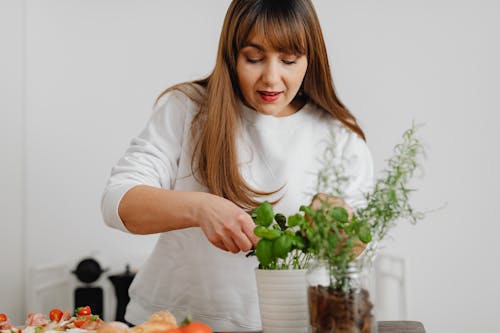
Even without large gardens, grandparents often kept herbs in jars or small pots. It made cooking tastier and saved money on store-bought seasonings. These plants also brought a pleasant scent into the kitchen. And tending them became a tiny daily ritual.
Modern home cooks are reinventing the habit with countertop gardens and hydroponic kits. Fresh herbs help reduce waste since you snip only what you need. They also make meals feel more intentional and flavorful. And caring for green things is a proven mood booster.
12. Sharing Tools With Neighbors
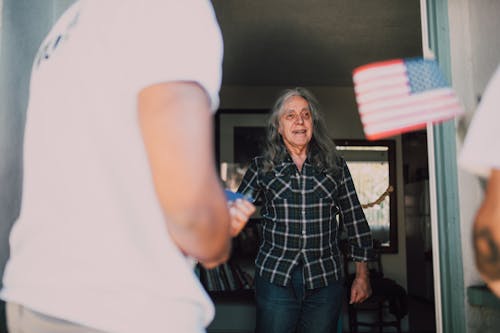
Grandparents borrowed and lent tools because it was practical and built community. Not every household needed its own ladder, saw, or canning pot. The practice saved money and fostered trust. And it made neighbors feel interconnected.
Today, tool libraries and neighborhood groups serve the same purpose. People join online forums to share equipment for occasional tasks. It keeps storage needs small and costs low. And it brings back a sense of local cooperation.
13. Daily Morning Walks

Grandparents often walked each morning as their main form of exercise. The routine kept them limber and energized for the day. It was also a way to check in with neighbors and observe their surroundings. And the predictability gave them a comforting rhythm.
Today, morning walks have become a wellness staple again. People use them to get natural light and regulate their sleep cycles. Many combine them with podcasts or phone-free reflection. And busy professionals appreciate an easy, no-equipment habit they can maintain.
14. Rotating “Everyday” and “Best” Linens
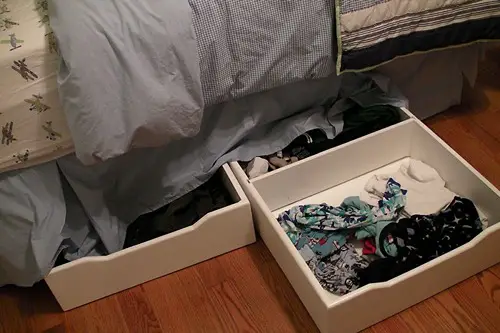
Grandparents often kept separate sets of linens for daily use and for more special moments. This helped preserve the nicer items for years, even decades. It also made hosting feel more intentional when the “best” linens came out. And it created a sense of care around ordinary routines.
Today, people are rediscovering this idea through capsule home collections and intentional household design. Many rotate sheet sets, tablecloths, and napkins to extend their lifespan. Hosting culture has also revived the charm of having something “a little nicer” for company. And the ritual adds a small sense of ceremony to everyday living.
15. Setting Out Things the Night Before
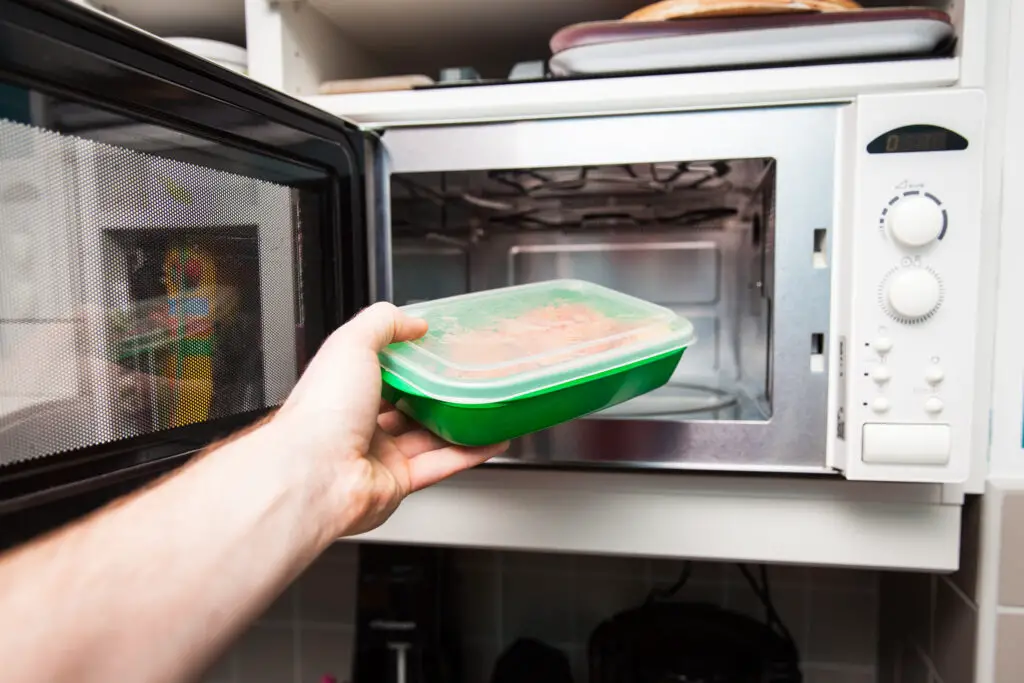
Older generations often prepped for the next day by laying out clothes or packing lunches in advance. This habit reduced chaos in the morning and made early routines smoother. It also gave families a moment of calm before sleep. And it made mornings feel purposeful rather than rushed.
Today, productivity experts promote “evening resets” that mirror the same mindset. People set out gym bags, prepare breakfast ingredients, or choose outfits ahead of time. These steps help reduce decision fatigue and increase consistency. And many appreciate how this old-fashioned tactic makes modern mornings easier.
16. Saving “Rainy Day” Money at Home
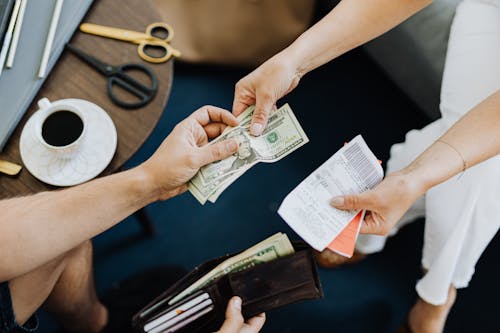
Grandparents often kept small envelopes or tins with emergency cash. It gave them a sense of security long before digital banking existed. These funds were rarely touched unless absolutely necessary. And they reinforced the idea of planning ahead for unpredictable moments.
Now, people recreate this through cash-stuffing, sinking funds, and envelope budgeting. The tactile nature of cash helps some stay more mindful of spending. It also gives a feeling of independence from apps and automatic withdrawals. And the method reflects a practical wisdom that’s resurfacing in personal finance circles.
17. Having a Standing Weekly Shopping Day

Many older households had one designated day for groceries, errands, and household needs. This kept spending predictable and reduced unnecessary trips. It also created a stabilizing rhythm that families relied on. And it made planning meals and budgets significantly easier.
Modern families are reviving this by scheduling weekly restock trips or pickup appointments. It cuts down impulse buys and reduces the cognitive load of daily decisions. People also find it easier to stick to meal plans when shopping is structured. And the routine helps simplify an otherwise hectic week.
18. Keeping a Dedicated “Fix-It Drawer”
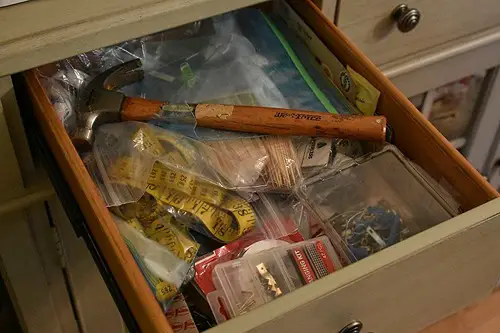
Grandparents often maintained a drawer filled with small essentials like tape, spare screws, and string. It acted as a mini command center for household hiccups. Anyone could reach in and quickly solve a small problem. And it kept useful odds and ends from disappearing.
Today, organizational trends encourage similar “utility hubs” in modern homes. People assemble drawers or bins for batteries, tools, and quick-repair supplies. It reduces the frustration of searching through clutter when something breaks. And it brings a touch of old-school practicality into streamlined living spaces.
19. Brewing a Pot for Visitors—No Matter the Hour
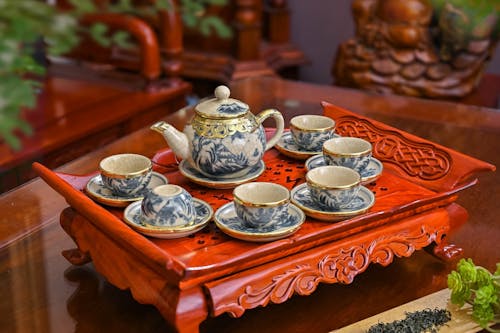
Older generations often put on coffee or tea the moment someone arrived, whether planned or unexpected. It signaled warmth, hospitality, and time set aside for conversation. The ritual made people feel instantly welcome. And it created a pause from whatever else was happening.
Today, the practice reappears as “social brewing,” where households keep favorite blends on hand for guests. People use French presses, pour-overs, or electric kettles to re-create that welcoming moment. The ritual encourages slowing down and focusing on connection. And it revives the timeless idea that shared drinks bring people together.
20. Keeping a “Sunday Reset” for the Home
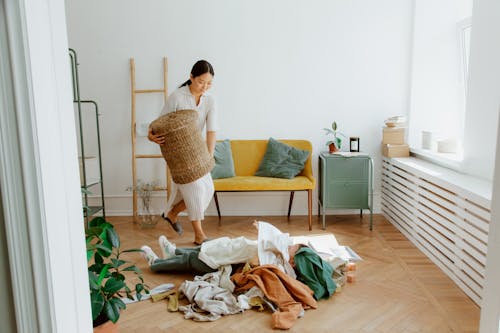
Grandparents often used Sundays to tidy, rest, and prepare for the coming week. These resets included small tasks like airing blankets, sorting mail, or refreshing the pantry. The routine reinforced the idea that a calm week begins with a prepared home. And it provided a collective sense of closure to the weekend.
Today, the “Sunday reset” trend has taken over social media with updated versions of the same ritual. People do laundry, clean surfaces, and set intentions for the week ahead. Many find the practice grounding amid fast-paced schedules. And it proves that even in modern life, a little weekly reset goes a long way.
This post 20 Household Rituals Grandparents Practiced That Modern Life Is Accidentally Reinventing was first published on Greenhouse Black.
