
1. Ironing Every Week
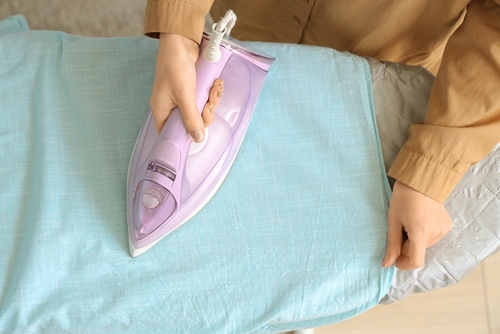
Millennials largely stopped ironing because wrinkle-free fabrics and casual dress codes made the task feel unnecessary. Many workplaces shifted toward more relaxed attire, reducing the pressure to keep clothes perfectly pressed. Steamers and “throw it in the dryer for five minutes” hacks also replaced the old ironing board routine. As a result, the ritual just doesn’t fit modern schedules or wardrobes anymore.
There’s also the hassle factor—finding space for an ironing board in smaller apartments can be a pain. When you combine that with the cost of buying and maintaining an iron, the tradeoff feels even less worth it. Millennials often prioritize convenience over perfection, so crisp lines naturally became less important. The ritual faded simply because new, easier alternatives emerged.
2. Keeping a Formal China Cabinet
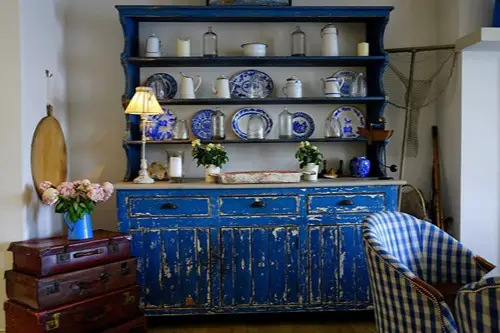
Formal china sets once symbolized adulthood, but millennials rarely see a need for them. Many inherited sets they don’t actually use, and storing fragile dishes in tight living spaces is impractical. With fewer formal dinner parties happening, the china often goes untouched. The ritual of displaying it proudly has lost cultural significance.
Even when millennials do host, they favor sturdy everyday dishes that can go in the dishwasher. The idea of hand-washing delicate pieces feels more like a chore than a tradition. Some sell or donate inherited sets because they genuinely want less clutter. Ultimately, the shift reflects a preference for functional over ceremonial living.
3. Polishing Silver
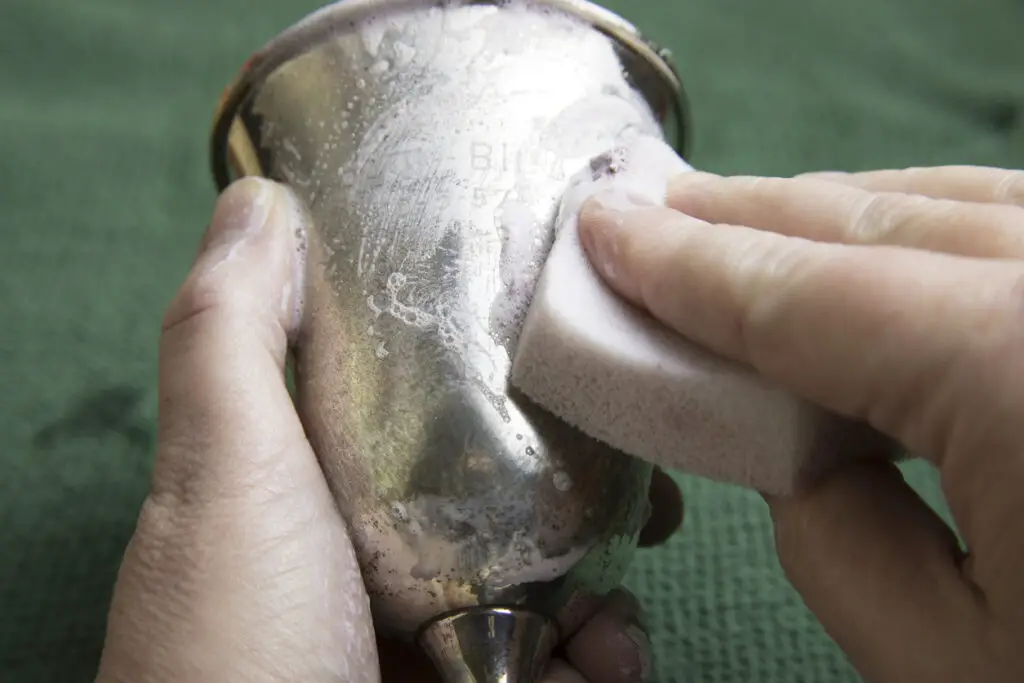
Silver polishing used to be a regular household ritual, especially before holidays. Millennials, however, rarely own silver pieces that require such meticulous upkeep. The time investment doesn’t align with modern lifestyles, where convenience is prized. As silver became less common in everyday homes, the ritual naturally faded.
Even those who inherit silver tend to store it rather than maintain it. Tarnish-removal products add another layer of cost and effort. Many prefer stainless steel or other low-maintenance materials that look good without extra work. The ritual disappeared simply because the objects requiring it are no longer central to home life.
4. Clipping Coupons from Newspapers

Millennials abandoned newspaper coupon clipping partly because they stopped buying physical newspapers. Digital coupon apps and automatic store discounts replaced the scissors-and-flyers routine. It’s faster, easier, and takes up zero kitchen drawer space. The ritual of spreading out newspapers on the table became unnecessary.
Rising grocery prices have made people more deal-savvy, but not through traditional means. Millennials rely on loyalty apps or browser extensions instead of paper coupons. These tools offer immediate updates that paper inserts can’t match. The underlying goal—saving money—remains, but the old method no longer fits how they shop.
5. Writing Checks for Bills

Paying bills by check used to be a monthly ritual, but autopay changed everything. Millennials overwhelmingly prefer digital payments because they’re instant and trackable. Mailing checks takes time, requires stamps, and leaves room for errors. The entire process feels outdated compared to tapping a screen.
Banks, utilities, and landlords increasingly push online systems, reducing the need for paper altogether. Millennials appreciate the reduced clutter and automated reminders built into digital tools. They also like having payment history in one place instead of in piles of statements. The ritual faded as technology made it redundant.
6. Hosting Elaborate Dinner Parties
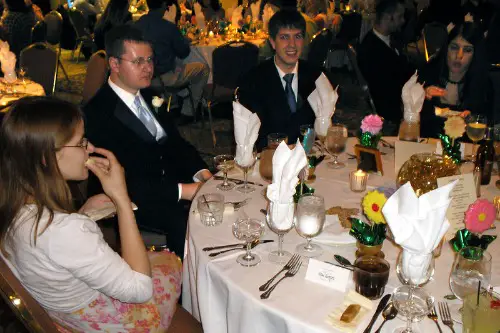
Traditional dinner parties required hours of prep, from planning multi-course meals to setting fancy tables. Millennials tend to favor more relaxed gatherings like potlucks or ordering in. They usually prioritize time with friends over staging a perfect evening. The ritual simply became too demanding for busy schedules and tighter budgets.
Open-plan living and smaller kitchens also influence the shift. People would rather hang out casually than stress over timing dishes. Social media has also made “low-key” entertaining more acceptable and even popular. As a result, the older style of formal hosting feels unnecessary.
7. Dry-Cleaning Weekly Wardrobes

Weekly dry-cleaning trips used to be standard, especially for office workers. Millennials dress more casually at work, reducing the number of dry-clean-only items they own. Synthetic blends and washable business attire also replaced delicate fabrics. The ritual of dropping off clothes every Friday just doesn’t fit anymore.
Cost plays a role too—regular dry-cleaning isn’t cheap. With student loans and rising living expenses, unnecessary cleaning quickly loses priority. Many millennials learn alternative care methods, like using at-home steam sprays. The result is fewer trips and an essentially abandoned routine.
8. Maintaining a Fully Stocked Spice Rack

Earlier generations built large spice collections as part of weekly home cooking. Millennials cook, but often in shorter bursts or with simple recipes that don’t require 20 different spices. Many also live in smaller kitchens where storage is limited. The ritual of keeping dozens of jars on hand is less practical.
Food delivery options and meal kits further reduce the need for a large spice inventory. People hesitate to buy full jars for recipes they’ll only make once. Smaller, curated collections fit better with modern habits. The old “wall of spices” became more nostalgic than necessary.
9. Deep-Cleaning the House Every Saturday

A weekly deep-cleaning day used to be a household standard. With work schedules that don’t fit a 9-to-5 mold, millennials clean in smaller bursts throughout the week. The idea of dedicating a full Saturday to scrubbing isn’t appealing. The ritual gave way to more flexible routines.
Cleaning tools and products have evolved too—robot vacuums and multipurpose sprays reduce the need for marathon sessions. Millennials prioritize mental rest on weekends rather than chores. Many outsource occasional deep cleaning if they can afford it. The ritual itself simply doesn’t align with how people structure their time now.
10. Ironing Table Linens
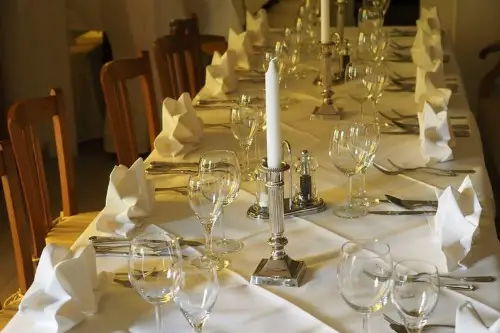
Table linens used to be part of every special occasion, and keeping them crisp was a point of pride. Millennials rarely use tablecloths at all, opting for easy-to-wipe surfaces or placemats. Without regular use, there’s no reason to break out the ironing board. The ritual dissolved because the objects behind it do too.
Even when linens are used, casual wrinkles are widely accepted. Restaurants and event venues have commercial tools that make polished linens unnecessary at home. Millennials also prefer materials that don’t require as much care. The shift shows a clear preference for convenience over formality.
11. Rearranging Living Room Furniture Seasonally

Seasonal furniture rearranging once refreshed the home and accommodated holiday decor. Millennials tend to keep simpler layouts and fewer large pieces, making rearranging less relevant. Small apartments also limit flexibility. The ritual lost appeal as living spaces became more streamlined.
Additionally, modern decor trends emphasize minimalism and consistent aesthetics. People are less likely to own bulky seasonal decorations that require layout changes. Millennials prefer small, easy swaps like throw pillows or candles. The tradition of shifting entire rooms no longer feels practical.
12. Using a Landline Phone
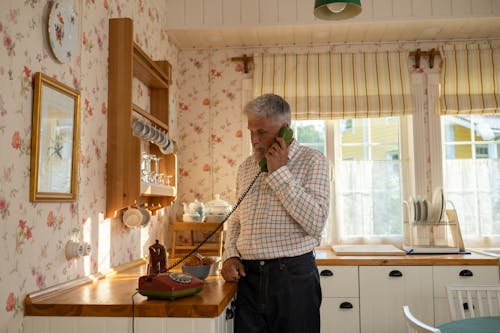
For decades, checking the landline was part of daily home routines. Millennials largely abandoned landlines because mobile phones cover every communication need. Streaming, texting, and app-based calling made wired phones obsolete. The ritual of checking voicemail on a handset vanished almost overnight.
Cost savings also influenced the shift—most millennials won’t pay for a service they don’t use. Mobile phones offer caller ID, voicemail transcription, and portability all in one. Even households with multiple people rely on individual cell phones instead of shared lines. The ritual faded as technology rendered it unnecessary.
This post 12 Household Rituals Millennials Have Abandoned for Good was first published on Greenhouse Black.
