
1. Children were expected to be “seen and not heard.”
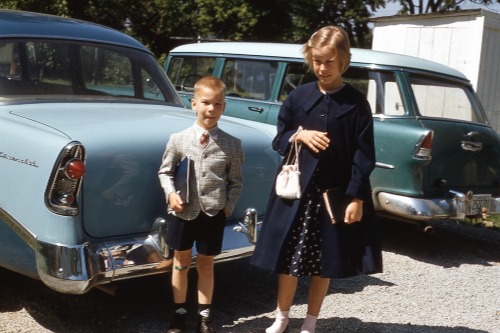
For much of the 19th and early 20th centuries, many households treated silence from children as a sign of good upbringing. Kids were expected to sit quietly during adult conversations and meals, often without offering opinions. This rule reflected a broader belief that authority flowed strictly downward from parents to children. Introducing it today would feel extreme because modern parenting emphasizes self-expression and emotional development.
The reason this rule existed was partly practical and partly cultural. Large families in small homes made noise control a real concern. There was also a strong social expectation that children learn obedience before independence. At the time, quiet behavior was equated with moral character and respect.
2. Dinner was eaten in silence or near silence.
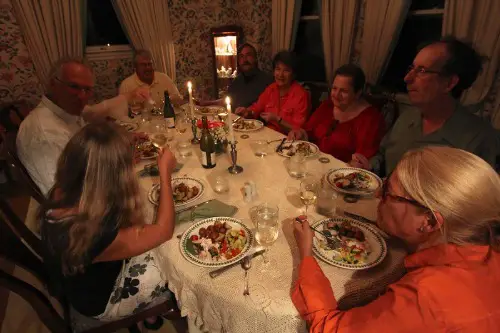
In many households, especially in the late 1800s and early 1900s, mealtime conversation was limited or carefully controlled. Talking too much at the table was seen as rude or distracting. Children might only speak when spoken to, and topics were often restricted. Today, that would feel harsh given how meals are now framed as family bonding time.
This rule came from a mix of etiquette and discipline. Meals were considered formal rituals, not casual hangouts. Silence was believed to encourage good posture, manners, and gratitude for food. In some homes, it also reflected religious ideas about mindfulness and restraint.
3. Bedtimes were strictly enforced, even for teenagers.

Historically, many households had fixed bedtimes that applied to everyone under the roof. Teenagers were often expected to go to bed shortly after younger siblings. Staying up late without permission was seen as disobedient, not independence. Introducing that level of control today would likely spark rebellion.
The rule made sense in an era before electric lighting was widespread. Candles and oil lamps were expensive and posed fire risks. Early bedtimes also aligned with agricultural or factory work schedules. Sleep was treated as a necessity for productivity, not personal preference.
4. Smoking indoors was completely normal.

For much of the 20th century, smoking inside the house was widely accepted. Parents, guests, and even babysitters smoked in living rooms and kitchens. Children were expected to tolerate it without complaint. Today, that would feel shocking given what we know about secondhand smoke.
This rule existed because the health risks of smoking were not yet widely acknowledged. Cigarettes were marketed as sophisticated and even health-adjacent. Social etiquette prioritized hospitality over personal comfort. Asking someone not to smoke inside would have been considered rude in many circles.
5. Fathers had the final say on all household decisions.

In many households, especially before the 1960s, the father was the unquestioned authority. Financial, social, and disciplinary decisions were typically his domain. Other family members were expected to defer, even if they disagreed. Today, this would feel outdated and unfair.
The rule reflected legal and economic realities of the time. Men were usually the sole wage earners and legal heads of household. Laws often reinforced this imbalance, limiting women’s autonomy. The household hierarchy mirrored the broader structure of society.
6. Chores were assigned strictly by gender.

Boys and girls were often given completely different household responsibilities. Girls cleaned, cooked, and cared for siblings, while boys handled outdoor or mechanical tasks. Crossing those lines was discouraged or mocked. Introducing this rule now would feel regressive.
The reason was rooted in preparation for adult roles. Households trained children for what they were expected to become as adults. These divisions were reinforced by schools, churches, and media. At the time, it was seen as practical rather than discriminatory.
7. Guests could drop by without calling first.

Unannounced visits were once normal and widely accepted. People were expected to be ready for company at almost any time. Turning someone away was considered impolite. Today, that level of access would feel intrusive.
This rule made sense before phones were common in private homes. Communication options were limited, so spontaneity filled the gap. Social life was more localized and community-based. Being “presentable” at all times was part of household pride.
8. Laundry was done on a fixed day, no exceptions.

Many households designated a specific day, often Monday, as laundry day. The entire household schedule revolved around it. Clothes were washed by hand or with early machines, making it an all-day task. Ignoring the schedule would have disrupted the household.
The rule existed because laundry was physically demanding and time-consuming. Heating water and drying clothes required planning and cooperation. Doing laundry daily was unrealistic for most families. A fixed routine brought order to an otherwise exhausting chore.
9. Sunday activities were heavily restricted.

In many homes, Sundays were reserved strictly for rest and religious observance. Playing games, doing chores, or engaging in entertainment was often forbidden. Children might only be allowed to read religious texts. That would feel extreme in a modern, secular household.
This rule was tied to religious traditions, especially in Christian households. Observing the Sabbath was considered a moral obligation. Laws in some regions even supported this practice. The home was seen as an extension of religious discipline.
10. Phone use was tightly controlled by parents.

When landlines became common, parents often set strict rules around phone usage. Calls were timed, monitored, or limited to emergencies. Teenagers rarely had private conversations. Today, that level of oversight would feel invasive.
The rule existed because phone service was expensive. Long-distance calls, in particular, could significantly increase bills. Phones were also viewed as household utilities, not personal devices. Privacy expectations were very different from today’s norms.
11. Corporal punishment was an accepted discipline method.

Spanking or other physical punishment was once widely used and socially accepted. Many parents believed it was necessary for moral development. Children were expected to accept it without protest. Today, this would be seen as harmful and inappropriate by many families.
The rule was supported by cultural, religious, and even professional advice at the time. Discipline was framed as a duty rather than a choice. Emotional well-being was rarely discussed in parenting. Changing views on child psychology eventually challenged this norm.
12. Clothes had to be changed for dinner.

In some households, family members were expected to change into nicer clothes for the evening meal. Casual or work clothes were considered inappropriate at the table. This applied even when dining at home. Today, that level of formality would feel excessive.
The rule reflected the importance placed on appearances and routine. Dinner was treated as a formal daily event. Clean, presentable clothing signaled respect for the household. It also helped maintain social standards within the family.
13. Children were expected to greet adults formally.

In many households, children were required to address adults with titles like “Mr.” or “Mrs.” at all times. Casual greetings or first names were considered disrespectful. Failing to acknowledge an adult properly could result in correction or punishment. Today, this would feel rigid in families that prioritize warmth over formality.
This rule reinforced clear social hierarchies within the home and community. Respect was taught through language rather than discussion. Adults were seen as authority figures first and individuals second. Modern parenting tends to favor mutual respect instead of enforced deference.
14. Privacy was considered a privilege, not a right.
Bedrooms, desks, and personal belongings were often subject to inspection by parents. Locks were rare, and closed doors could be questioned or discouraged. Children were expected to explain their activities if asked. Introducing this today would clash with modern ideas of personal boundaries.
The rule existed because parents were seen as fully responsible for children’s moral behavior. Oversight was viewed as protection rather than intrusion. Trust was something earned later in life, not assumed early. Privacy as a developmental need was not widely recognized.
15. Emotional displays were discouraged.

Crying, anger, or visible frustration were often labeled as bad behavior. Children were told to “compose themselves” quickly. Emotional restraint was seen as a sign of maturity. Today, suppressing emotions like this would feel unhealthy.
This rule reflected cultural values around stoicism and self-control. Expressing feelings was associated with weakness or poor upbringing. Parents believed they were preparing children for a harsh world. Modern households are far more likely to encourage emotional literacy.
16. Children were expected to contribute financially when possible.

Once children were old enough, their earnings often went toward the household. Paper routes, factory work, or farm labor were common sources of income. Keeping money for personal use was not guaranteed. Today, that expectation would feel burdensome.
The rule was driven by economic necessity in many families. Household survival depended on collective effort. Children were seen as contributors, not dependents. Modern child labor laws and education priorities have made this unthinkable.
17. Baths were taken on a strict schedule.

Bathing often happened once a week, sometimes with shared bathwater. The order was usually determined by age or status. Deviating from the schedule was discouraged. Today, this would feel unsanitary and inflexible.
This rule existed because heating water was labor-intensive. Indoor plumbing was not always available. Baths were treated as a major task, not a daily habit. Convenience and hygiene standards have since changed dramatically.
18. Food had to be finished, no matter what.

Children were expected to clean their plates completely. Complaints about taste or texture were not tolerated. Leaving food was seen as wasteful and disrespectful. Today, this rule would conflict with modern views on healthy eating.
The rule was shaped by scarcity and hardship. Many parents had lived through periods of hunger. Food was not taken for granted. Encouraging choice or preference seemed indulgent at the time.
19. Reading material was closely monitored.

Books, magazines, and newspapers were often censored by parents. Certain topics were considered inappropriate regardless of age. Children might only have access to approved titles. Today, that level of control would feel restrictive.
This rule reflected fears about moral corruption and bad influences. Printed material was powerful and trusted less than authority. Parents believed they could shape values by limiting exposure. Modern households rely more on discussion than prohibition.
20. House lights were turned off early.

Once evening arrived, lights were used sparingly. Rooms not in use were kept dark to conserve resources. Children were expected to settle down rather than stay active. Today, this would feel inconvenient.
The rule was practical before cheap electricity. Utility costs mattered greatly to household budgets. Light was treated as a shared resource. Modern homes rarely think twice about flipping a switch.
21. Children were expected to entertain themselves quietly.

Parents were not expected to play with their children regularly. Loud games or constant requests for attention were discouraged. Independent, quiet play was preferred. Today, this might feel emotionally distant.
This rule reflected different ideas about parenting roles. Adults focused on work and household management. Childhood was seen as preparation, not a stage requiring constant engagement. Modern families often prioritize shared activities.
22. Respecting elders outweighed personal comfort.

Children were expected to give up seats, belongings, or convenience for older family members. Arguing or expressing discomfort was frowned upon. Deference was nonnegotiable. Today, this could feel dismissive of children’s needs.
The rule emphasized collective harmony over individual preference. Age was equated with wisdom and authority. Families functioned on clear rankings. Modern households tend to balance respect with empathy.
This post 22 Household Rules That Would Seem Extreme If Introduced Today was first published on Greenhouse Black.
