
1. Reading clothing care labels correctly
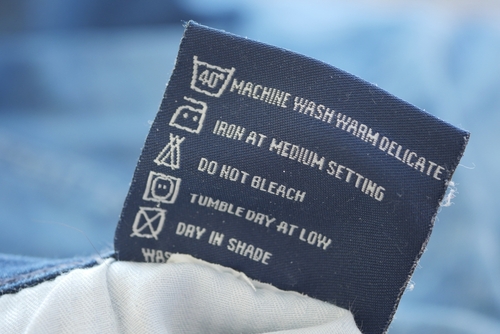
Laundry mistakes often come from ignoring or misreading care labels. The reason this skill matters is that symbols dictate water temperature, drying method, and whether an item can be ironed. Shrinking, fading, or warping clothes is usually preventable with this knowledge. People notice too late when an expensive item comes out unwearable.
Care labels are standardized, which makes them reliable once you know the basics. Understanding them helps separate loads and choose the right cycle. This also saves energy and prolongs fabric life. Without this skill, trial and error becomes costly.
2. Knowing how to shut off the main water supply
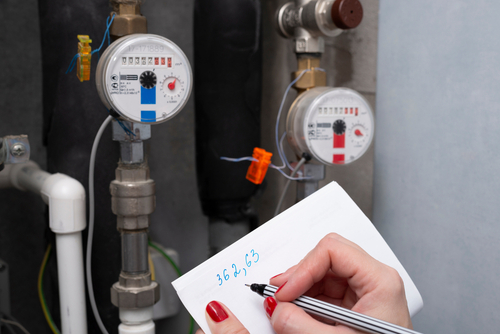
Most people don’t think about the water shutoff until a pipe bursts or a toilet overflows at midnight. The reason this matters is that every minute of uncontrolled water can cause thousands in damage to floors, walls, and furniture. The skill is simply knowing where the valve is and how to turn it clockwise until it stops. People realize they lost it too late when they’re frantically Googling while water spreads across the room.
It’s especially important because shutoff locations vary by home type and region. In houses it’s often in the basement, crawl space, or near the street, while apartments may have a unit-specific valve. Practicing once when things are calm makes a real difference under stress. This isn’t about plumbing expertise, just familiarity and confidence.
3. Unclogging a drain without chemicals
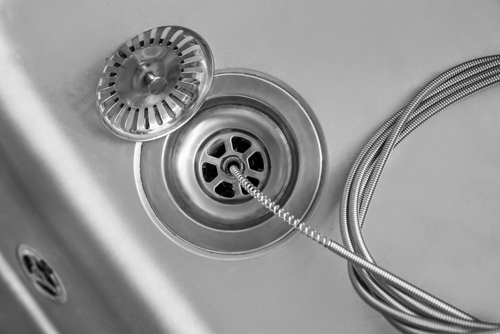
A slow or clogged drain feels minor until it completely backs up during a shower or dishwashing. The reason this skill matters is that many clogs are simple hair or grease blockages that don’t require a plumber. Using a plunger, drain snake, or cleaning out the P-trap can solve most everyday problems. People lose this skill because chemical cleaners seem easier, until they fail or damage pipes.
Understanding the mechanics also saves money and prevents repeat clogs. For example, knowing that kitchen sinks clog from grease buildup changes how you approach cleaning. Mechanical methods are safer for older plumbing and septic systems. Once a drain is fully blocked, learning this under pressure is far more stressful.
4. Sewing a button back on properly

A missing button seems trivial until it’s on work clothes right before you need to leave. The reason this skill matters is that buttons fail regularly, and tailoring for small fixes is expensive and inconvenient. Sewing one on securely requires knowing how to anchor thread and reinforce the shank. People realize they lost this skill when safety pins become a long-term solution.
This is a basic repair that extends the life of clothing. It also prevents further fabric damage caused by tugging or misalignment. The skill takes five minutes when practiced, but much longer when relearned in a rush. Losing it often leads to replacing clothes that didn’t need replacing.
5. Changing an HVAC air filter
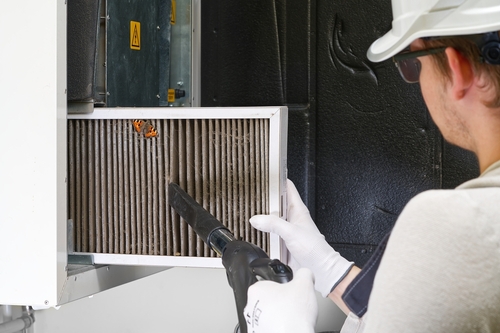
Air filters are easy to forget until airflow drops or allergies worsen. The reason this skill matters is that dirty filters strain HVAC systems and reduce indoor air quality. Most homes need filter changes every one to three months, depending on use and pets. People realize they lost this habit when repairs or high energy bills appear.
Knowing the correct filter size and airflow direction is part of the skill. It also involves setting reminders rather than relying on memory. This small task improves efficiency and comfort year-round. Losing track of it turns a simple chore into an expensive lesson.
6. Using a fire extinguisher correctly
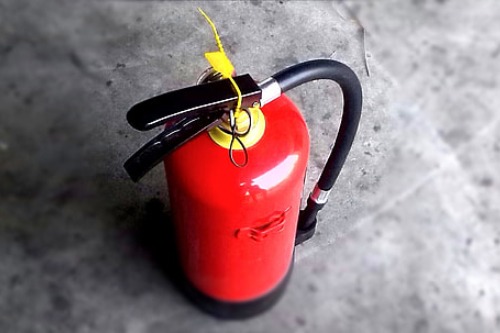
In an emergency, hesitation can be dangerous. The reason this skill matters is that fire extinguishers are only effective when used properly and early. The PASS method—Pull, Aim, Squeeze, Sweep—is simple but easy to forget under stress. People often realize they lost this knowledge after a small fire grows larger than it needed to be.
Understanding which fires an extinguisher can handle is also critical. Most household extinguishers are rated for common materials, not all scenarios. Practicing mentally before an emergency increases response speed. This isn’t about bravery, but preparedness.
7. Storing food to reduce waste

Food spoilage creeps up quietly until the fridge is full of forgotten items. The reason this skill matters is that proper storage extends freshness and prevents waste. Knowing what goes in drawers, which items need airtight containers, and how to rotate older food forward helps a lot. People realize they lost this skill when groceries expire unused.
This includes understanding temperature zones in the refrigerator. It also involves labeling leftovers and using a simple first-in, first-out system. These habits save money and reduce last-minute meal stress. Without them, the fridge becomes a graveyard of good intentions.
8. Planning simple meals for the week

Meal planning sounds boring until you don’t know what to cook every night. The reason this skill matters is that it reduces impulse spending and last-minute takeout. Planning a few repeatable meals and matching groceries to them saves time. People feel the loss when dinner decisions become daily negotiations.
This isn’t about complex recipes or rigid schedules. It’s about knowing a handful of reliable meals and how long ingredients last. The skill also makes grocery shopping faster and cheaper. Without it, food and money slip away together.
9. Resetting a tripped circuit breaker
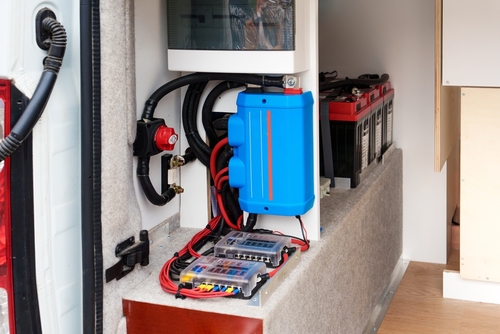
A room losing power can feel alarming if you don’t know why it happened. The reason this skill matters is that many outages are simply tripped breakers from overloaded circuits. Knowing how to locate the panel and reset the switch safely restores power quickly. People realize they lost this skill when they wait hours for help they didn’t need.
Understanding which appliances share circuits prevents repeat issues. It also avoids unsafe fixes like extension cord chains. This skill builds basic electrical awareness without requiring technical training. Losing it creates unnecessary dependence.
10. Cleaning and maintaining cast iron cookware
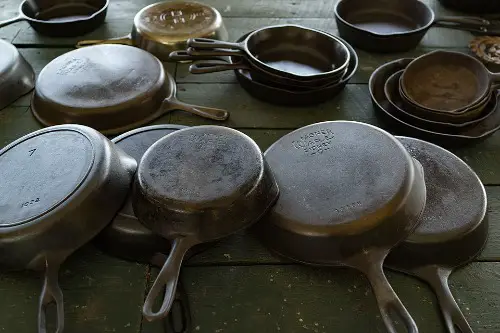
Cast iron is durable, but only when cared for correctly. The reason this skill matters is that improper cleaning can cause rust or sticking. Drying thoroughly and lightly oiling after use preserves the seasoning. People realize they lost this knowledge when a pan degrades after years of use.
Modern guidance allows mild soap, which surprises many people. What matters more is moisture control and storage. Knowing this keeps cookware functional for decades. Forgetting it turns heirloom tools into scrap.
11. Removing common stains effectively

Stains feel permanent when you don’t know how to treat them. The reason this skill matters is that many stains set quickly if handled incorrectly. Blotting, using cold water, and treating before drying are key basics. People realize they lost this skill when heat locks a stain in forever.
Different stains need different approaches, which is part of the learning. Acting quickly often matters more than the product used. This skill saves clothes that would otherwise be discarded. Without it, laundry becomes a gamble.
12. Testing smoke alarms regularly
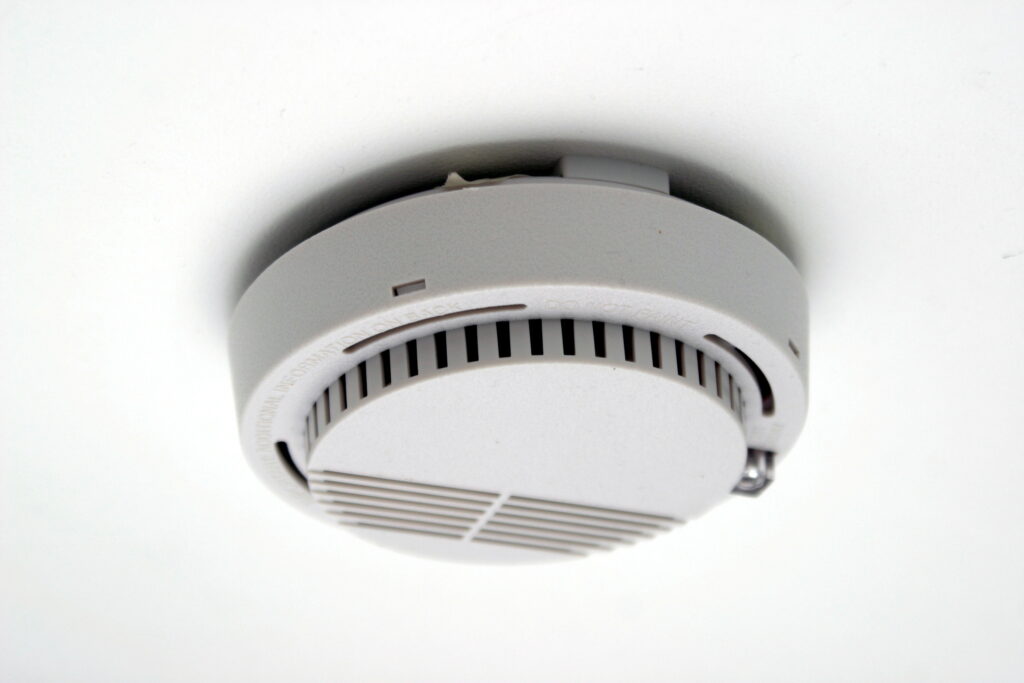
Smoke alarms fade into the background until they’re needed most. The reason this skill matters is that alarms can fail silently due to dead batteries or age. Testing monthly and replacing batteries as recommended keeps them reliable. People realize they lost this habit after a near-miss or false alarm.
Modern alarms may have sealed batteries, but testing is still required. Knowing how and when to replace units entirely is part of household safety. This skill protects lives, not just property. Forgetting it has serious consequences.
13. Reading and understanding utility bills
Utility bills often get paid without being understood. The reason this skill matters is that recognizing usage patterns helps control costs. Knowing how rates, billing periods, and spikes work makes problems visible early. People realize they lost this skill when charges suddenly increase.
Understanding bills also helps catch errors or leaks. It empowers smarter decisions about energy and water use. This skill turns passive paying into active management. Without it, households stay reactive instead of informed.
This post 13 Household Skills People Realize They Lost Too Late was first published on Greenhouse Black.
