
1. Corelle Dinnerware
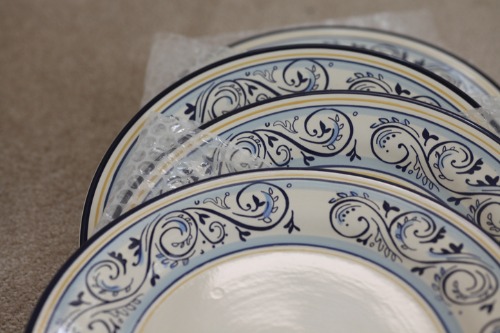
In the 70s and 80s, lightweight, stackable plates felt modern and almost futuristic. Corelle, introduced in 1970, became known for its Vitrelle glass construction and simple floral patterns. Unlike heavier ceramic sets, these dishes resisted chipping and breaking. That made them especially appealing to busy families with kids.
Many trendier dish sets came and went, but Corelle quietly stayed in cabinets across America. Its thin profile meant you could stack a full set in a small space. Even decades later, it’s common to find those same patterned plates still in daily rotation. The promise of durability turned out to be more than just marketing.
2. Pyrex Glass Bakeware
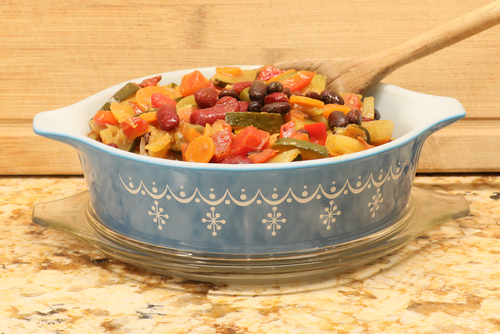
If you grew up any time between the 70s and 90s, chances are there was a sturdy piece of Pyrex in your kitchen cabinet. Pyrex has been around since the early 20th century, but its clear and patterned glass dishes became true household staples in late 20th-century America. While disposable aluminum pans and plastic containers promised convenience, Pyrex kept winning on durability. You could bake a lasagna, store leftovers, and reheat them the next day in the same dish.
What really helped Pyrex outlast flashier replacements was its reliability under heat. Earlier pieces were made of borosilicate glass, which handled temperature changes well, and even later soda-lime versions remained oven-safe when used properly. Unlike single-use pans that warped or tore, Pyrex dishes rarely needed replacing. Many families are still using the same casserole dish they received as a wedding gift decades ago.
3. Cast Iron Skillets
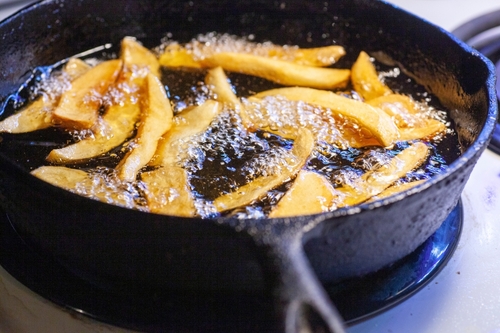
Before nonstick coatings became the rage in the 80s and 90s, a heavy cast iron skillet already had a permanent spot on the stove. Brands like Lodge have been producing cast iron cookware since the 19th century, and those pans were still going strong in late 20th-century kitchens. Teflon pans promised effortless cooking and easy cleanup. But once the coating scratched or wore down, they often ended up in the trash.
Cast iron, on the other hand, practically dares you to try to destroy it. When properly seasoned, it develops a natural nonstick surface that can last for generations. It can go from stovetop to oven to grill without complaint. That kind of versatility made it hard for newer, lighter pans to truly replace it.
4. Tupperware Storage Containers
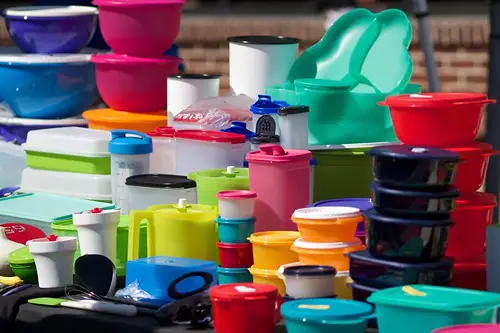
Long before meal-prep culture had a name, leftovers were being snapped shut in colorful plastic containers. Tupperware had already been around since the 1940s, but its popularity soared in the 70s and 80s thanks to home parties and word of mouth. Cheaper knockoff containers eventually flooded the market. Many cracked, warped in the microwave, or lost their lids within months.
Authentic Tupperware pieces were known for their tight seals and sturdy construction. The signature “burp” to remove excess air became oddly satisfying. While newer disposable bags and flimsy containers offered short-term convenience, they rarely matched the longevity of the originals. It’s not unusual to open a cupboard today and find a harvest-gold container still going strong.
5. Crock-Pot Slow Cookers
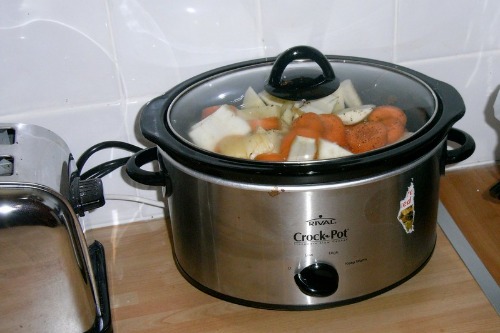
In 1971, the slow cooker as we know it entered American homes, and it never really left. The Crock-Pot became a fixture on countertops throughout the 70s and 80s. Later decades brought pressure cookers, multi-cookers, and high-tech kitchen gadgets with digital screens. Yet the simple low-and-slow approach kept earning loyalty.
A basic Crock-Pot has just a few settings and a removable stoneware insert. It doesn’t need Wi-Fi or an app to turn tough cuts of meat into tender dinners. Busy parents in the 80s loved coming home to a meal that had cooked all day. That reliability is why many original units are still being used decades later.
6. Whirlpool Top-Loading Washers
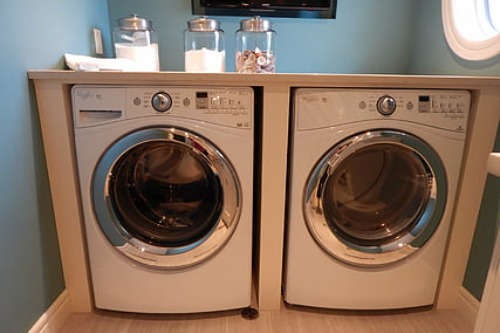
In many homes, a dependable washing machine mattered more than flashy features. Whirlpool Corporation became known for durable top-loading washers that were common in the 70s, 80s, and 90s. Newer high-efficiency front-loaders promised water savings and sleek designs. But early models sometimes faced complaints about mold or mechanical complexity.
Older top-loaders were straightforward and relatively easy to repair. They used mechanical timers and fewer electronic components. Many ran for decades with only minor part replacements. That kind of longevity made them hard to replace permanently, even as trends shifted.
7. KitchenAid Stand Mixers
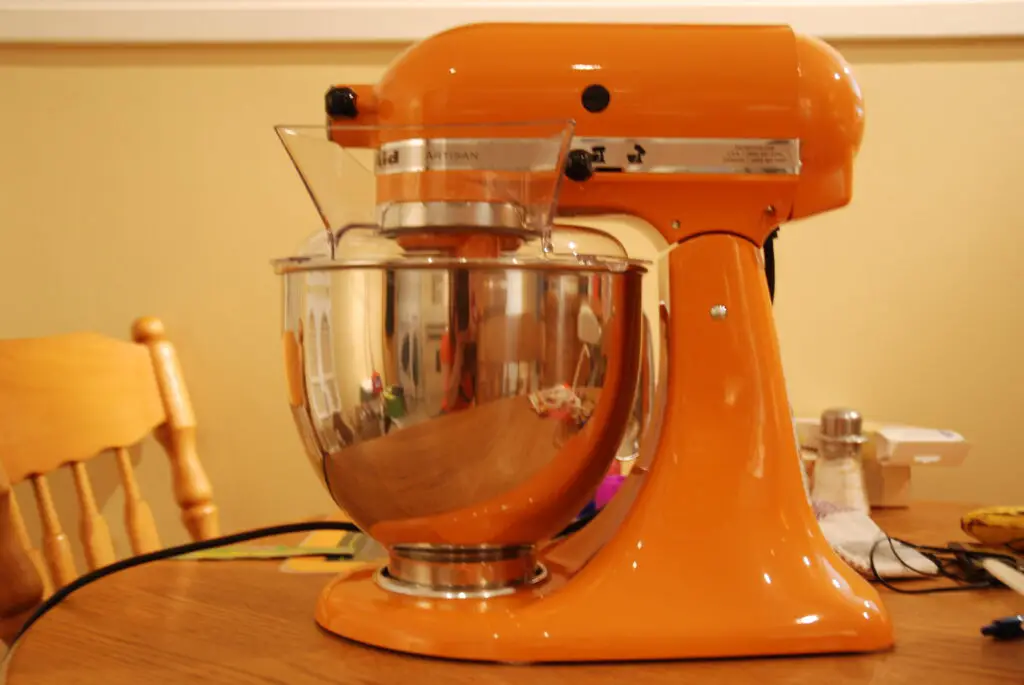
Few countertop appliances have achieved icon status quite like the stand mixer. The KitchenAid stand mixer was already established, but it became especially popular in late 20th-century American kitchens. Hand mixers and later compact gadgets tried to claim the same space. Still, they couldn’t quite match the power and stability of the full-size model.
With its metal gears and heavy base, a KitchenAid mixer is built to last. Many units from the 80s and 90s are still in active use. Attachments allow it to function as more than just a mixer, from pasta rollers to meat grinders. That adaptability helped it outlast trendier single-purpose appliances.
8. Rubbermaid Trash Cans
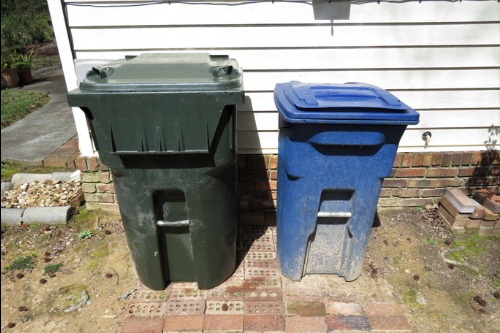
It’s not glamorous, but a good trash can is essential. Rubbermaid became known for sturdy plastic bins that resisted cracking and warping. Cheaper plastic alternatives often split at the seams or lost their shape over time. In garages and kitchens alike, durability mattered.
Rubbermaid’s thicker plastic construction held up to heavy use. Lids fit securely and often survived years of slamming. While stainless steel sensor cans may look sleek, many households still rely on older plastic models that refuse to die. Practicality often wins over novelty.
9. Lodge Dutch Ovens
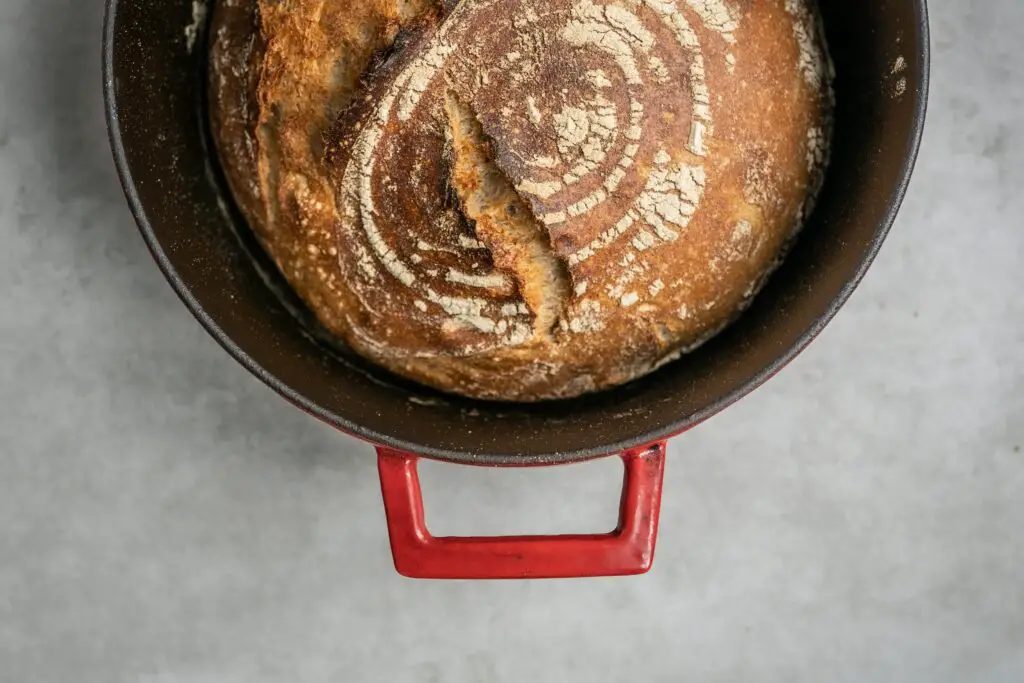
The enameled Dutch oven trend may feel modern, but traditional cast iron versions have been steady performers for generations. Lodge Dutch ovens were common in late 20th-century kitchens and camping trips alike. Lighter aluminum pots tried to offer easier handling. However, they didn’t retain heat in quite the same way.
A cast iron Dutch oven can simmer stews, bake bread, or cook over an open fire. Its weight is part of what makes it effective. With basic care, it can last a lifetime or longer. That staying power made it difficult for lighter cookware to fully replace it.
10. CorningWare Casserole Dishes
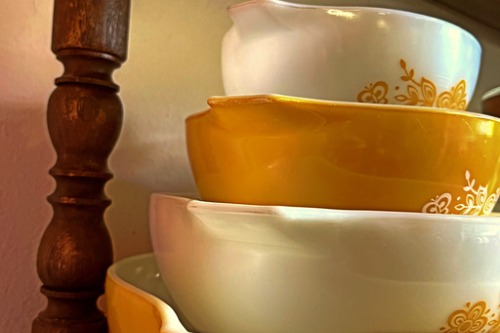
Patterned casserole dishes were a familiar sight at potlucks and family dinners. CorningWare, introduced in 1958, became especially widespread in the 70s and 80s with its blue cornflower design. Disposable bakeware and newer ceramic brands promised convenience and style. But many lacked the same resistance to thermal shock.
Original CorningWare pieces were made from a glass-ceramic material designed to handle temperature changes. They could go from freezer to oven with proper care. Families appreciated not having to transfer food between containers. That practicality kept them in regular use long after trendier options appeared.
11. Stanley Thermoses
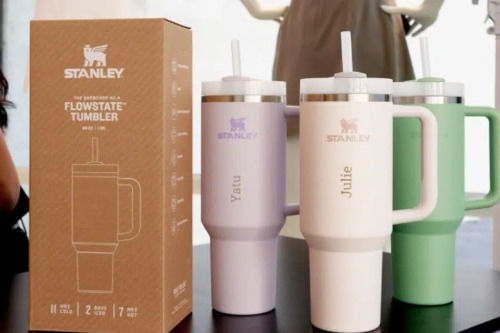
Bringing coffee from home was common long before insulated tumblers became fashion statements. The green hammertone thermos from Stanley was a familiar companion on job sites and road trips in the 70s and 80s. Later insulated mugs entered the market with sleeker designs. Not all of them kept drinks hot for an entire workday.
Stanley’s vacuum insulation and rugged steel construction earned a reputation for toughness. Many were built to withstand drops and rough handling. It wasn’t unusual for one thermos to serve someone for decades. That kind of durability is hard for trend-driven replacements to beat.
12. Zippo Lighters
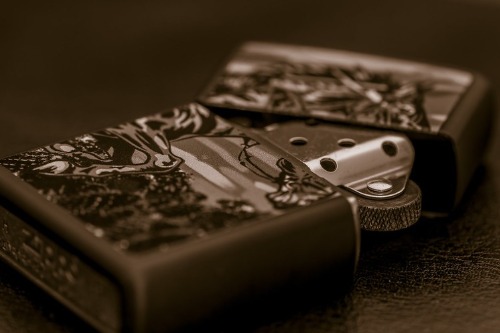
Even as disposable lighters became widely available in the 80s and 90s, refillable metal lighters kept their following. Zippo has produced its iconic windproof lighter since the 1930s. Disposable options were cheaper upfront and required no refilling. But they were meant to be thrown away.
A Zippo lighter is refillable and backed by a long-standing repair guarantee. Its distinctive click became instantly recognizable. Owners could replace flints and wicks instead of discarding the entire unit. That repairability helped it endure while countless disposable lighters ended up in landfills.
This post Household Staples From the 70s, 80s, and 90s That Outlasted Everything Meant to Replace Them was first published on Greenhouse Black.
