
1. Austin, Texas

Austin is acting strange because it swung from one of the hottest pandemic boomtowns to one of the softest large markets in a very short time. Inventory has risen sharply compared to its 2021–2022 lows, giving buyers far more options. Builders kept adding supply even as demand cooled, which intensified the slowdown. Prices haven’t collapsed, but the negotiating dynamic has flipped noticeably.
What makes Austin especially odd is how uneven the slowdown feels. Suburban areas full of similar new builds are seeing bigger price cuts and longer days on market. Central neighborhoods are holding value better but still feel slower than sellers expected. The city’s strong job growth makes the housing hesitation feel out of sync.
2. Boise, Idaho

Boise’s market is strange because it cooled without fully correcting. Prices pulled back from their peak but remain high compared to local wages. Inventory is higher than during the pandemic frenzy, yet affordability continues to limit demand. That combination has slowed sales without triggering a dramatic drop.
Another unusual feature is how reactive Boise has become to national sentiment. Small mortgage rate changes noticeably affect buyer activity. Out-of-state buyers still show up, but far less aggressively than before. Locals often sit on the sidelines, creating a market that feels stuck between cycles.
3. Phoenix, Arizona

Phoenix is behaving oddly because it’s seeing price volatility uncommon for such a large metro. Prices surged, fell, rebounded, and then softened again within a few years. Investors who once dominated purchases have pulled back significantly. Meanwhile, population growth continues, muddying the signal.
The strange part is how neighborhood-specific the market has become. Entry-level homes still attract competition, while higher-end properties linger. Seasonal patterns feel exaggerated compared to the past. Buyers and sellers alike seem unsure which version of the Phoenix market they’re dealing with.
4. Tampa, Florida
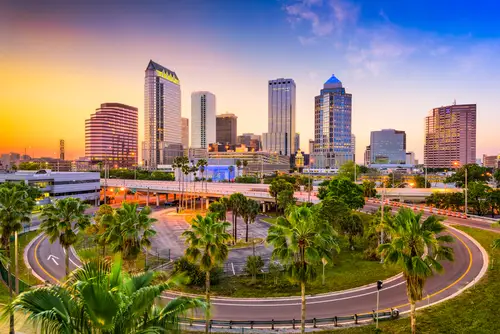
Tampa’s housing market feels strange because demand remains strong while affordability is stretched thin. Insurance costs and property taxes have become major factors in buying decisions. Inventory has risen, but well-priced homes still sell quickly. That tension creates mixed signals for the market.
What really stands out is buyer hesitation rather than a lack of interest. Many shoppers pause after running the full cost numbers. Sellers are slower to cut prices despite longer listing times. The result is a market that looks active on paper but feels cautious on the ground.
5. Nashville, Tennessee

Nashville is acting unusually because its growth story hasn’t translated cleanly into home sales. Prices surged during the pandemic and haven’t meaningfully reset. New construction continues at a steady pace, adding pressure to resale listings. Buyers are more selective than sellers anticipated.
Another strange aspect is how quickly buyer expectations changed. Homes that would have sparked bidding wars now require incentives. Investors have cooled, especially for short-term rentals. The city keeps growing, but the housing market no longer reflects nonstop optimism.
6. Denver, Colorado

Denver’s housing market is strange because it’s stuck between high prices and slowing demand. Inventory has climbed compared to recent years, yet sellers remain reluctant to reduce asking prices. Mortgage rate sensitivity is especially pronounced. This has slowed transactions more than prices.
What’s unusual is how quiet the market feels for a major metro. Homes sit longer even in desirable neighborhoods. Buyers feel they should have leverage, but sellers often push back. The standoff creates a market that feels sluggish despite solid economic fundamentals.
7. San Francisco, California

San Francisco is acting strangely because its housing market no longer behaves like a typical coastal powerhouse. Prices are below their peak, even as other expensive metros stabilized. Remote work reduced demand for proximity in a way unique to the city. Inventory remains limited, but urgency is missing.
The oddest part is how selective buyers have become. Even high-income buyers hesitate without strong value justification. Condos struggle more than single-family homes. The market feels disconnected from its historical reputation for relentless competition.
8. Seattle, Washington
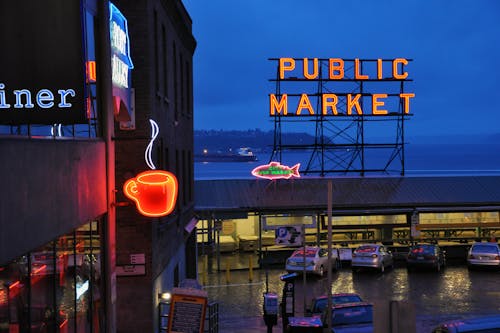
Seattle’s market feels strange due to sharp swings in buyer activity. Tech layoffs and hiring freezes have influenced demand more directly than in many cities. Inventory has improved, yet prices remain high. That imbalance keeps buyers cautious.
Another unusual feature is how quickly sentiment changes. A slight drop in rates can reignite competition almost overnight. When rates rise, activity cools just as fast. This volatility makes the market feel unstable despite long-term strength.
9. Las Vegas, Nevada
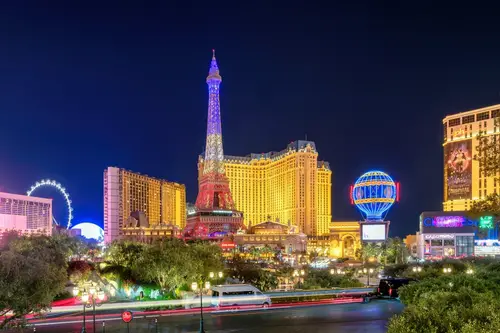
Las Vegas is acting oddly because it’s showing early signs of stress without widespread distress. Inventory has risen faster than sales. Investors have pulled back more noticeably than owner-occupants. Prices have softened, but not dramatically.
What makes Vegas stand out is its sensitivity to economic headlines. Buyer confidence shifts quickly with national news. Entry-level homes still move, but higher-priced properties lag. The market feels more fragile than its population growth suggests.
10. Atlanta, Georgia
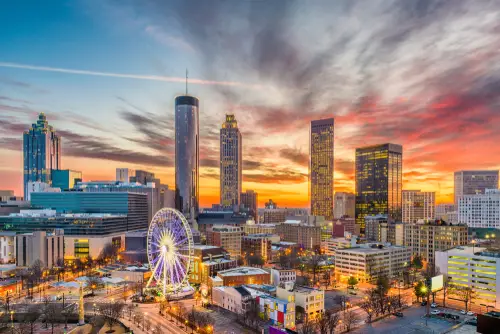
Atlanta’s housing market is strange because it remains active despite affordability challenges. Prices climbed steadily and never experienced a sharp correction. Inventory has grown, yet demand hasn’t disappeared. This keeps price declines shallow.
Another oddity is how segmented the metro has become. Outer suburbs see more price flexibility than close-in areas. Investors remain active but more cautious. Atlanta feels balanced on the surface, but pressure is building underneath.
11. Dallas, Texas
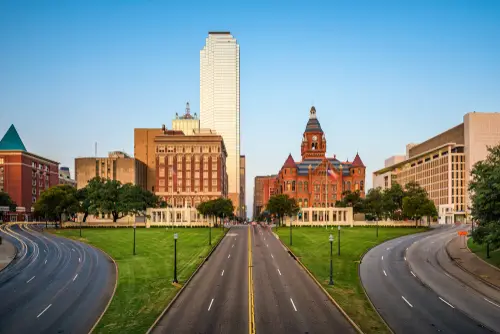
Dallas is behaving unusually because supply growth has outpaced buyer enthusiasm. Builders delivered large volumes of new homes. Resale listings now compete heavily with new construction incentives. Prices have flattened as a result.
What stands out is how negotiation has returned. Buyers expect concessions, and sellers increasingly comply. Homes take longer to sell than locals were used to. The market feels orderly but undeniably cooler.
12. Miami, Florida
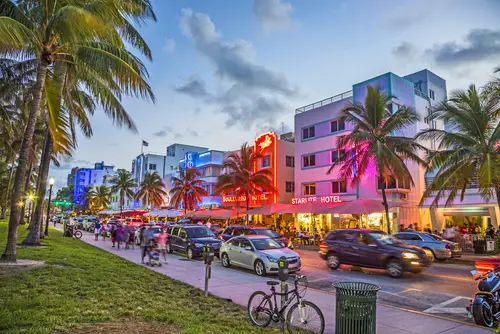
Miami’s market is strange because demand remains strong despite rising costs. High insurance premiums and HOA fees complicate affordability. Cash buyers still play a large role. This props up prices even as financed buyers struggle.
Another unusual element is how international demand shapes the market. Some segments stay hot regardless of rates. Condos face more resistance than single-family homes. The result is a split market moving at two speeds.
13. Salt Lake City, Utah
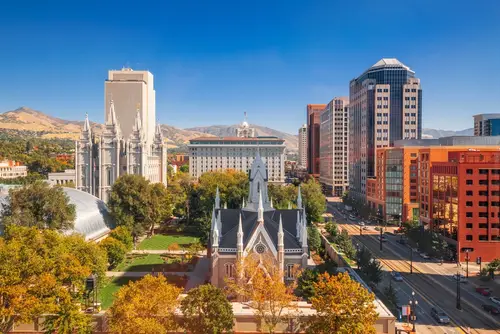
Salt Lake City is acting oddly because it cooled faster than many expected. Prices pulled back slightly but remain elevated. Inventory improved, yet buyers hesitate at current rate levels. Sales volumes reflect that hesitation.
What makes it strange is how quickly momentum faded. The city went from fierce competition to calm conditions. Sellers still anchor to peak prices. Buyers sense opportunity but move carefully.
14. Minneapolis–St. Paul, Minnesota
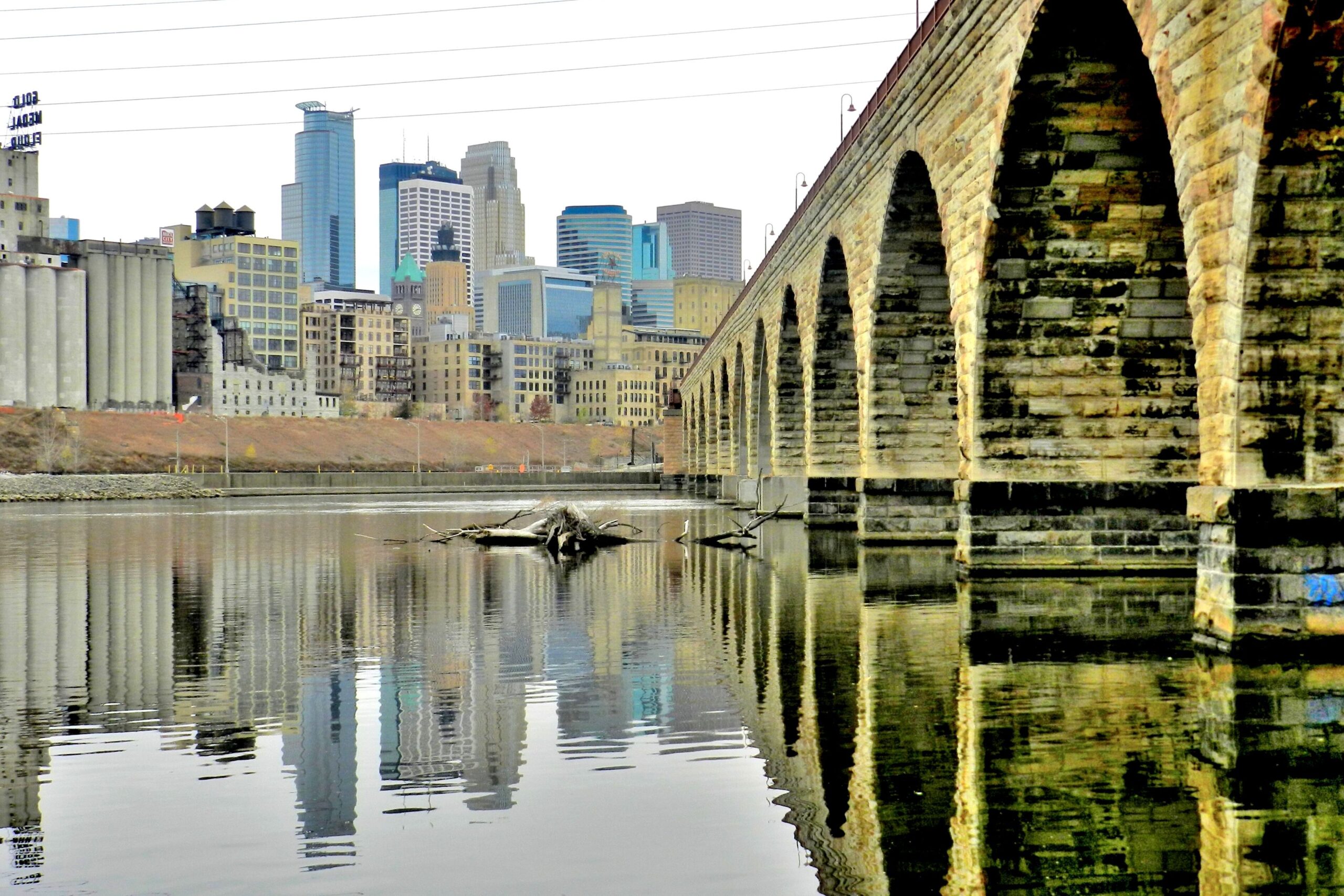
The Twin Cities feel strange because they’ve stayed relatively stable while much of the country swung wildly. Prices haven’t dropped much, but sales slowed. Inventory remains tight compared to national averages. This limits dramatic shifts.
The unusual part is how quietly the market operates. Homes still sell, just without hype. Buyers negotiate modestly rather than aggressively. It’s a market that feels steady in an era defined by extremes.
This post 14 Housing Markets Acting Very Strangely Right Now was first published on Greenhouse Black.
