
1. Austin, Texas

Remote work helped put Austin on the map years ago, and that momentum is still paying dividends heading into 2026. Tech workers, creatives, and consultants continue to choose Austin for its culture, food scene, and access to outdoor recreation. Even as home prices cooled from their peak, demand has remained solid thanks to people who don’t need to live near a specific office. That ongoing interest keeps the housing market active rather than volatile.
What really helps Austin is that remote workers tend to stick around once they arrive. Many are willing to buy instead of rent, especially if they’re relocating permanently from higher-cost coastal cities. That supports neighborhoods beyond the urban core, including suburbs like Round Rock and Pflugerville. The result is a metro-wide housing market that benefits from remote work rather than being dependent on it.
2. Raleigh–Durham, North Carolina
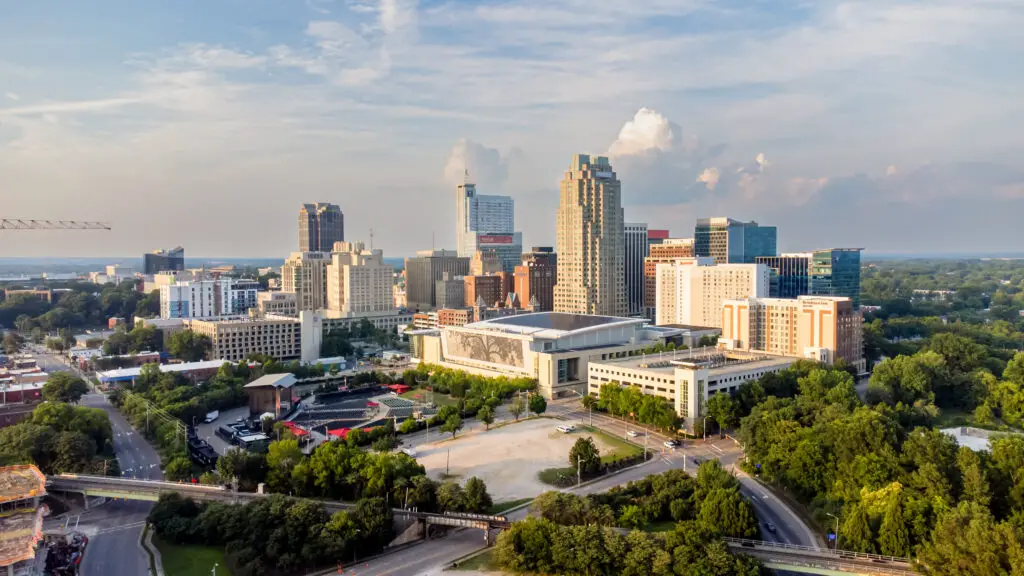
The Research Triangle continues to thrive as a remote-friendly destination because it blends affordability with strong professional credibility. Remote workers are drawn to the area’s universities, healthcare systems, and tech presence, even if they only interact with them occasionally. Housing demand stays strong because the region appeals to both individuals and families. That broad appeal gives the market more staying power than trend-driven boom towns.
Another advantage is the variety of living options within a short drive. Buyers can choose urban condos in Durham, suburban homes in Cary, or quieter neighborhoods near Chapel Hill. Remote work makes that flexibility possible, since daily commutes aren’t a concern. As a result, demand spreads evenly across the region instead of concentrating in one hotspot.
3. Boise, Idaho

Boise’s remote-work boom may have slowed, but the underlying shift hasn’t reversed. Many people who moved during the early remote-work wave stayed long-term, anchoring housing demand. New arrivals still come for access to nature, a slower pace of life, and relative affordability compared to West Coast cities. That keeps Boise relevant rather than fading as a temporary trend.
Housing prices in Boise are no longer skyrocketing, which actually helps stabilize the market. Buyers feel more confident entering without fear of extreme overpaying. Remote workers looking for value see Boise as a middle ground between rural living and big-city stress. That balance continues to benefit the housing market in 2026.
4. Tampa, Florida

Tampa benefits from remote work because it checks several boxes at once: warm weather, no state income tax, and growing urban amenities. Remote workers from the Northeast and Midwest often see it as a lifestyle upgrade rather than a compromise. Housing demand has expanded beyond retirees to include younger professionals and families. That demographic diversity strengthens the market.
Another factor is that remote workers don’t need to live right downtown. Suburbs and surrounding communities see steady interest as buyers seek more space. This has encouraged ongoing residential development throughout the metro area. As long as remote work remains common, Tampa’s housing market stays energized.
5. Salt Lake City, Utah
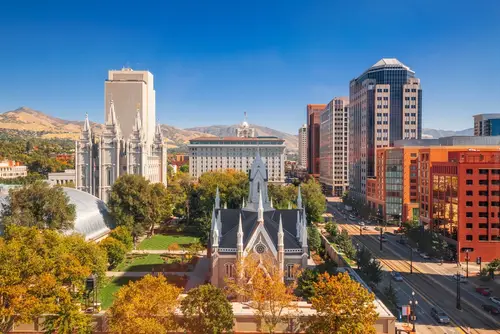
Salt Lake City continues to attract remote workers who want access to both jobs and outdoor adventure. The city’s growing tech ecosystem supports hybrid work, while fully remote employees enjoy the lifestyle without relying on local offices. Housing demand reflects this mix of local and incoming buyers. That combination helps prevent sharp swings in the market.
Remote workers often expand their search into nearby suburbs and smaller cities. Places like Draper and Lehi benefit from this spillover effect. Buyers can get more space while staying close to the metro area. This wider demand footprint keeps the regional housing market strong.
6. Hartford, Connecticut

Hartford’s housing market is quietly benefiting from remote work as buyers look beyond traditional East Coast hubs. Professionals priced out of New York or Boston are discovering they can get larger homes and quieter neighborhoods here. Remote work makes that trade-off realistic rather than risky. As a result, home sales and construction have picked up.
The appeal isn’t just cost-based. Hartford offers good schools, access to nature, and reasonable travel connections to major cities. Remote workers who only need to commute occasionally see it as a practical compromise. That steady, rational demand supports the housing market without speculative excess.
7. Rochester, New York

Rochester has emerged as an attractive option for remote workers seeking affordability in the Northeast. Home prices remain well below national averages, which appeals to buyers relocating from more expensive cities. Remote work allows people to choose Rochester for value rather than proximity to corporate offices. That shift has increased competition for well-priced homes.
The city also benefits from strong community infrastructure and cultural amenities. New residents often invest locally, supporting neighborhood revitalization. This creates a positive feedback loop for housing demand. As remote work continues, Rochester’s market gains relevance it didn’t have a decade ago.
8. Kansas City, Missouri

Kansas City stands out as a Midwest market that remote workers can easily justify. It offers a lower cost of living, solid amenities, and a growing professional population. Remote employees can buy homes here that would be out of reach in coastal cities. That affordability fuels steady buyer interest.
Another advantage is the city’s balanced growth. Demand exists across urban neighborhoods, suburbs, and nearby towns. Remote work spreads housing interest rather than concentrating it in one area. That makes Kansas City’s market feel resilient rather than overheated.
9. Chattanooga, Tennessee

Chattanooga has leaned into its reputation as a remote-work-friendly city with strong digital infrastructure. Fast internet, scenic surroundings, and a small-city feel attract workers who want flexibility. Housing demand has grown as more people realize they don’t need a major metro to maintain a good career. That awareness continues into 2026.
Remote workers often see Chattanooga as a lifestyle choice rather than a stepping stone. Many buy homes with the intention of staying long-term. This supports price growth without extreme speculation. The result is a stable but active housing market.
10. Bend, Oregon
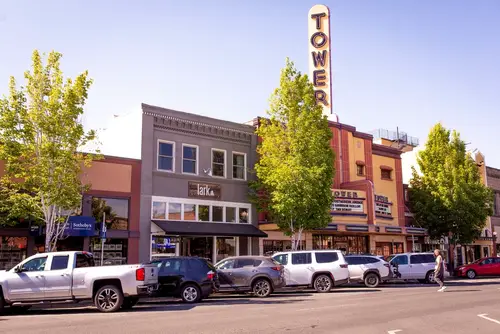
Bend appeals to remote workers who prioritize outdoor living and smaller communities. The city’s proximity to hiking, skiing, and open space makes it attractive to people leaving dense urban environments. Remote work removes the barrier of needing nearby corporate offices. That freedom keeps housing demand elevated.
While Bend isn’t cheap, remote workers often arrive with higher incomes from out-of-state jobs. This sustains demand even as prices rise. Housing supply remains limited, which adds pressure to the market. As remote work persists, Bend continues to benefit.
11. Pittsburgh, Pennsylvania
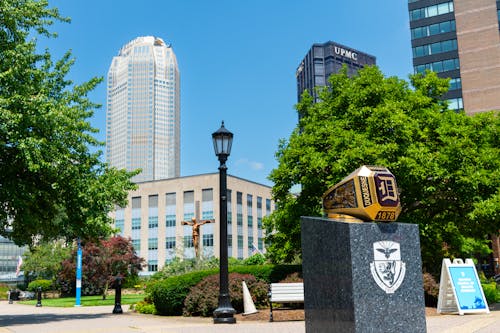
Pittsburgh has quietly repositioned itself as a remote-work-friendly city with strong fundamentals. Affordable housing, respected universities, and a growing tech scene make it appealing to flexible workers. Many remote professionals see Pittsburgh as a value play with long-term upside. That perception drives steady buyer interest.
Remote work allows people to choose neighborhoods based on lifestyle rather than commute times. Historic districts and walkable areas see renewed attention from buyers. This spreads demand across the city instead of concentrating it downtown. As a result, Pittsburgh’s housing market gains durability in 2026.
This post Housing Markets Benefiting From Remote Work in 2026 was first published on Greenhouse Black.
