
1. Nashville, Tennessee

Nashville’s real estate buzz softened as population growth normalized. In-migration continues, but at a slower and more predictable pace. Buyers now expect inspections and concessions again. That expectation lowers urgency.
Builders delivered significant new supply, especially on the metro’s edges. Resale homes compete more directly with new construction. Prices leveled off instead of spiking. The quieter tone suggests a healthier, less speculative market.
2. Austin, Texas

Austin’s housing chatter faded after years of nonstop growth. The city absorbed a wave of new apartments and subdivisions, easing pressure without triggering a crash. Buyers now have more leverage, so urgency has disappeared. Sellers feel that shift and hesitate to test the market.
This shows up in slower sales velocity and more back-and-forth during negotiations. Tech layoffs and hiring freezes softened confidence without draining demand entirely. Prices are mostly flat instead of climbing. The lack of noise reflects a market recalibrating in real time.
3. Phoenix, Arizona

Phoenix went from boomtown buzz to a noticeable hush. Investor activity cooled as higher interest rates squeezed margins. Owner-occupants are still shopping, but they’re cautious and price-sensitive. That caution dampens momentum.
Inventory levels rose compared to the pandemic years, giving buyers breathing room. New builds are more common here than in coastal markets, which tempers price pressure. Sellers are adjusting expectations slowly rather than slashing prices. The silence signals balance returning after excess.
4. Boise, Idaho

Boise’s housing market grew quieter after years of outsized attention. Remote-work migration slowed, reducing the influx of out-of-state buyers. Locals are priced in carefully rather than emotionally. That shift lowers transaction volume without causing sharp declines.
Homes still sell, but fewer spark bidding wars. Builders completed projects that were planned during the boom, adding supply. Price growth flattened instead of reversing dramatically. The calm reflects normalization after a rapid ascent.
5. Seattle, Washington

Seattle’s market feels subdued despite its strong job base. Tech uncertainty made buyers pause even as wages remain high. Sellers, especially move-up homeowners, are reluctant to give up low mortgage rates. That standoff quiets activity.
Listing counts remain modest, but homes take longer to sell. Condos and townhomes show more softness than single-family homes. Prices fluctuate by neighborhood rather than moving in one direction. The quiet reveals hesitation, not weakness.
6. Denver, Colorado
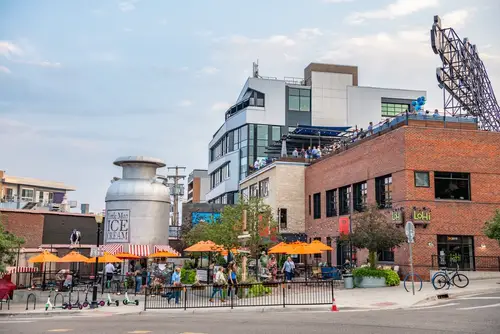
Denver’s housing market stopped talking loudly after years of steady growth. Higher borrowing costs cooled enthusiasm among first-time buyers. At the same time, sellers aren’t under pressure to exit. The result is fewer transactions.
Inventory has improved compared to recent years, but not enough to drive big discounts. Suburban areas see more listings than the urban core. Price appreciation slowed sharply. The silence reflects affordability constraints reshaping demand.
7. San Francisco Bay Area, California
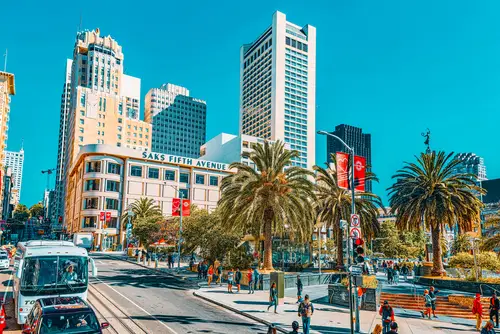
In the Bay Area, the quiet shows up as fewer for-sale signs and longer pauses between deals. Tech hiring stabilized but didn’t roar back, so buyers aren’t rushing and sellers aren’t eager to cut. High mortgage rates collide with already-high prices, freezing decisions on both sides. The result is a market that feels paused rather than panicked.
You can see this in listing volumes and longer days on market across San Francisco, San Mateo, and Santa Clara counties. New construction remains limited, which keeps inventory tight even as demand cools. Price reductions happen, but they’re careful and incremental. Silence here signals uncertainty more than distress.
8. Tampa Bay, Florida
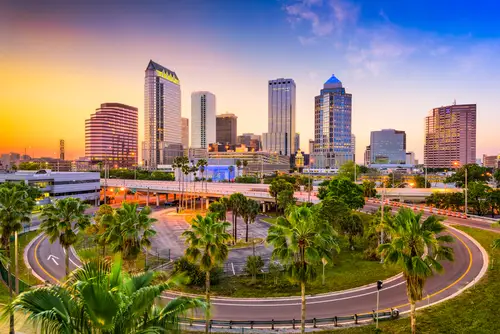
Tampa Bay’s housing market lost some of its pandemic-era volume. Insurance costs and property taxes became part of buyer hesitation. Cash buyers remain, but fewer are impulsive. That changes the rhythm of sales.
Listings linger longer, especially in condo-heavy areas. New residents still arrive, but they negotiate more aggressively. Price cuts are selective and strategic. The silence hints at buyers recalculating true ownership costs.
9. Salt Lake City, Utah

Salt Lake City’s market cooled without unraveling. Strong employment supports demand, but affordability limits stretch. Buyers take more time and comparison-shop. That slows deal flow.
New construction added supply, particularly townhomes and condos. Sellers are realistic, pricing closer to comps. Rapid appreciation paused. The quieter environment reflects maturity after fast growth.
10. Raleigh-Durham, North Carolina

The Research Triangle feels calmer despite continued job growth. Tech and life sciences remain stable, but buyers aren’t chasing homes. Mortgage rates temper enthusiasm across income levels. That reduces competition.
Inventory improved modestly as new developments came online. Homes still sell, just not instantly. Prices trend sideways rather than upward. The silence suggests equilibrium settling in.
11. Las Vegas, Nevada
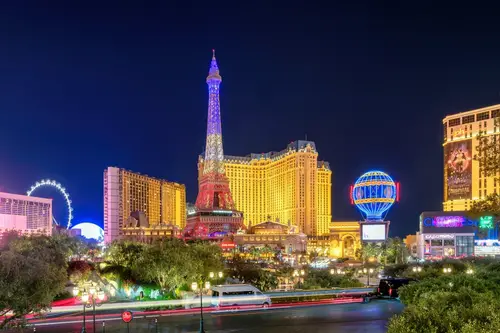
Las Vegas quieted after its rapid rebound years. Investors pulled back as financing costs rose. Owner-occupants remain active but careful. That mix lowers volume.
Housing supply increased compared to recent history. Sellers face more price sensitivity from buyers. Small price dips appear in certain neighborhoods. The calm signals demand aligning more closely with fundamentals.
12. Minneapolis–St. Paul, Minnesota
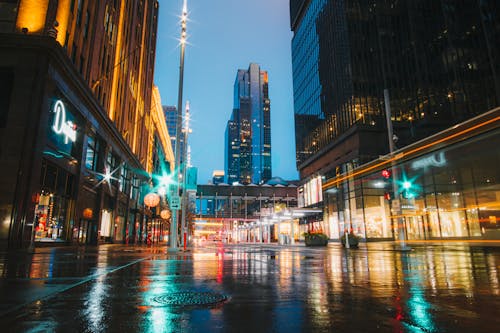
The Twin Cities market sounds quieter because movement slowed. Cold winters always dampen activity, but affordability pressures add to hesitation. Buyers wait longer before committing. Sellers often test prices cautiously.
Inventory remains tight relative to historical norms. Homes sell, but with fewer competing offers. Price growth moderated noticeably. The quiet reflects restraint rather than retreat.
13. New Jersey (Statewide)
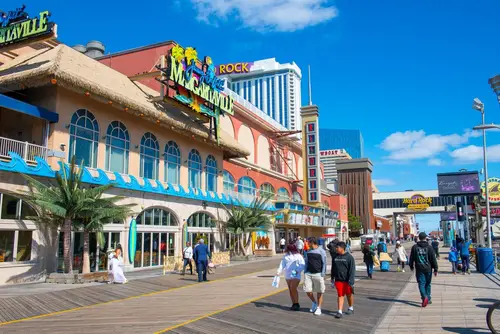
New Jersey’s housing silence comes from locked-in homeowners. Many hold ultra-low mortgage rates and don’t want to move. Buyers face limited choices and high prices. That combination suppresses transaction volume.
Suburban demand persists, especially near transit lines. Inventory shortages keep prices supported despite slower sales. New listings appear sporadically. The silence here tells a story of immobility, not decline.
This post 13 Housing Markets Where Silence Is the Most Telling Signal was first published on Greenhouse Black.
