
1. Huntsville, Alabama
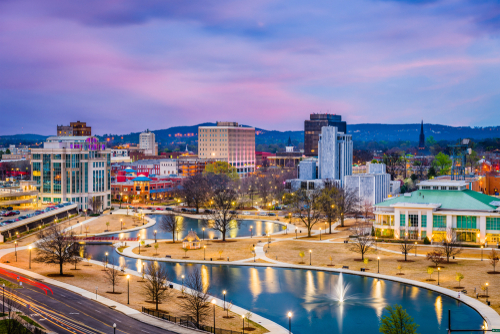
Huntsville’s growth has been steady rather than splashy. Aerospace, defense, and engineering jobs dominate the local economy. These sectors tend to bring higher incomes and long-term residents. Housing demand has followed job growth without extreme speculation.
Despite growth, Huntsville hasn’t seen the investor frenzy of larger Sun Belt cities. Supply has increased, but not enough to overwhelm demand. Price appreciation has been consistent rather than volatile. That makes the market easier to underwrite conservatively.
2. Pittsburgh, Pennsylvania
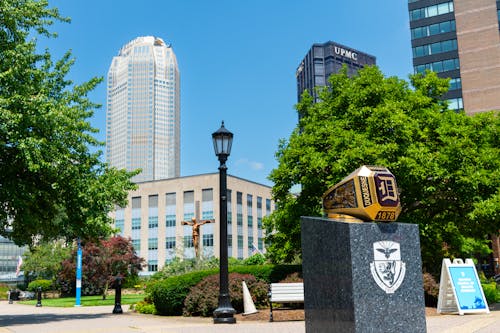
Pittsburgh has already reinvented itself once, but much of its housing market still flies under the radar. Prices remain relatively affordable compared to other tech-adjacent cities. Major employers in healthcare, robotics, and education anchor the local economy. This creates durable housing demand without dramatic boom-and-bust cycles.
What makes Pittsburgh interesting now is how uneven its recovery has been. Some neighborhoods have surged, while others remain undervalued. That unevenness creates opportunity for buyers willing to look beyond headlines. The city’s aging housing stock also leaves room for value-add renovations.
3. St. Louis, Missouri
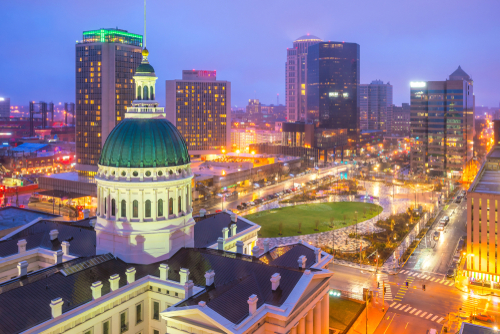
St. Louis often gets lumped into broader Midwest narratives, which masks its neighborhood-level strengths. The metro area has stable employment in healthcare, logistics, and aerospace. Home prices are still accessible, especially compared to incomes. That affordability gap matters for both homeowners and landlords.
Population growth isn’t driving St. Louis, but household formation is. Certain suburbs and infill neighborhoods continue to attract families and young professionals. The lack of national attention keeps competition relatively low. That silence can be an advantage when fundamentals are quietly improving.
4. Buffalo, New York
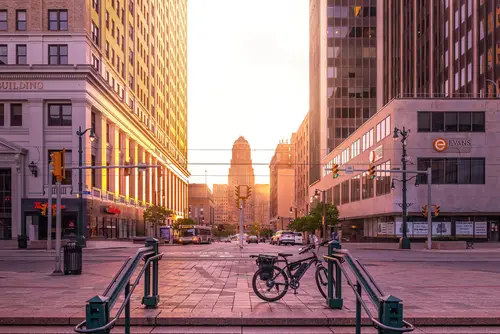
Buffalo rarely makes national housing lists, but its fundamentals have improved meaningfully over the last decade. Infrastructure investment and waterfront redevelopment have reshaped parts of the city. Housing prices remain low compared to other New York markets. That combination creates a favorable risk-reward profile.
The rental market in Buffalo has benefited from healthcare and higher education employment. Demand is steady rather than explosive, which reduces volatility. Buyers aren’t competing with waves of out-of-state speculators. This slower pace allows for more disciplined, long-term decisions.
5. Toledo, Ohio
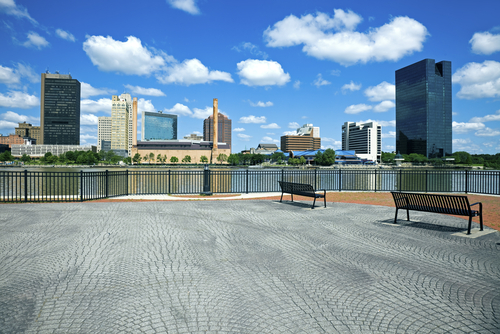
Toledo sits in the shadow of larger Midwest cities, which keeps it out of the spotlight. Manufacturing and logistics still play a major role in the local economy. Housing costs are among the lowest in the region. That affordability supports consistent rental demand.
What stands out in Toledo is how little prices have moved relative to replacement costs. New construction remains limited, which protects existing housing stock. Investors can often buy at prices that still make cash flow feasible. Quiet markets like this tend to reward patience.
6. Des Moines, Iowa
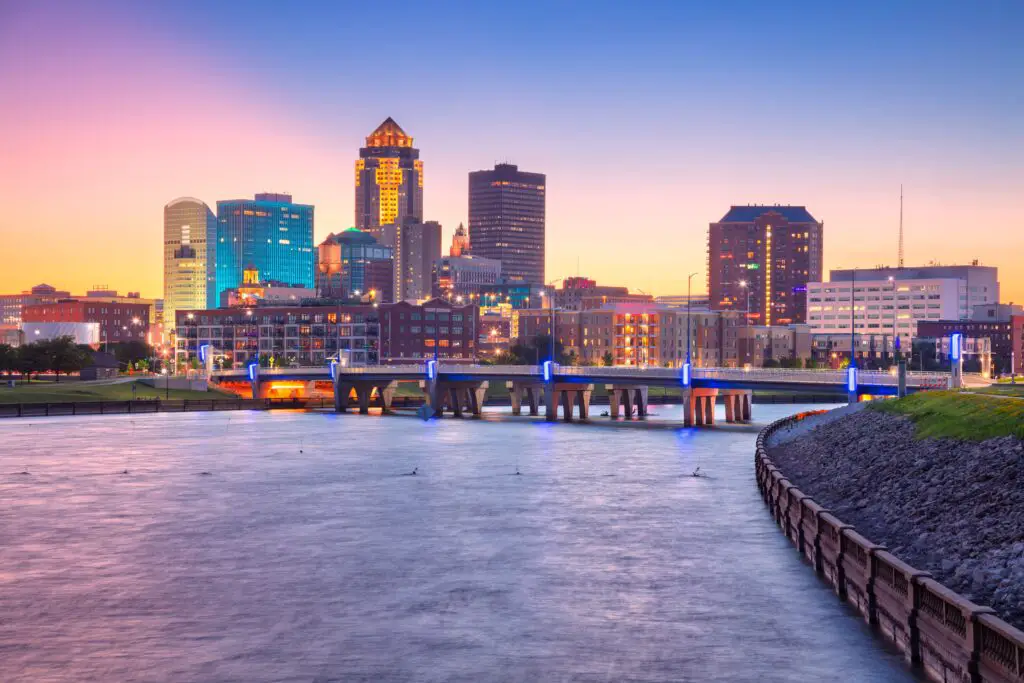
Des Moines doesn’t generate buzz, but it consistently ranks well for job stability. Insurance, finance, and agribusiness employers anchor the metro area. Housing supply has grown, but not excessively. That balance has helped keep prices from spiking or crashing.
The city continues to attract young professionals from rural Iowa. That migration supports both entry-level and mid-range housing demand. Appreciation has been gradual rather than speculative. In housing, slow and steady often beats fast and fragile.
7. Kansas City, Missouri

Kansas City’s growth story is real, but much of it remains localized rather than national. Home prices are still reasonable compared to income levels. The city benefits from logistics, healthcare, and a growing tech presence. These industries support consistent household formation.
What creates opportunity is how fragmented the market is. Some neighborhoods have already re-priced, while others lag behind. Buyers who do local research can still find value. The lack of constant national headlines keeps competition manageable.
8. Birmingham, Alabama
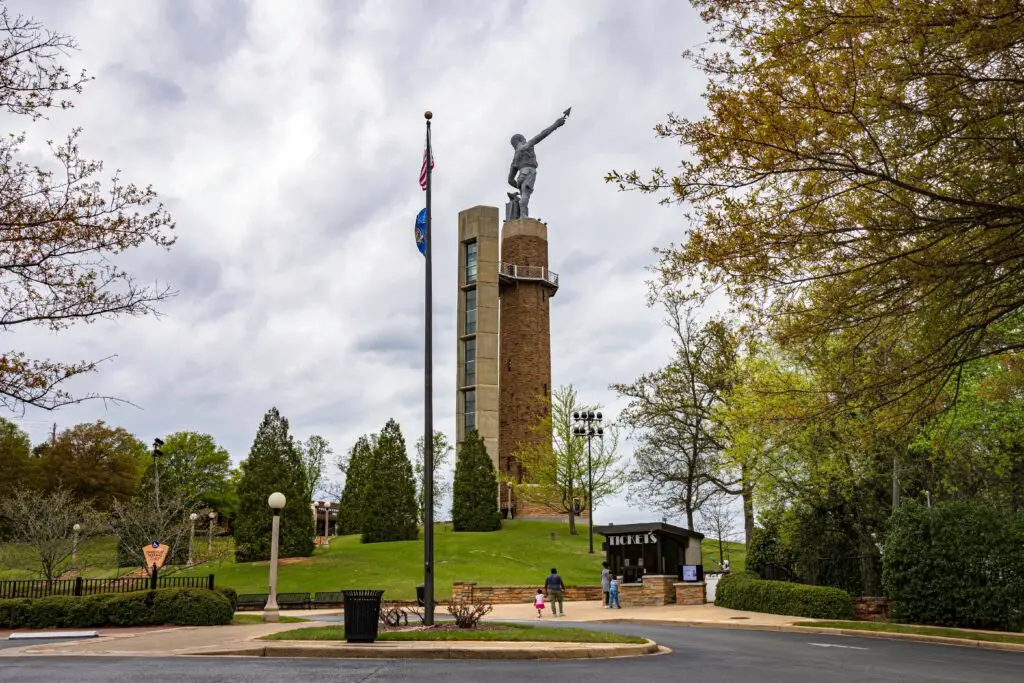
Birmingham doesn’t attract coastal attention, but its economy has quietly diversified. Healthcare and higher education are major employment drivers. Housing prices remain low compared to replacement costs. That dynamic creates a margin of safety for buyers.
Rental demand has been resilient, especially near employment hubs. Population growth is modest, but household stability is strong. Investors often overlook the city due to outdated perceptions. That gap between perception and reality is where opportunity often lives.
9. Cleveland, Ohio
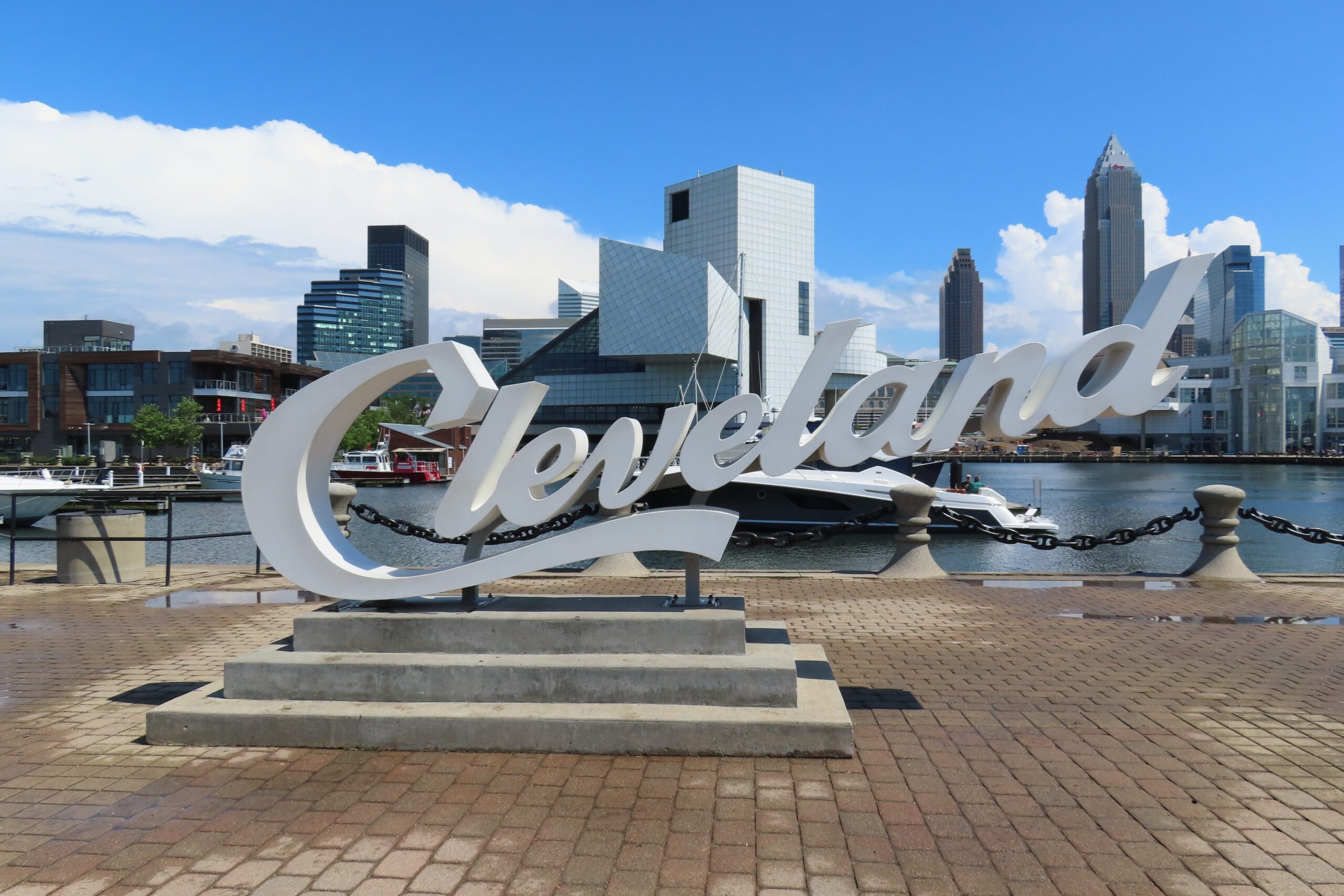
Cleveland doesn’t generate much national real estate chatter, which is exactly why it belongs on this list. Home prices remain well below the national median, even after recent appreciation. The city has a large base of healthcare, manufacturing, and education employers that provide steady demand. That stability tends to attract long-term residents rather than speculative buyers.
Investors and buyers often overlook Cleveland because population growth is modest, not explosive. But rental demand has stayed consistent, especially near hospitals and universities. Neighborhood-level revitalization has been slow and steady rather than flashy. That kind of quiet progress is often where value compounds over time.
10. Rochester, New York

Rochester’s housing market remains quiet despite strong institutional anchors. Universities, healthcare systems, and advanced manufacturing support employment. Home prices are still accessible relative to incomes. This supports both owner-occupant and rental demand.
The city’s population has stabilized after years of decline. Certain neighborhoods have begun to see reinvestment. That progress hasn’t fully reflected in prices yet. Markets like this often move before they make headlines.
11. Fort Wayne, Indiana
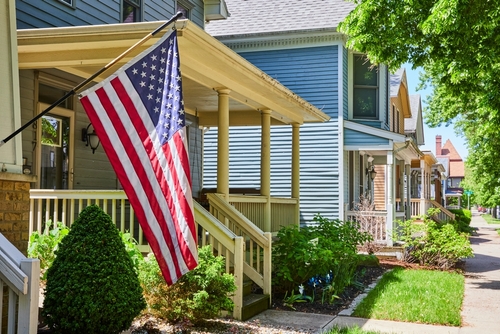
Fort Wayne rarely appears in national housing conversations. Manufacturing, healthcare, and defense-related employers provide economic stability. Housing costs remain low even after recent appreciation. That affordability attracts both families and employers.
The city has invested in downtown and riverfront redevelopment. These projects improve livability without dramatically raising prices overnight. Demand has increased gradually, not speculatively. Quiet growth like this often leads to sustainable appreciation.
12. Peoria, Illinois
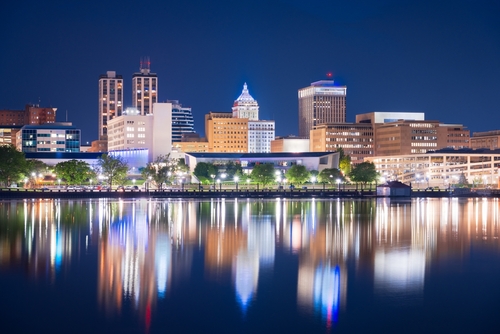
Peoria’s market has been shaped by industrial restructuring, which scared off many investors. However, healthcare and education now play a larger role in the economy. Housing prices reflect past declines more than current conditions. That disconnect creates opportunity.
Rental demand remains steady due to hospitals and universities. New construction is limited, which supports existing inventory. Buyers can still find properties priced below replacement cost. Silence in markets like Peoria often signals mispricing rather than stagnation.
13. Lafayette, Louisiana
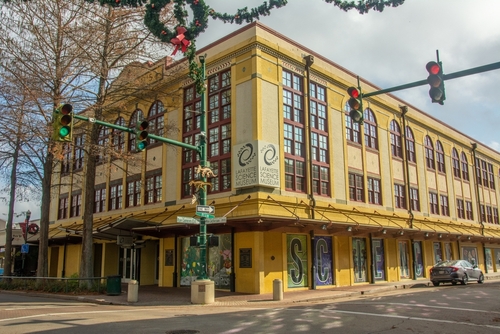
Lafayette benefits from energy, healthcare, and education employment. While energy markets fluctuate, the city’s economy is more diversified than it once was. Housing prices remain relatively low compared to regional peers. That affordability cushions downside risk.
Population growth has been modest but consistent. Rental demand has held up even during broader market slowdowns. Investors often overlook smaller metros like Lafayette. That lack of attention keeps pricing more rational.
14. Erie, Pennsylvania
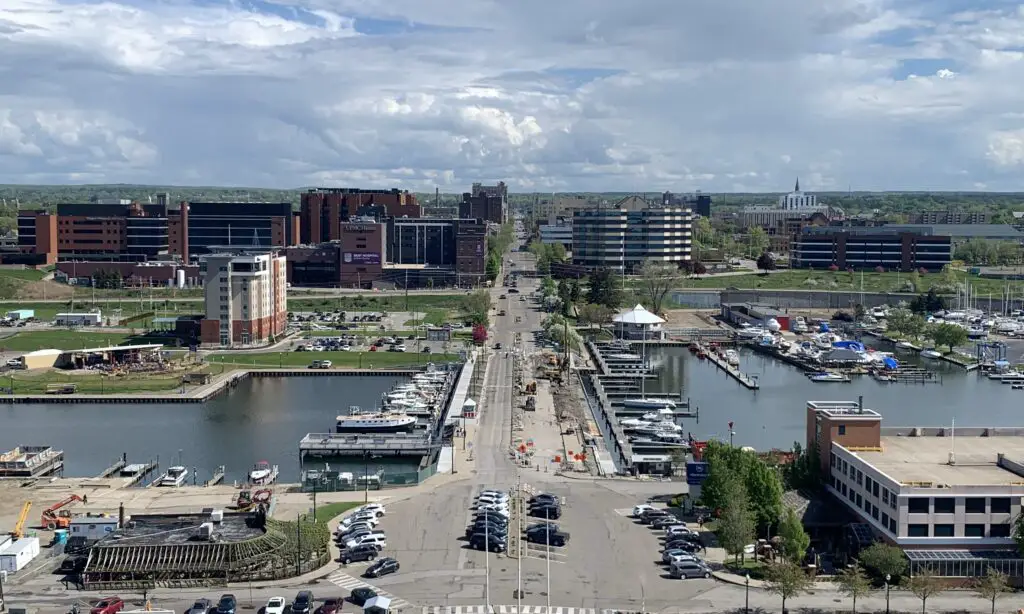
Erie is one of the quietest markets on this list, and that’s precisely the point. Manufacturing, healthcare, and logistics anchor the local economy. Housing prices are extremely affordable by national standards. Even small shifts in demand can have outsized effects.
The city has seen targeted redevelopment rather than widespread gentrification. That keeps entry costs low while improving livability. Rental yields can still make sense without aggressive assumptions. In housing, silence often precedes rediscovery.
This post 14 Housing Markets Where Silence Signals Opportunity was first published on Greenhouse Black.
