
1. St. Louis, MO
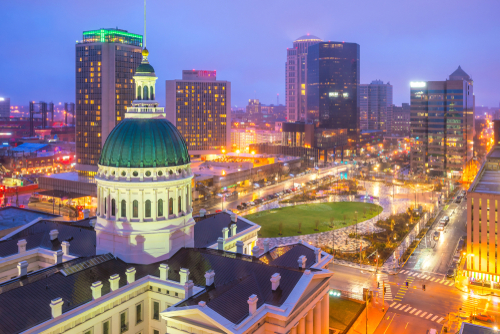
St. Louis stands out for its affordability and slow-and-steady growth. Population trends are modest, which naturally limits price spikes. Major employers in healthcare, aerospace, and education create a stable buyer base. That consistency shows up clearly in housing data.
The current market feels balanced rather than pressured. Sellers can’t rely on scarcity alone to drive prices. Buyers have time to compare options across neighborhoods. Stability here isn’t new, but it’s now clearly valued.
2. Cleveland, OH
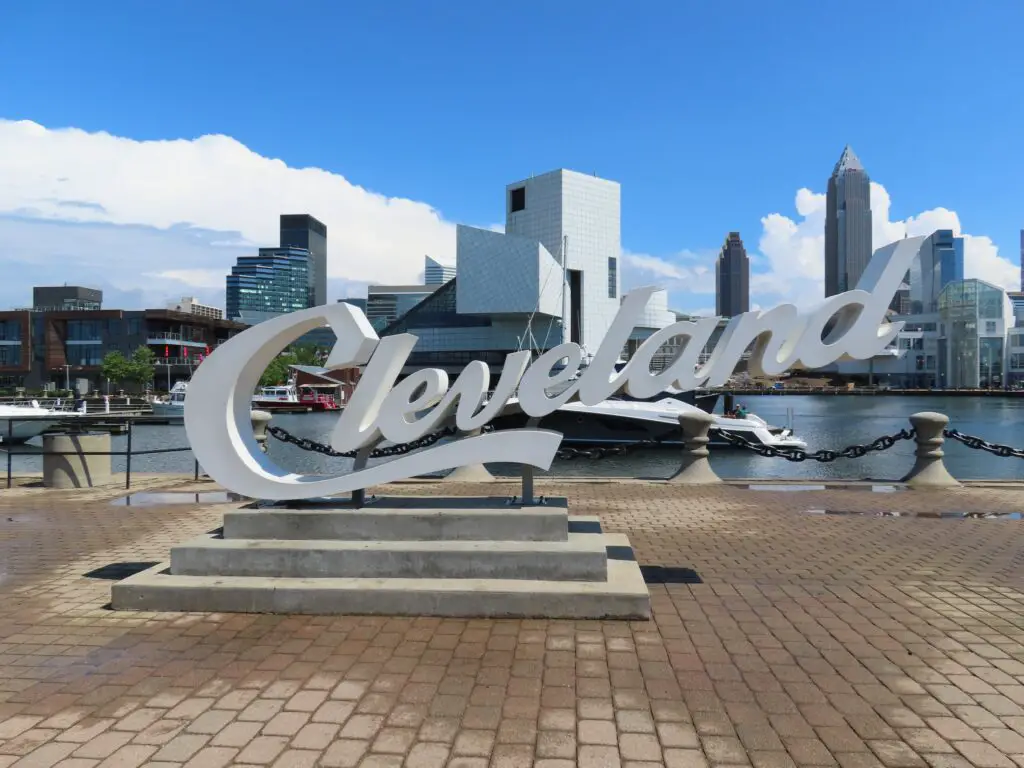
Cleveland’s housing market never fully bought into the pandemic-era frenzy, which is now working in its favor. Appreciation has been gradual and tied closely to local incomes. Large institutional buying never overwhelmed the market, helping keep prices grounded. That restraint makes current conditions easier to read and plan around.
The region’s economy is anchored by healthcare systems, manufacturing, and logistics. Those sectors don’t spike overnight, but they don’t vanish either. Buyers today are mostly local or relocating for specific jobs, not chasing speculative upside. As a result, the market feels calm rather than competitive.
3. Columbus, OH
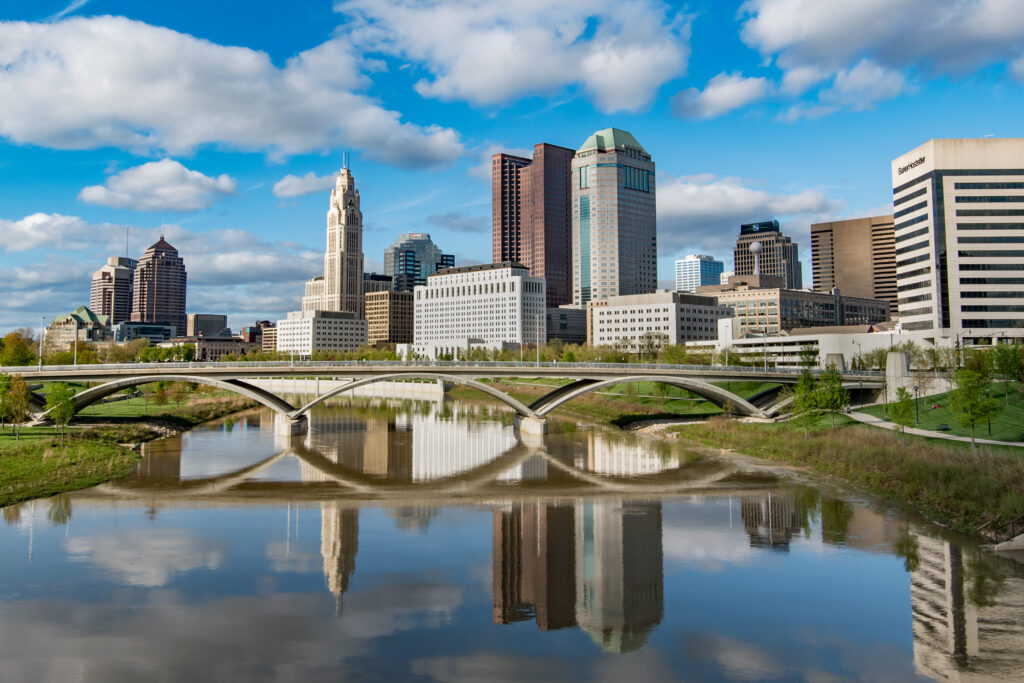
Columbus experienced strong growth, but it avoided the overheated extremes seen in some Sun Belt stars. A diverse employment base, including state government, education, and tech-adjacent firms, keeps demand consistent. Construction activity has helped add supply, easing pressure on prices. That combination has replaced urgency with patience.
What’s notable now is how normalized the buying process feels. Homes still move quickly in popular neighborhoods, but contingencies are back. Sellers price based on comps rather than headlines. It’s a market driven by fundamentals instead of fear of missing out.
4. Cincinnati, OH
Cincinnati’s appeal has always been rooted in livability rather than flash. The housing market reflects that, with steady appreciation tied to long-term residents and employers. Large companies headquartered in the region provide job continuity. That stability dampens the kind of speculative spikes that lead to corrections.
In recent years, buyers have regained leverage without prices collapsing. Renovated homes in walkable neighborhoods still attract interest, but bidding wars are no longer assumed. Suburban areas offer predictable pricing and longer listing times. Overall, the pace feels sustainable.
5. Indianapolis, IN

Indianapolis grew steadily through the pandemic without tipping into mania. Its affordability relative to coastal and Mountain West markets kept demand broad but reasonable. Logistics, healthcare, and sports-related industries provide a stable economic backbone. Those factors help keep housing demand resilient but not explosive.
Today’s market reflects a return to normal negotiations. Price reductions happen, but they’re modest and purposeful. New construction continues, preventing severe inventory shortages. It’s a market where planning ahead matters more than rushing.
6. Kansas City, MO

Kansas City benefited from increased attention, but it never became a speculative darling. Home prices climbed, yet they stayed anchored to local wages. The metro’s central location and diversified economy support consistent demand. That has smoothed out volatility over time.
Buyers now encounter a market that rewards preparation rather than speed. Well-priced homes sell, while overpriced listings sit. Neighborhoods on both sides of the state line show similar patterns of measured activity. The hype phase passed without leaving scars.
7. Pittsburgh, PA
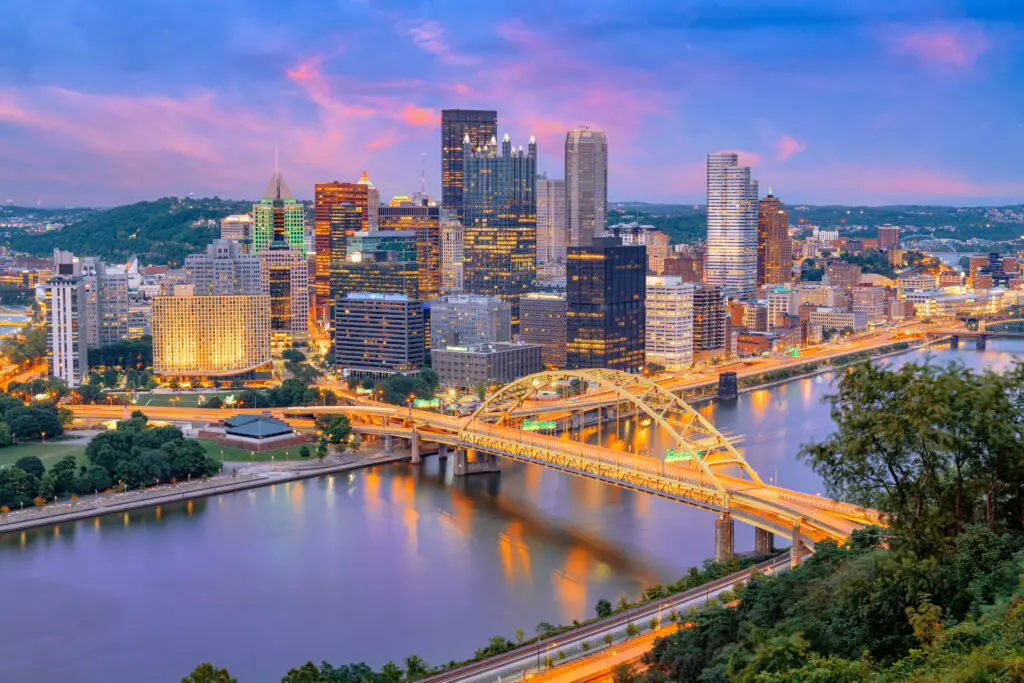
Pittsburgh earns a spot because it quietly moved past its speculative moment and settled into a predictable rhythm. The market is supported by healthcare, higher education, and tech research rather than boom-and-bust industries. Prices rose over the past decade, but they did so without the wild swings seen in flashier metros. Buyers today are dealing with realistic expectations instead of bidding wars driven by hype.
What also stands out is how inventory and demand are more aligned than in many peer cities. Homes still sell, but sellers can’t simply name any price and expect instant offers. Neighborhoods like Brookline and Greenfield show steady turnover rather than churn. That balance is exactly what stability looks like on the ground.
8. Minneapolis–St. Paul, MN

The Twin Cities saw price growth, but it was tempered by strong housing policy and steady building. A diverse economy spanning healthcare, finance, and manufacturing supports long-term demand. The region avoided the speculative investor rush that hit other metros. That helped prevent dramatic swings.
Today, listings reflect realistic pricing and predictable timelines. Seasonal patterns matter more than viral trends. Buyers are active, but they’re deliberate. It’s a market that feels grounded in how people actually live and work.
9. Milwaukee, WI
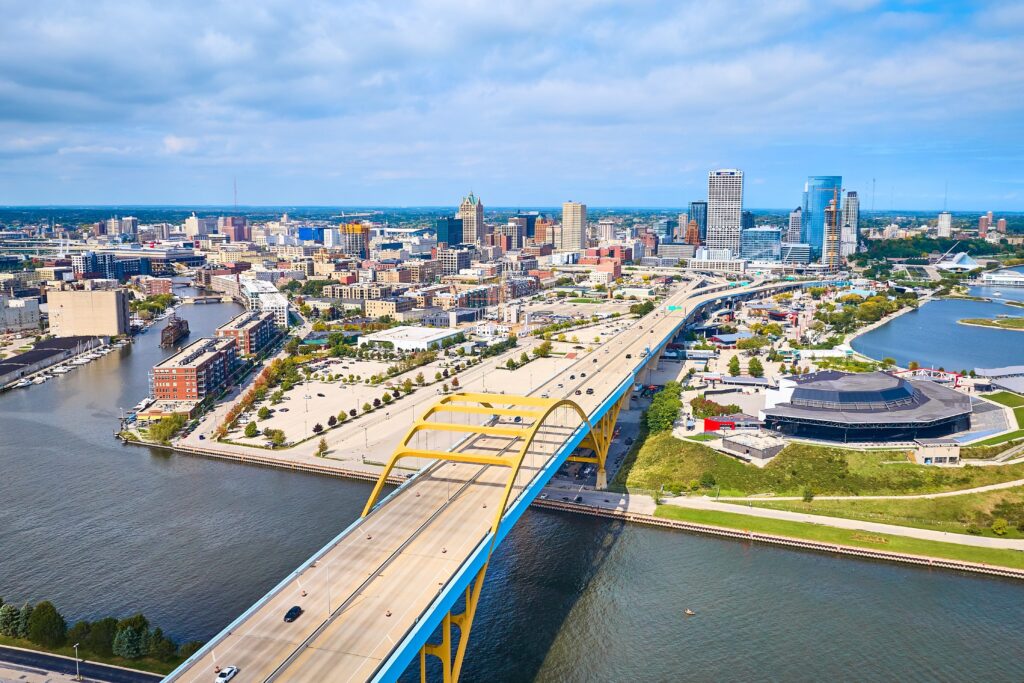
Milwaukee’s housing market has been quietly dependable for years. Its proximity to Chicago adds demand without importing extreme price pressure. Employment in manufacturing, healthcare, and education keeps the buyer pool stable. Appreciation has been real but restrained.
Recently, conditions have normalized even further. Multiple-offer situations still happen, but they’re not the default. Buyers can negotiate repairs and terms again. That return of balance signals maturity, not weakness.
10. Madison, WI
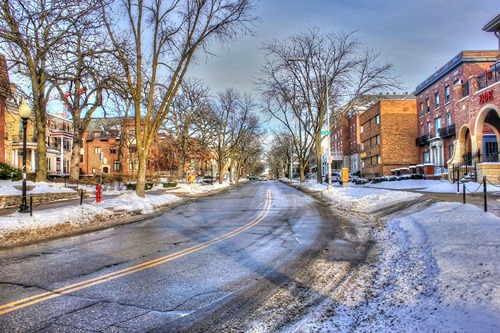
Madison experienced strong demand, but it was driven by fundamentals rather than hype. The presence of the University of Wisconsin and state government provides economic continuity. Limited land and thoughtful development have kept growth controlled. Prices rose, but they didn’t detach from reality.
Now the market feels intentional rather than frantic. Buyers often plan months ahead instead of reacting overnight. Sellers price carefully, knowing buyers are informed. It’s a stable market shaped by long-term residents.
11. Des Moines, IA
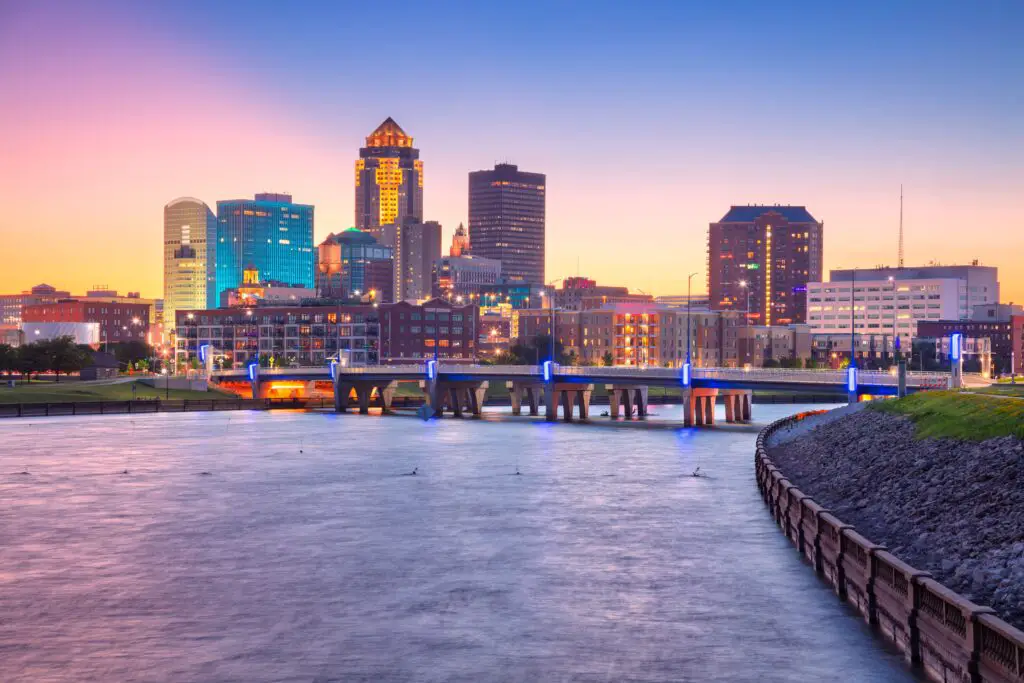
Des Moines never chased national attention, and that’s part of its strength. The housing market tracks closely with local employment and income growth. Insurance, finance, and agriculture-related industries offer steady jobs. That predictability keeps housing demand even.
Current conditions favor measured decision-making. Inventory has improved without flooding the market. Price growth has slowed but remains positive. Stability here comes from consistency, not correction.
12. Omaha, NE
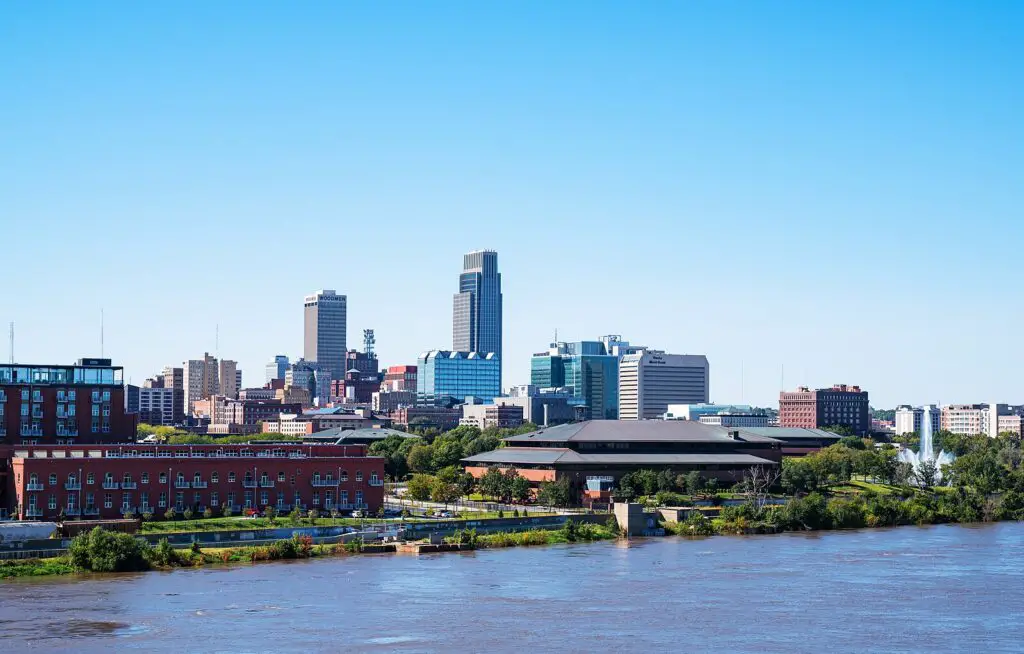
Omaha’s market reflects the city’s reputation for reliability. Major employers and a strong small-business base support steady housing demand. The area avoided extreme investor-driven surges. That restraint preserved affordability relative to many metros.
Buyers today face a competitive but rational environment. Homes sell on value and condition, not hype. New development continues at a manageable pace. The result is a market that feels calm and dependable.
13. Rochester, NY

Rochester saw renewed interest as remote work expanded, but it never overheated. Prices increased from a low base, staying tied to local fundamentals. Healthcare, education, and optics-related industries provide employment stability. That keeps housing demand consistent rather than speculative.
The market now shows clear equilibrium. Buyers can find options across price points without extreme competition. Sellers must maintain properties and price appropriately. Stability here feels earned, not imposed.
14. Albany–Schenectady–Troy, NY
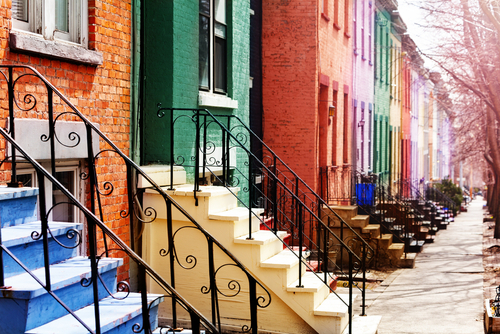
The Capital Region benefits from a large government and education presence. That employment base buffers the housing market from sudden swings. Demand increased in recent years, but supply adjusted gradually. Prices rose without breaking from historical patterns.
Currently, the market rewards patience and preparation. Buyers aren’t rushed into waiving protections. Sellers rely on comparable sales instead of aspirational pricing. It’s a clear example of hype giving way to normalcy.
15. Grand Rapids, MI
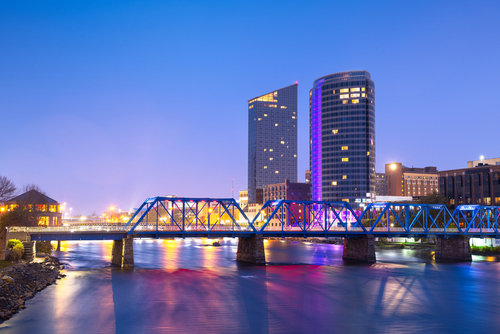
Grand Rapids attracted attention for its quality of life, but growth stayed manageable. Manufacturing, healthcare, and design-oriented industries anchor the local economy. Housing demand increased steadily rather than explosively. That kept price growth from becoming unsustainable.
Today’s market feels balanced and transparent. Homes still move, but timelines are predictable. Buyers can negotiate, and sellers adjust expectations. It’s a city where stability has become the main selling point.
This post 15 Housing Markets Where Stability Replaced Hype was first published on Greenhouse Black.
