
1. New Orleans, Louisiana
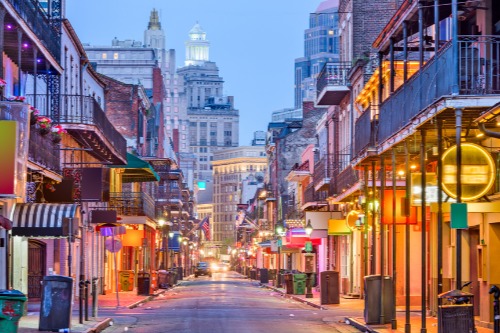
New Orleans faced unique pressures that quietly slowed housing activity. Rising insurance costs, especially for flood and wind coverage, weighed heavily on affordability. Some buyers hesitated due to climate and infrastructure concerns. Demand softened even as inventory stayed relatively tight.
Sellers noticed fewer showings and longer listing times. Price growth stalled in several neighborhoods. Investors grew cautious about long-term costs. The market didn’t grab headlines, but its momentum clearly eased.
2. Cape Coral, Florida
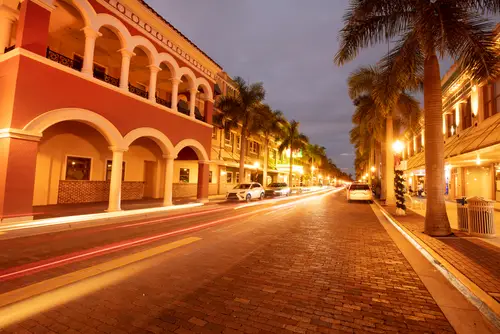
Cape Coral’s housing momentum slowed as quickly as it once sped up, and locals felt the shift almost overnight. A surge of listings followed the pandemic boom, leaving buyers with more choices and less urgency. Skyrocketing homeowners insurance premiums, driven by hurricane risk and insurer pullbacks, became a real budget shock. For many would-be buyers, the monthly cost simply stopped making sense.
Sellers, meanwhile, discovered that out-of-state demand wasn’t endless. Price reductions became common, especially for newer homes built during the boom. Investors who once snapped up properties started to hesitate or exit altogether. The market didn’t crash, but the brakes were definitely tapped.
3. Boise, Idaho
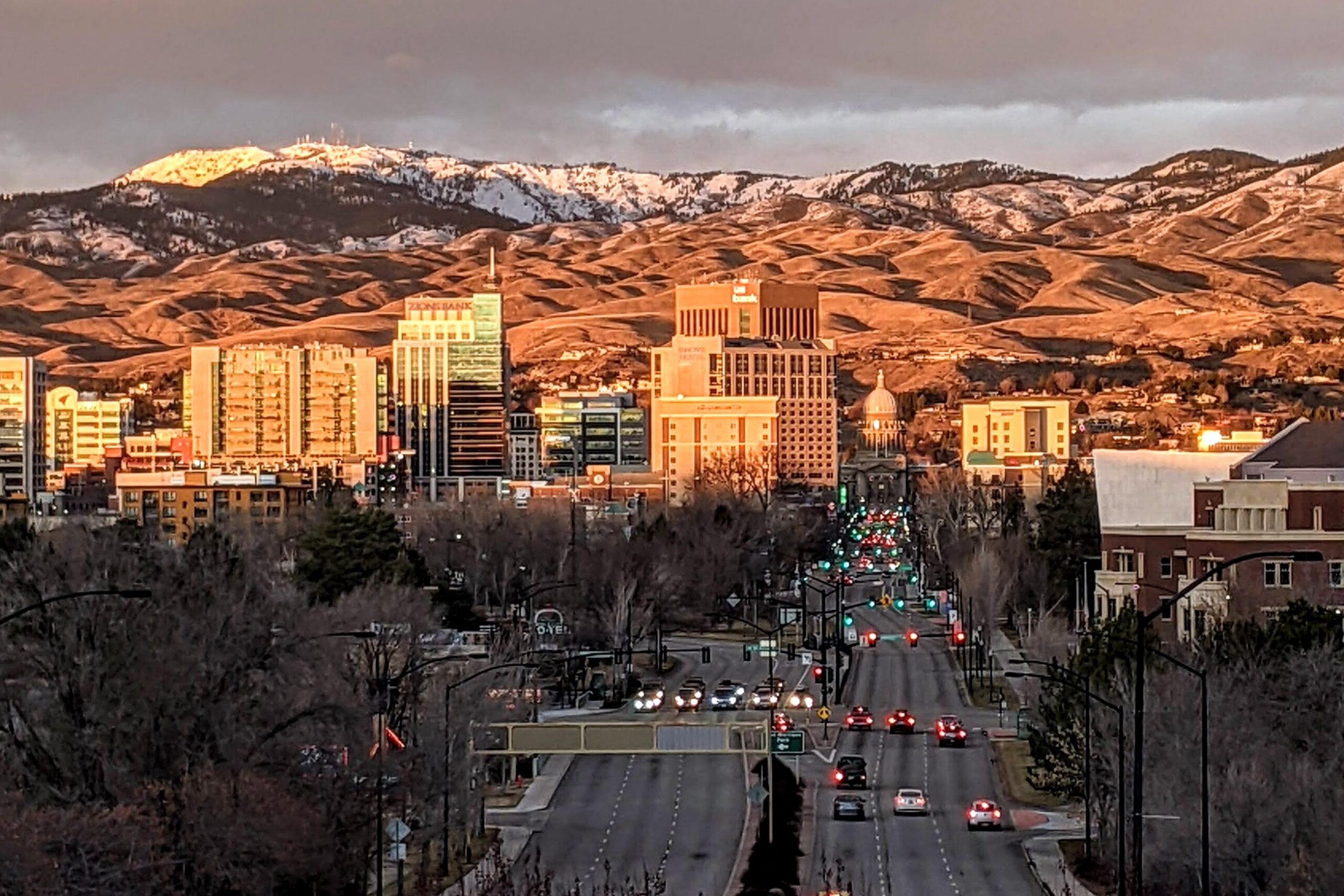
Boise was one of the fastest-rising markets of the pandemic era, which made its slowdown more noticeable. Prices climbed faster than local wages, eventually hitting an affordability wall. As mortgage rates rose, many buyers simply stepped back. Demand thinned out enough to change the pace of sales.
Inventory climbed as fewer homes went under contract right away. Sellers who expected bidding wars had to recalibrate their expectations. Some homes that would’ve sold instantly in 2021 lingered for weeks. The market stabilized, but the frenzy faded.
4. Phoenix, Arizona

Phoenix saw a sharp shift after years of rapid growth fueled by migration and investors. Higher interest rates cooled investor activity, especially for short-term rentals. New subdivisions added supply at the same time demand softened. That imbalance slowed price growth significantly.
Buyers suddenly had leverage, something rare in recent memory. Sellers responded with incentives, concessions, and price cuts. Certain suburbs felt the slowdown more than the urban core. Phoenix didn’t reverse course, but it definitely lost momentum.
5. Las Vegas, Nevada

Las Vegas housing cooled as affordability pressures met economic uncertainty. Tourism recovered unevenly, making some buyers cautious about long-term stability. Investor demand eased, especially for condos and entry-level homes. Listings began to stack up compared to prior years.
Homes took longer to sell, and multiple offers became less common. Sellers who priced aggressively had to adjust downward. The market shifted from excitement to patience. Las Vegas remained active, just no longer overheated.
6. San Francisco, California
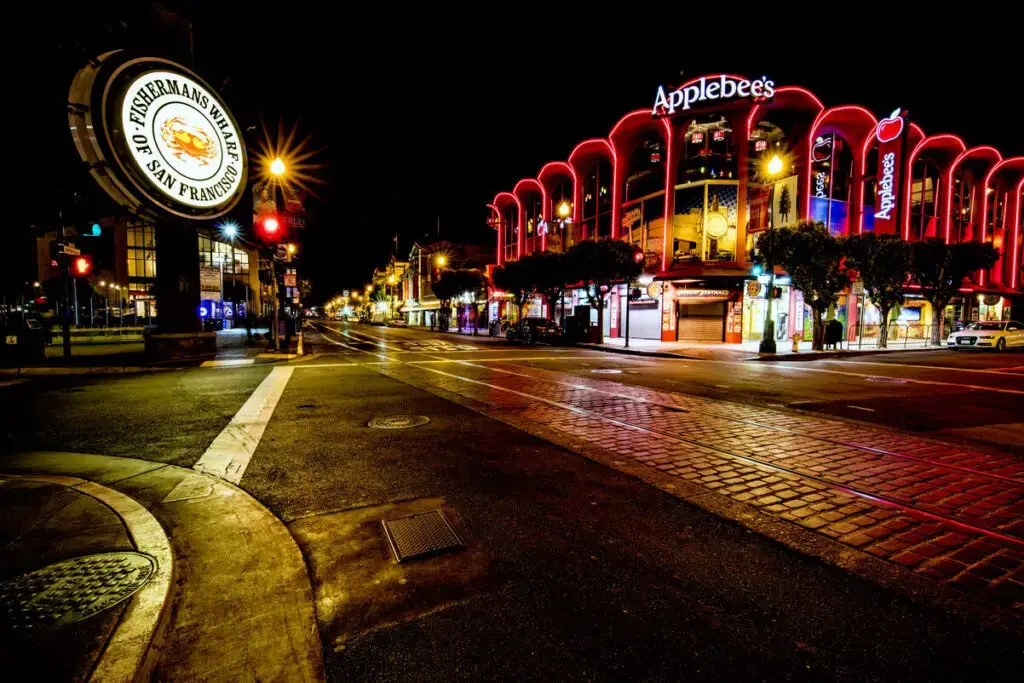
San Francisco’s housing slowdown reflected broader changes in how people work. Remote and hybrid policies reduced urgency to live near downtown offices. Tech sector layoffs added another layer of caution for buyers. Even with limited inventory, demand softened noticeably.
Prices stopped climbing the way they once did. Some sellers chose to wait rather than accept lower offers. Condos, in particular, struggled compared to single-family homes. The city’s market stalled quietly, without dramatic headlines.
7. Oakland, California
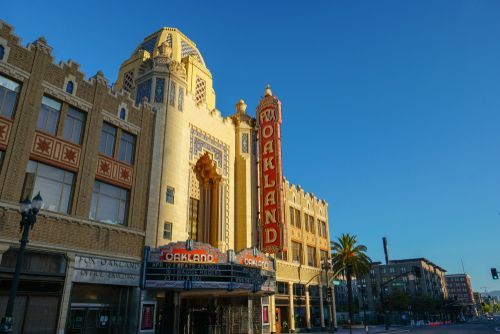
Oakland felt the ripple effects of the Bay Area’s tech recalibration. Higher interest rates collided with already high prices, squeezing affordability. Safety concerns and quality-of-life issues also factored into buyer hesitation. Demand slowed even as inventory remained constrained.
Homes stayed on the market longer than sellers expected. Price reductions became more visible across multiple neighborhoods. Buyers negotiated repairs and credits again. Oakland didn’t collapse, but its housing momentum flattened.
8. San Jose, California
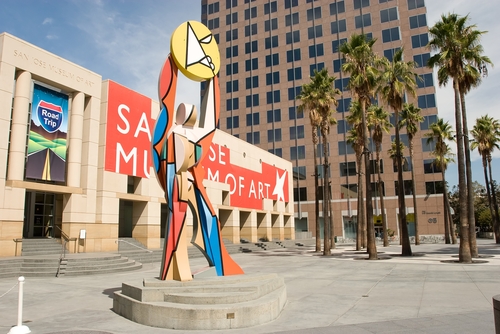
San Jose’s market cooled as Silicon Valley hiring slowed. Buyers tied to tech compensation became more conservative with big purchases. Even modest increases in inventory changed the balance in such a tight market. That shift was enough to slow sales activity.
Luxury homes were especially affected, with longer listing times. Sellers adjusted expectations after years of rapid appreciation. Fewer bidding wars defined the new normal. The market stayed expensive, just less frenzied.
9. Nashville, Tennessee
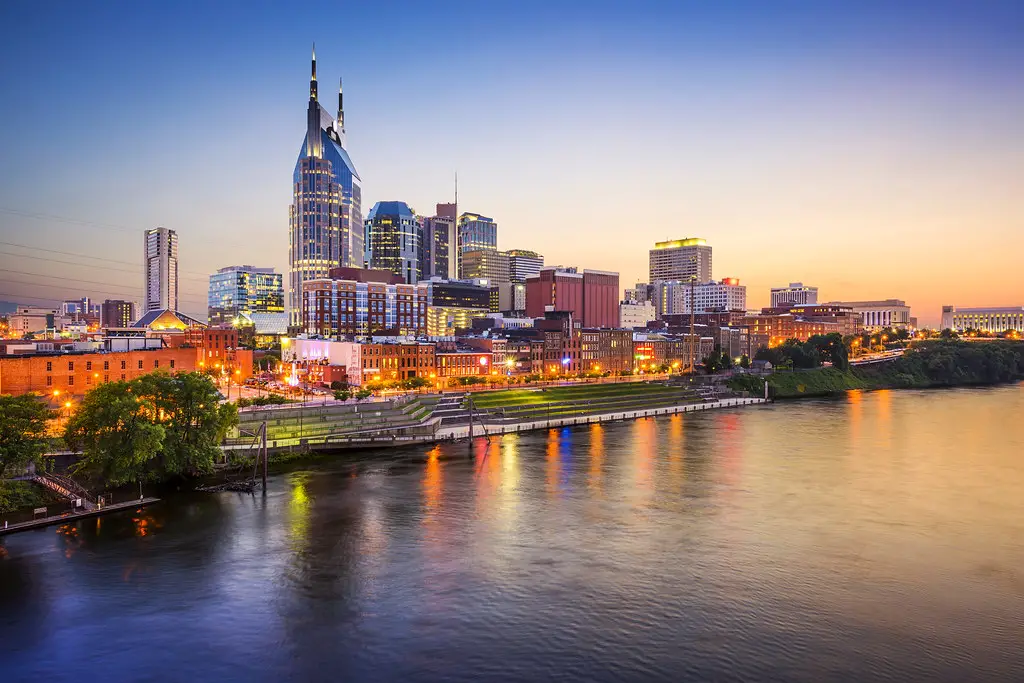
Nashville’s housing boom eased as in-migration slowed. Rapid price growth outpaced local incomes, challenging affordability. New construction added supply across the metro area. Those factors combined to cool buyer urgency.
Homes began lingering longer, especially outside the hottest neighborhoods. Sellers leaned on incentives to attract interest. Investors became more selective than before. Nashville’s growth story continued, but at a calmer pace.
10. Denver, Colorado
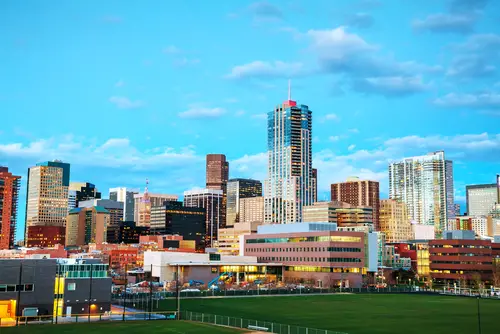
Denver’s housing momentum stalled as buyers adjusted to higher borrowing costs. The city saw an increase in listings compared to recent years. Job growth remained steady, but not enough to sustain earlier price jumps. Buyers took a more measured approach.
Sellers faced longer timelines and fewer offers. Price cuts appeared more often, particularly in suburban areas. Condos and townhomes felt the slowdown first. Denver settled into a more balanced, slower market.
11. Seattle, Washington
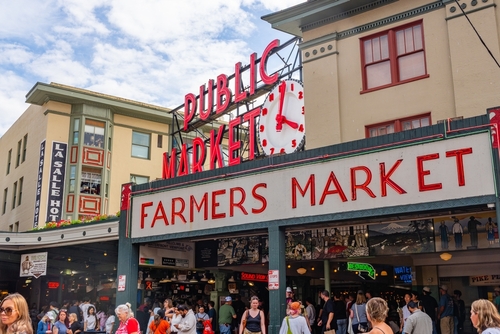
Seattle’s housing slowdown followed changes in the tech sector. Major employers slowed hiring, affecting buyer confidence. Mortgage rates amplified the impact in an already expensive market. Even limited inventory couldn’t prevent a dip in momentum.
Homes took longer to sell, especially at higher price points. Sellers became more flexible on terms. Buyers gained room to negotiate inspections and contingencies. The market paused rather than plunged.
12. Austin, Texas

Austin’s housing story changed tone after years of breathless growth. Tech hiring slowed, and some high-profile layoffs made buyers more cautious. New construction kept delivering homes, pushing inventory higher than the city had seen in years. That combination dulled the sense of competition that once defined every listing.
Homes started sitting longer, even in neighborhoods that once sold in a weekend. Sellers had to negotiate again, something that felt unfamiliar not long ago. Price cuts became part of normal strategy rather than a red flag. Austin didn’t lose its appeal, but momentum clearly cooled.
This post Housing Momentum Stalled in These 12 Towns Without Making Headlines was first published on Greenhouse Black.
