
1) Comfort-viewing in media

A lot of Americans gravitate toward shows that feel like emotional comfort food. Series like Stranger Things deliberately recreate past eras, letting viewers sink into familiar sounds, styles, and social dynamics. Even people who didn’t live through the 1980s recognize its pop-culture shorthand. That sense of déjà vu makes trying a new show feel safe instead of risky.
When decision fatigue hits after work, nostalgia becomes a shortcut. People are more likely to click something that promises recognizable vibes over an unknown quantity. This shapes streaming habits in a measurable way, favoring retro-inspired storytelling. In everyday terms, memory becomes a deciding factor in what fills our evenings.
2) Buying retro-style technology
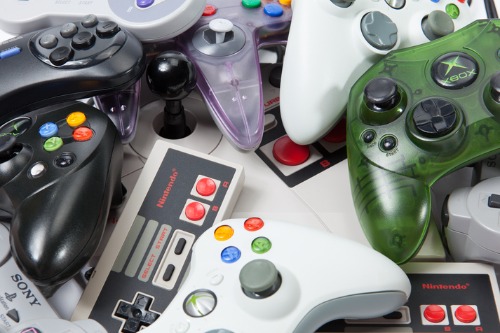
Retro tech appeals to Americans who want to reconnect with simpler digital experiences. The release of devices like the Nintendo Entertainment System: NES Classic Edition showed how powerful that pull can be. Buyers weren’t chasing cutting-edge performance, they were chasing a feeling. The hardware acted like a bridge to childhood routines.
That emotional motivation reframes the purchase as self-care rather than indulgence. Consumers justify it as preserving a personal connection to the past. Nostalgia reduces hesitation by attaching meaning to the object. The result is a buying decision guided more by sentiment than specifications.
3) Choosing products with heritage design
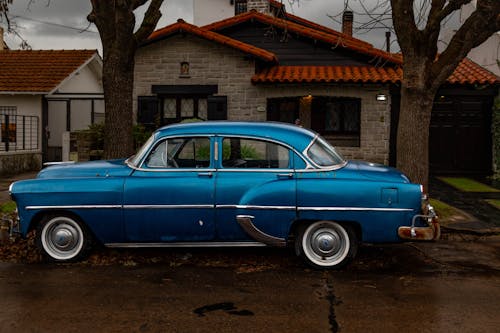
Many Americans respond strongly to products that echo earlier eras. Automakers such as Ford Motor Company often incorporate legacy styling cues that signal continuity and tradition. Shoppers interpret these designs as trustworthy and time-tested. The aesthetic alone can influence how modern features are perceived.
That familiarity softens the anxiety of making a big purchase. Buyers feel anchored to a narrative they already understand. Nostalgia becomes a filter that shapes which options feel emotionally reminded and appealing. In practice, heritage design nudges decisions toward what feels historically grounded.
4) Spending on memory-driven live entertainment
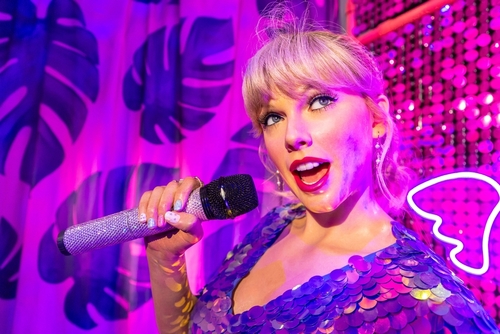
Live events often double as personal time machines for audiences. A concert by an artist like Taylor Swift can walk fans through distinct chapters of their lives. Songs become markers for relationships, milestones, and transitions. That emotional layering makes attending feel deeply personal.
Because of this, fans frequently stretch their budgets for tickets. They’re not just paying for music, they’re investing in a curated memory experience. Nostalgia helps rationalize premium pricing as meaningful rather than excessive. The decision is fueled by the promise of reliving formative moments.
5) Revisiting familiar stories in theaters
Legacy sequels and reboots draw audiences by reconnecting them with earlier cinematic experiences. Films like Top Gun: Maverick revive characters and themes that viewers already carry emotional ties to. Watching becomes less about discovery and more about reunion. That familiarity lowers resistance to buying a ticket.
People often prioritize these films over entirely new properties. Nostalgia adds perceived value by tying the outing to personal history. The theater visit feels like honoring a long-standing relationship with a story world. Decisions about entertainment spending become rooted in emotional continuity.
6) Returning to tactile, analog experiences
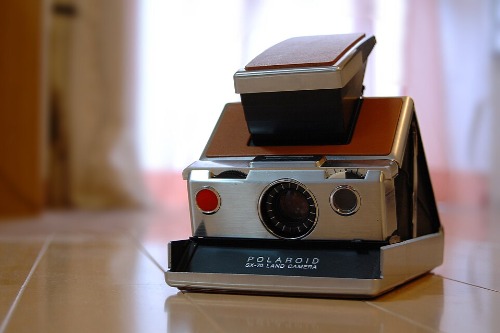
Physical media has a special appeal in a heavily digital culture. The resurgence of instant photography, highlighted by brands like Polaroid, taps into memories of tangible keepsakes. Holding a developing photo feels intimate and deliberate. That sensory ritual contrasts sharply with cloud storage.
Consumers often describe these purchases as reclaiming authenticity. Nostalgia reframes inconvenience as charm and reminds people why they loved the format. The buying decision becomes about experience, not efficiency. Choosing analog tools reflects a desire to slow down and savor moments.
7) Rewatching familiar television
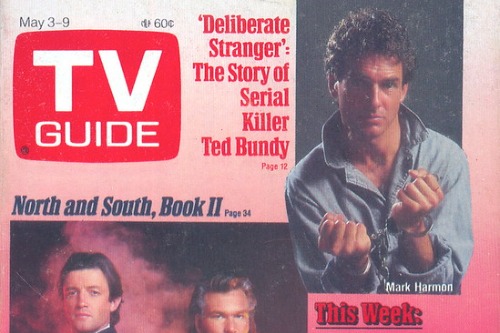
Many Americans repeatedly return to shows they already know by heart. Sitcoms like Friends serve as emotional anchors tied to earlier life stages. Episodes recall dorm rooms, first jobs, or shared living rooms. That association makes rewatching feel comforting rather than repetitive.
This habit influences daily viewing decisions in subtle ways. Familiar content reduces mental effort when people are tired or stressed. Nostalgia turns predictability into a benefit. Pressing play becomes a small, reliable act of emotional regulation.
8) Engaging with childhood franchises in new formats
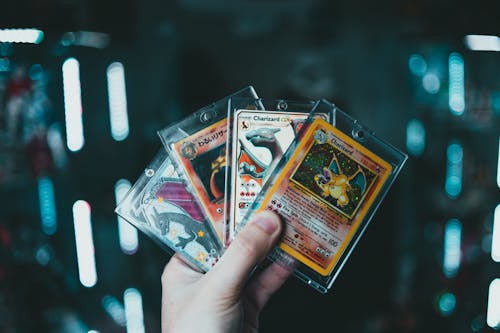
Childhood brands often resurface in modern platforms with huge appeal. The success of Pokémon Go showed how nostalgia can motivate adults to reengage with a beloved universe. Players weren’t just trying a new app, they were revisiting formative memories. The updated format added novelty without erasing familiarity.
That emotional connection drives sustained engagement. People make time in their schedules for activities that feel personally meaningful. Nostalgia increases willingness to explore and stick with the experience. Decisions about leisure time become intertwined with childhood affection.
9) Participating in shared cultural throwbacks
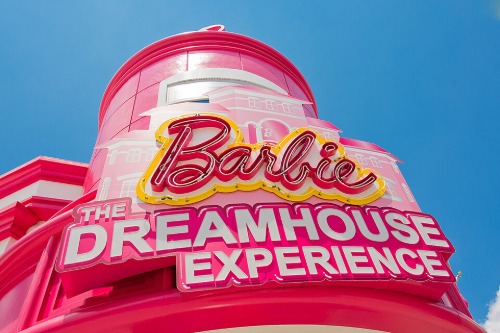
Large pop-culture moments can trigger collective nostalgia. The theatrical buzz around Barbie encouraged audiences to reconnect with childhood symbols. Dressing up and attending themed screenings turned viewing into a social ritual. The experience felt like a communal celebration of memory.
This shared nostalgia influences purchasing and social choices. Fans buy themed clothing or accessories to signal participation. The emotional payoff justifies spending and coordination. Decisions are shaped by the desire to relive and share a familiar cultural moment.
10) Choosing physical music formats for emotional value
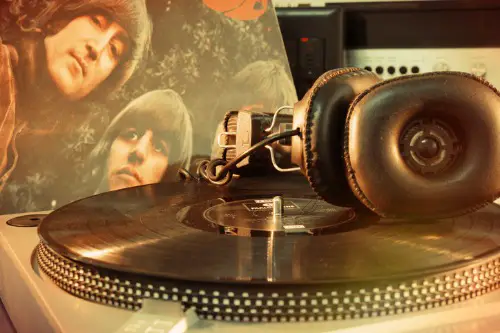
Vinyl records appeal to listeners seeking a deeper connection to music. Iconic releases like Abbey Road represent an era when listening was intentional and immersive. Placing a record on a turntable becomes a ritual rather than background noise. That ceremony adds emotional weight to the act.
Buyers often frame vinyl purchases as preserving history. Nostalgia elevates the format beyond pure audio quality. The decision competes less with convenience and more with meaning. Each listen becomes a deliberate nod to musical heritage.
11) Favoring classic games in modern libraries
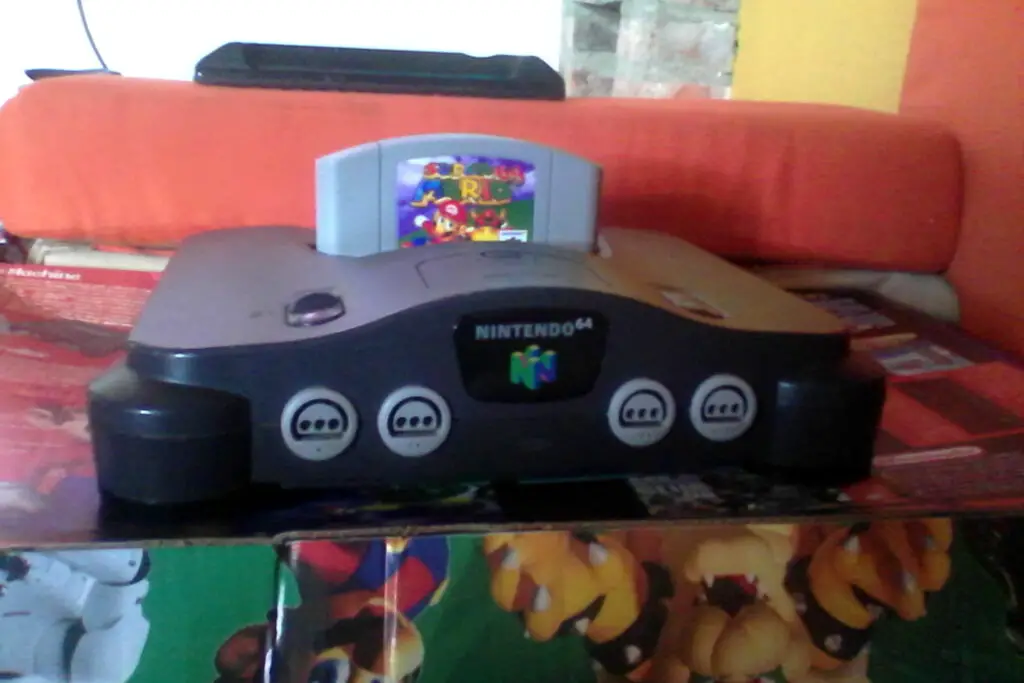
Classic titles continue to influence how Americans evaluate gaming options. Seeing games like Super Mario Bros. included in modern collections sparks instant recognition. Players associate them with early gaming milestones and shared memories. That familiarity builds goodwill toward the platform offering them.
Nostalgia shapes how people allocate their gaming time. Quick sessions with a known favorite can feel more satisfying than learning a complex new system. Emotional accessibility becomes a deciding factor. Choosing classics is often about reconnecting with the joy that started the hobby.
This post How Nostalgia Influences Modern Decisions for Americans was first published on Greenhouse Black.
